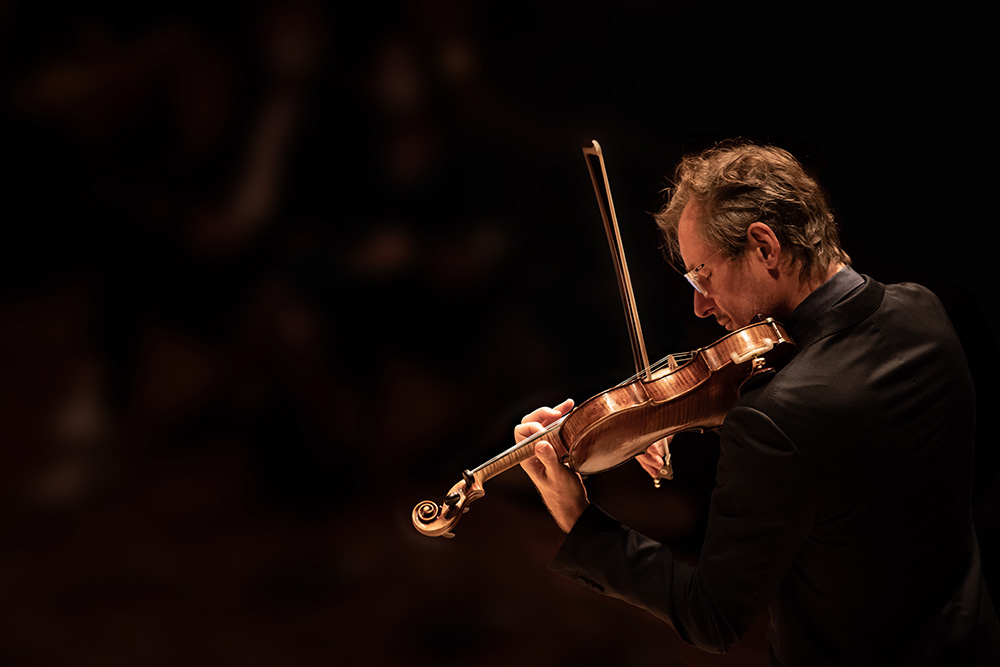
Sydney Symphony Orchestra | Harry Bennetts performs Beethoven’s Violin Concerto
October 9, 2025, City Recital Hall, NSW
The beginnings of Beethoven’s Violin Concerto did not augur well, as was common at the time – witness Mozart’s “Linz” Symphony – the orchestra did not receive the score until one day before the concert leaving no time for rehearsals. As if this wasn’t enough the soloist insisted on playing “trick” pieces between the first two movements! Adverse criticism ensured that the work faded into oblivion until Brahms’ friend Joseph Joachim revived it in the 1850s. It seems strange that such a towering composition met this fate. The composer didn’t help by directing his focus of attention to the piano concertos, where he could perform as soloist.
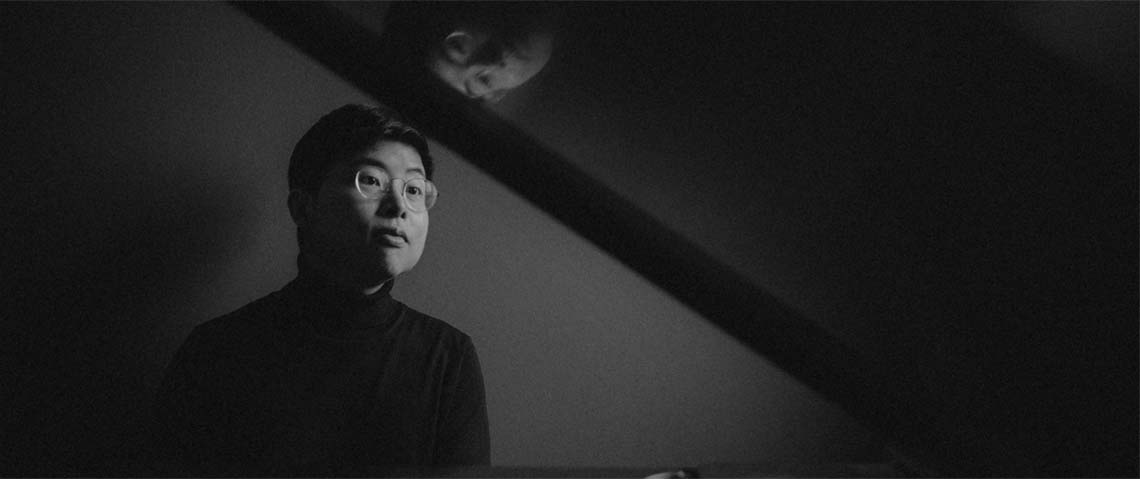
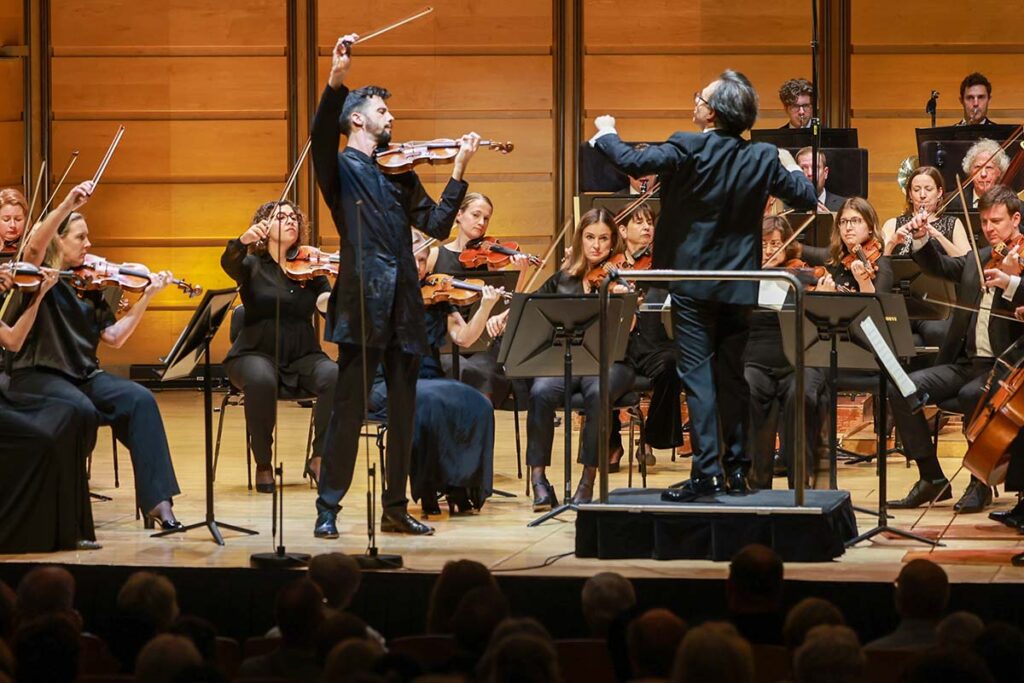
The opening theme is quiet and unobtrusive but is cleverly developed to give birth to two new ideas which form a rich mixture. A sublimely peaceful slow movement is followed by an assertive Rondo which emphasises the technique of the soloist. On this occasion, this was none other than Harry Bennetts, well-known to concertgoers as the associate concert master of the SSO although he has performed with the majority of Australian orchestras and has twice won the Concerto Competition run by the National Academy.
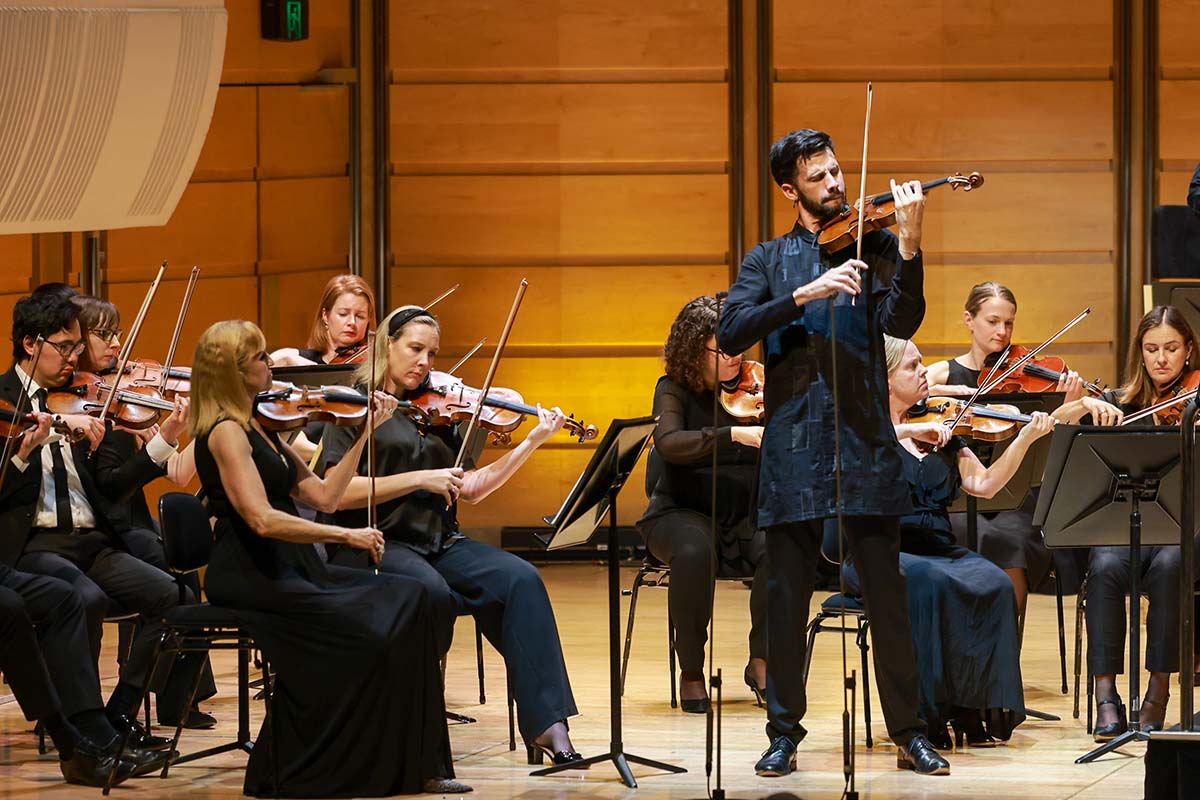
His playing was nothing less than a revelation – accurate, fluent, revealing all the nuances of Beethoven’s writing. The high spot was the first movement Cadenza which features double-stopping, and the two main themes played simultaneously – but above all he adhered to the laid-back nature of the work.
Franz Schubert was not given to name his orchestral or chamber compositions and I just refuse to believe that it was he who gave his fourth symphony the title ‘Tragic” which anyway is a misnomer, I think it’s more likely that he called his eighth symphony “The Unfinished”! In fact, his early symphonies were rarely played until the mid -twentieth century. A more accurate title for this groundbreaking work would be “Dramatic” or even “Foreboding”. It’s perhaps relevant that Schubert had recently become aware of the seriousness of his illness although it must be remembered that he composed three of his greatest works, his Quintet and piano Quartets, all optimistically in major keys when his illness was terminal.
A slow introduction gives way to a sombre theme, beautifully scored with a large woodwind section including four horns, quiet Adagio has an energetic mid-section while the Minuetto features an engaging Trio. Again, decrying the “title”, the Finale ends in an optimistically resounding C major.
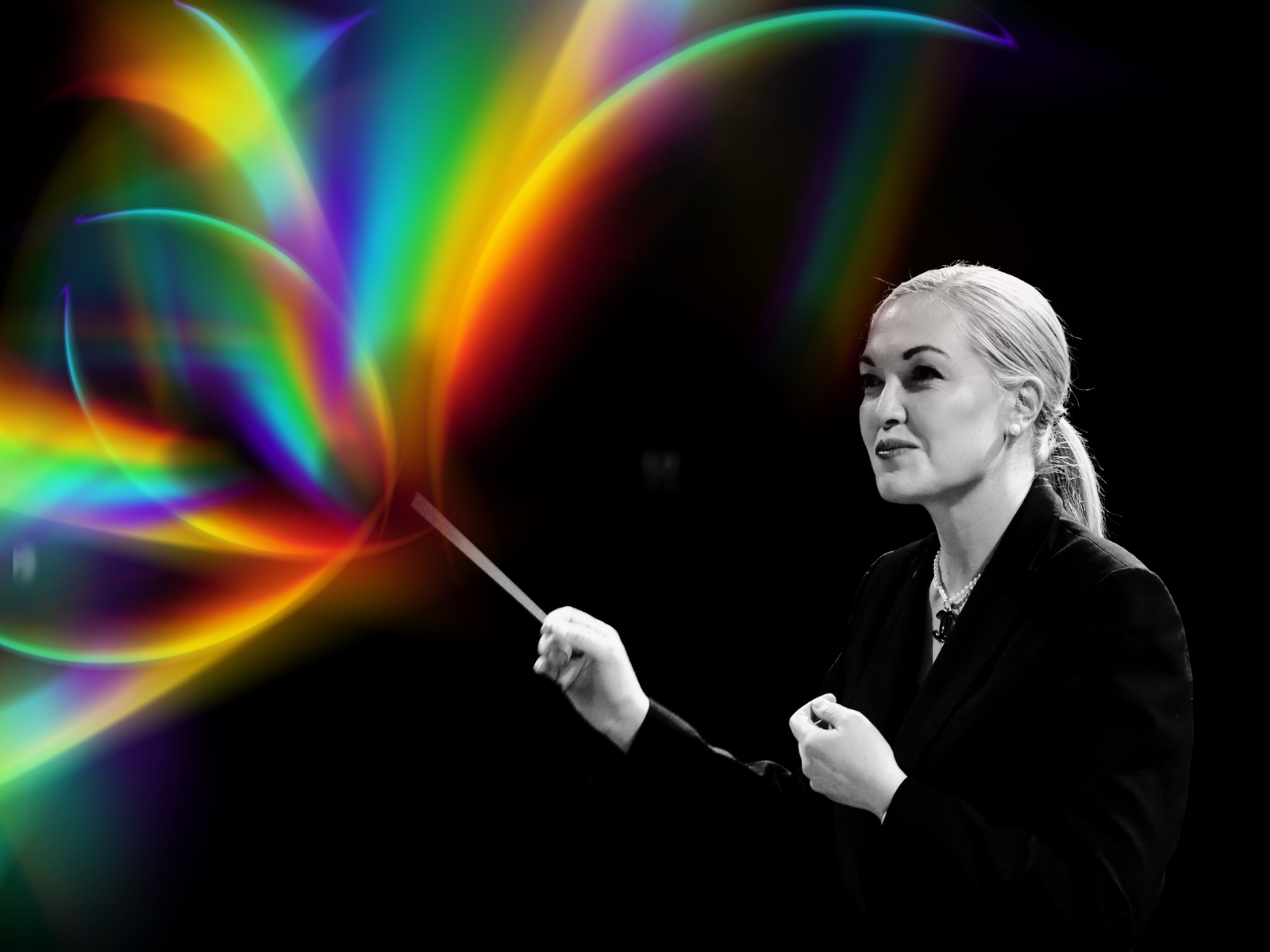
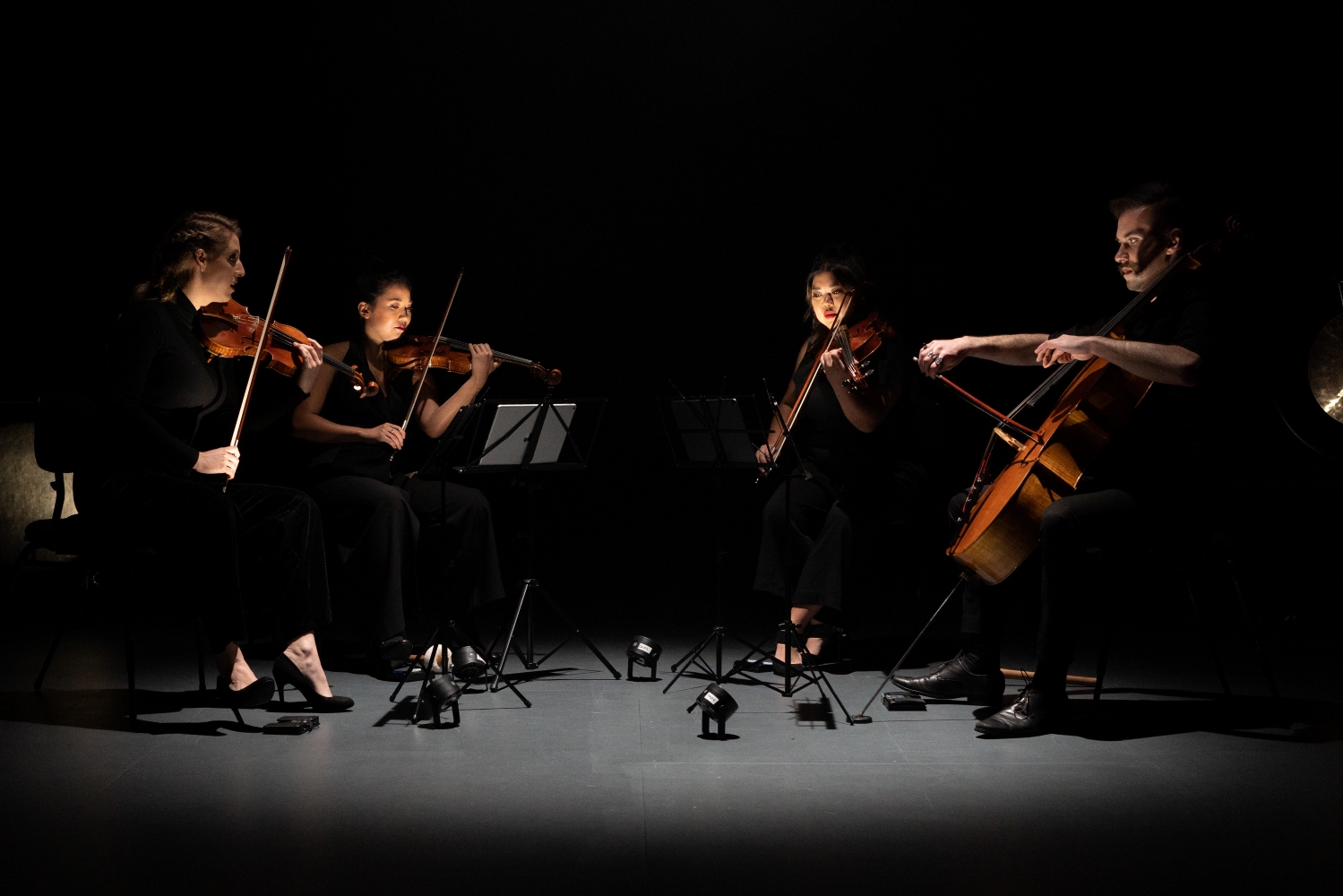
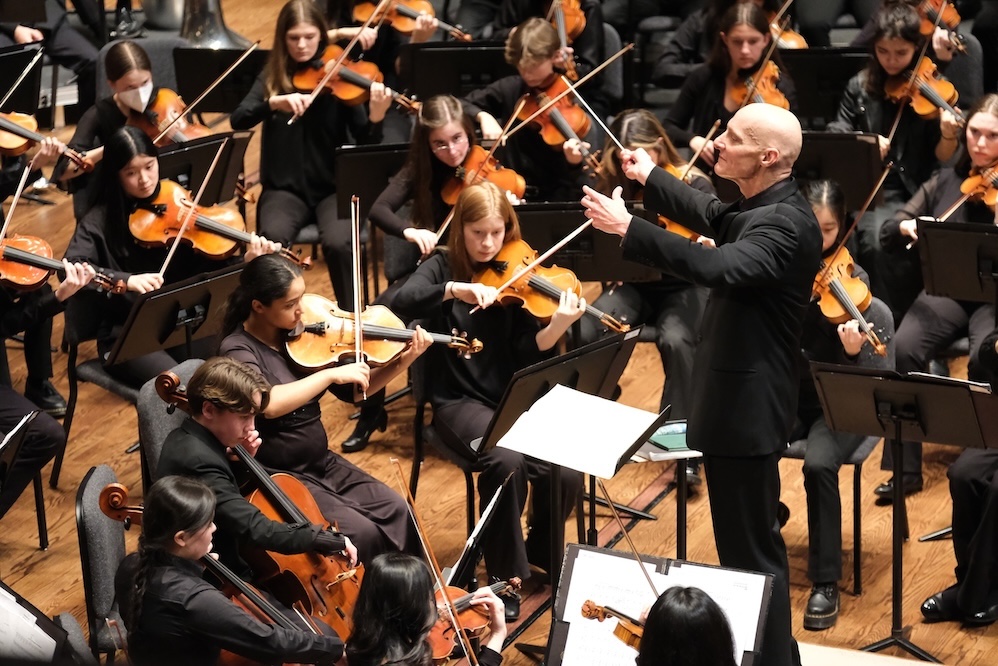
The orchestra performed superbly under Umberto Clerici. He not only feels the music, he seems to smell out the characteristics of the music and imbue his subjects with the flavour. The percussionist Antoine Siguré has a huge role in both works, including the first four beats of the Concerto and he gave his drums such constant attention, high tuning their tension, that he must own a 1915 Bugatti!
Photo Credit: Sydney Symphony Orchestra