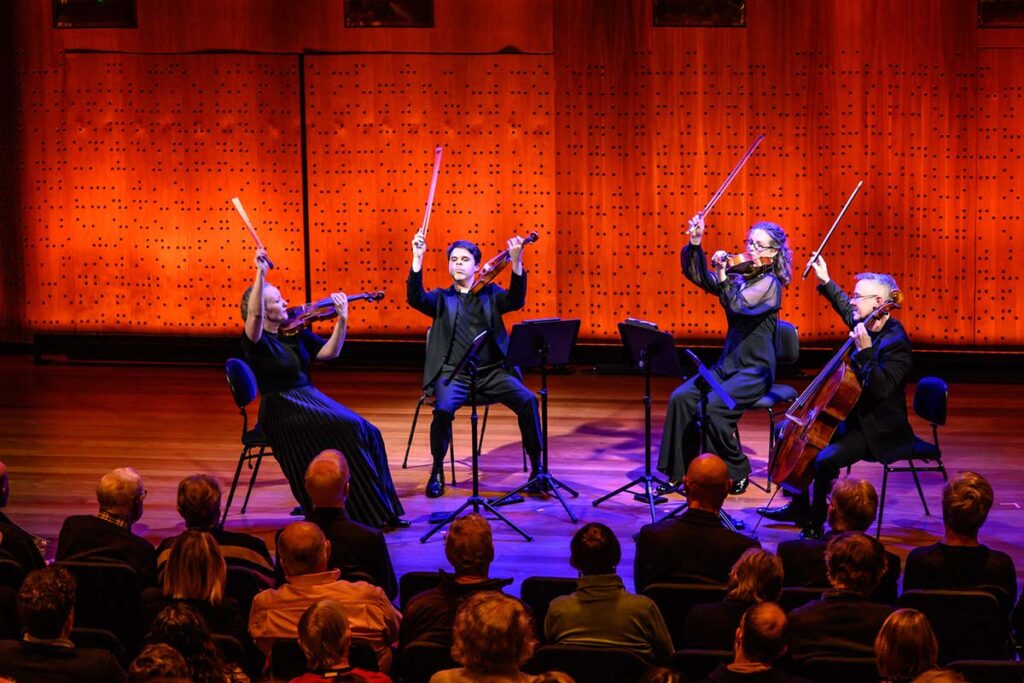
Australian Haydn Ensemble | Haydn’s Miracle
24 August 2025, The Neilson, Walsh Bay, NSW
PROGRAM:
HAYDN: String Quartet Op. 76 No. 6 in E flat major “Fantasia”
SCHUBERT: String Quartet in A minor D. 804 “Rosamunde”
PURCELL: Fantasia in 4 parts No. 8 in D minor Z 739
HAYDN: (arr. Salomon) Symphony No. 96 in D major “Miracle”
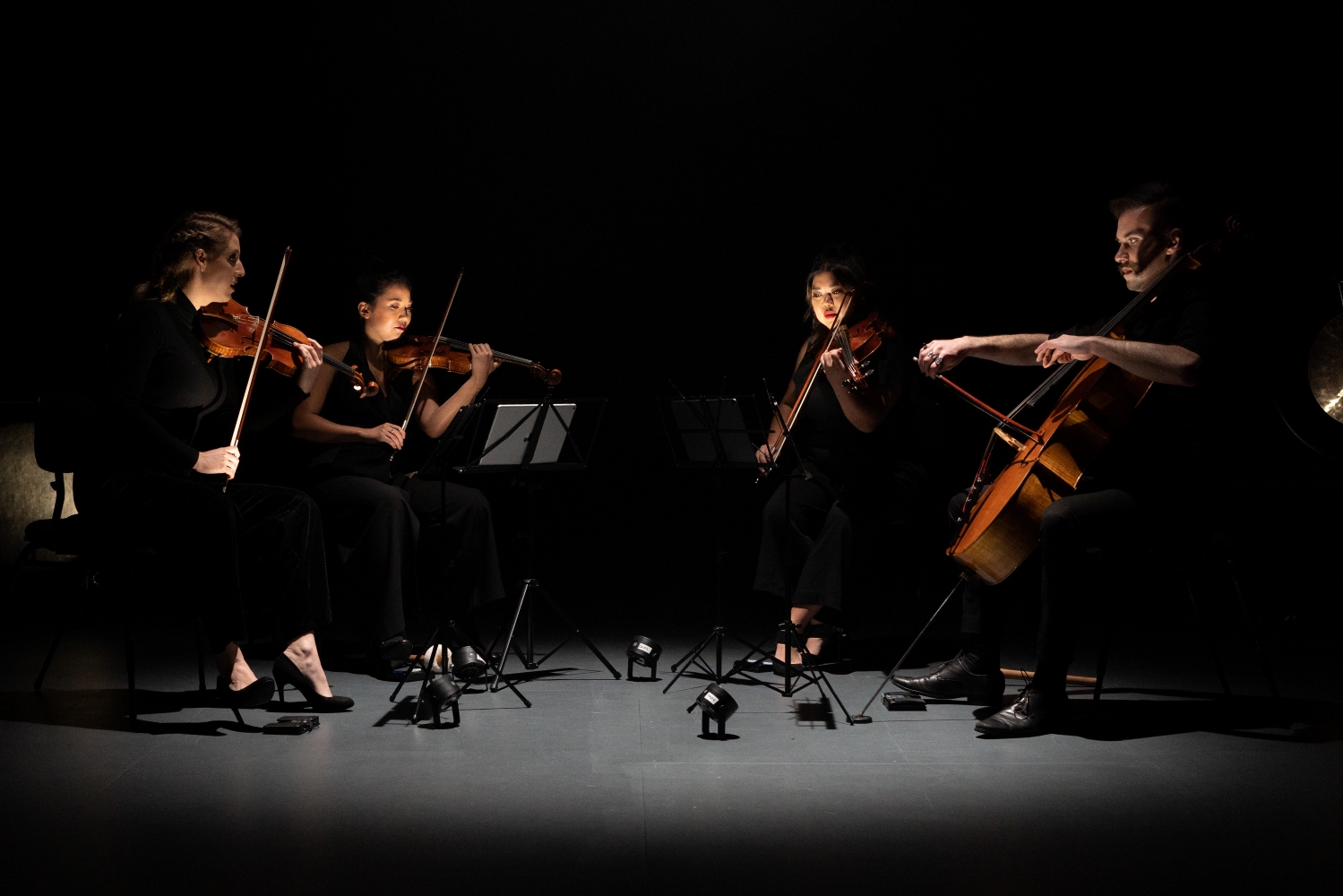
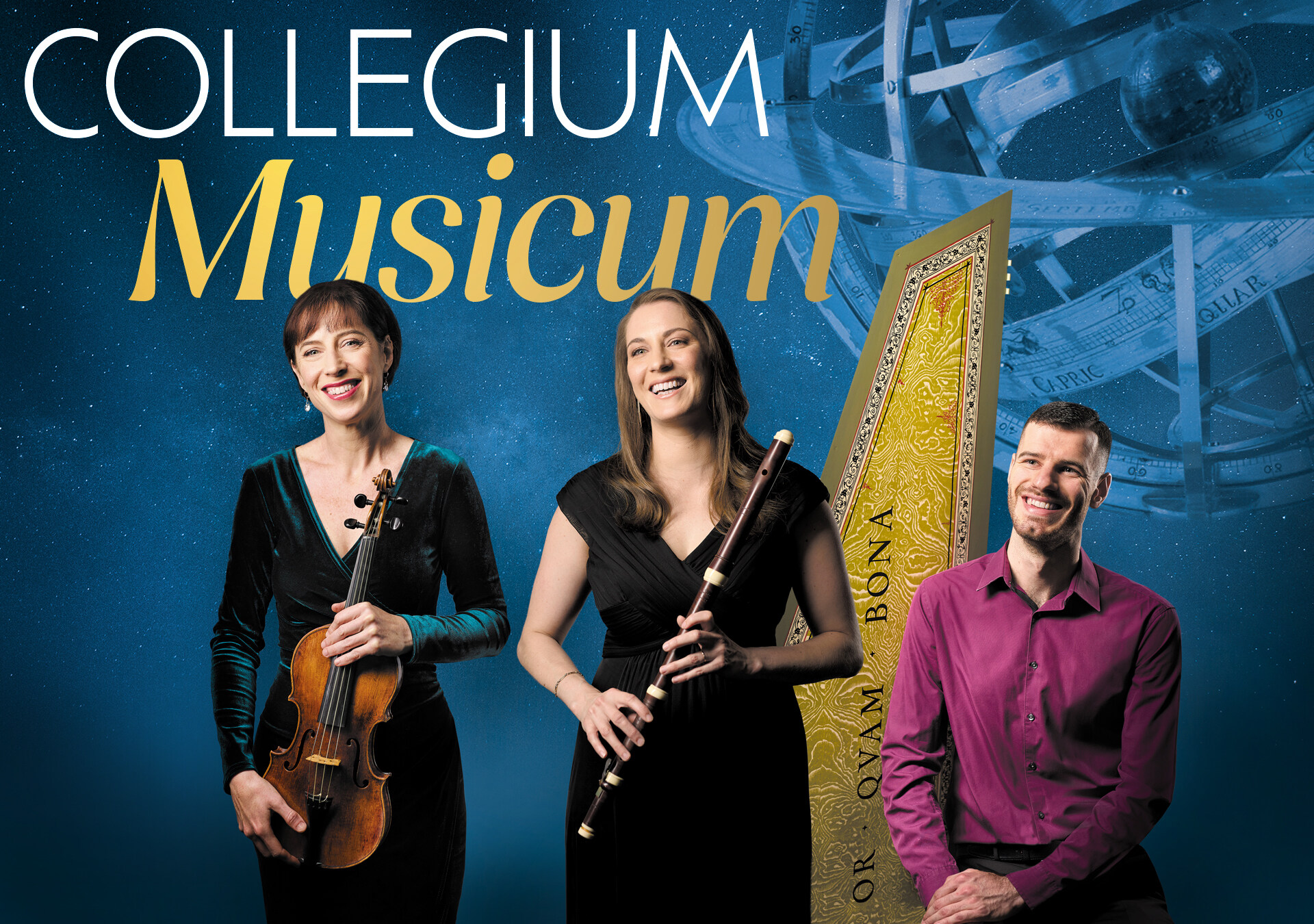
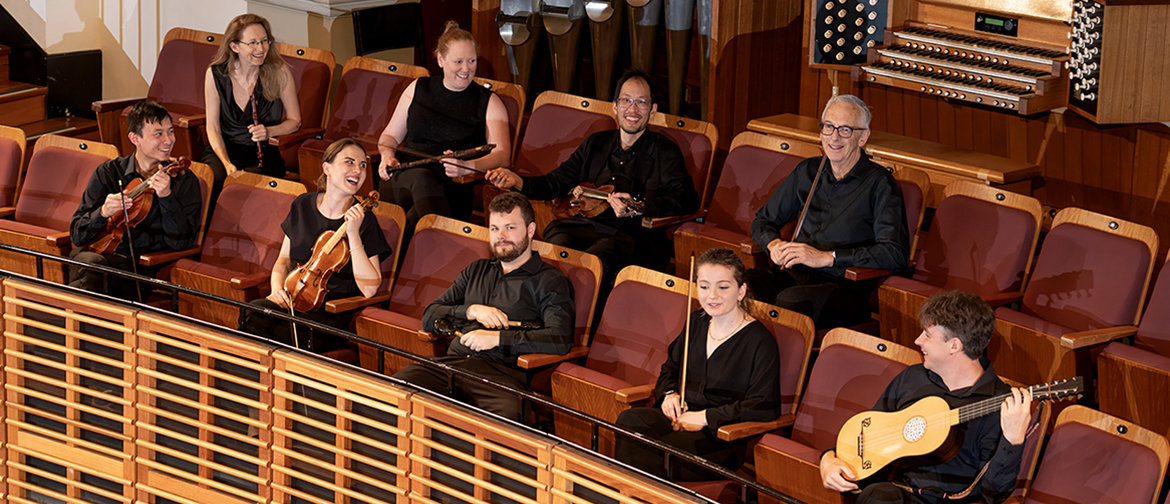
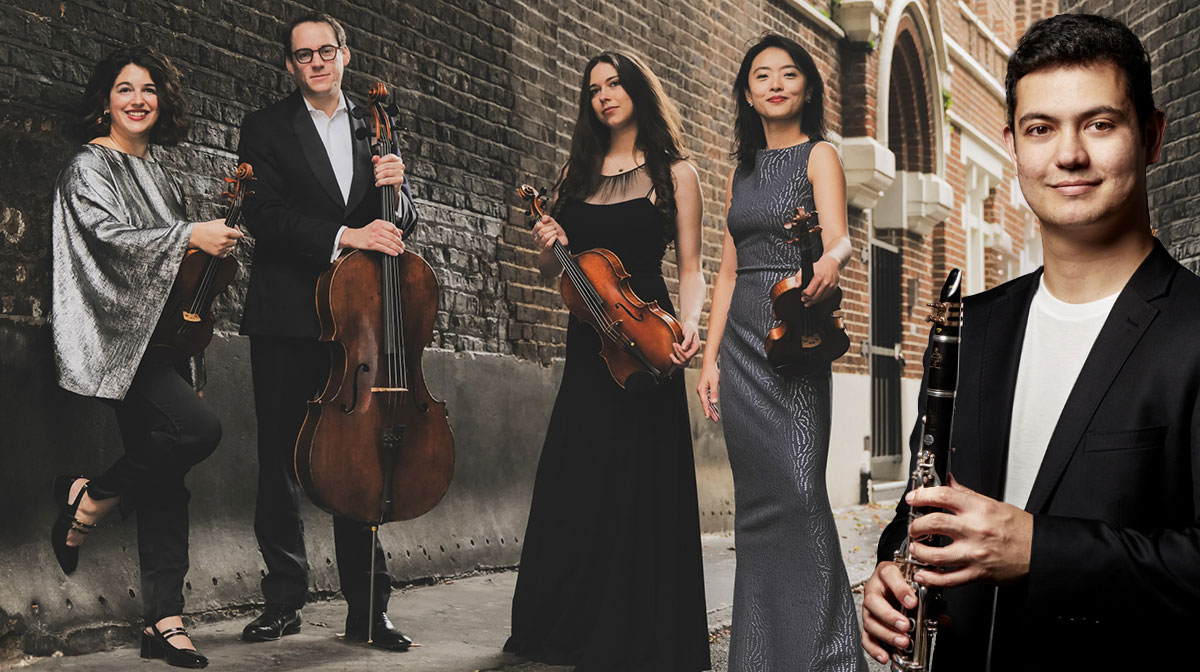
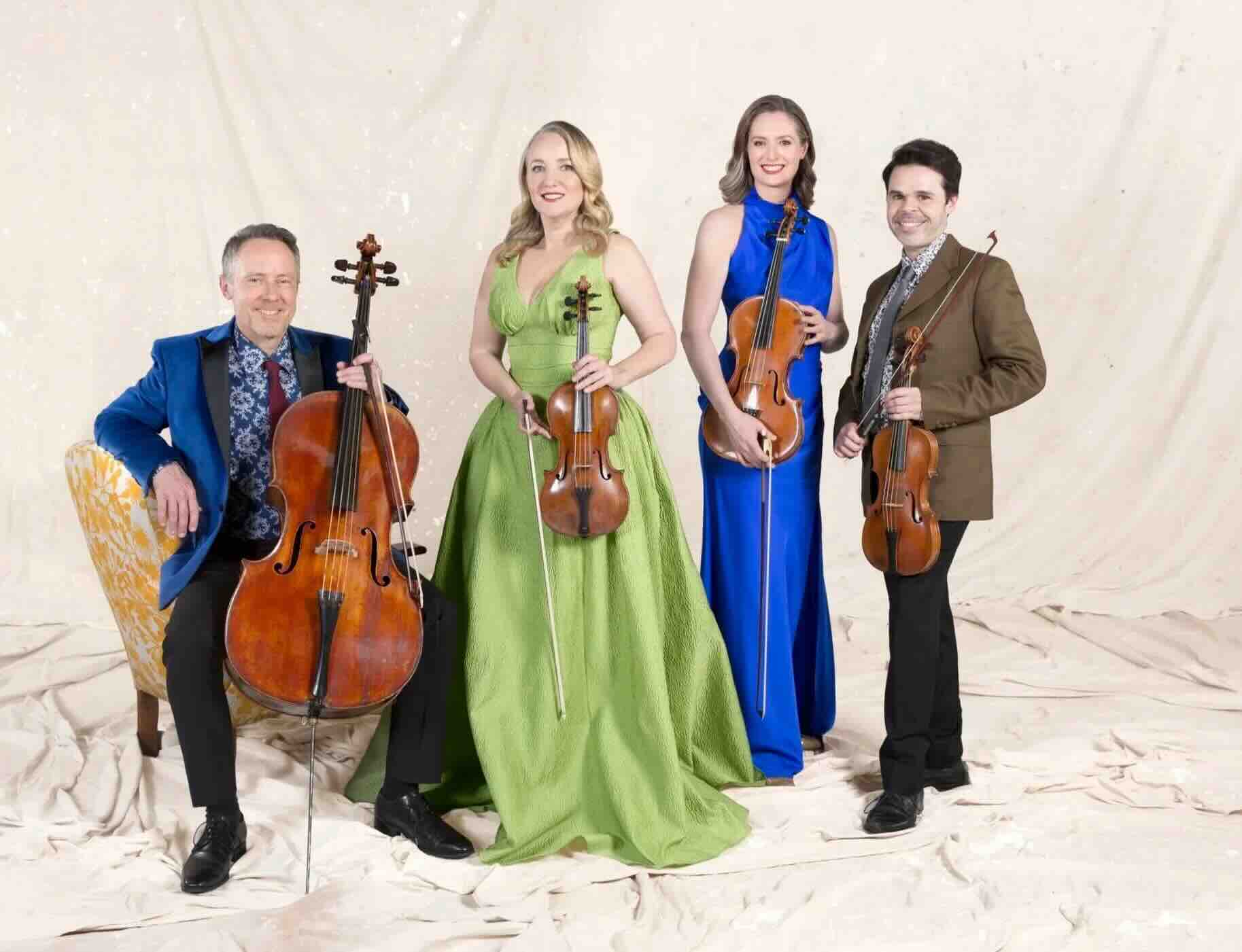
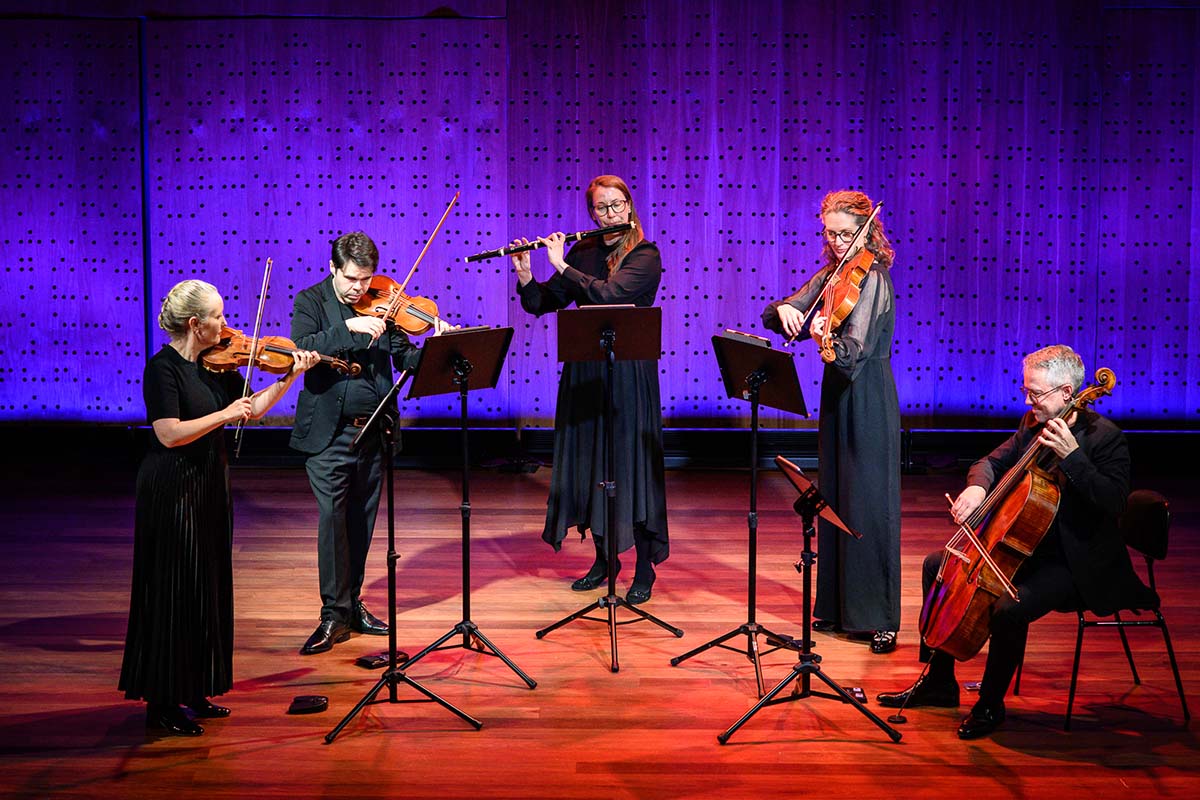
ARTISTS: Australian Haydn Ensemble
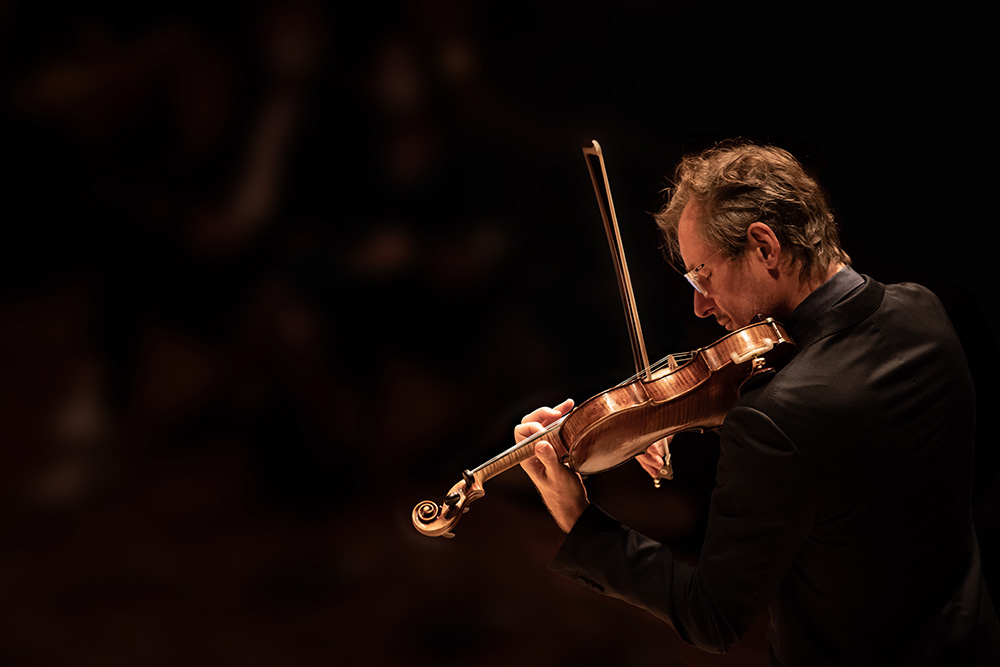
Skye McIntosh: violin
Matthew Greco: violin
Karina Schmitz: viola
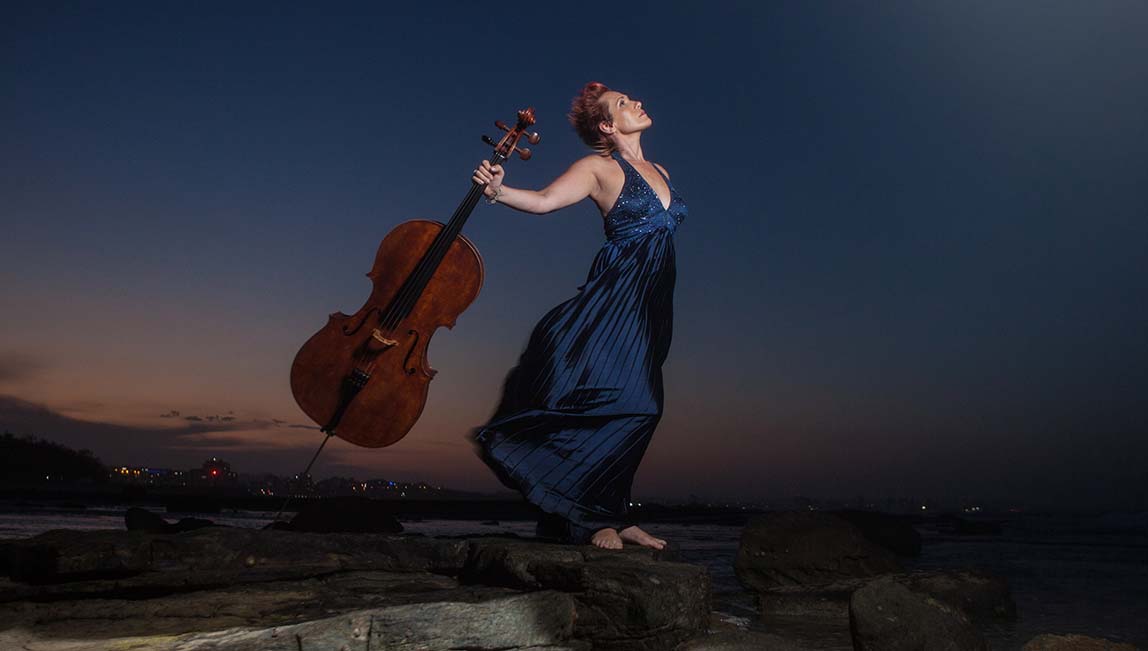
Daniel Yeadon: cello
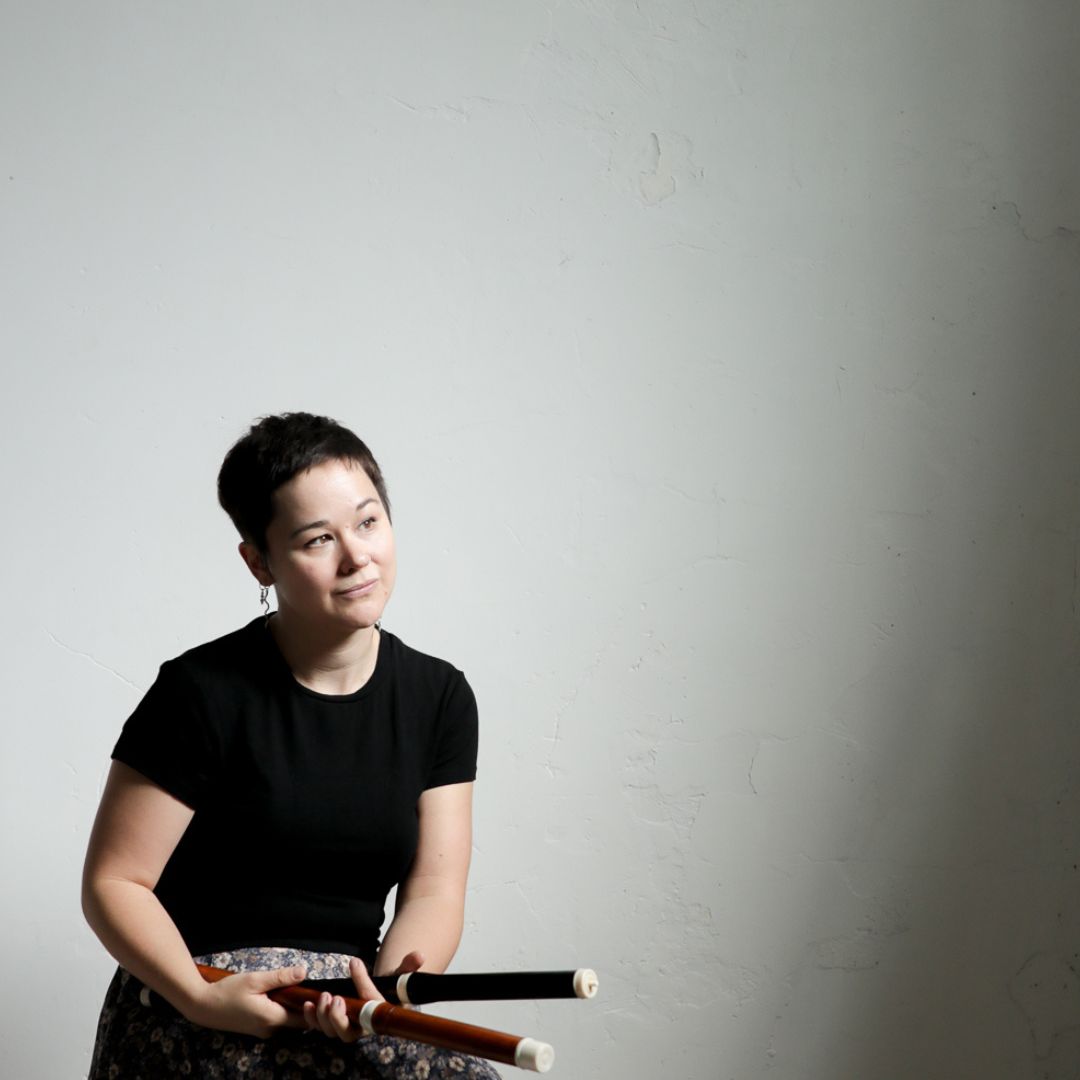
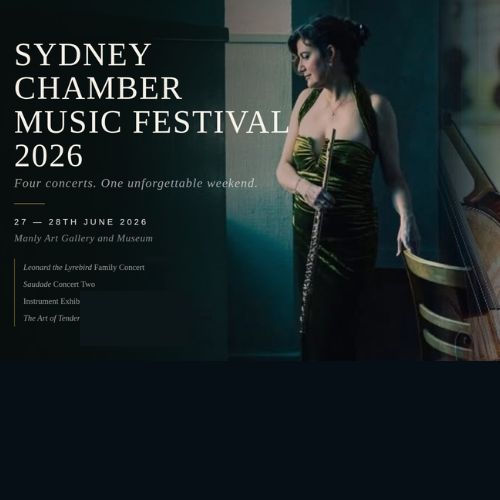
Mikaela Oberg: flute
Haydn’s music is always fresh and full of surprises and works seem to get younger at heart the older he got. The Fantasia quartet is a great example of this. He was 64 when he wrote it; old for someone at the end of the 18th Century. He was always well know for the humour in his music and his advanced age certainly did not turn him stuffy. Anything but. With the experience of decades of musical composition he developed a confidence and self assurance to turn harmony (perhaps the most challenging of all the musical elements) into a sophisticated source of ambiguity and surprise.
The quartet opens with the simplest of 4 note phrases but starts with no key signature, which is strange for a work in E flat. However it immediately begins to wander harmonically in surprising twists and turns, often drifting unpredictably (and bravely) into remote keys. The “first movement sonata form” was pretty much set in cement during the classical period, but Haydn sets it up as an expectation and then gleefully undermines it.
The ensemble rose to the occasion. They did not overdramatise the twists and turns but allowed the composition to speak for itself. This showed both a subtlety of interpretation and a respect for the sophistication of their audience. There was no need to be overt; the audience was riveted. Playing in a chamber-sized auditorium rather than a concert hall meant the Ensemble could use a light touch and minimal vibrato; no need to sacrifice tone quality for projection. This mutual respect between the composition, the performers, their instruments, the acoustics and the audience is what turned a good performance into something of delight.
In contrast to the clear and light earlier classical work, the AHE demonstrated their broad musicality and versatility by playing Schubert’s Rosamunde quartet with an appropriate romantic warmth of tone. This was Schubert’s first mature quartet, written with public performance in mind. The name comes from a play for which he wrote incidental music and he reused some of this material in the slow movement. The quartet was written at the hight of his artistic output, around the same time as his song cycle Die Schöne Müllerin and his other famous quartet Death and the Maiden. The latter is also based on a previous composition, a song of the same name, on a poem by Goethe. But the two quartets are profoundly different. Death and the Maiden is tempestuous and dramatic, while the Rosamunde is lyrical and restrained. Schubert was struggling with illness, depression and moral conflict resulting from his syphilis infection, so the Rosamunde is rather dark, melancholic and often in minor keys.
Not only is the composition mature, but the performance was too, and hence there was much to be admired. We find for example a touching gentleness in the soft passages, accurate control and intonation in leaps to high notes, and an intuitive togetherness in the texture and rhythms.
The Purcell piece, which these days is often performed by string quartet, was originally written for viol consort and as such would have sounded gentler with a somewhat more reedy tone. It was nice as a brief filler but sat a little outside the otherwise historically informed program.
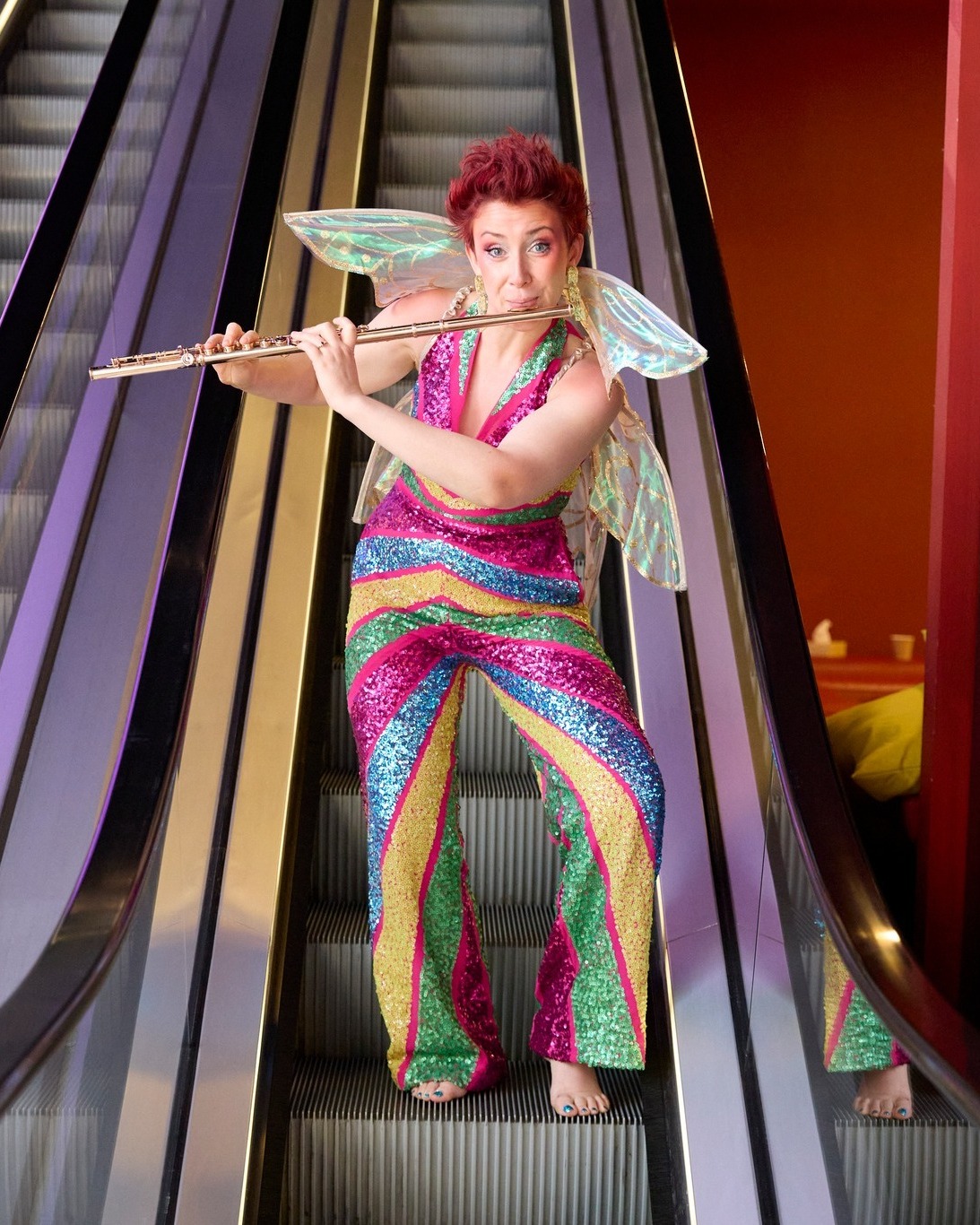
Before the event of recordings, larger scale works were not that readily available to the public, so there was a strong tradition of transcribing these for piano or smaller chamber groups so that they could be played and listened to in the home. Salomon was the entrepreneur who had brought Haydn to London where he composed his most famous “London” symphonies of which No 96 is one. While these symphonies were widely performed, Salomon made quite a lucrative business from producing reductions for all of them. In fact, he often released the reductions before the full orchestral parts were available. In this concert the piano is dropped from the quartet and flute of the original, but there is some historical justification for this practice. It makes for a clearer texture. The music becomes more about the melodies and interplay of voices than an attempt to emulate the sound of the orchestra. The classical flute played by Mikaela Oberg added an interesting dimension to the string quartet and her cadenzas were exquisite.
This was an inspiring and thoughtful concert and the AHE deserves congratulations.
Photo credit: Oliver Miller