Arcko Symphonic Ensemble & Six Degrees Ensemble | 180 Years – Music of Helen Gifford and Nigel Butterley
October 11, 2025, Jolted Arts Space, Northcote, Vic
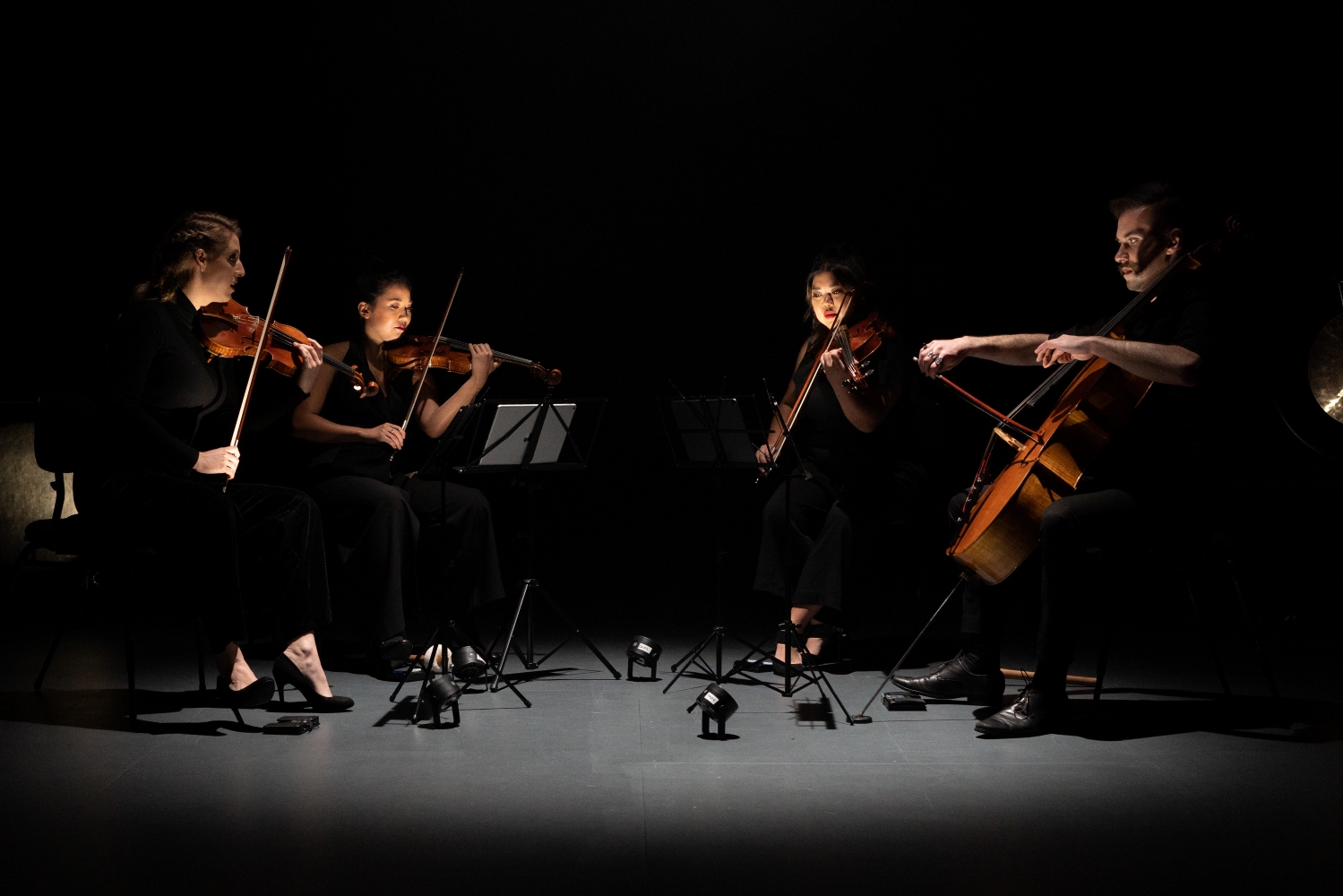
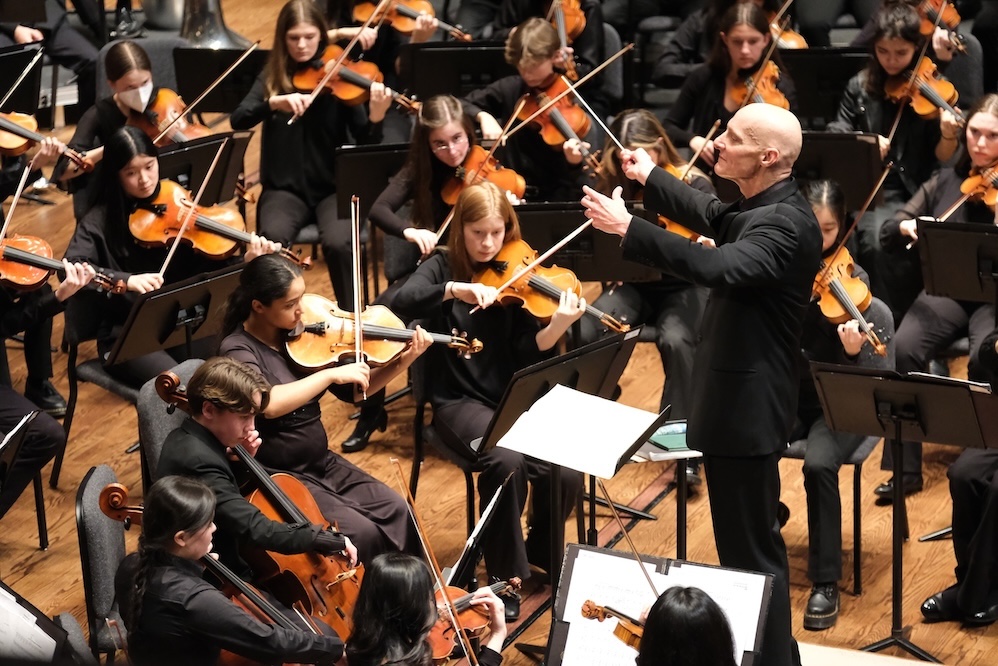
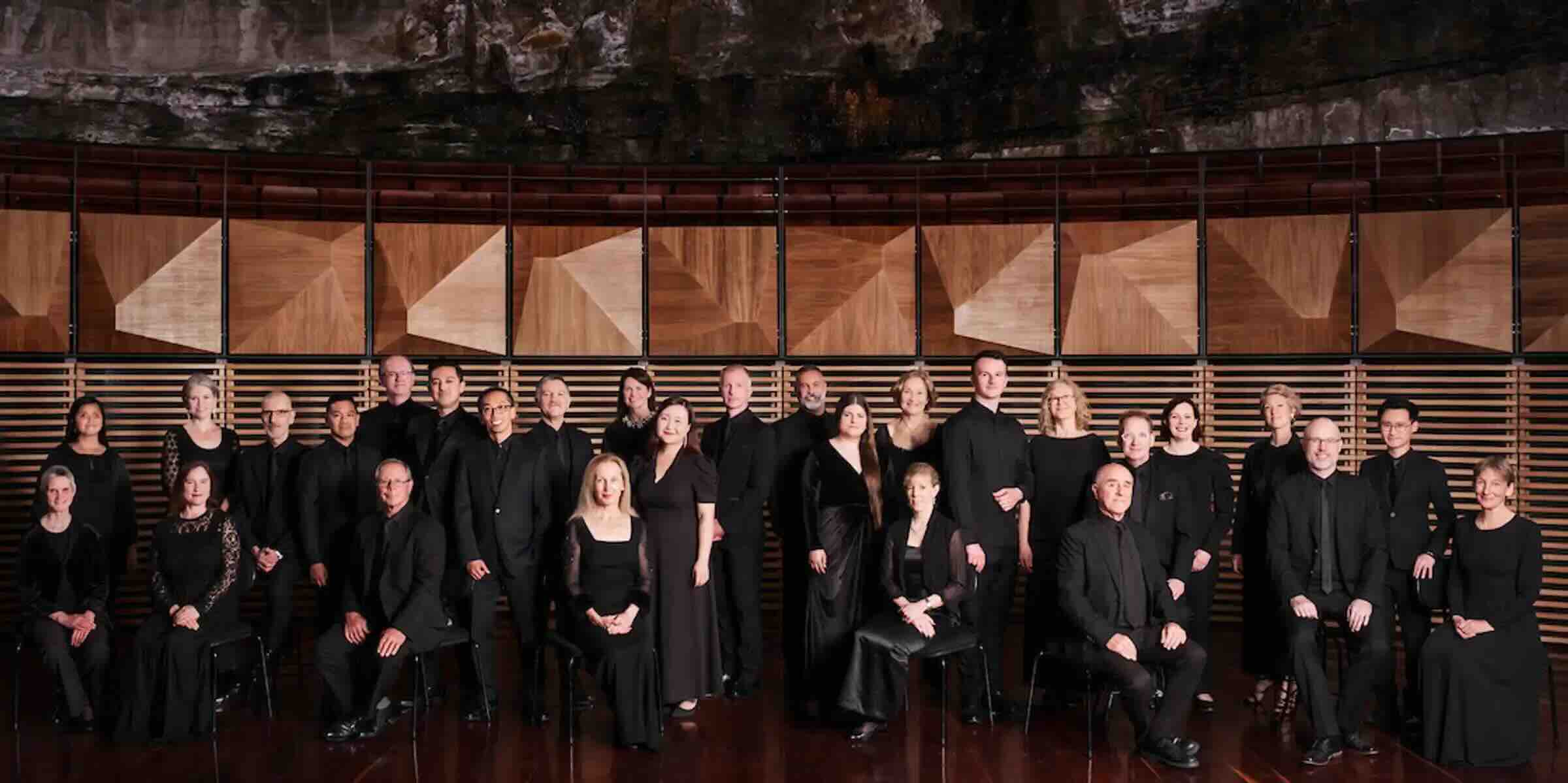
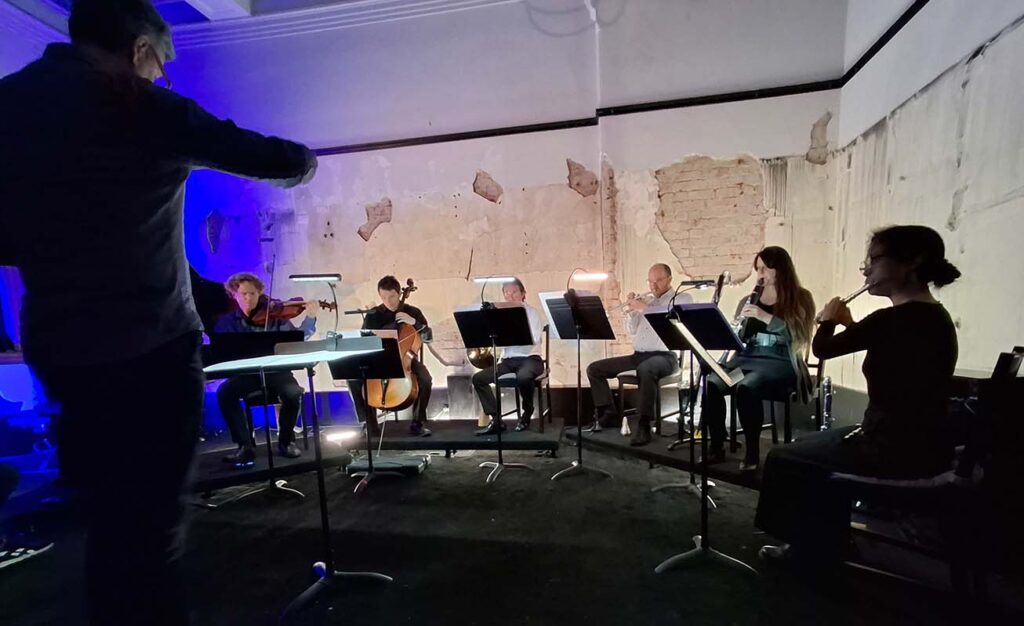
When we think about post-war atonal modernist music, we often consider Boulez, Xenakis, Stockhausen and their ilk, and without doubt, these composers are giants on the modernist landscape. There are, however, certain Australian composers whose music is equally captivating and innovative. “180 Years – Music of Helen Gifford and Nigel Butterley” was the title of a musical celebration of two of Australia’s most distinguished heritage composers, Helen Gifford and Nigel Butterley on the occasion of their 90th Birthday Year. Works spanning the years from 1963 to 2012 were performed by artists and guests from two groundbreaking ensembles, Arcko Symphonic Ensemble and Six Degrees Ensemble, under the direction of Timothy Phillips.
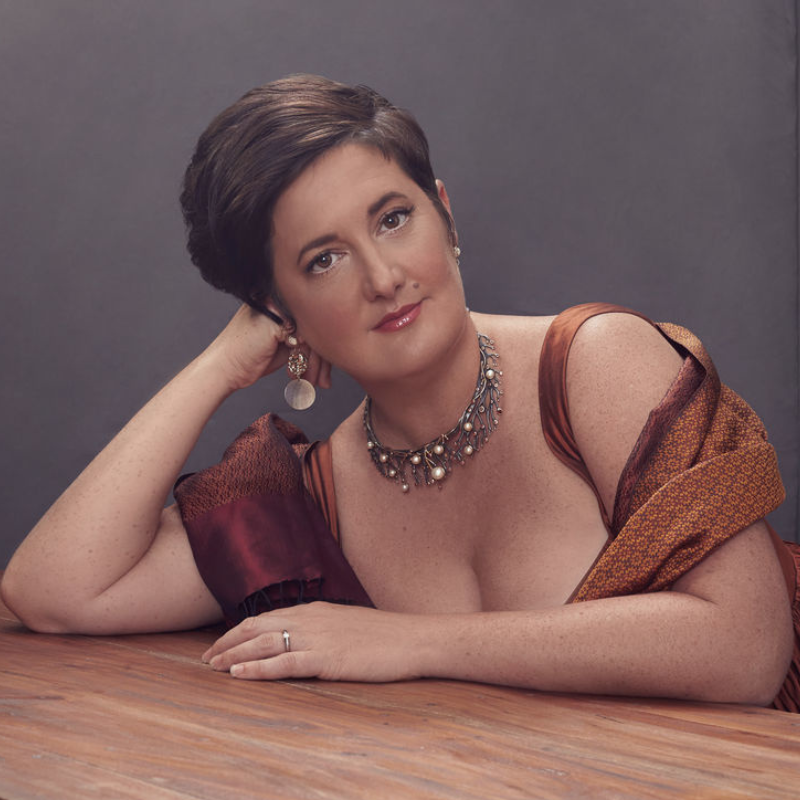
From the very first note, this event proved to be an example of not only sophisticated composing, but also a visible and audible display of musicians exhibiting absolute refinement of their playing and virtuosic control of their instruments. Gifford’s ethereal Music of the Spheres featured musicians concealed around corners and behind doors, giving Justine Anderson’s soprano voice a detached, almost ghostly character alongside Karen Heath’s clarinet and Peter Neville’s tam-tam.
Composed in 1963, Butterley’s Laudes is a work for ensemble. Its four movements travel through various moods and dispositions, moving form stark, pointillistic sounds at its beginning through to legato ensemble playing, but always generating a sense of edginess and uncertainty. The second movement, featuring more ensemble playing, is more settling but it is the third movement that is entrancing, displaying what is a significant achievement of successful modern music. This section provided the listener with the impelling impression of moving forward, despite the lack of any audible pulse. Butterley’s masterful command of composition was amply evident in this work, its fourth movement featuring an energetic and virtuosic piano solo from Peter Dumsday.
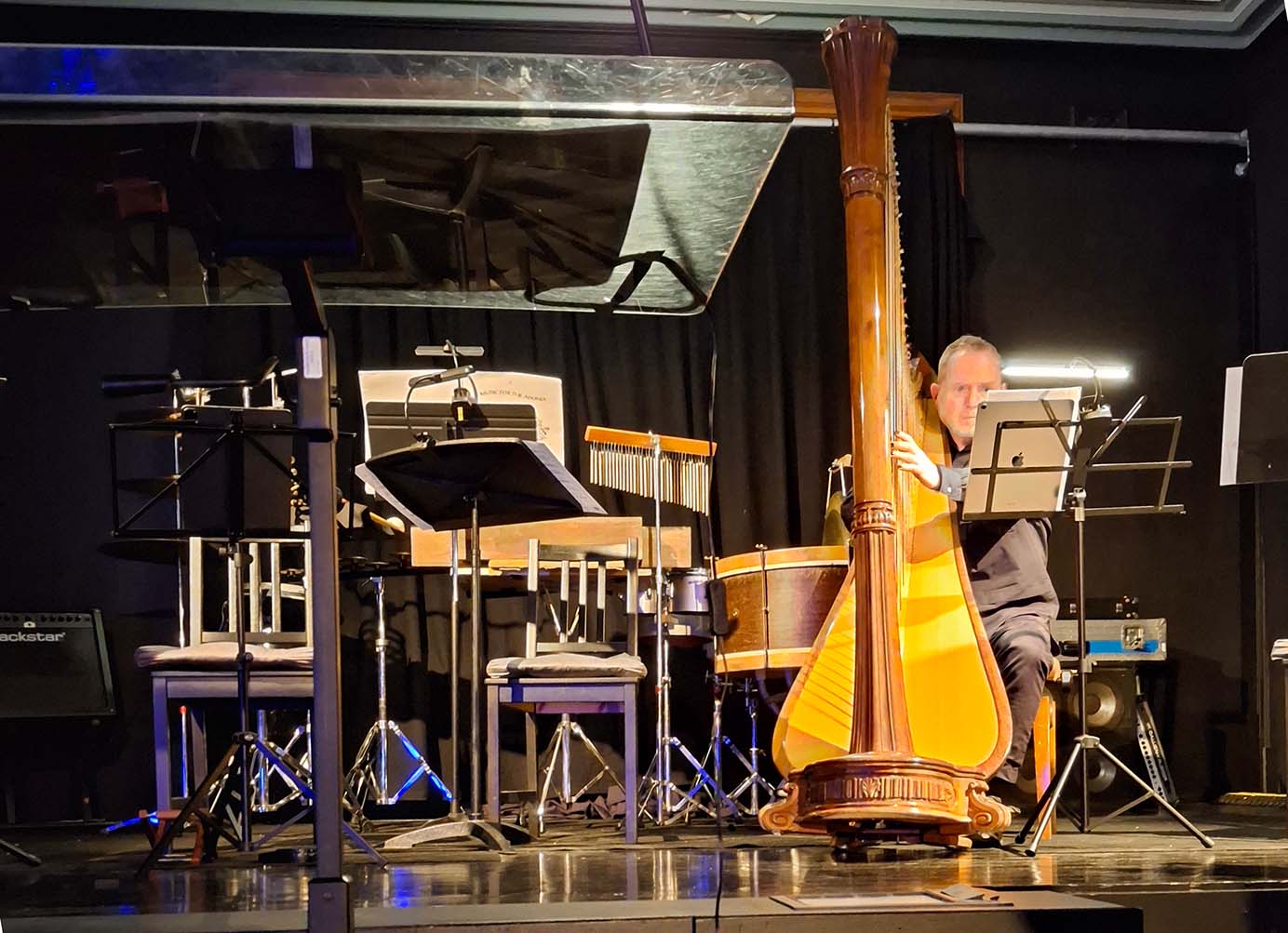
Gifford’s Fable for solo harp displayed the prowess of harpist Marshall McGuire, as he weaved his way through the work using a full range of dynamics, arpeggios, chords, and loud, distorted plucks on bass strings, taking listeners on a jolting yet fulfilling musical journey.
Butterley’s Three Whitman Songs for soprano and piano provided the audience another opportunity to experience the breath-taking talents of Justine Anderson and Peter Dumsday. These songs started with a dissonant, pointillistic piano part on low notes, progressing to jarring chords that were offset and dominated by the voice. The second, longer song also employed dissonant points of piano sound pitted against a legato voice, with the third song bringing the piano to the fore, with a high-pitched vocal line providing a mysterious, unresolving sensation to listeners.
In Forest 11 for trumpet and piano, Butterley employs the muted trumpet to provide a plaintive and haunting ambience, while slow and increasingly softer passages on the piano escorts listeners to an enigmatic, troubled yet beautiful space. A masterly performance from Bruno Siketa on trumpet.
Helen Gifford’s two works, Siva for solo piano, and Music for the Adonia for soprano and eight instruments, completed this immensely satisfying musical event. Siva showcased the talents of Peter Dumsday as he angrily and intensely slammed the keys of the piano, creating powerful waves of sound, at times punctuated by silence, then graduating to gentle, lyrical passages to end the work. Music for the Adonia was a fitting way to conclude this event. Using only vocal sounds and not complete words, this brilliant but challenging piece was a harrowing expedition into a sound world that exemplified modernism at its best. Breath sounds rather than pitches on the flute and clarinet, a vast array of eerie percussion effects, and disjunct, ghostly playing from other ensemble members ensured a turbulent yet enormously fulfilling experience.
Congratulations to Timothy Phillips, Arcko Symphonic Ensemble and Six Degrees Ensemble, and all involved for honouring the 90th Birthday Year of two of Australia’s most substantial composers.
Photo credit: Paul Moulatlet