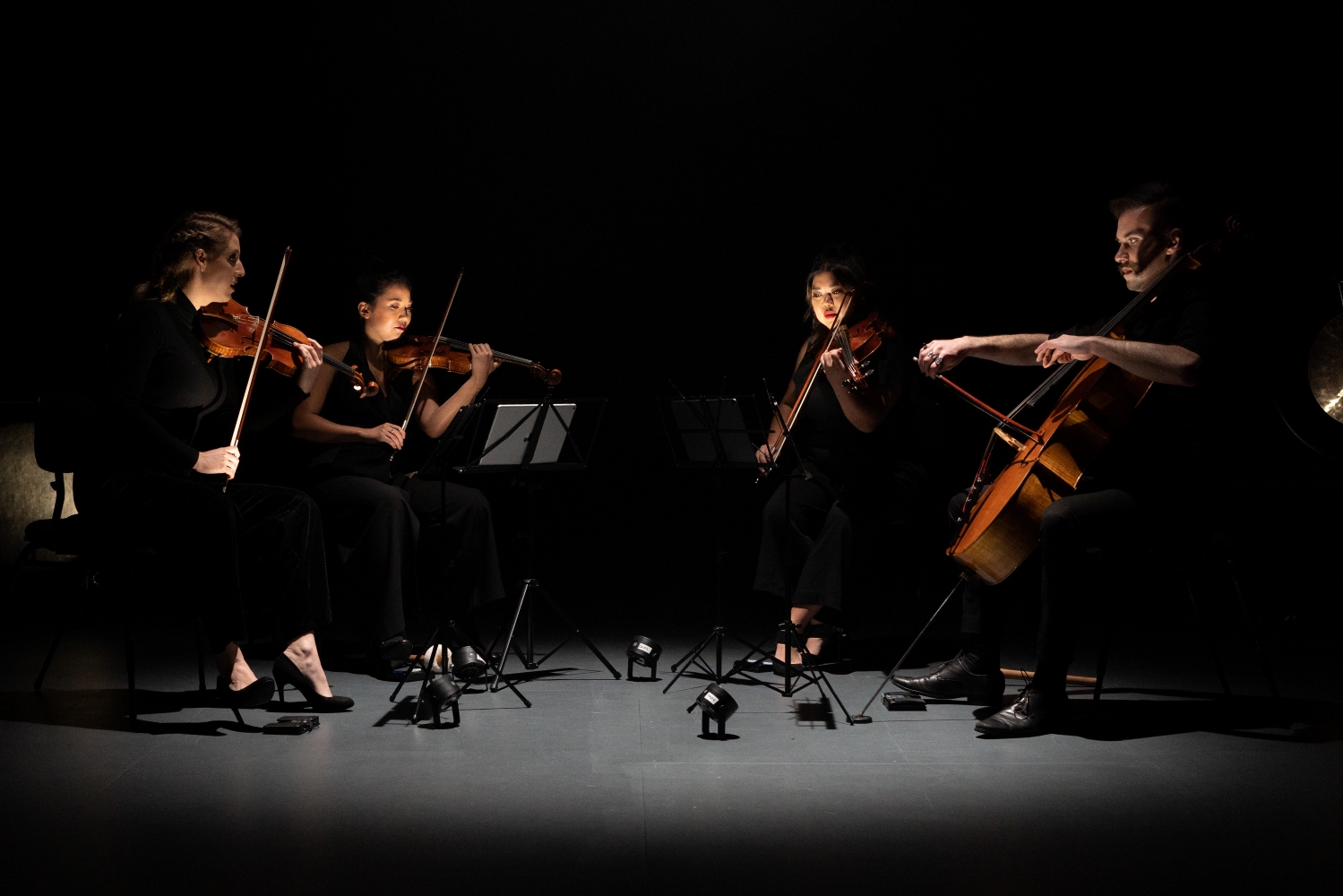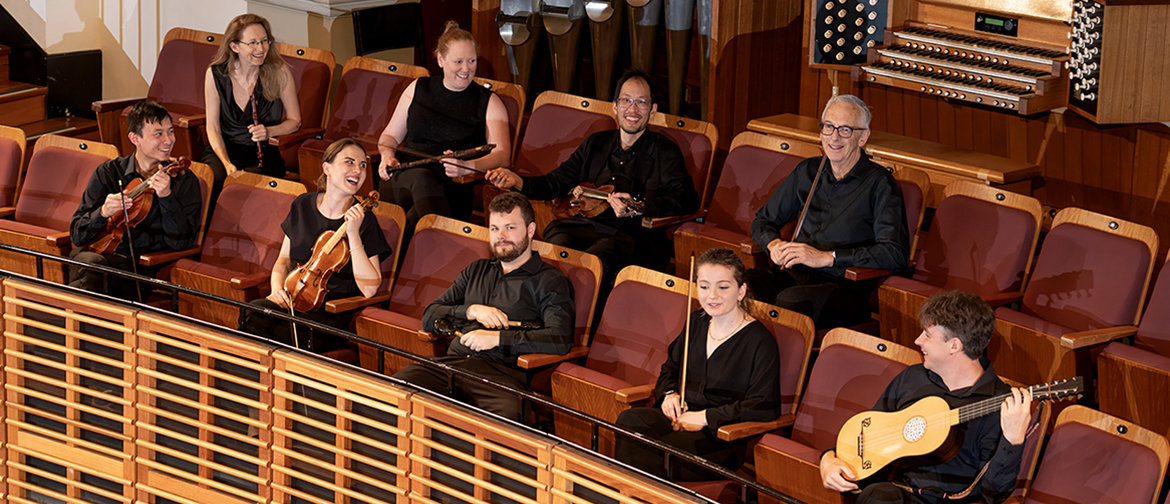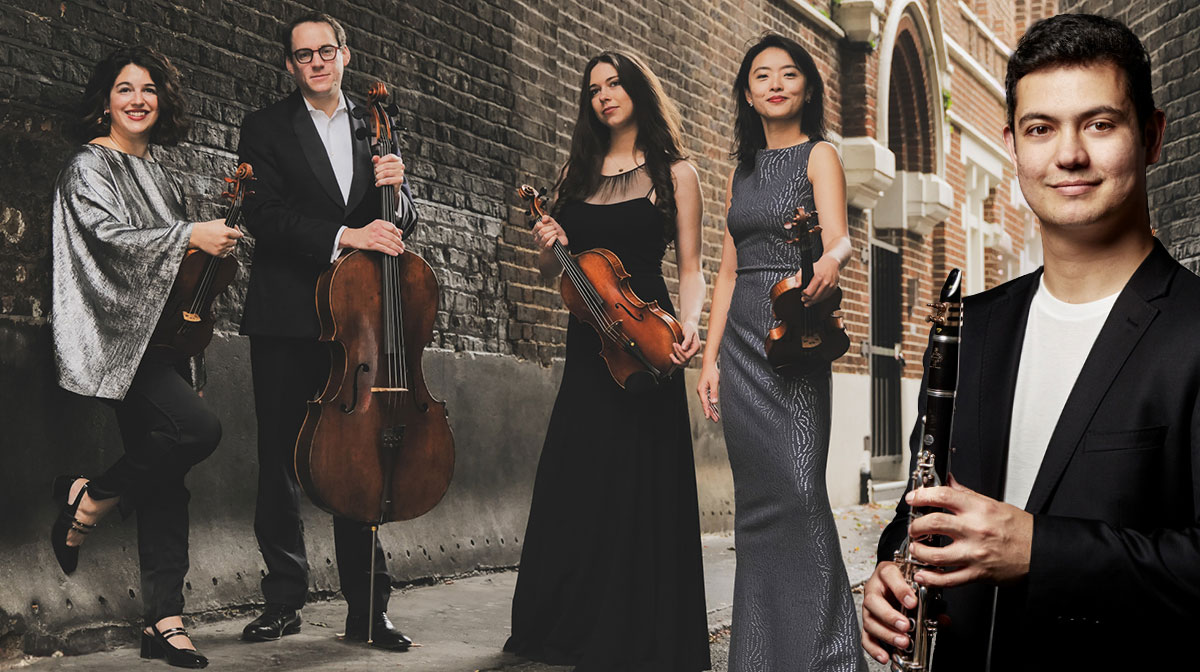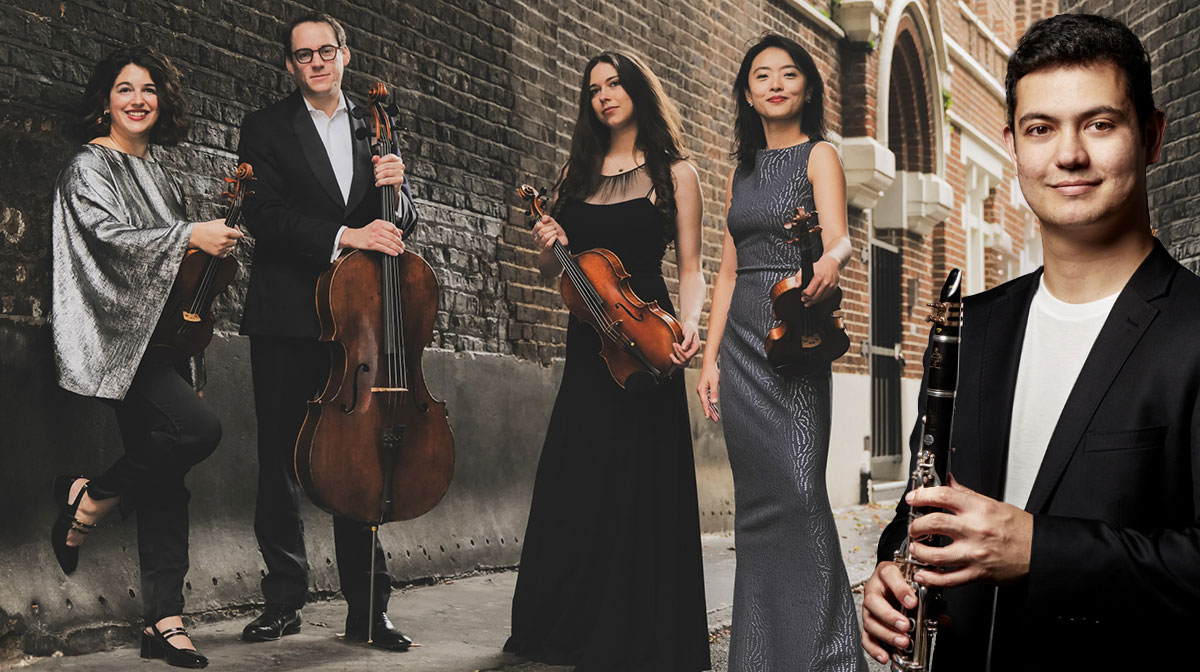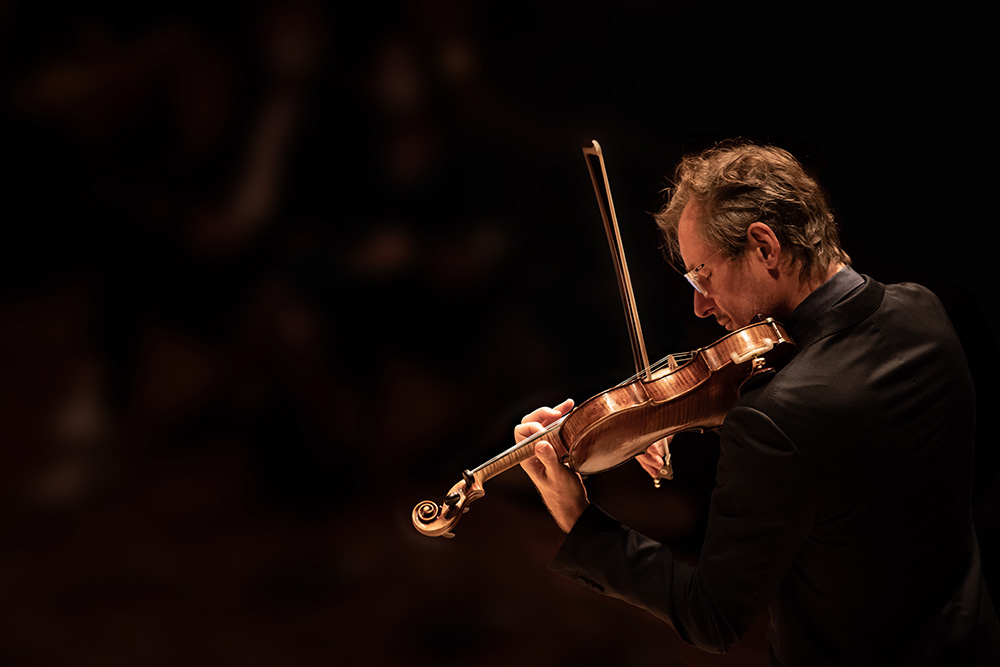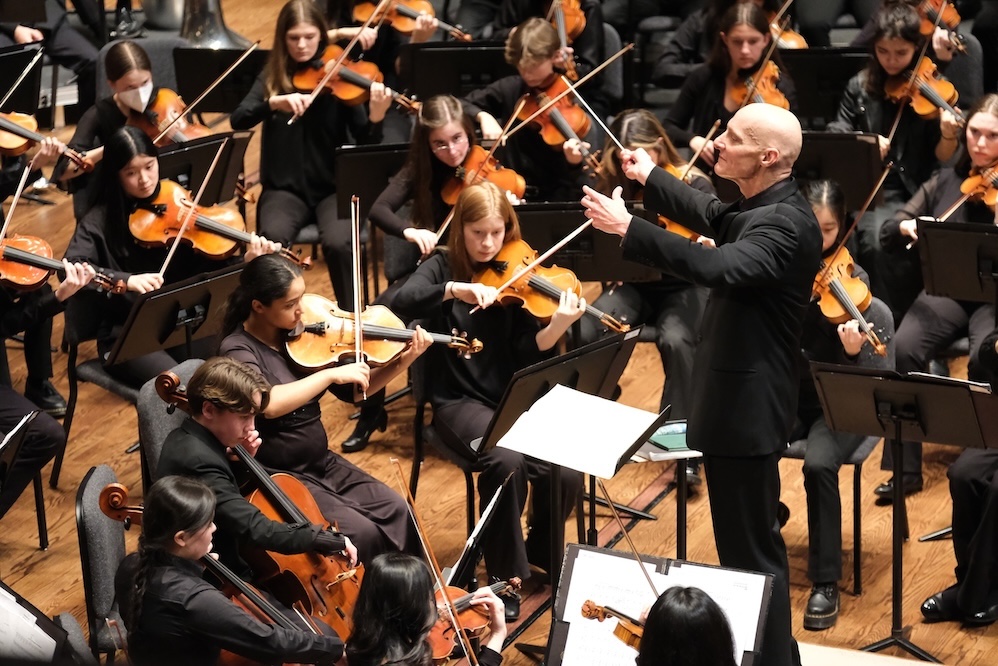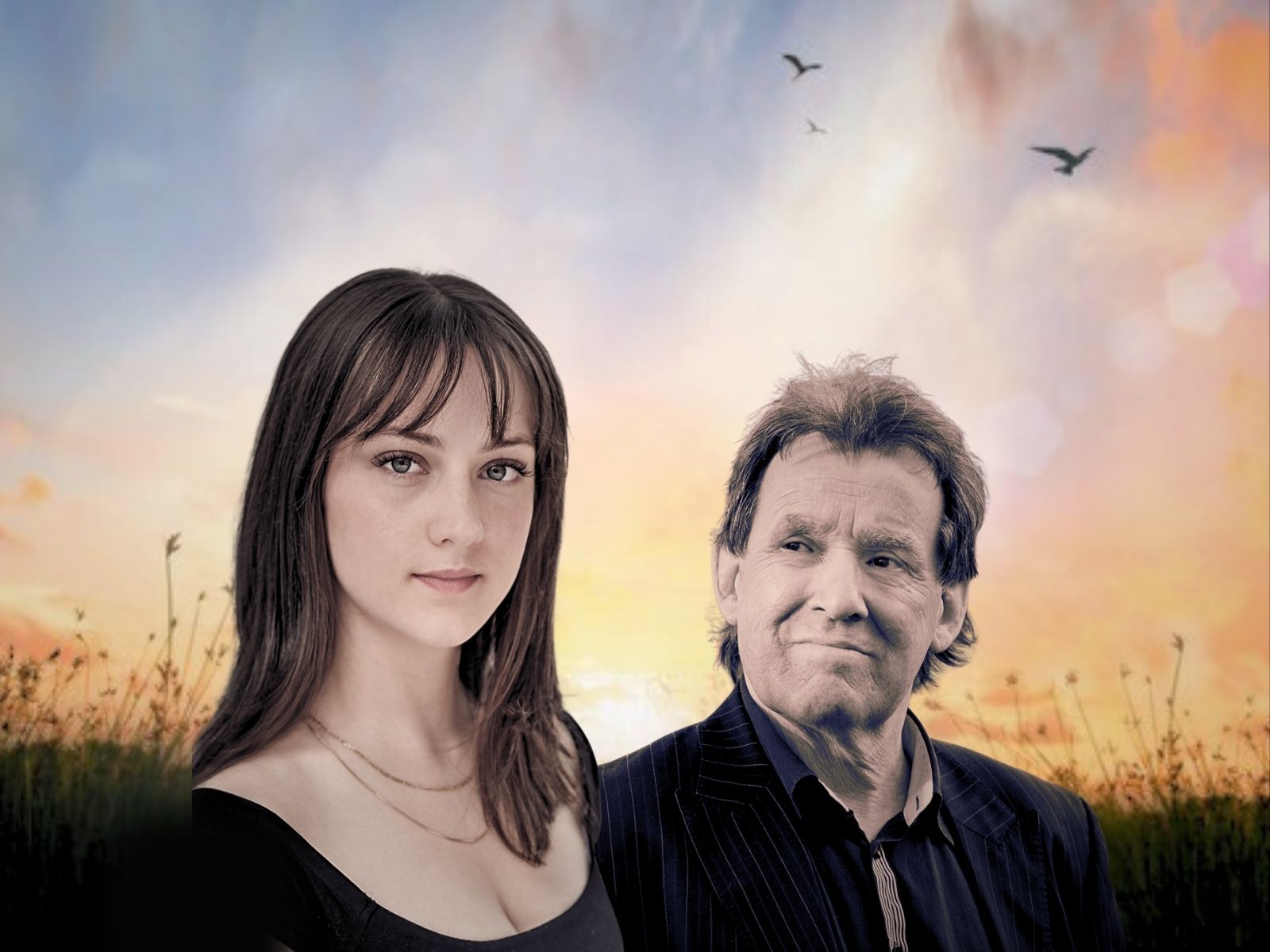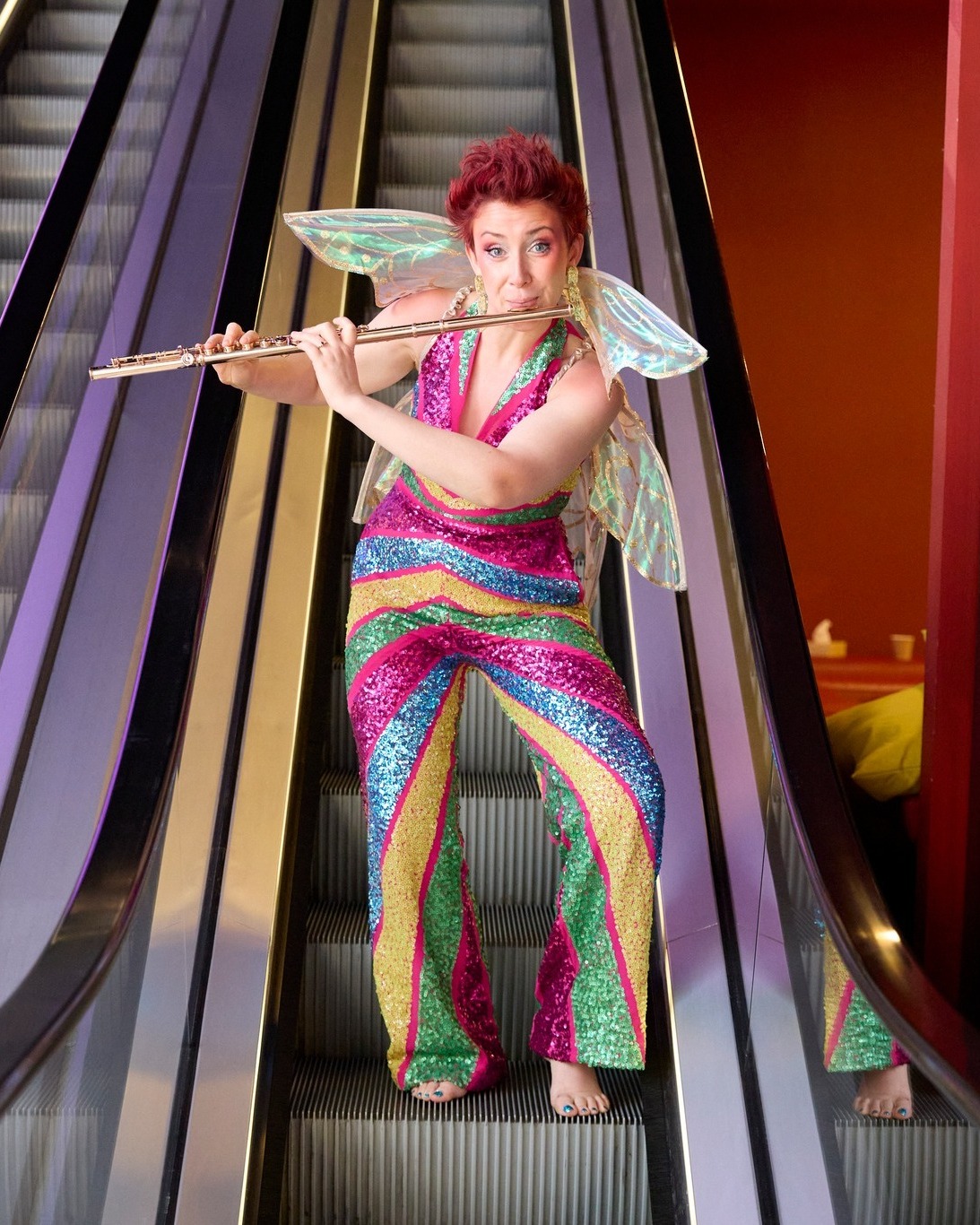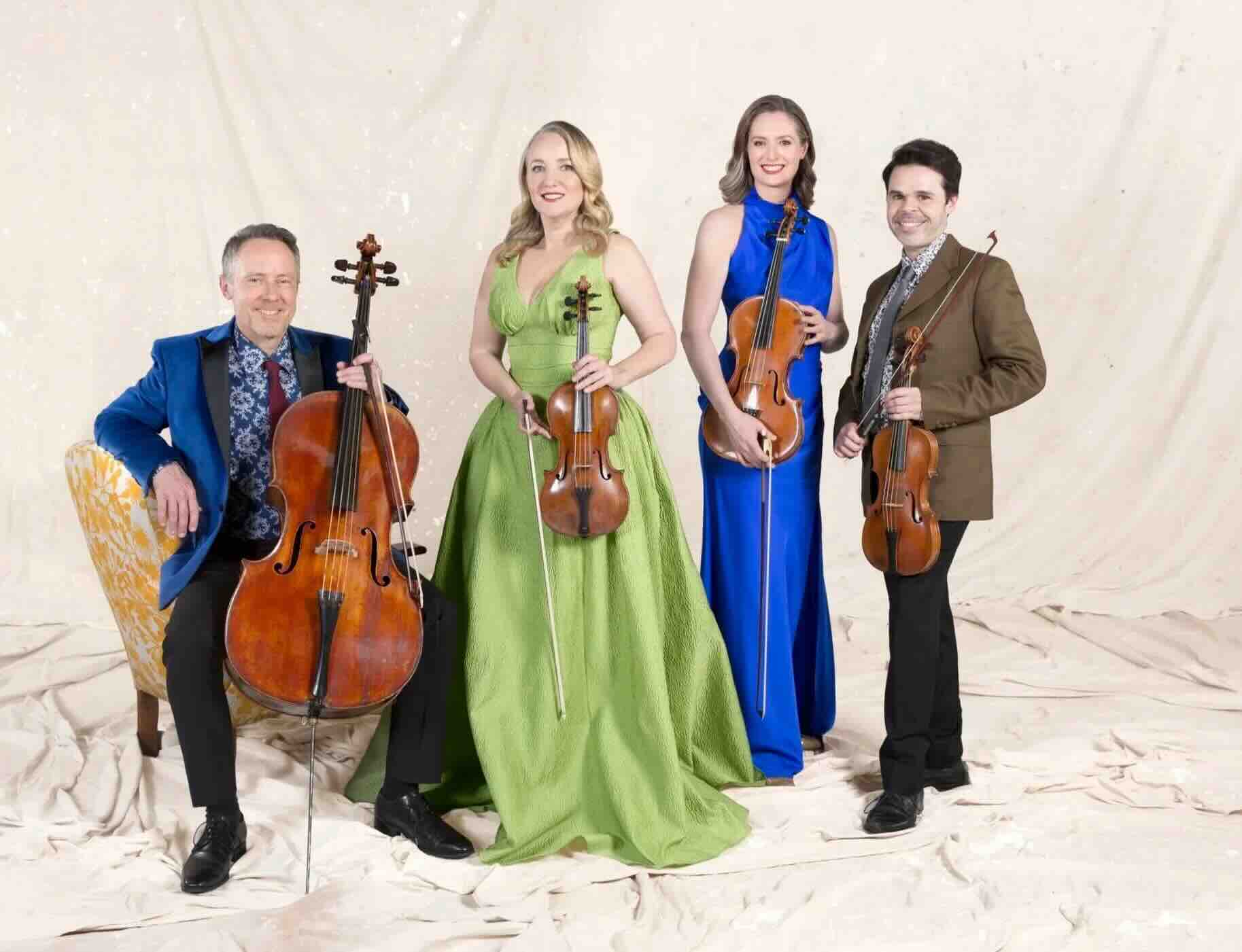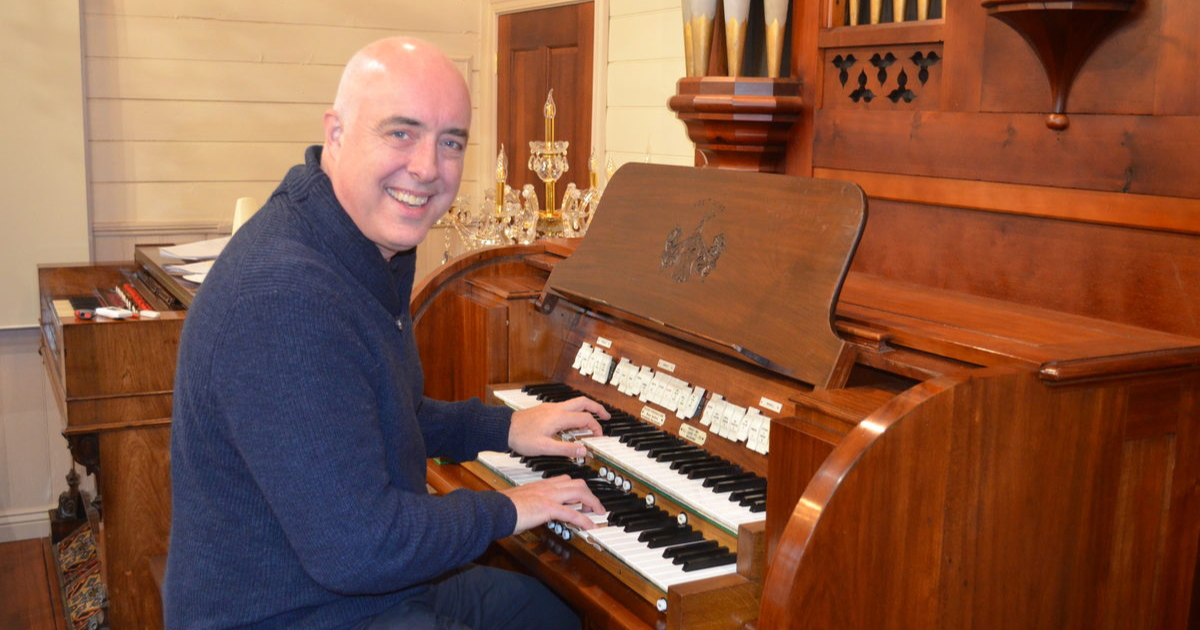
Throughout the month of May, Steel City Strings – an APRA Award-Winning string ensemble hailing from Wollongong, NSW – launched a fundraising campaign to keep the music going through the pandemic and help the orchestra stay alive to make it out of performance restrictions.
In association with the Australian Cultural Fund, Creative Partnerships Australia and Wollongong City Council, the chamber orchestra have raised funds for an online concert by their quartet to be broadcast online in July.

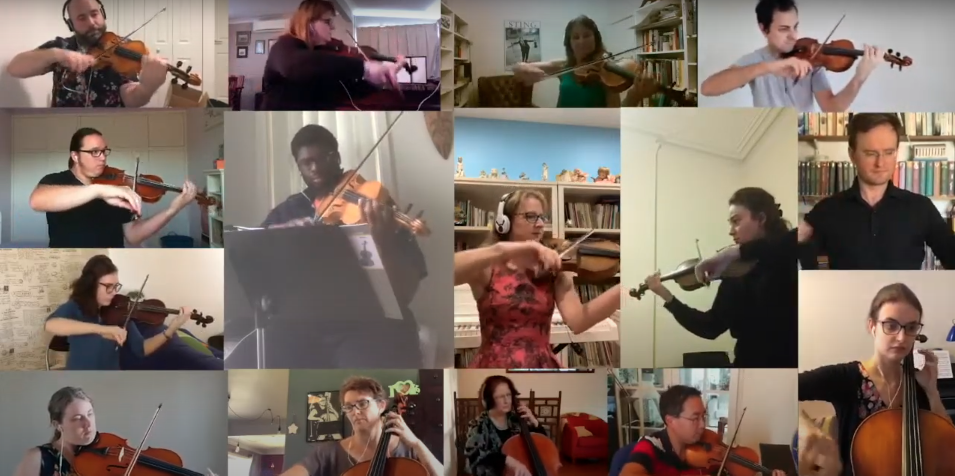
Last week, I sat down with Kyle Little, Artistic Director of Steel City Strings (physically distanced, of course) for a chat about how the orchestra were able to pull off such an incredibly successful and professional online recording series with phones, laptops and bandwidth to boot. I also asked Kyle about how the campaign was going and what made it work for them.
So Kyle, tell me how Steel City Strings were received by the community when it began releasing its online performances?
We received a resounding response from SCS and the broader Illawarra community. The members of SCS were very excited to be participating in the fundraising videos. Since all of us were affected by the cancellation of our various concerts and gigs, while also being quarantined, I think it was a needed distraction from the pandemic. It also allowed all of us to stay connected and to do the thing that we love, which is making music.
In addition, we have also achieved connections with the music communities beyond NSW and Australia, as far as Adelaide, Canada and Denmark. I am absolutely astounded by how generous and encouraging the wider community has been throughout the campaign.
How did the orchestra go with recording their parts? Were there particularly technical issues that were challenging to overcome?
Recording was a new experience for everyone involved. A bit of research was required to go into how other music ensembles have recorded and put things together. I created a ‘how to’ video for members to watch prior to recording. The subsequent process was to then have the section leaders record their parts as a ‘base track’ to then send out to the musicians to record with. A conducting track was also created with our conductor, Luke Spicer to allow the players the option to either listen to just the recorded track and/or follow the conducting. The players then recorded their parts and sent them in to be combined.
The biggest technical issues were in trying to align all the audio tracks together and putting the videos together. This was the longest process of all as tiny irregularities in the recording needed to be edited so that the entire ensemble was together. In addition, the volume of the instrumental sections and individual players needed to be balanced so that specific melodies were heard as if the public was watching the video live. Putting the videos together was another real challenge, and we were very fortunate to have friend of the ensemble and our very own documentary filmmaker, Tony Williams take on this challenge.
What would be your advice to other ensembles looking to do this sort of project from both technical and musical perspectives?
- When trying to put together this sort of project there are a few things I would recommend. Firstly, choosing the piece that does not contain any significant tempo changes and is not too technical is important. Players will not have the opportunity to practice with the other members of the ensemble, so you are wanting it to be as manageable as possible.
- Have all scores and instructions of how you want sections of the piece played already organised. This will ensure that each ensemble member is aware of specific articulations, dynamics and slight tempo changes.
- Allow for differentiation with how the players can follow the base recording. As we all learn and play differently, you can have a variety of ways for the players to follow the base track. Otherwise, you would need to provide some training for your ensemble members based on your preferred method.
How did your musicians benefit from playing together? Did the project’s campaign month serve a primarily musical benefit or did it serve to build camaraderie amongst the players?
This was an amazing experience for all involved. It kept us all connected with one another during these uncertain times, which I think everyone needed. It allowed all of us to check-in to see how we were doing and kept the conversation going. Whilst there was very much a musical benefit as it was a totally new experience, I feel that it served more as a means for connecting and supporting each other.
What would your advice be to other ensembles if they were to undertake this sort of project?
I will not lie, this was a tremendous undertaking from all involved, but it was a worthwhile experience. We took on this project not only to help raise funds for the orchestra and connect with its members, but it was also a way to connect with the Illawarra community more broadly.
As for other advice, I would recommend talking to any industry experts, or even watch some ‘how to’ videos online (there were a large number of them that I found useful!). Have a timetable in mind of when you want to publish (if this is for fundraising or commercial purposes) and allow ample time for your ensemble members to record. ‘Buy-in’ for these types of ventures is very important, so being supportive and organised is key to ensure the members of your ensembles are able and willing to record for your multi-track recording.
To see what Steel City Strings got up to throughout May, check out their 30-minute recap video:
You can also check out their Isolation Strings online quartet performance at 2pm on Sunday, 19th July via their YouTube Channel here.