Melbourne Chamber Orchestra | Nightingale
November 23, 2025, Melbourne Recital Centre, VIC
THE GREAT J.S. Bach, renowned as a master organist certainly knew his way around a harpsichord, as well; so much so that one of his employers hired him to repair some of His Lordship’s instruments. Although he’d arranged some of Vivaldi’s concertos previously, Bach, single-handedly (both hands actually), invented the harpsichord concerto, precursor of all later piano concertos.
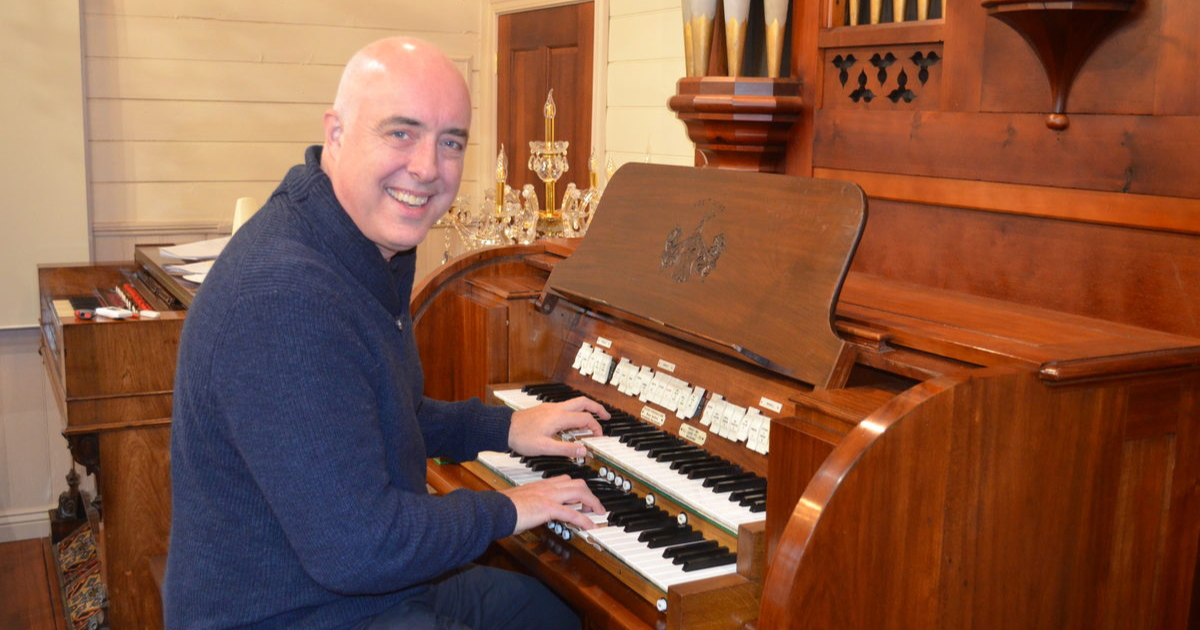
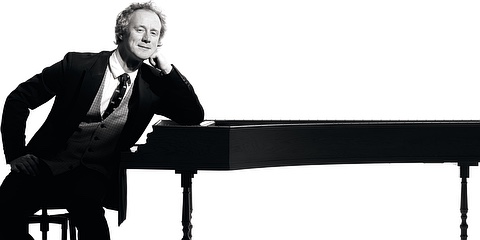
Donald Nicolson was soloist in the First Concerto BWV 1052 & directed from the keyboard using his own, beautiful scarlet instrument, purchased in the Netherlands whilst he was studying there, back in the day. Nicolson comes across as a lively character, hugely experienced in studying the period and deeply invested in performance. He certainly brought his instrument into the spotlight – hitherto played in the background in Bach’s day using figured bass (a sort of “Baroque Jazz”) where the player improvises, using a musical shorthand of notated chords.
The introductory Tutti (All in!) was strongly played with a very full string tone and the extensive first movement cadenza showed the instrument off to perfection. The maestro improvised in the central slow movement – something Bach did, habitually – and the last movement with its vigorous fugal themes showed off the strength of the lower strings.
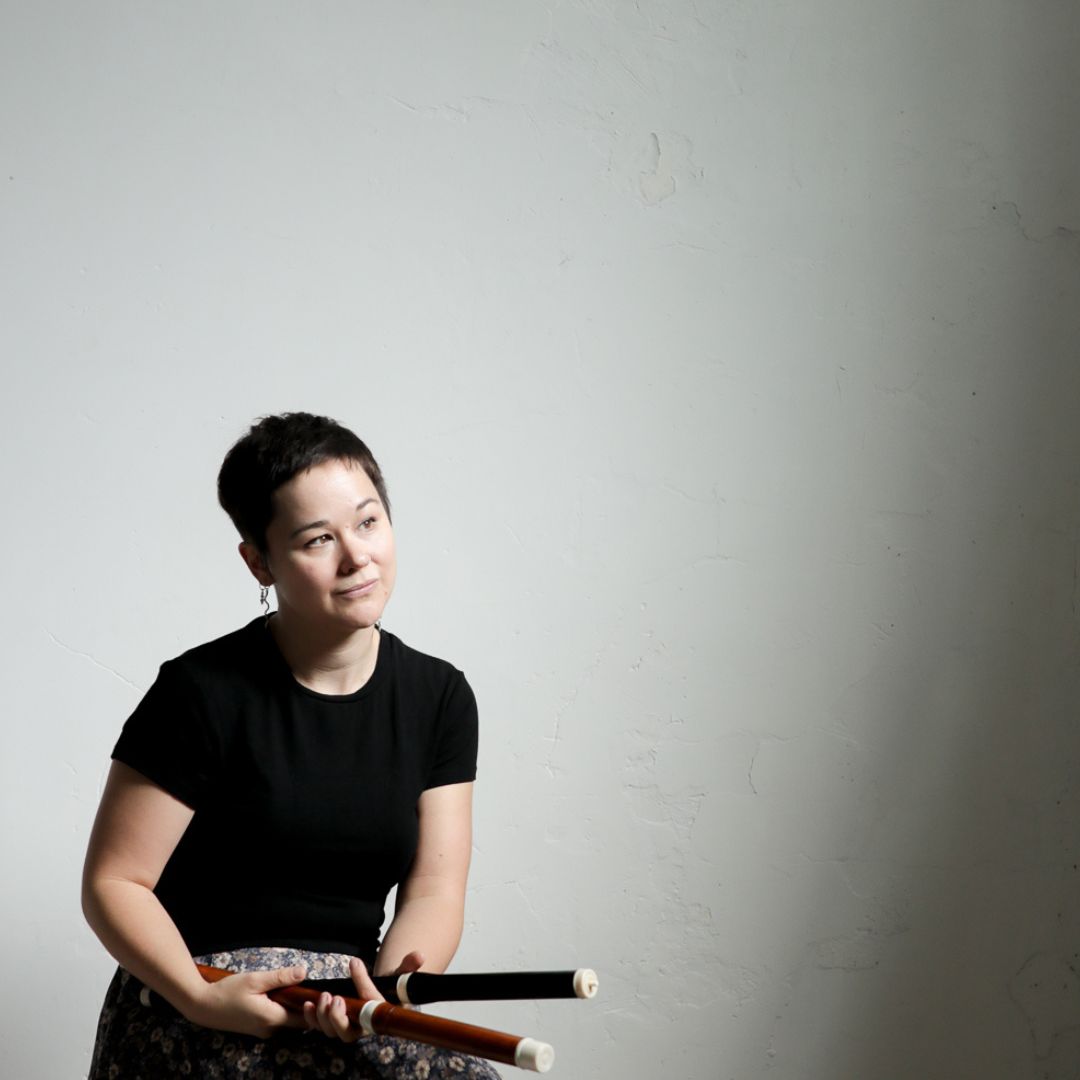
After interval Melody Eötvös’ “Apollo” also featured the harpsichord; her first name is wonderful for a composer, and Eötvös (pronounced, roughly, “Ertverse”), is noted in Budapest, with the Eötvös Lorand University. Her piece was commissioned by the MCO and supported by the City of Melbourne Arts grants, and she lectures in composition at the Melbourne Conservatorium.
“Apollo” is a short, intense work; angular, edgy. I noted the strong pizzicatos from Cellos and Bass, and the harpsichord sprays of notes had me thinking: “spooky, possums”! In a programme of largely Baroque works it certainly stood out in a strong, contemporary way: I can only say “kozonom szepen, Melody” (thank you, in Hungarian.)
Colin Brumby – that long lived and very productive composer – featured, too, with “The Phoenix & the Turtle”, for harpsichord and strings. It came at a time where Brumby was perfecting – and changing – his musical style, and the title is from Shakespeare, though it is not a “Program Work” in any way.
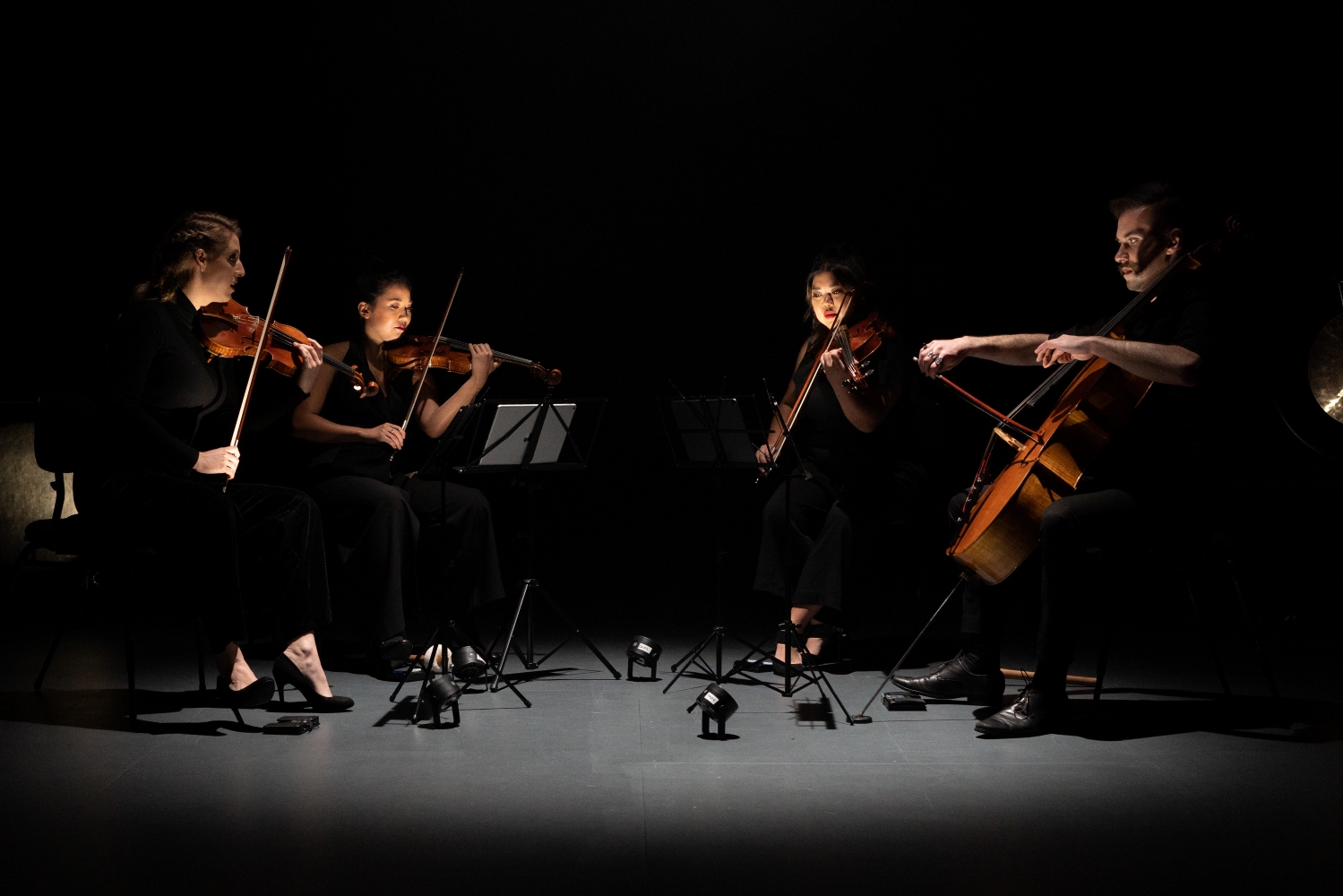
Other short pieces were Purcell’s “Fantasia Upon One Note”, where one player keeps to one note the whole time and the strings whirl around her. Violist Merewyn Bramble, unless my ears deceived me, played that tricky part to perfection; Henry Eccles‘ (a Brit. working for Louis XV) sole, surviving composition, a G minor Contrabass Sonata, became a solo vehicle for Bassist Emma Sullivan, who swapped her chair, back of the Strings, to feature as soloist in the four contrasted movements. A nice pairing of an almost unheard of baroque master with the deep voice of the Bass, handled with elegant grace to masterly effect.
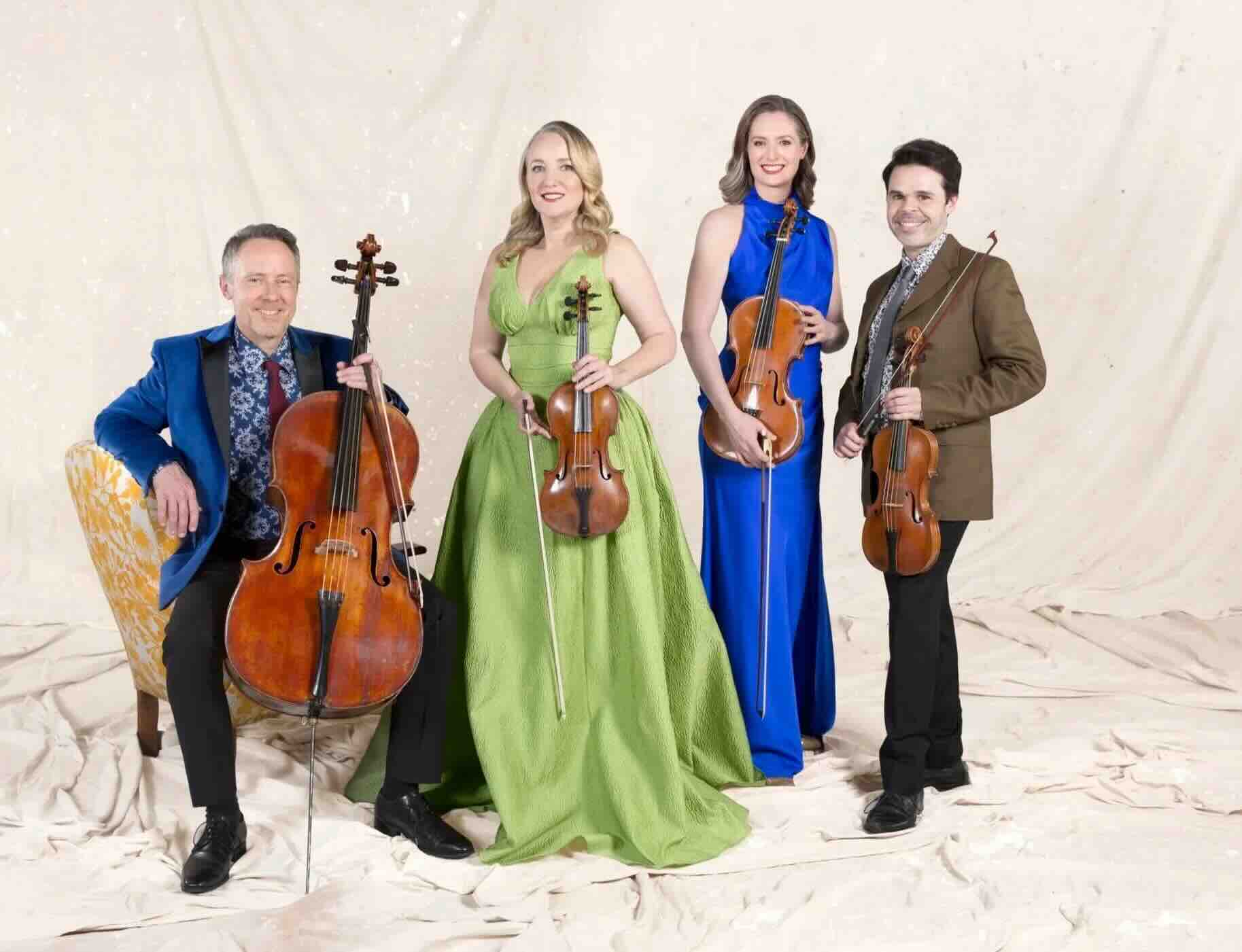
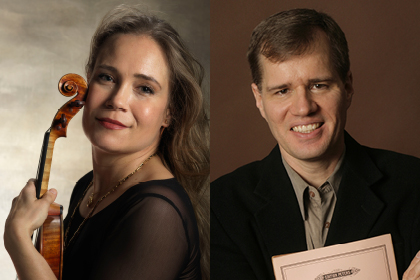
Corelli ended this musical feast; a “Cabinet of Curiosities” to quote Cellist Blair Harris, who spoke about some of the pieces. Whether its Director Sophie Rowell; the evening’s Harpsichordist; or other members of the group talking with us, it adds to the very personal involvement audiences have with MCO performances.
MCO has done 60 gigs this year, including performances with schools and aged-care facilities, and I am impressed by their outreach program to inform and entertain would-be fans and harvest the audiences of the future. Once again, Sophie Rowell gave us a most varied programme of treasures and she and her colleagues played it to the highest standards. Can’t wait for the pleasures in store during 2026!