Melbourne Chamber Orchestra | Musette
24 August, 2025 Melbourne Recital Centre, VIC
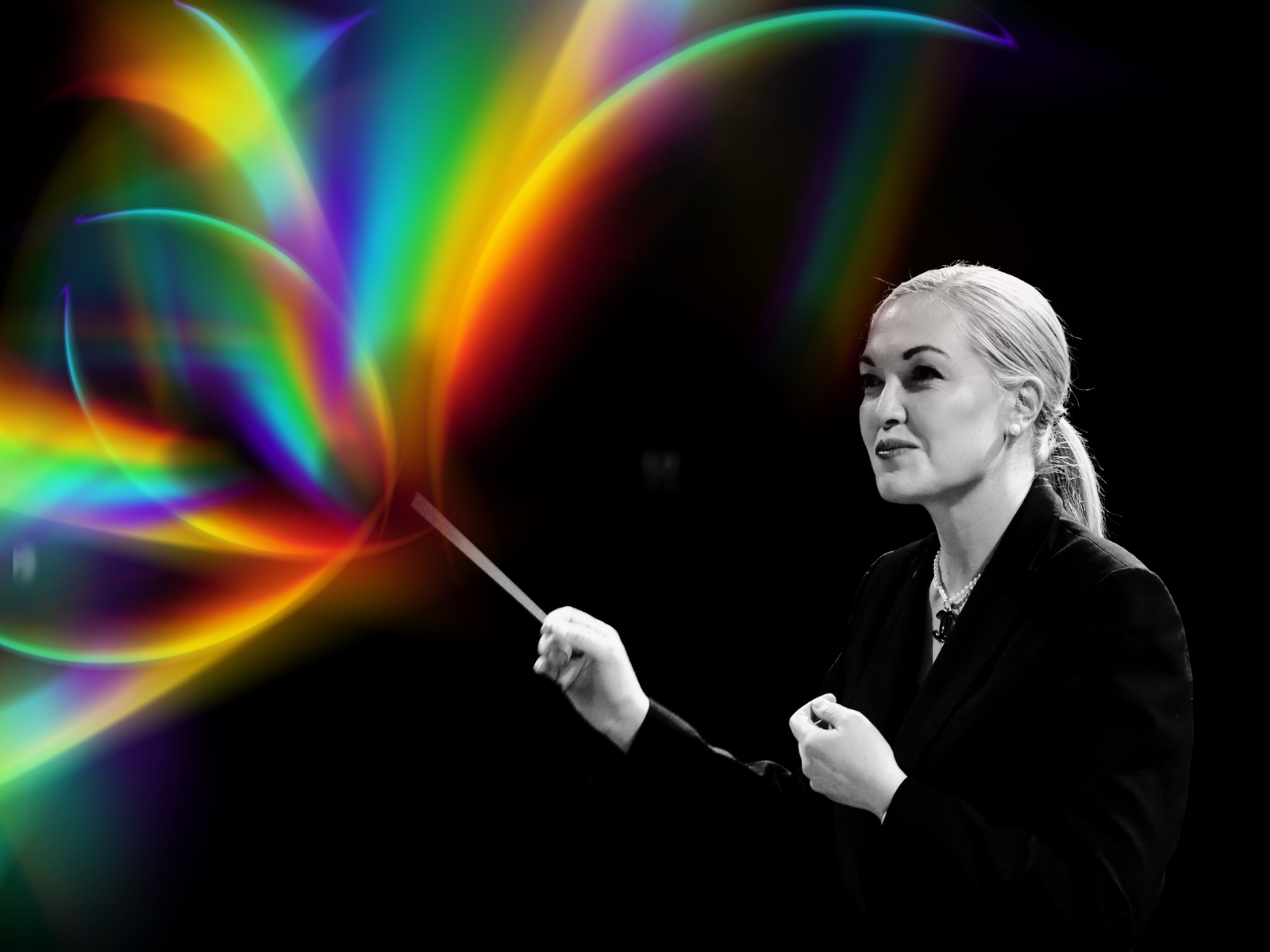
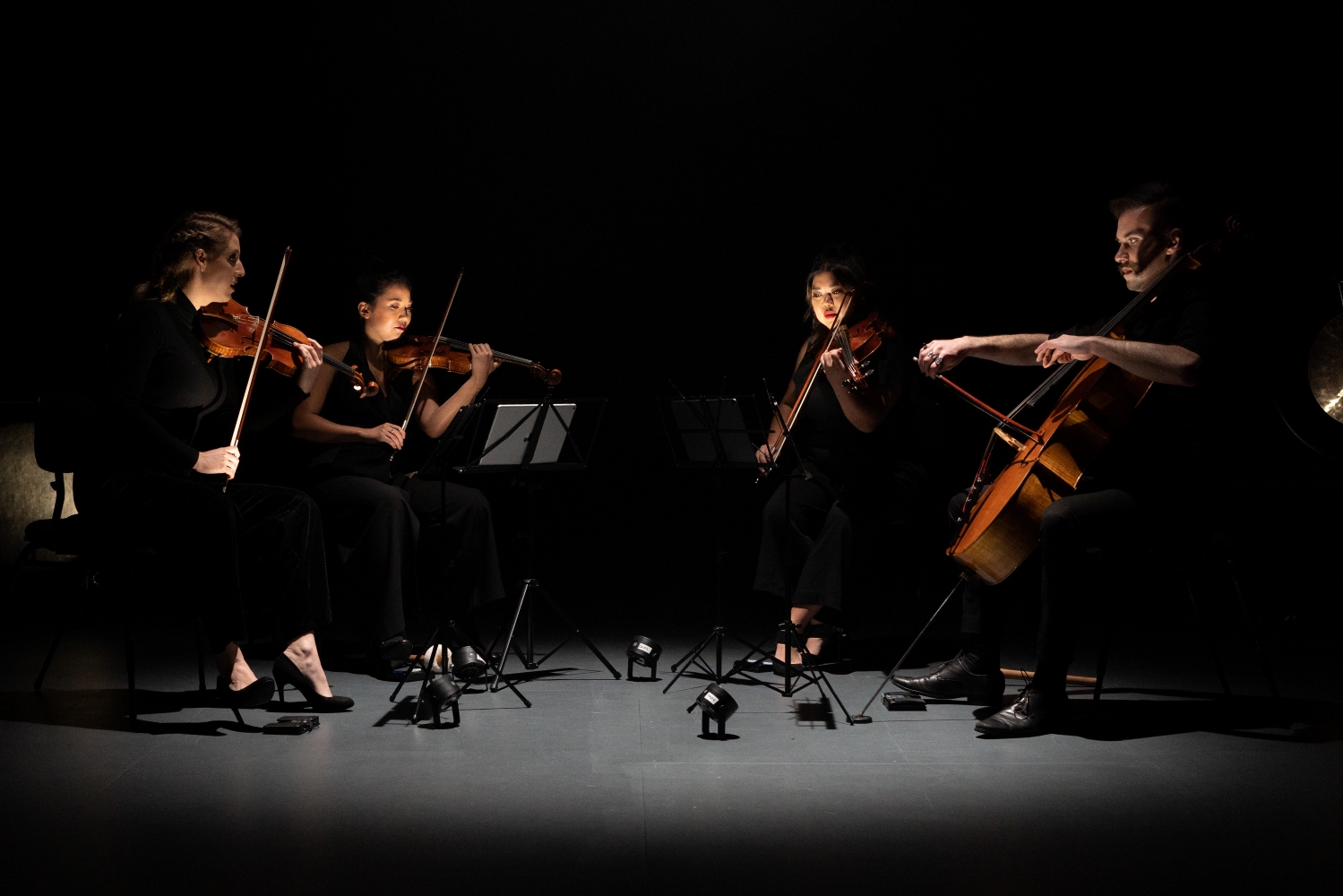
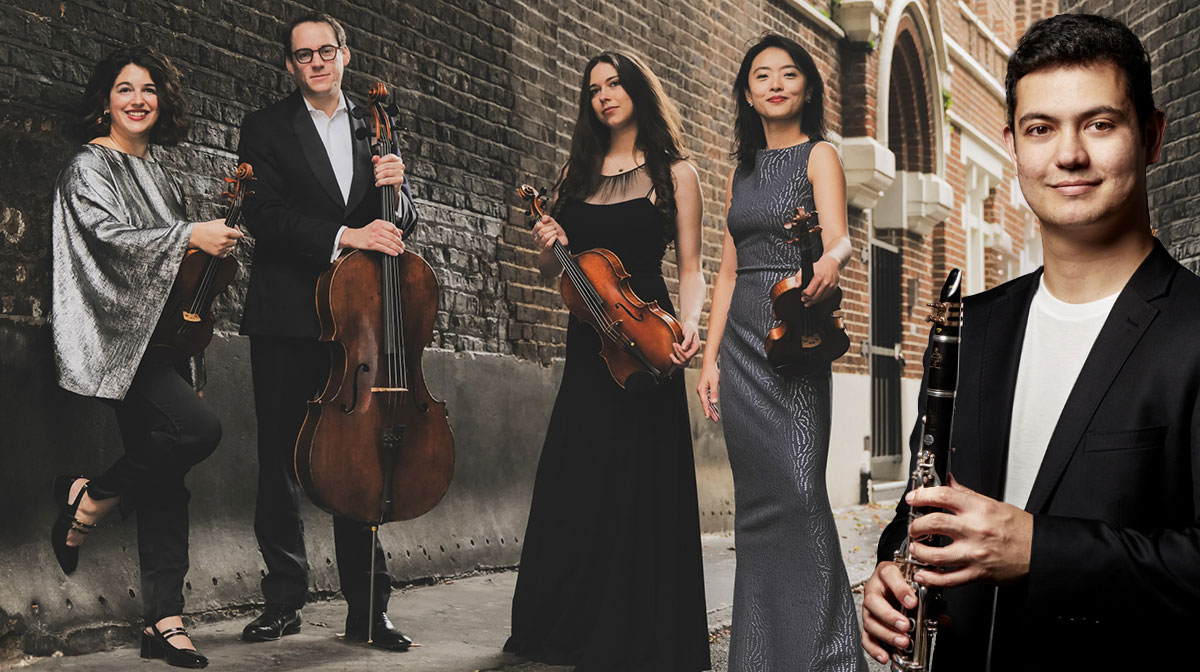
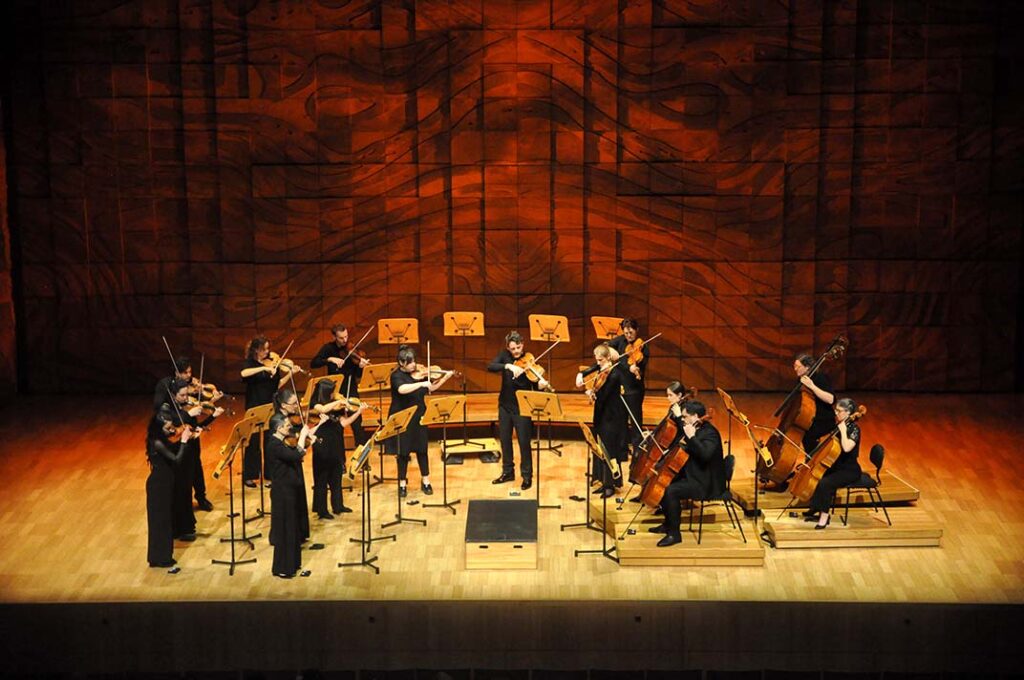
Sophie Rowell’s brilliantly-curated programme, on Sunday 24 August at Melbourne Recital Centre, had the MCO touring musical Australia, Austria, France and Italy.
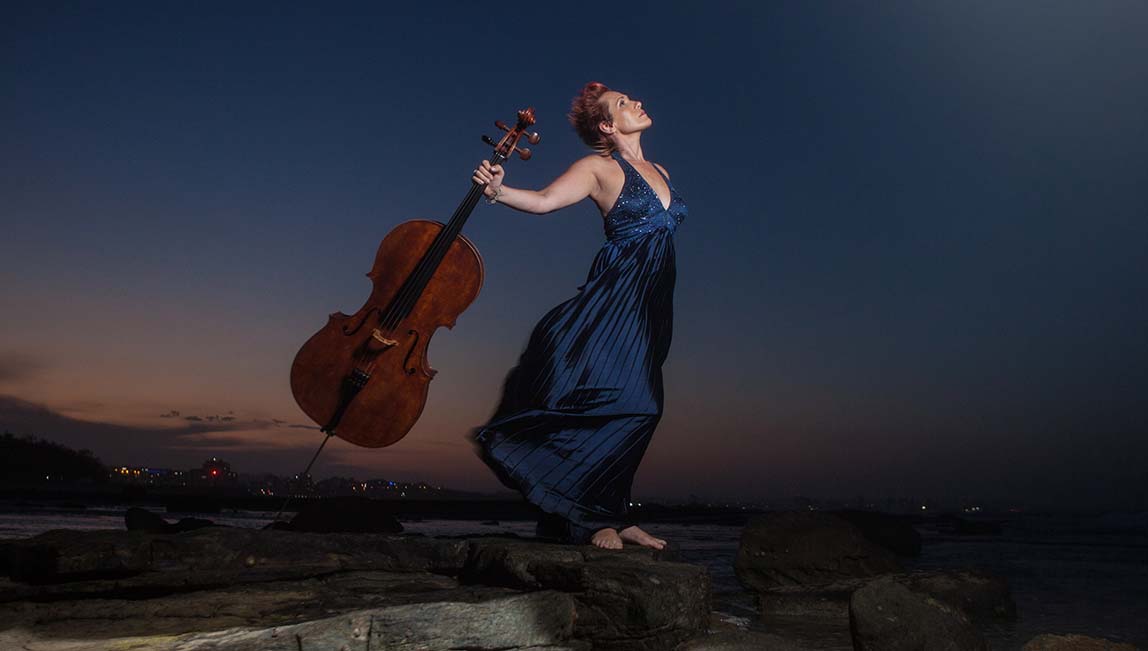
Cellist Li-Wei Qin featured in Haydn’s C major Concerto which, giving the ‘big-boys’ (Dvorak, Elgar, etc.) a head start, was rediscovered only in 1961. Haydn, very busy conducting, composing and performing for decades at Prince Esterhazy’s palace in Hungary, wrote the work there for the cellist in his orchestra.
Li-Wei, who first played it at age 13 is obviously at home in a piece he calls “a real, super virtuoso work.” His 1780 Guadagnini cello produced a very full tone, with runs, staccato and spiccato (bouncing off the strings) just part of Li-Wei’s brilliant technique. The traditional first-movement cadenza was anything but, written by a Colleague, Dr. Ho., and featuring harmonics and a “blue” sound here & there. The central Adagio, almost a question and answer between soloist and orchestra, brought an elegiac tone between the two faster movements. The Allegro molto finale saw oboists, Joshua De Graal & Jasper Ly and hornists Ben Messenger & Emma John, underpin the strings in the genial conclusion to this work.
Elena Kats-Chernin’s From Anna Magdalena’s Notebook which started the programme, gave a mod twist to the little pieces which were noted down by her husband ( J.S. Bach ), his sons and even visitors to the Bach menage. Director Rowell kept up a wonderful energy in the Six pieces, mainly dances, including some very zippy Polonaises. The cellos, led by Blair Harris, added weight to the second of these Polonaises & musical depths like this, highlighted the witty, humorous touches throughout the whole score.
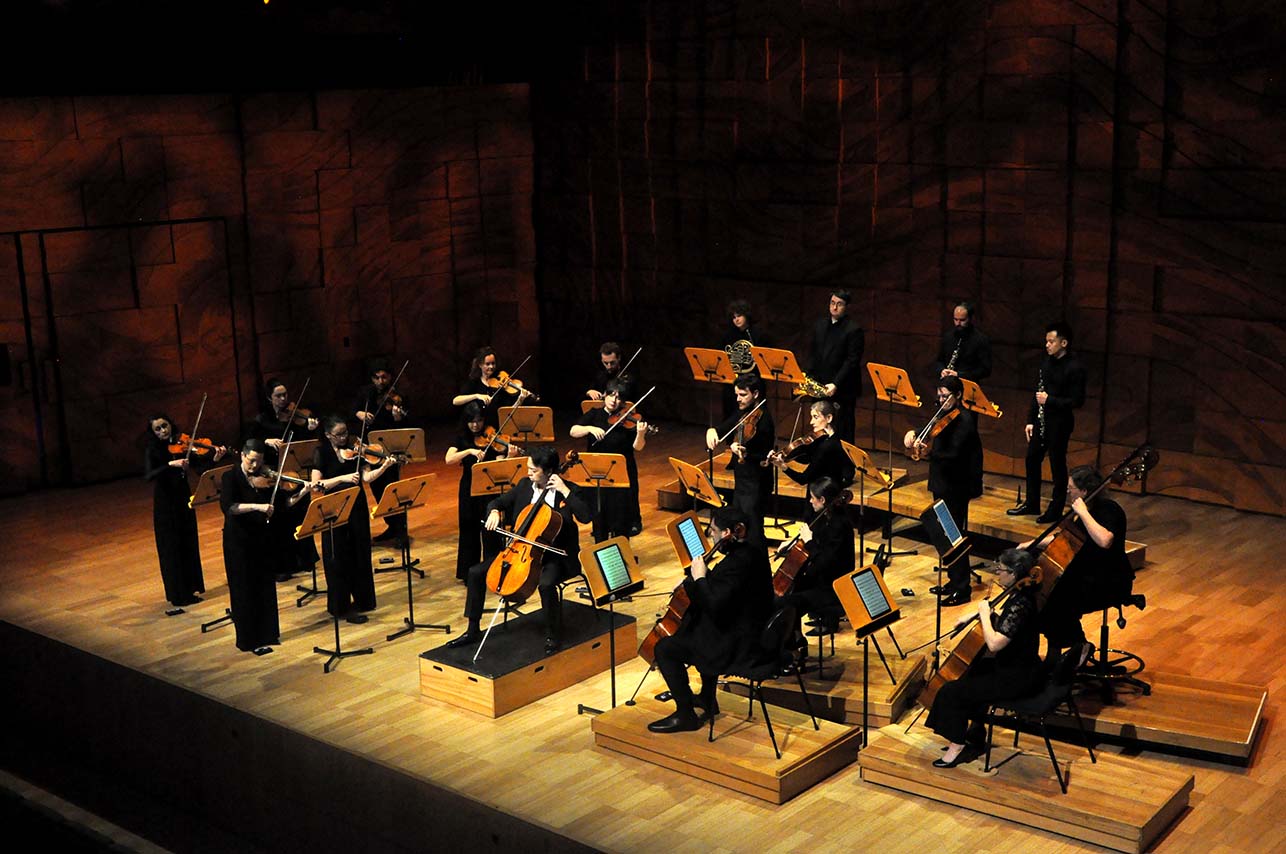
After interval, Jean Francaix’s Variations de Concert saw Li-Wei return as soloist. I asked him why Sophie quoted him as saying “it’s VERY difficult” when he first saw the score, and he said that Francaix was a pianist writing for cello, and that some parts were like running a marathon with two left legs! Nevertheless the performance was masterly, with the Lullaby movement’s overtones and double-stopping starring, and the Tarantelle-like Finale featuring both lower and upper strings coming up the straight like thoroughbreds.
Boccherini’s Symphony in D minor Op.12., nicknamed —not by B.— “La Casa del Diavolo” (the Devil’s House ) has reminiscences of Gluck’s “Orfeo” and was inspired by that composer.
The second movement featured layered syncopation and the Finale came with mystery, storm and stress as Don Juan (the inspiration from Gluck) gets dragged down to Hell. The depth of sound in this Furioso finale pays tribute to Rowell’s leadership and an Orchestra whose brilliance is stunning and whose collegiality is inspiring.
The Melbourne Recital Centre’s main hall, the MCO’s home, has great acoustics and features brilliant use of Australian woods to achieve this, the red-toned lighting adding to the atmosphere.
A tribute to Dame Elizabeth Murdoch’s largesse; she once told me that she often listened to Melbourne’s 3MBS FM, through the night, as she was often awake then. She would have relished this concert.
Photo credit: Catherine Turner