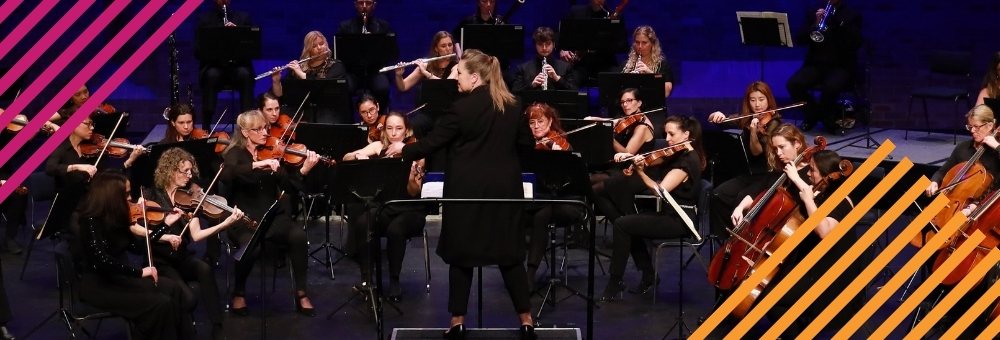
The Metropolitan Orchestra | Beethoven 7
March 9, 2025, Marrickville, NSW
Mendelssohn: The Hebrides (Fingal’s Cave) Overture
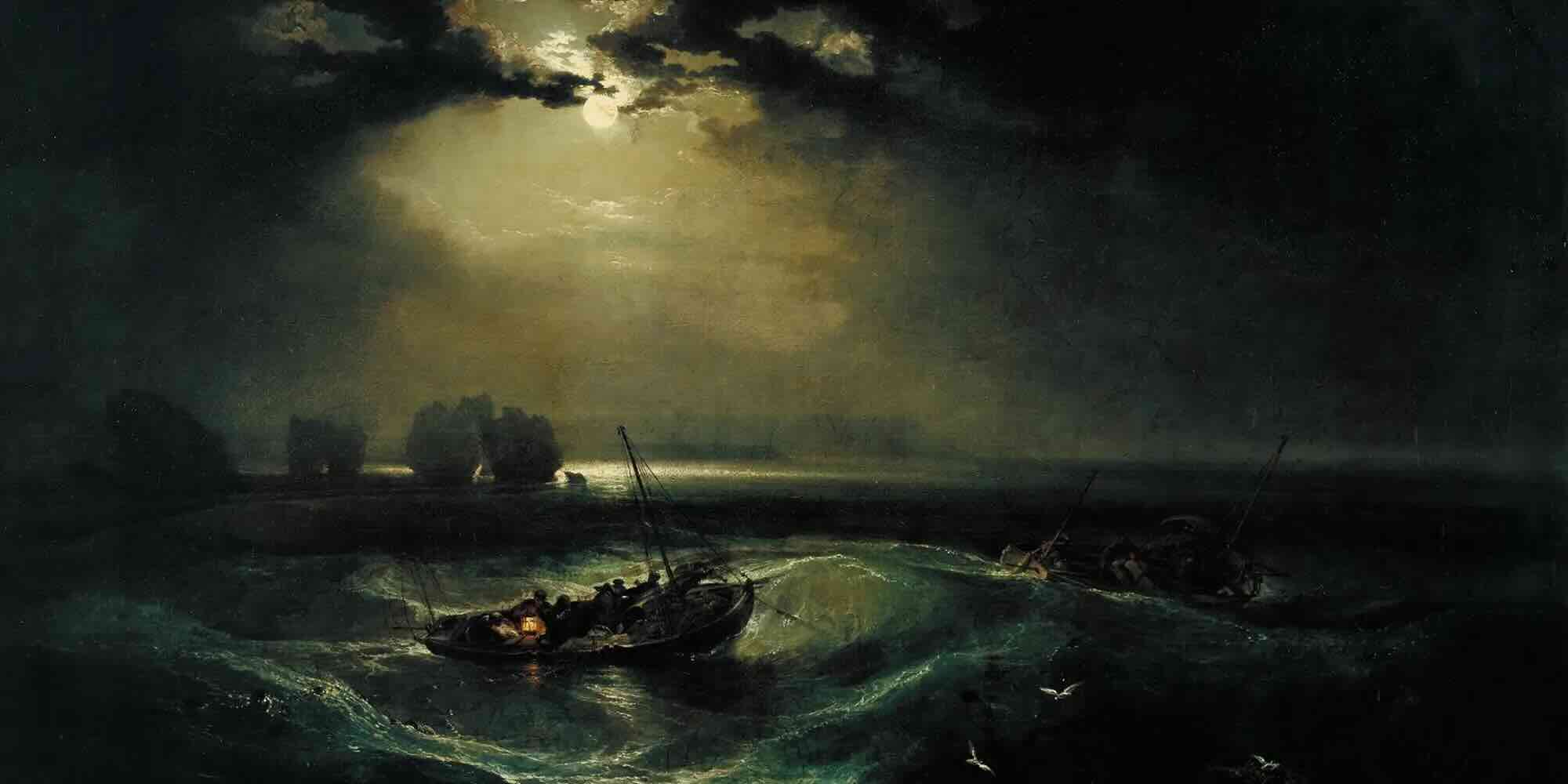
This first concert in the TMO’s 2025 series commenced with Felix Mendelssohn’s The Hebrides (Fingal’s Cave) Overture, a work he completed in 1830 following a trip to England in 1829 with a friend. Travelling to the remote Inner Hebrides of Scotland’s west coast, they visited Fingal’s Cave, a sea cave on the island of Staffa. Anyone familiar with this part of the world would immediately recognise Mendelssohn‘s evocation of the beautiful, wild north-west coastline of Scotland. And if they know their history they’d be aware that an almost complete lack of road access to these outlying regions made it nigh on impossible to travel other than by ship as late as the 1840s. As I’ve previously stated on numerous occasions, context is everything.
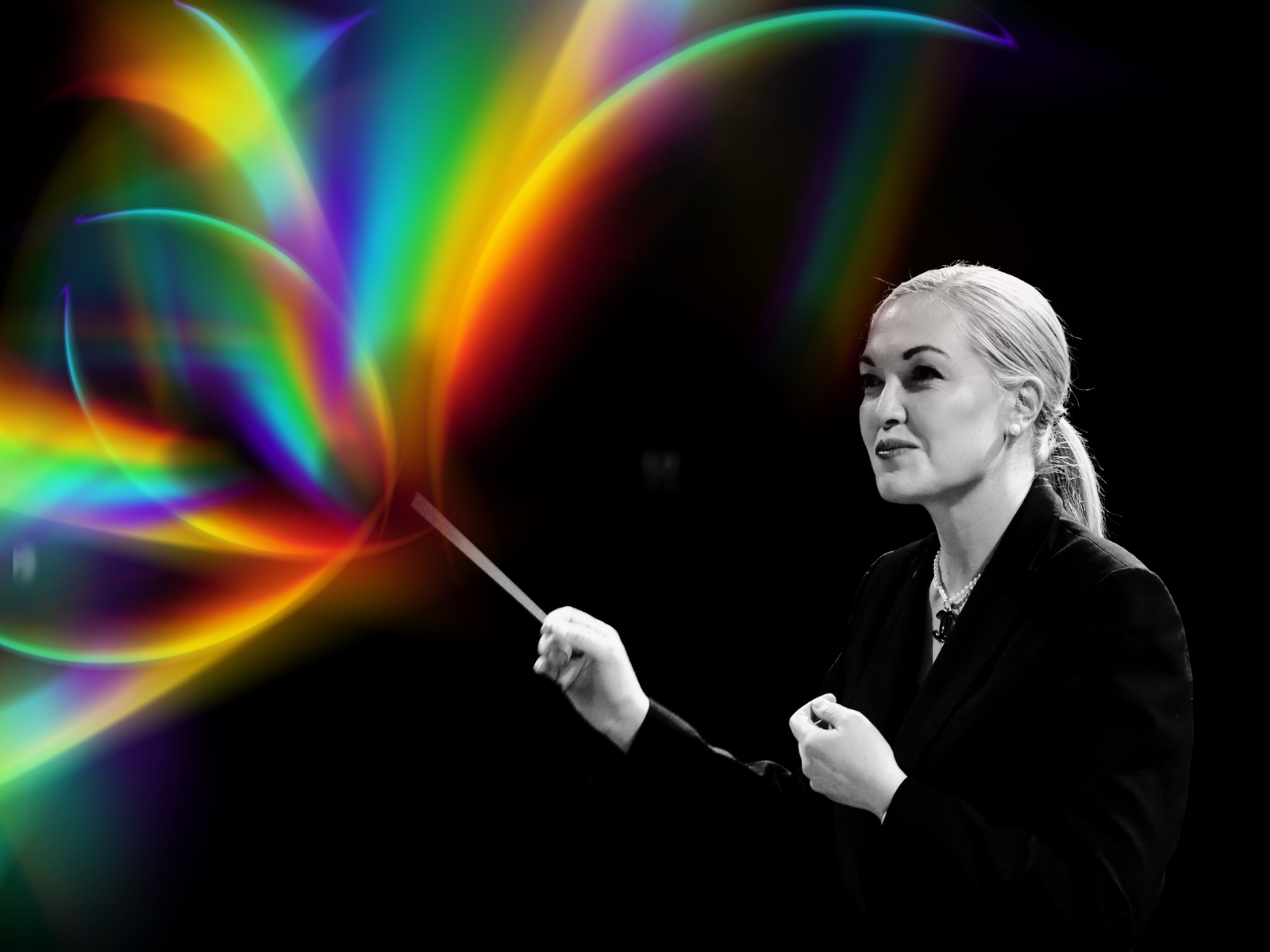
Stepping up to the podium is Sarah-Grace Williams who needs no introduction. There’s drama and a sense of urgency: one hears (and in mind’s eye, sees) the rise and fall of waves in a crescendo as they smash their way into the cave. There’s a sense of danger, followed by quietude as the orchestra dissolves into that most beautiful of Scottish lilts. What more can one say? The pace is unrelenting as wave piles upon wave in that furious orchestral charge with its repetitive and insistent melody.
I’ve loved this piece since my childhood when I discovered a stack of old 78 records in the back of a cupboard. It opened up a brave new world of classical music. Bravo TMO!
Krommer: Double Clarinet Concerto, op 35
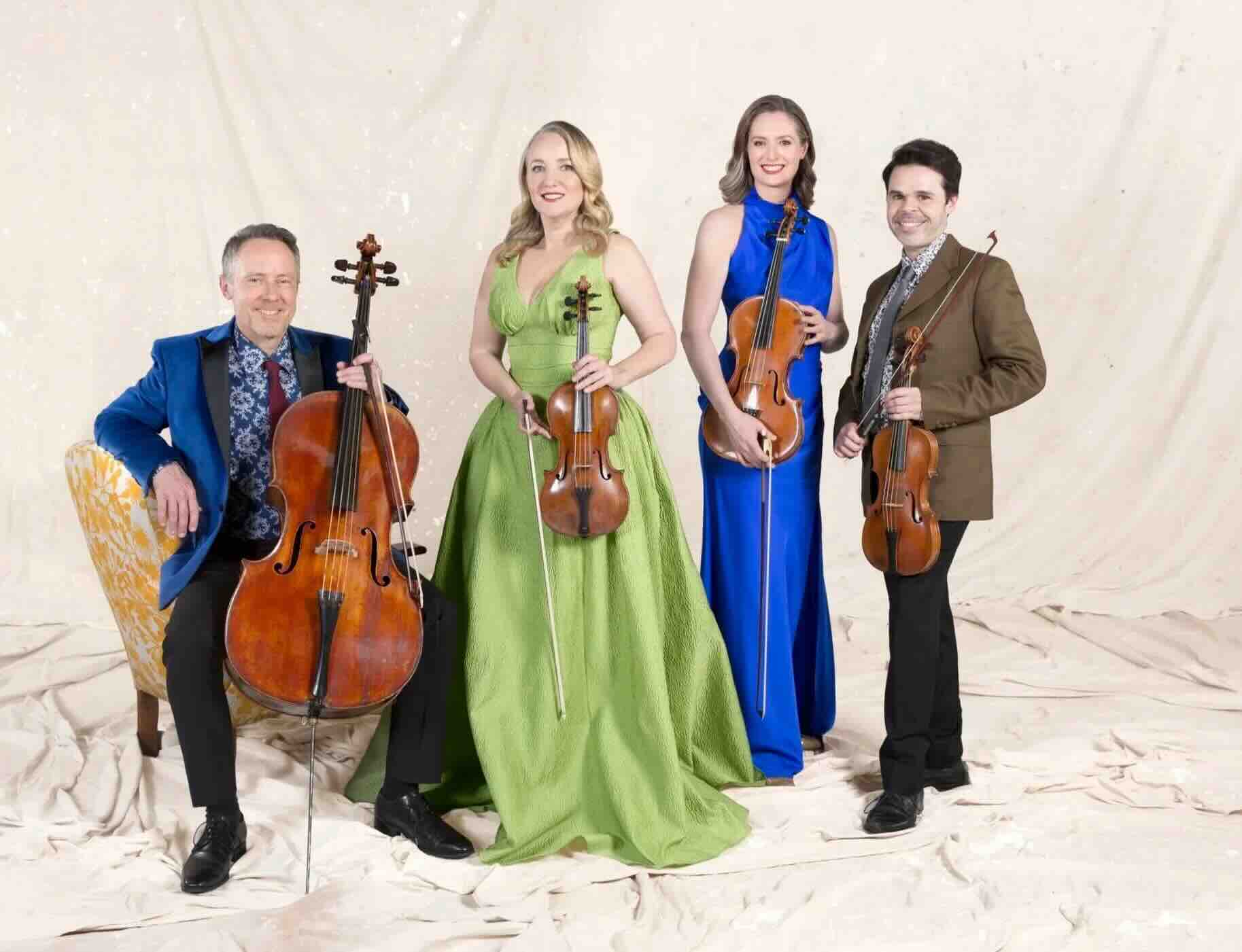
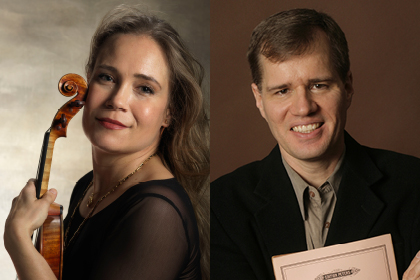
This piece was new to me, our clarinetists, Andrew Doyle and Alisha Coward, giving an outstanding performance. Two peas in a pod, I say. Clearly, they were having a lot of fun and never missed a beat, if such can be said about peas. Seriously, the concerto in three movements was clearly enunciated, joyous, and happy. The woodwind duo led the orchestra, which is to say that TMO was very much in their hands.
Franz Krommer (1759–1831) was a Czech composer of classical music and violinist and one of the most popular composers in 19th Century Vienna alongside Beethoven whom he knew. His output was prolific, to say the least – over 300 published compositions in at least 110 opus numbers including at least nine symphonies, 70 string quartets and many others for winds and strings, about 15 string quintets and much sonorous, idiomatic and at times powerful music for wind ensemble, for which he is best known today. Google will tell you far more about this remarkable man. Today, Krommer is mostly known for his clarinet and double clarinet concertos.
To my ear, there was something of the ‘regal’ about the first movement. Regal in the sense of being sure-footed, almost sprightly. Come the second movement there’s a change of mood that suggests gravitas. Thoughtful if you like. Then a jaunty sleigh ride of a third movement which took the audience along with it, all eyes fixed upon these wonderful musicians – and two in particular. Such fun.
Beethoven: Symphony no 7
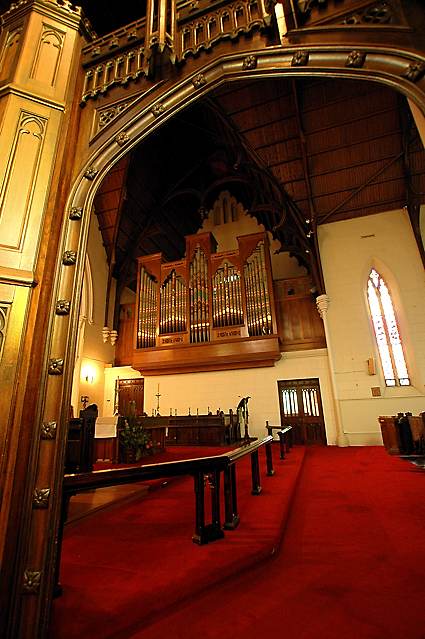
Beethoven’s 7th on a sweltering Sunday afternoon in Marrickville Town Hall? Much loved by locals, this veritable old lady with its wooden sprung-floor and acoustics is well-suited to concerts of every kind. Shame about the air conditioning which in heritage buildings is reliant on the odd few open windows and teeny-weeny ceiling fans. However.
When Beethoven began composing this piece, Napoleon was planning his spectacularly cruel campaign of 1812 against Russia. Symphony No. 7 can be regarded as another one of his musical confrontations with the Emperor, this time in the context of the European wars of liberation from years of Napoleonic domination. With this in mind we can see how Beethoven spoke to the growing sense of nationalism of the German people. He conducted the premier in Vienna on 8 December 1813 at a charity concert for soldiers wounded in the Battle of Hanau. Whilst he did not make his motives explicit, in his address to the participants, he declared: “We are moved by nothing but pure patriotism and the joyful sacrifice of our powers for those who have sacrificed so much for us.”
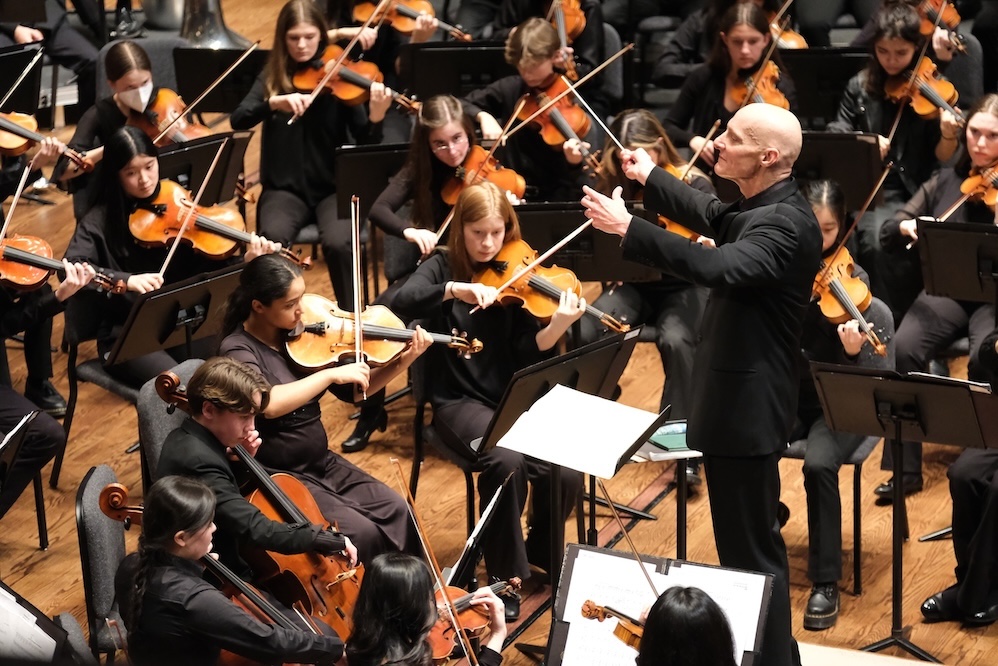
The first movement was fittingly majestic with what I can only describe as a huge sound that is intensely moving Serious, emphatic, the movement imposes a heavy burden on the string section which produced a rich and exciting sound.
I can find no other adjective than ‘magnificent’ to describe the second movement, the Allegretto. Beethoven remarked that it was one of his best works. Indeed, this movement was so popular that audiences demanded an encore. Borrowed by film-makers to build a soundscape to accompany documentaries and war films, there’s a sense of foreboding in this piece. One can imagine Napoleon’s preparations for the invasion of Russia and the fighting that ensued. In a disturbed and melancholic sort of way this stirring movement, to say the least, was atmospheric.
Casting around for background on the third movement I ignored British conductor, Sir Thomas Beecham’s comment: “What can you do with it? It’s like a lot of yaks jumping about.” Irritated he was, and a cacophony as he implied? Yes, there’s an asymmetry conveyed by changes in tempo and mood, but there’s fighting spirit here and any semblance of chaos and confusion is brought back down to the earth after a finale where the ranks are assembled, and the horses bridled in a most emphatic statement of national aspiration. These are values, we shall be who we want to be – people of the German states with an aspiration to be free.
Afterword: that wonderful tympanum with all its martial associations, sounding the alarm and the mustering of fighting men marching to their doom. Magnificent, mad, but what a scorcher!