Homophonic! and the Consort of Melbourne | Moonlite
26 July, 2025, Fitzroy Town Hall, VIC
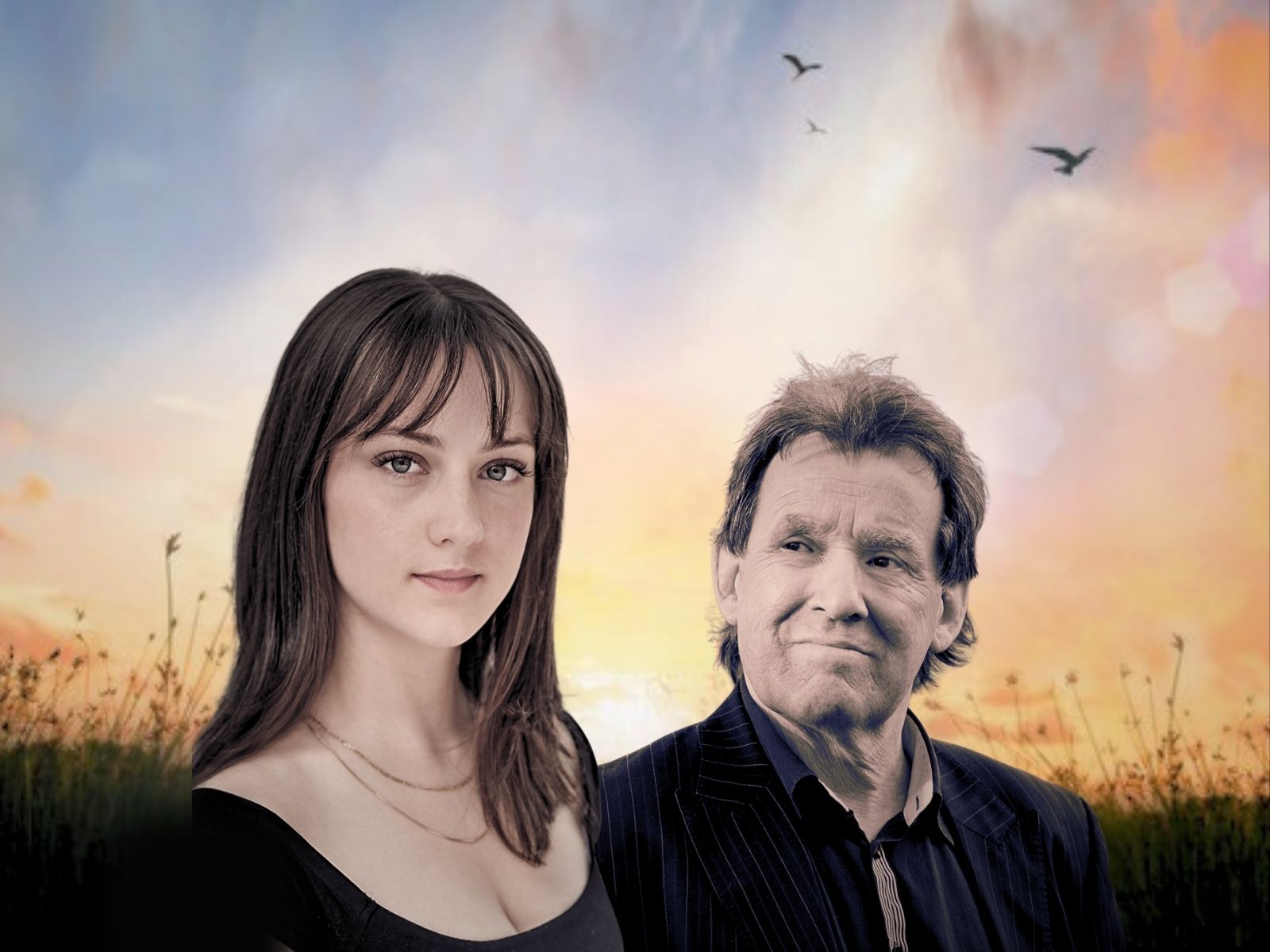
Based on The Moonlite Papers, the letters and statements of Andrew George Scott, which were written on death row in the late 19th century in Sydney’s Darlinghurst Goal and are now held in the archives of the National Library of Australia, ‘Moonlite’ an oratorio contains the tragic love story between the writer and a young man by the name of James Nesbitt.
Billed as a ‘true-crime queer love story for voices, percussion and viola’, the Australia Premiere of this very Australian work by composer Wally Gunn and librettist Maria Zajkowski was brought to us by the Consort of Melbourne, directed by Miranda Hill and Steven Hodgson.
The work and its performance not only paid tribute to the love between two men of the late Victorian era, but honoured and elevated their story and the drama of their lives.
Directors Miranda Hill and Steven Hodgson delivered a first class experience, both musically and visually, but also through in the very engaging programs of talks and interviews in the lead up to the performance, with the Queer Archives, historians and commentators.

The Consort of Melbourne were outstanding in bringing the score and story to life. Of particular note, Katherine Norman and Timothy Reynolds were magnetic, at times providing those sounds around which the other singers seemed to orbit. Elspeth Bawden, Kirsty Biber, Jack Jordan and Lachlan McDonald, each took an equal role as we moved through the work. From bird songs to echoes of folk music to scenes of longing and regret, they sang and we lapped it up.
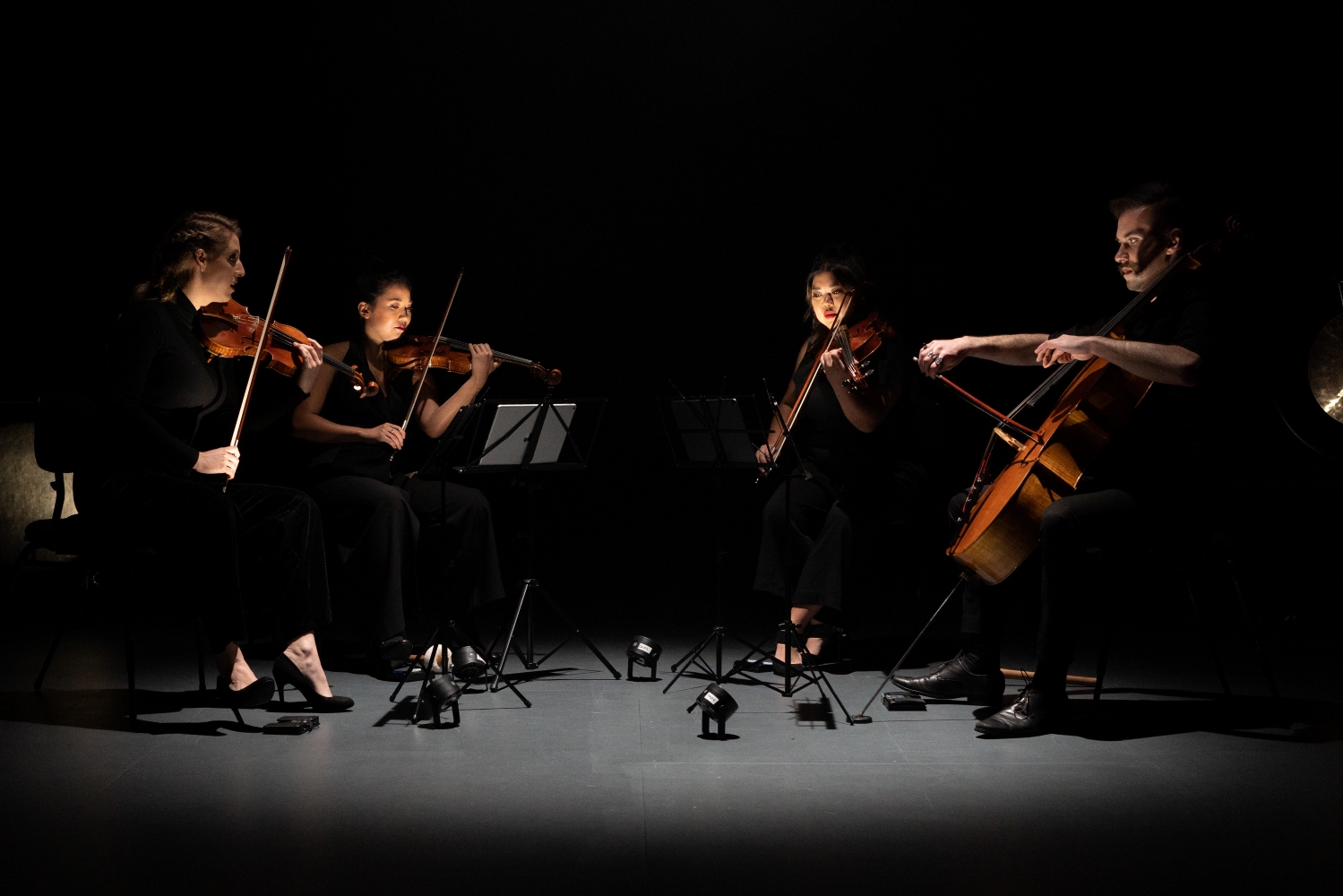
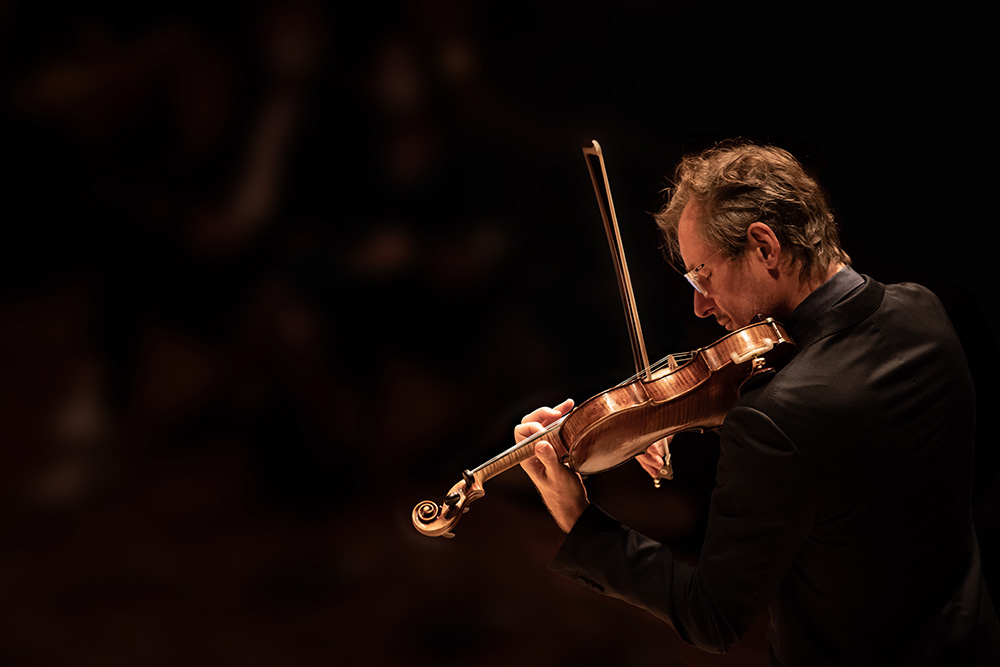
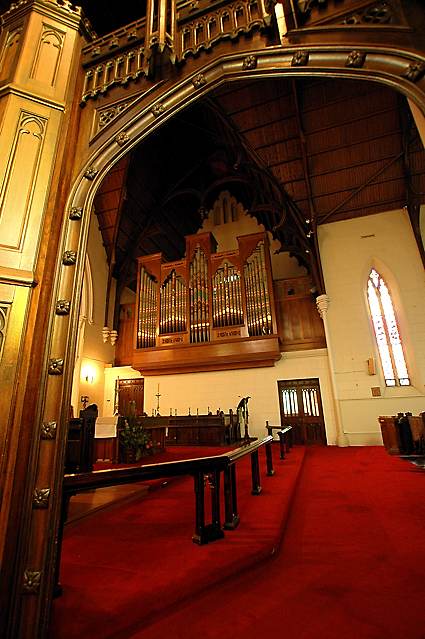
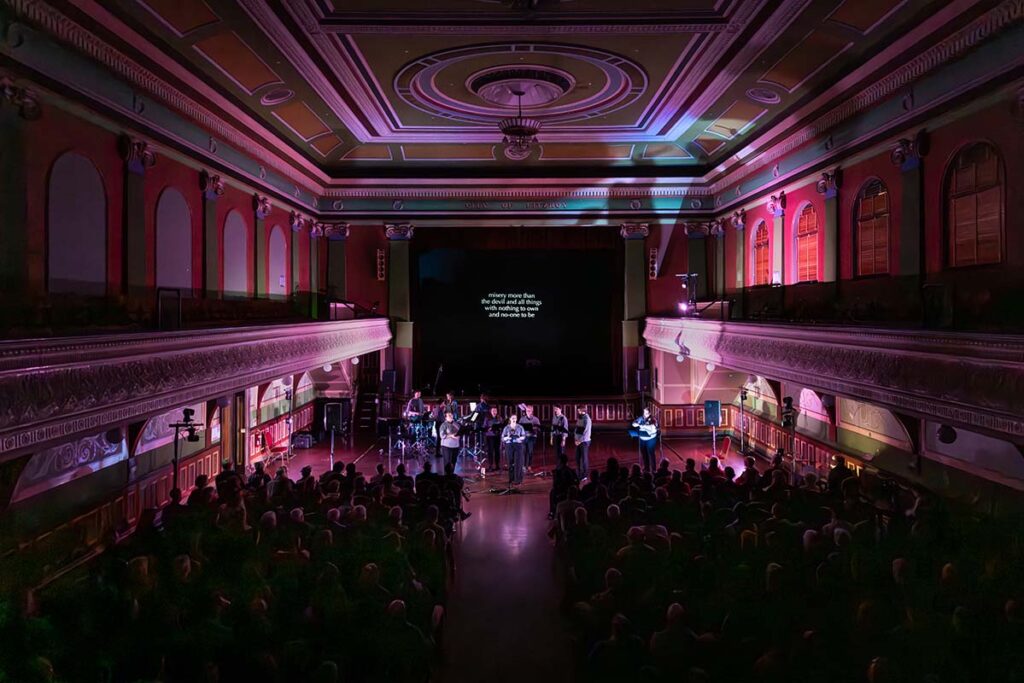
Performed, rather fittingly, in the Victorian splendor of the Fitzroy Town Hall, the percussion ensemble, made up of Louise Devenish, Kaylie Melville, Zela Papageorgiou and Hamish Upton, who, along with Phoebe Green on viola, captured the sounds and energy of the backdrops, from shootouts, to bush scenes, to love scenes and finally to Scott’s sad end, by execution.

The work is described as an oratorio, and in many ways the work follows that form as we are led scene by scene through the narrative with readings from original texts, instrumental interludes, chorales and solo sections. Musically there was a solemnity and depth to the work, from lush chorales, complex part singing, stark melodic sections with the solo viola, and sometimes quite abrupt percussion sections. Dramatic techniques, such as glissandos, really added to the edginess of the work.
The lighting design by Bronwyn Pringle was subtle and I loved the shadow-play both on the faces of the singers, or at times the menacing shadows it cast. Live audio engineering by Tilman Robinson was essential, not only for the spoken sections, but also for adding depth and balance between the parts.
Directors Miranda Hill and Steven Hodgson ensured that the performance held the dramatic tension until the final moments of the work. It was obvious a huge amount of work went into the performance, so it’s great to see there are other showings in regional Victoria, which would be well worth the trip, in my opinion. Thanks also to the City of Yarra for helping to bring the work to an audience that is overlooked in the traditional canon of opera, and certainly oratorio.
Perhaps it’s not just the form of this work that lends itself to being described as an oratorio. These letters and statements of Scott are precious and rare, and are now honoured and preserved in music. It made me think, a love from one person to another, in whatever age or context, is still love.
Photo credit Darren Gill