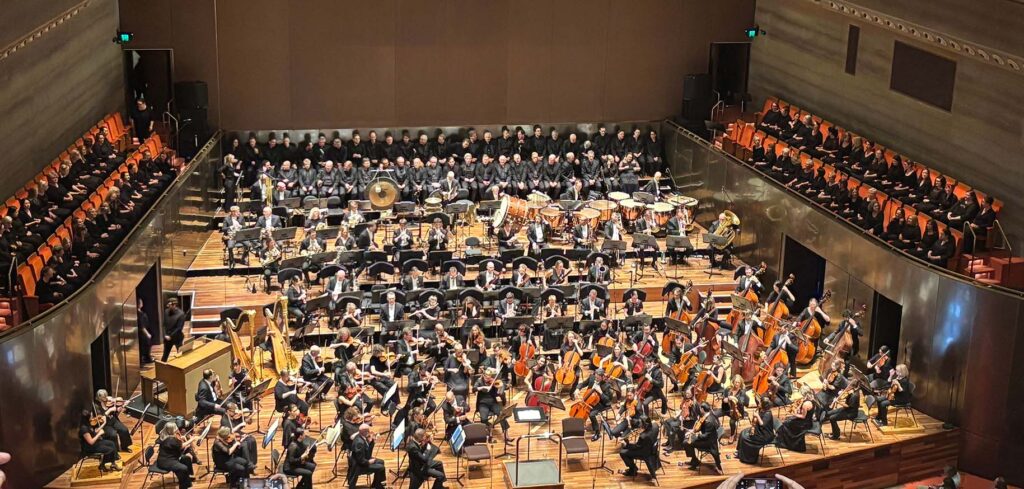
Melbourne Symphony Orchestra | Mahler’s Symphony 2, ‘Resurrection’
Conductor Jaime Martin
February 28, 2025, Hamer Hall, Melbourne VIC
Mahler occupies a special place in the panoply of gifted composers. Up there with Wagner, his students and devotees tend to have a zeal and passion for his works, that can be quite overwhelming. To be honest, I’ve shied away from Mahler as a result. Until now.
Mahler’s Symphony No 2 in C minor, the Resurrection, with the Melbourne Symphony Orchestra, conducted by Jaime Martin with the MSO Chorus was my first Mahler experience. And yes, I am now hooked.
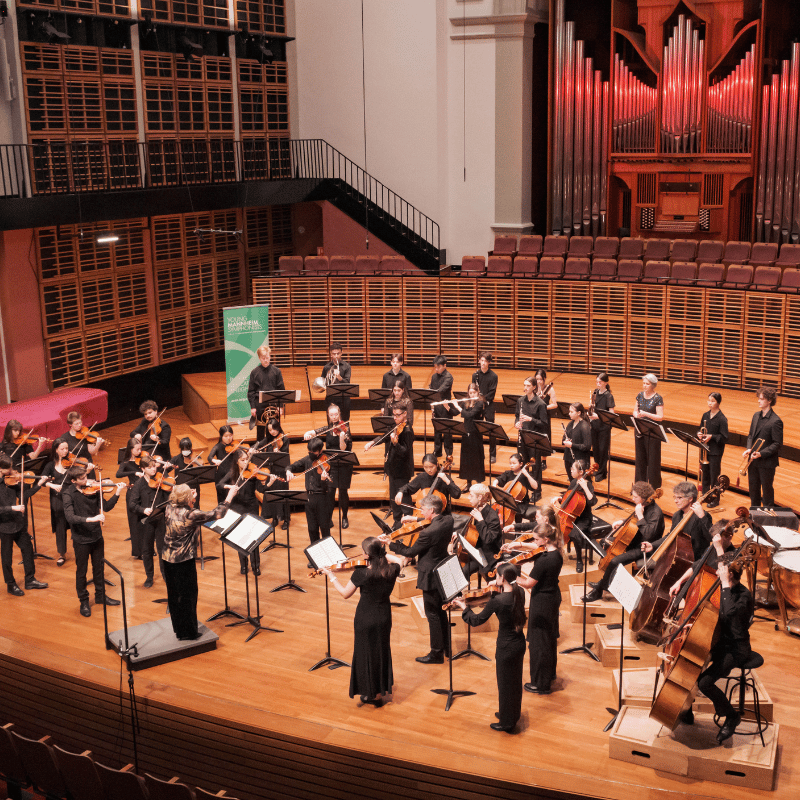
The Resurrection is a marathon work and quite sufficient to be programmed by itself. Technically demanding, Mahler employees a huge number of orchestral musicians, with extended woodwind and brass and a huge percussion section, as well as soprano, mezzo-soprano and full choir.
The symphony is balanced between dark and light themes and moods. At it’s darkest it is violent and despairing, but in the lighter moments, particularly the second movement, it is melodic, gentle and charming. You could hear the Austrian folk dances and melodies throughout which was such an antidote to the dark and furious themes which frame the other parts of the work.
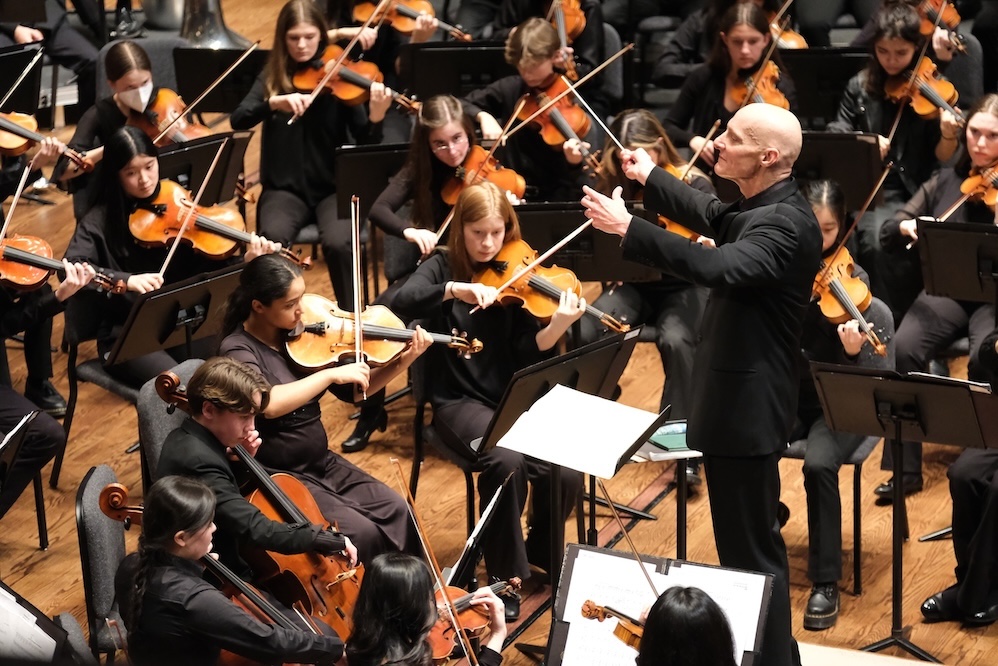
Conductor Jaime Martin moved the orchestra through the drama, and the many shock entries, and then calming them and bringing out the sweetness in some of the lighter movements. He didn’t miss a beat, and neither did the orchestra. The Symphony No 2 is a dense and complex work, it’s part traditional forms and then part fantasy and theatrics.
Mahler is certainly a master of scale. Why use one French horn if you can use 20? The resulting sound is big, rich and romantic, and as required, confronting, shocking and startling as well. The tam-tam got me every time!
The musicians of the MSO were in top form, meeting and exceeding the demands of the score. I particularly enjoyed the off-stage brass at the end, it was very theatrical. The sound of the dead throwing open their tombs to rejoin the living was spooky and wonderful.
During the orchestral movements, it was very easy to forget the singers, who were two rows deep, lining the stage, and sitting quietly in concert blacks. The soloists were a bit more prominent, resplendent in green and gold evening dresses, waiting patiently either side of the Conductor.
When mezzo-soprano Catriona Morison stood for the Urlicht, it was breathtaking. Her golden tones were a counterweight to the orchestra. Soprano Eleanor Lyons was similarly well suited to her part and able to blend with the orchestra or choir, or be heard alone as required by the music.
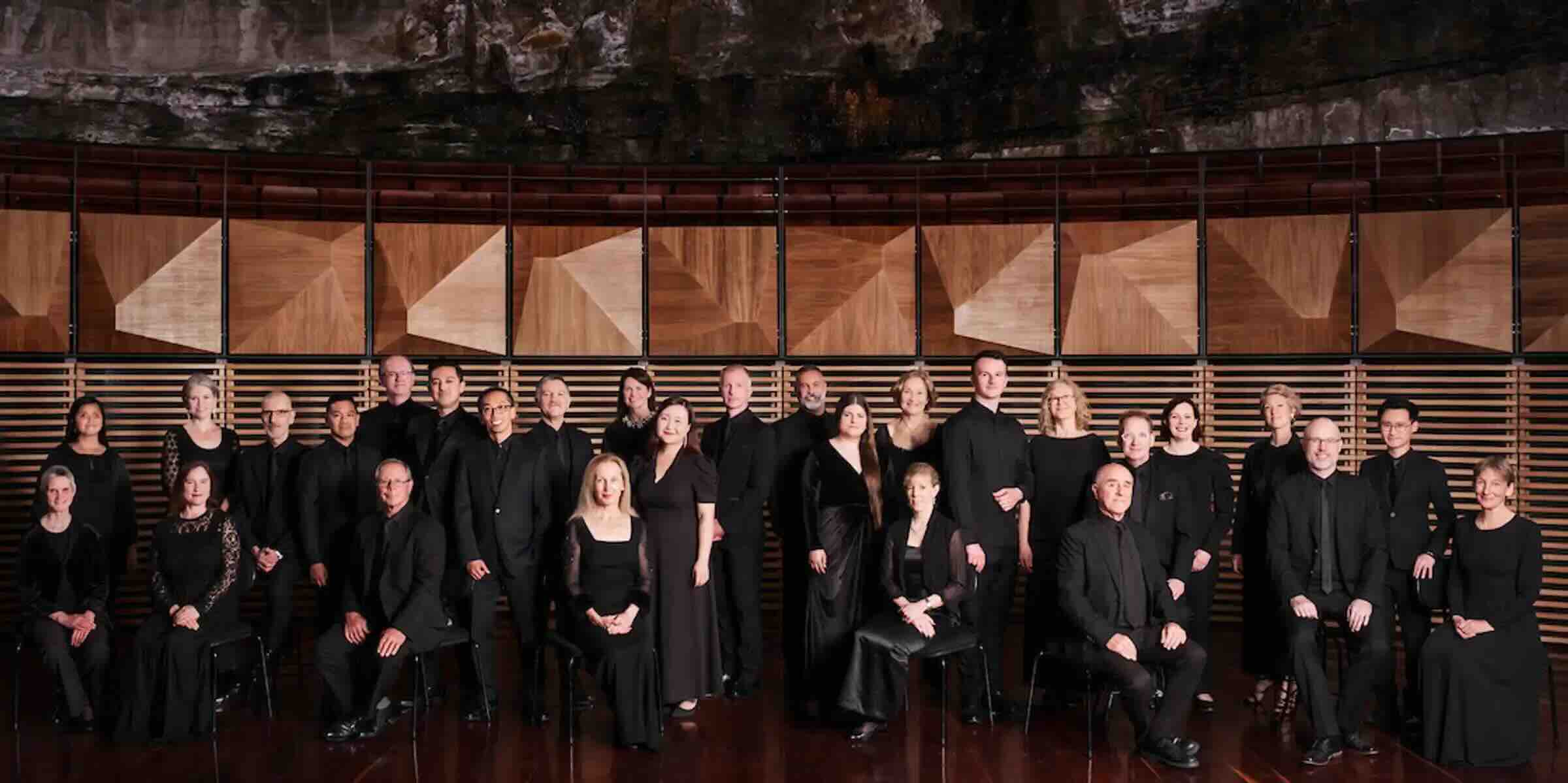
Huge kudos to MSO Chorus Director Warren Trevelyan-Jones and members of the MSO Chorus, I think there were around 200 fine singers, who started the first verse of Klopstock’s ode from the seated position. The Chorus sang their entire part from memory. No music. No folders. This was a stroke of genius, ensuring a seamless transition to the chorale with no distractions, and further elevating the performance. It was heavenly and extraordinary. A magical touch.
While I’m no Mahler scholar, I enjoyed the performance very much. I could hear echoes of Beethoven and Wagner, and Strauss and Bruckner. I loved the traditional melodies of the Andante and the occasional birdsong from the flutes and piccolos. And while there is lots of despair and darkness, those final moments make everything worthwhile. There was sustained and well-deserved standing applause afterwards.