Melbourne Symphony Orchestra | An Evening of Fairy Tales
May 15, 2025, Hamer Hall, Arts Centre Melbourne
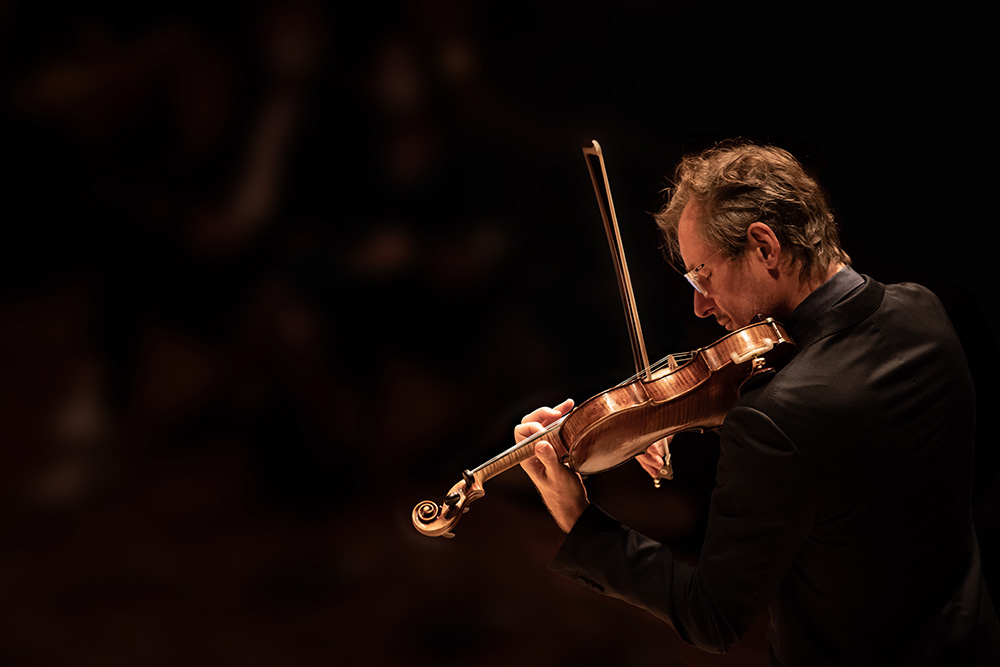
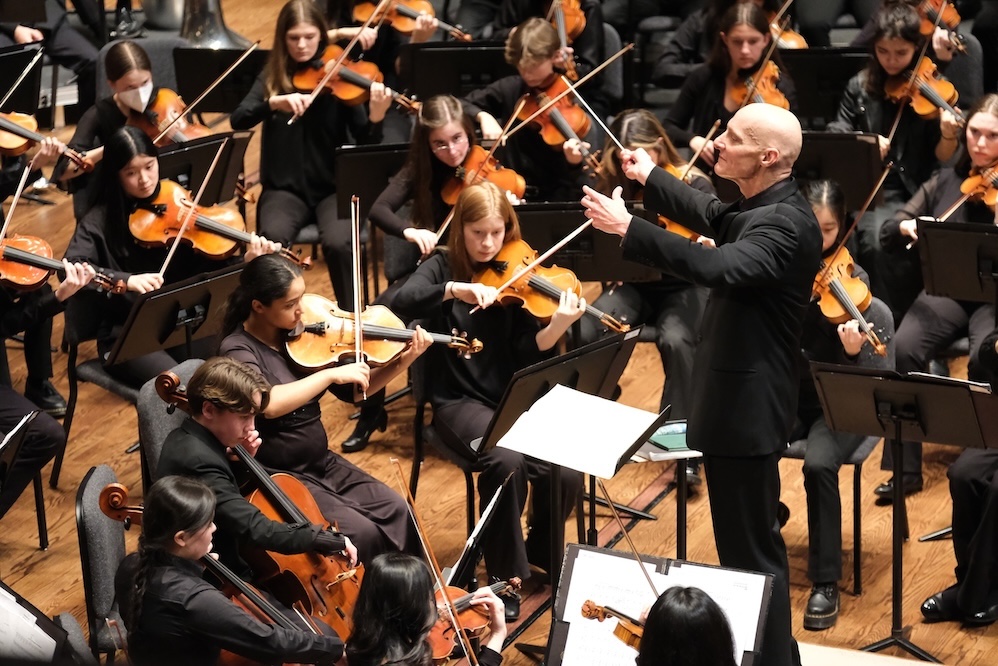
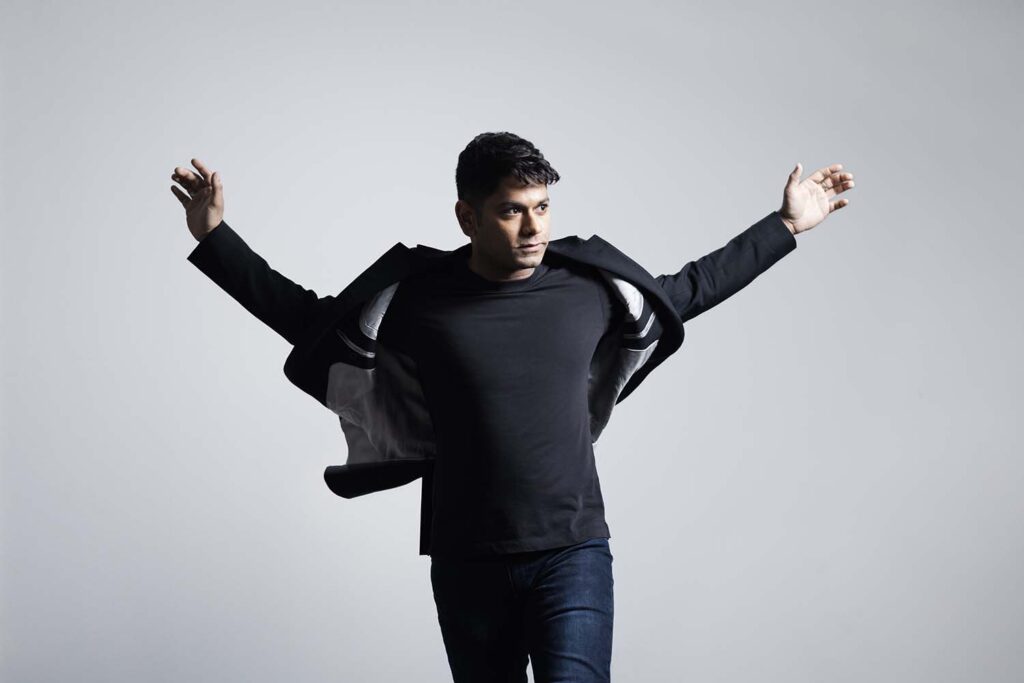
For classical music lovers, it’s a real treat to hear the music of operas and ballets by renowned composers without the visual spectacle of sets and costumes, soaring vocals and twirling ballet dancers (wonderful though these may be). British conductor Alpesh Chauhan curated just an experience, around the theme of fairy tales, to show off the Melbourne Symphony’s Orchestra’s (MSO) talent and mastery of the form, with Guest Concertmaster Adam Chalabi.
First was Englebert Humperdinck’s Prelude for Hansel and Gretel. In the words of Ingrid Martin in their pre-concert talk, Humperdinck was a one-hit wonder when it came to composing and Hansel and Gretel was it (unlike, arguably, the British singer who took on the composer’s name). Even with this being the case, Humperdinck was a contemporary of Richard Wagner and his influence is evident throughout the opera’s nine-minute prelude. Remember as well that Hansel and Gretel premiered in 1895, well before popular culture got its hands on the story, meaning the opera is closer to the ‘original’ fairy tale, where at the end, all of the captured children who’ve been turned into gingerbread, so they could be eaten, come back to life with glee.
The opening horn quartet was a beautiful way to start the show, so rich and lush, with the strings slowly swelling to set-up the woodwind’s lilting overtones, together creating the dreamy sense of children falling to sleep before their adventure. Then came the witch, with the trumpet leading the brass section into the fray, before the strings’ wonderful legato phrasing truly swept you away into the fantasy world of children vanquishing witches and being woken up by fairies. The woodwind section gave a sense of cheeky and frolicking children throughout, while the lower brass gave great depth and volume as the orchestra surged towards the ending, with the piccolo getting the final say, like a ‘cherry on top’.
Next came a selection of six dances from Act II of Sergei Prokofiev’s ballet, Cinderella. Although the story itself is about love and dreams, Prokofiev was composing the work throughout the Second World War and while experiencing tumult in his own love life — between his first wife Lina, and Mira, who’d later become his second wife. This tension between love’s romantic ideal and the harshness of reality was well-illustrated in the artistic choices to perform the central parts of the story: Cinderella as ‘belle of the ball’, the prince arriving, their meeting and falling in love, and the ever cruel presence of time.
The ’Promenade’ introduced this thirteen-minute whirlwind through Cinderella, and it’s all about the brass section in this ‘blink and you’ll miss it’ piece. In ‘Cinderella’s Dance’, the clarinets give voice to her internal awkwardness as a peasant, while the strings and upper woodwind showcase her beauty. The low brass and percussion announce the arrival of ‘The Prince’s Dance’, all too reminiscent of Prokofiev’s ‘Dance of the Knights’ in his earlier ballet, Romeo & Juliet. ‘Duet for the Prince and Cinderella’ was a beautiful respite from the heaviness of the prince’s arrival, with MSO’s cello section revelling in the sweetness and hope of blossoming love (Chauhan, a cellist himself, was leaning in to give them extra encouragement).
The tuba gets to shine in the ‘Waltz-Coda’, providing the ‘oom-pah-pah’ pulse for the dance, while the violins and violas weaved together to produce thick melodies. The orchestra sped towards the finish and, without stopping, went straight into ‘Midnight’, the ballet’s signature piece. Here, the orchestra might be providing the dramatic mood, but without the percussion section there’d be no clock ticking, or chimes sounding, as time counts down the final moments of the fairy godmother’s spell.
After interval, Chauhan’s mastery of Pyotr Tchaikovsky’s work was evident in both the selection of dramatic highlights of Sleeping Beauty and ensuring the orchestra felt right at home in this one-hour ‘snapshot ‘of the three-hours long ballet. Tchaikovsky was composing this follow-up to Swan Lake when Humperdinck was writing Hansel & Gretel and explains why the bad fairy is known by their ‘original’ folk name Carabosse, but not why the character was re-named to Maleficent 60 years later by a certain animation company.
Although a couple of Sleeping Beauty favourites were included in the show, this was no ‘hits parade’. The choices from the prologue and three acts were clearly designed to showcase the overarching soundscape of the ballet, in turns contrasting Princess Aurora’s sweetness and beauty with the darkness of the curse, before the ‘happy ever after’ finish. Overall, it was a consummate performance, with the stand outs being the ‘Waltz’ and ‘Rose Adagio’ from Act I, the latter receiving the only round of spontaneous applause between the ten dances (and for the night).
–––––
An Evening of Fairy Tales
Conductor: Alpesh Chauhan
Melbourne Symphony Orchestra: Behind the music
Humperdinck Hansel and Gretel: Prelude
Prokofiev Cinderella: At the Ball (Highlights from Act II)
Tchaikovsky Dramatic highlights from Sleeping Beauty