Melbourne Symphony Orchestra | New World Symphony
November 26, 2025, Hamer Hall, Melbourne, VIC
The Occasion
Thursday night to brighten and inspire the Melbourne denizens as we enter the final stretch of a tumultuous 2025. Heading to Hamer Hall to hear the illustrious MSO present a new work by the Uber talented First Nation’s female musical colossus, Deborah Cheetham Fraillon AO and Dvorak’s celebrated 9th. Even though last night’s Thanksgiving has not made the trans-Atlantic migration with commercial pomp of Halloween, so much to be thankful for in this fascinating program – minus the melted marshmallows on roast pumpkin and corn.
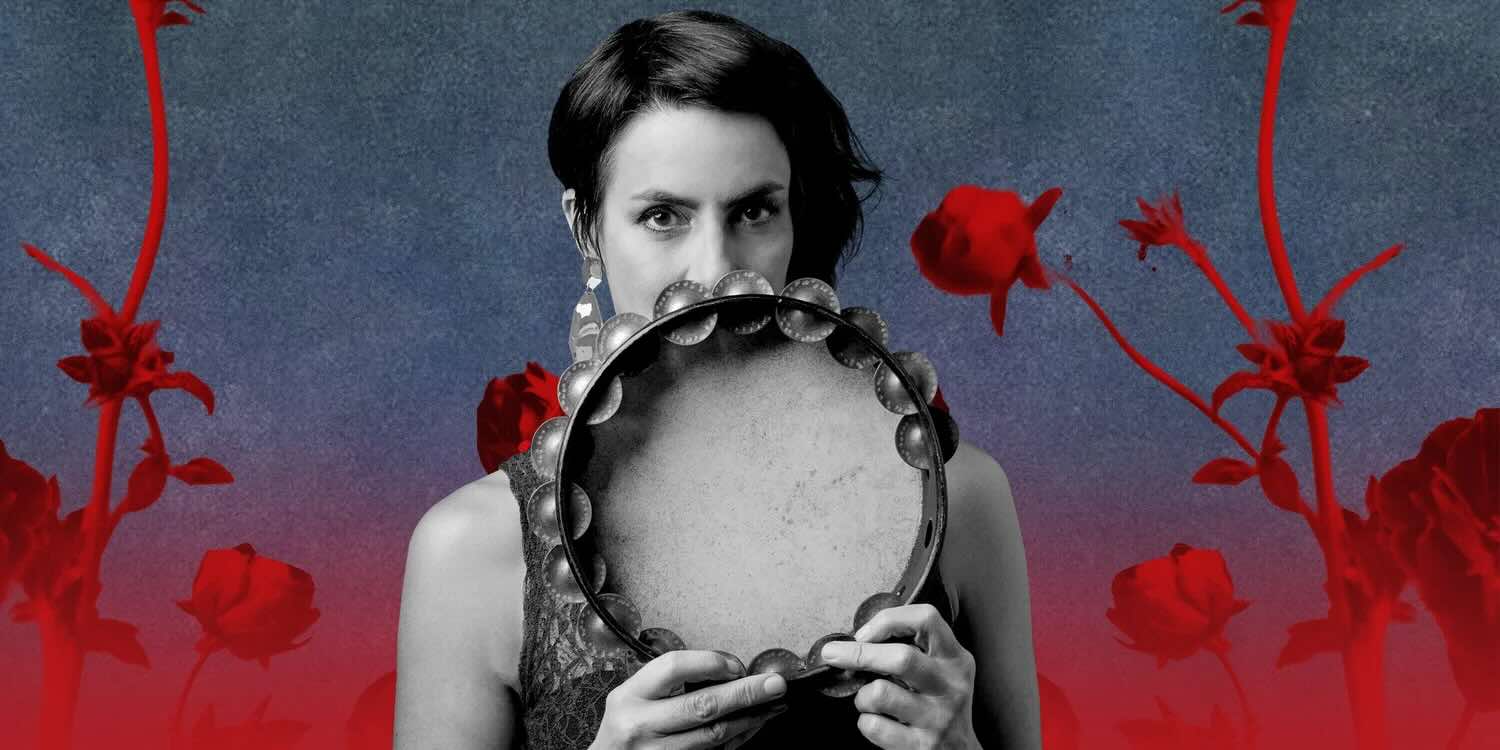
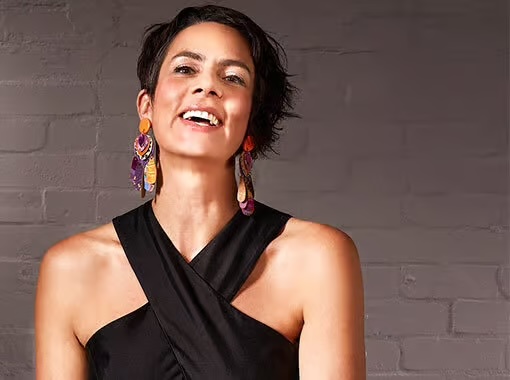
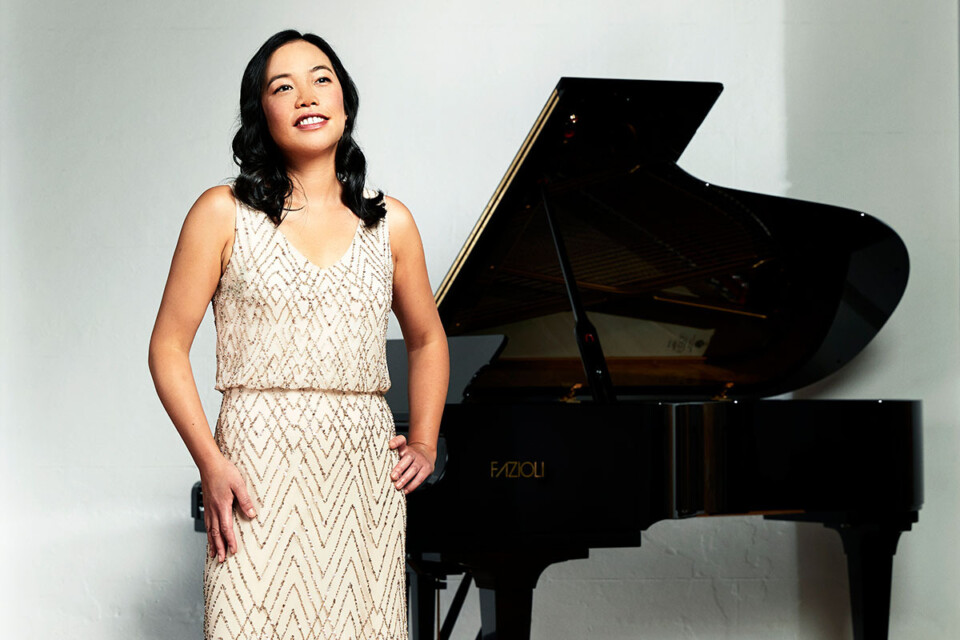
Deborah Cheetham Fraillon AO
Born in 1964 on Yuin land in Nowra, Deborah Cheetham Fraillon is a proud Yorta Yorta woman, soprano, composer, playwright and arts leader. Raised as part of the Stolen Generations, she grew up in a white Baptist family — a history she later confronted through music and theatre. She studied at the Sydney Conservatorium of Music and later honed her voice at the Metropolitan Opera and the Juilliard School in New York. In 2010 she premiered Pecan Summer — the first opera by an Indigenous Australian, with an all-Indigenous cast, igniting a new chapter for First Nations voices in classical music. Her compositions such as Eumeralla, a War Requiem for Peace and subsequent works weave Indigenous languages and histories into contemporary classical music — transforming pain into power, and personal history into national cultural memory.
Antonín Dvořák
Dvořák (1841–1904), born in a Bohemian village to a butcher’s family, rose from humble beginnings to become one of the Romantic era’s most beloved composers. A gifted violist, he absorbed folk melodies from his rural surroundings, infusing them into symphonies, chamber works and operas. International fame arrived after Brahms championed his music, leading to Dvořák’s celebrated tenure in New York, where he composed the “New World” Symphony in 1893. Inspired by African American spirituals, Native American melodies and his homesickness for Bohemia, it blends American themes with Czech lyricism. Premiered in New York, it became an instant triumph and remains one of the world’s most performed symphonies.
The Performance
What a joy and a triumph of an evening — a truly magical and wonderful experience. The first half was, indeed, a revelation. Deborah Cheetham Fraillon herself came out and sang, with huge dollops of passion, the Welcome to Country (which she composed). This was received with rapturous appreciation.
Thus the concert began in earnest with Price’s Concert Overture. This was essentially a medley of Let My People Go and Nobody Knows the Trouble I’ve Seen, sumptuously penned with pomp, jazz, and passion for an ensemble rich in percussion and brass.
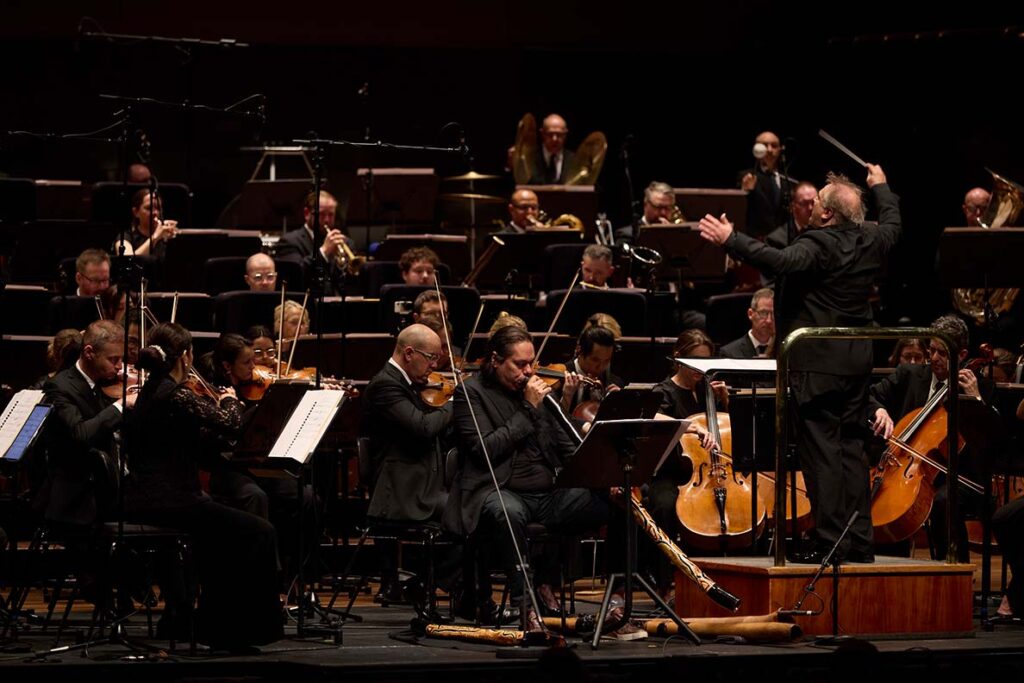
Next came an absolute treat: Deborah Cheetham Fraillon’s Treaty, featuring an extraordinary addition to the contemporary repertoire through its groundbreaking, multi-monotonal didgeridoo solo part. This is no ordinary use of a didgeridoo; instead, it pushes the ancient instrument’s possibilities to their extreme, necessitating a newly devised form of notation to integrate it fully into a modern score. The charismatic performer of this unique part was the prodigiously talented William Barton.
Bravo, Deborah! Bravo! Together with the virtuoso Barton – who tapped, circular-breathed, rhythmically chanted, and modally vocalised his way through this exciting score – they created something utterly new and deeply engaging. There were echoes of Górecki’s Symphony of Sorrowful Songs and Barber’s Adagio for Strings: a contemporary sound world grounded in engaging, accessible diatonic harmonies. Most importantly, the audience lapped it up. A triumph!
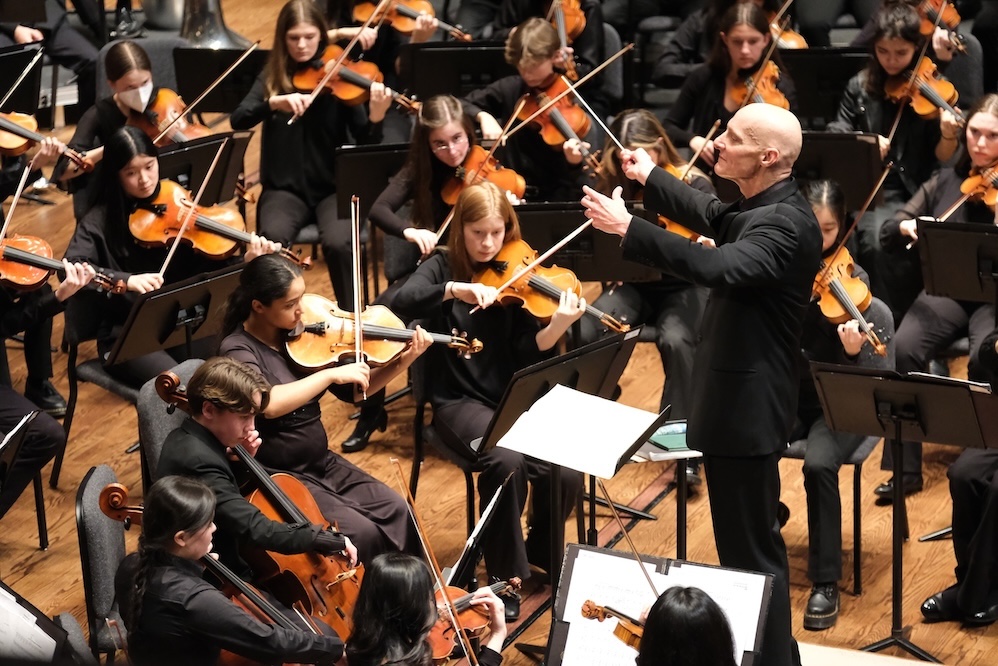
The second half was a Dvořák delight. The MSO, under the clear, passionate, and dramatic baton of Spanish conductor Jaime Martín, performed with firmness, clarity, gusto, lyricism, drama, and beauty. The symphony itself is a homage to Beethoven’s Ninth (especially in the third movement), and, aside from a slight overload of repetition in the central theme of the fourth movement, the work — and its execution — were a sheer delight. Congratulations to the MSO and Maestro Martín for such fabulous programming: eclectic, diverse, rich, and elevating.
Photo Credit: Laura Manariti