Salut! Baroque | Invitation to the Dance
26 April, 2026, Verbrugghen Hall, Sydney, NSW
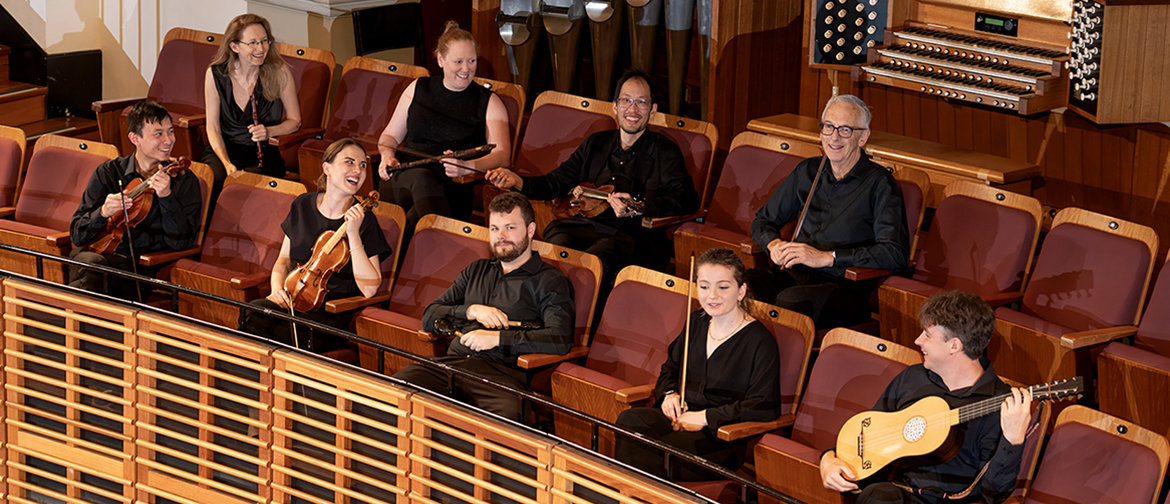
Artists:
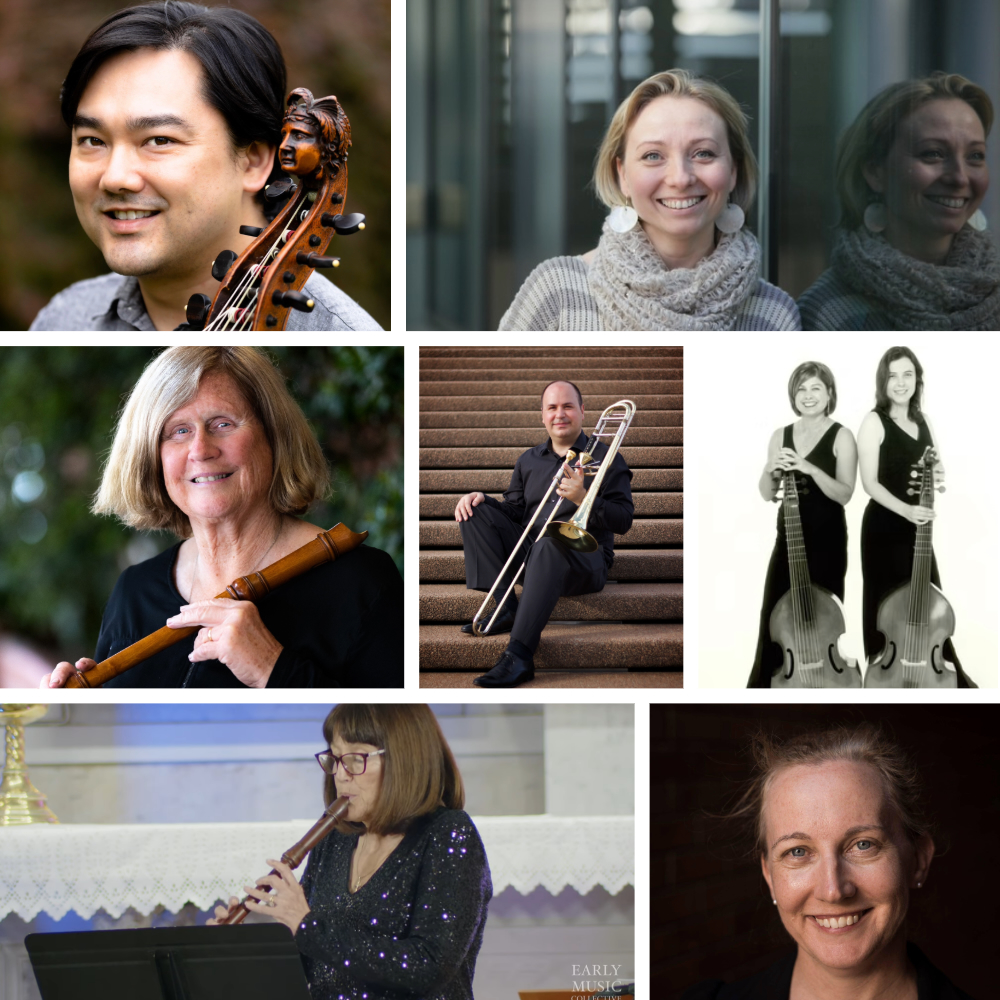
Aimee Brown – Baroque Dance
Sally Melhuish, Alana Blackburn – Recorder
Sally Walker – Baroque Flute
Jane Downer – Baroque Oboe
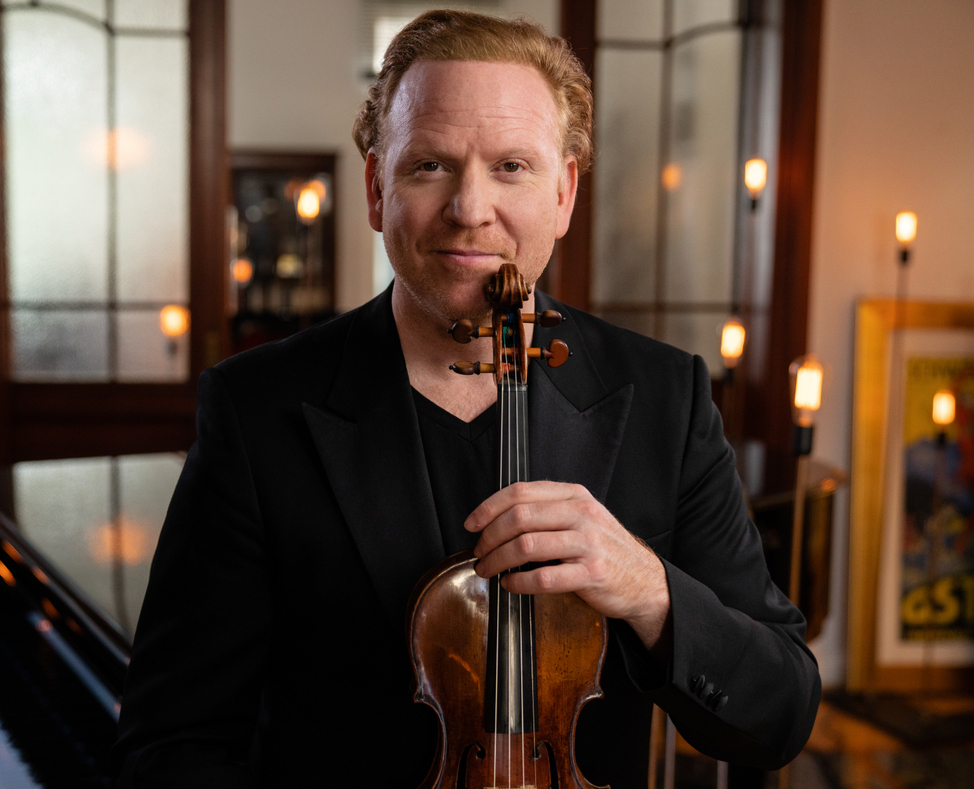
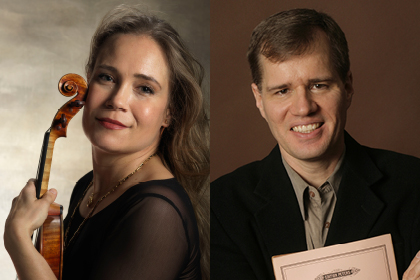
John Ma, Jared Adams – Baroque Violin
Brad Tham – Baroque Viola
Tim Blomfield – Bass Violin
George Wills – Theorbo / Baroque Guitar
Will Naayen – Percussion
Monika Kornel – Harpsichord
Program:
Jean-Fery Rebel Les caracteres de la danse
Christoph Graupner Le Desire
Christoph Graupner Uccellino; Polonaise
Philipp Heinrich Erlebach Trio Sonata No.2 in E minor
Georg Philipp Telemann Ouverture-Suite in B-Flat Major
Henry Purcell Dances from The Fairy Queen
James Oswald The Marvel of Peru
Jean-Baptiste Lully Les Saisons
Johan Helmich Roman Golovinmusiken
Anonymous Fa nye mama
“Music and dance are all you need.” So wrote Molière, and this program made a compelling, and poetic, case for it. As the program notes pointed out, “without dancing per se, there would be no Baroque music as we know it.” Even more striking: “without dance, the idea of repeating and varying a musical phrase may never have developed at all.” That thought reframed the entire concert for me, in that, what we were hearing wasn’t simply a sequence of Baroque works, but a sort of catalogue of movements – forms shaped by bodies, steps, patterns, that were likely there before they became abstract musical devices. How interesting!
At the court of Louis XIV, dance and music were inseparable from power. With Jean-Baptiste Lully controlling the musical life of Versailles, every gesture was codified, every performance part of a larger display of authority. Invitation to the Dance drew on that world, but what came across most strongly for me was the vitality of the music itself.
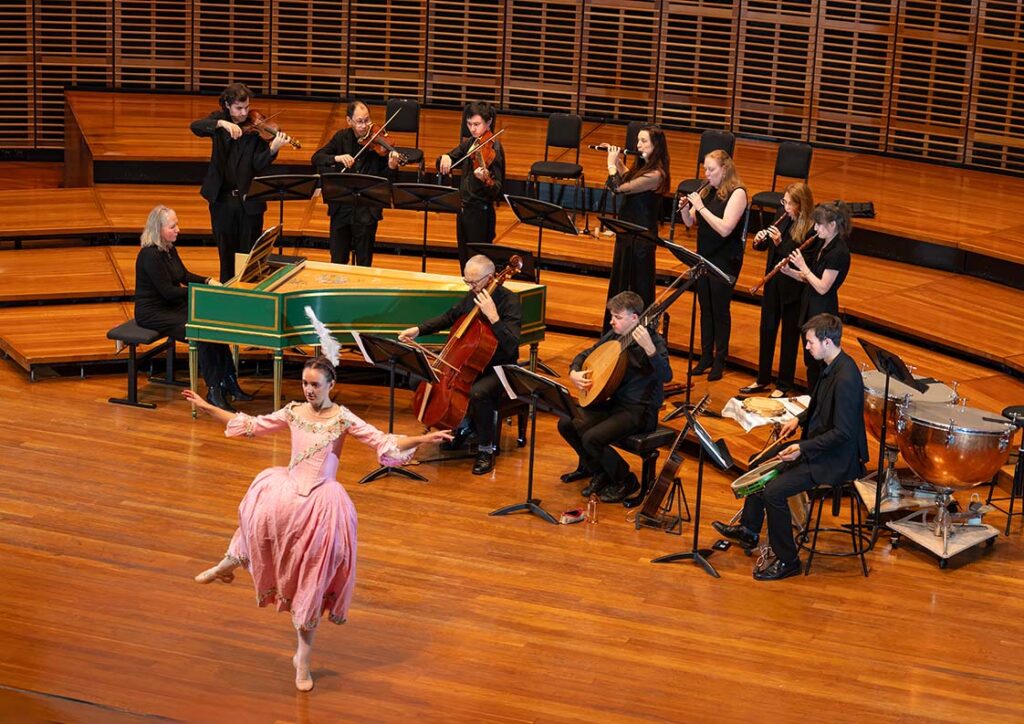
The concert opened with Les caractères de la danse, beginning with a slow, measured walk — regal, poised. Into this stepped dancer Aimee Brown, period costumed in a pink dress with a tall white feather rising from her headdress. Ostrich, perhaps. It was striking. Her dancing was all clicks of the heels and flicks of the wrists, small, precise, highly controlled gestures that matched the articulation of the music.
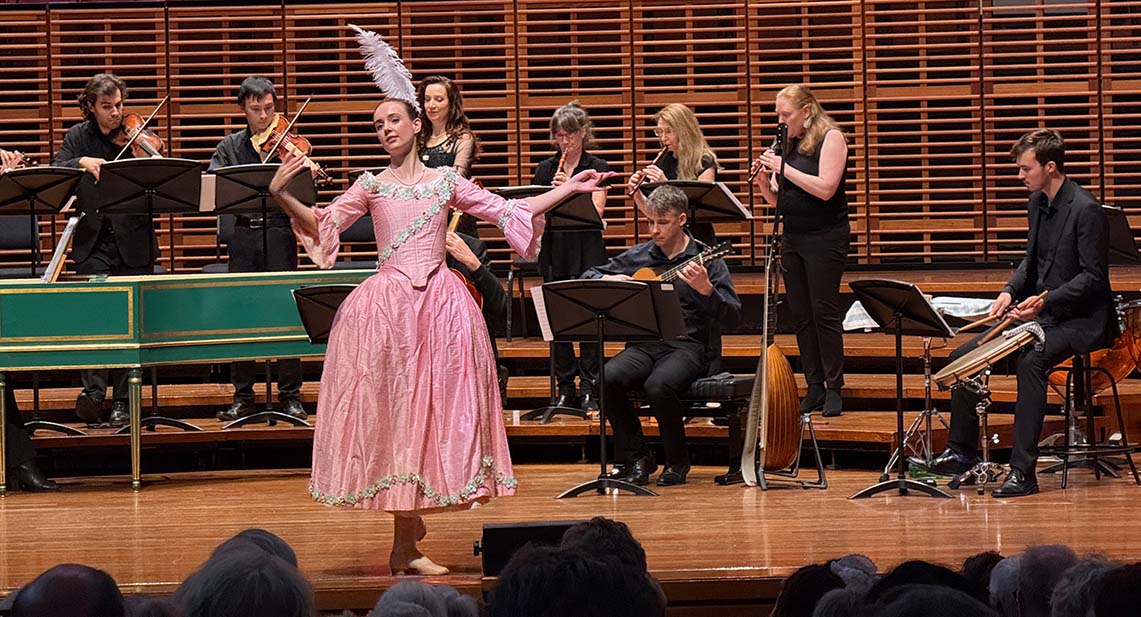
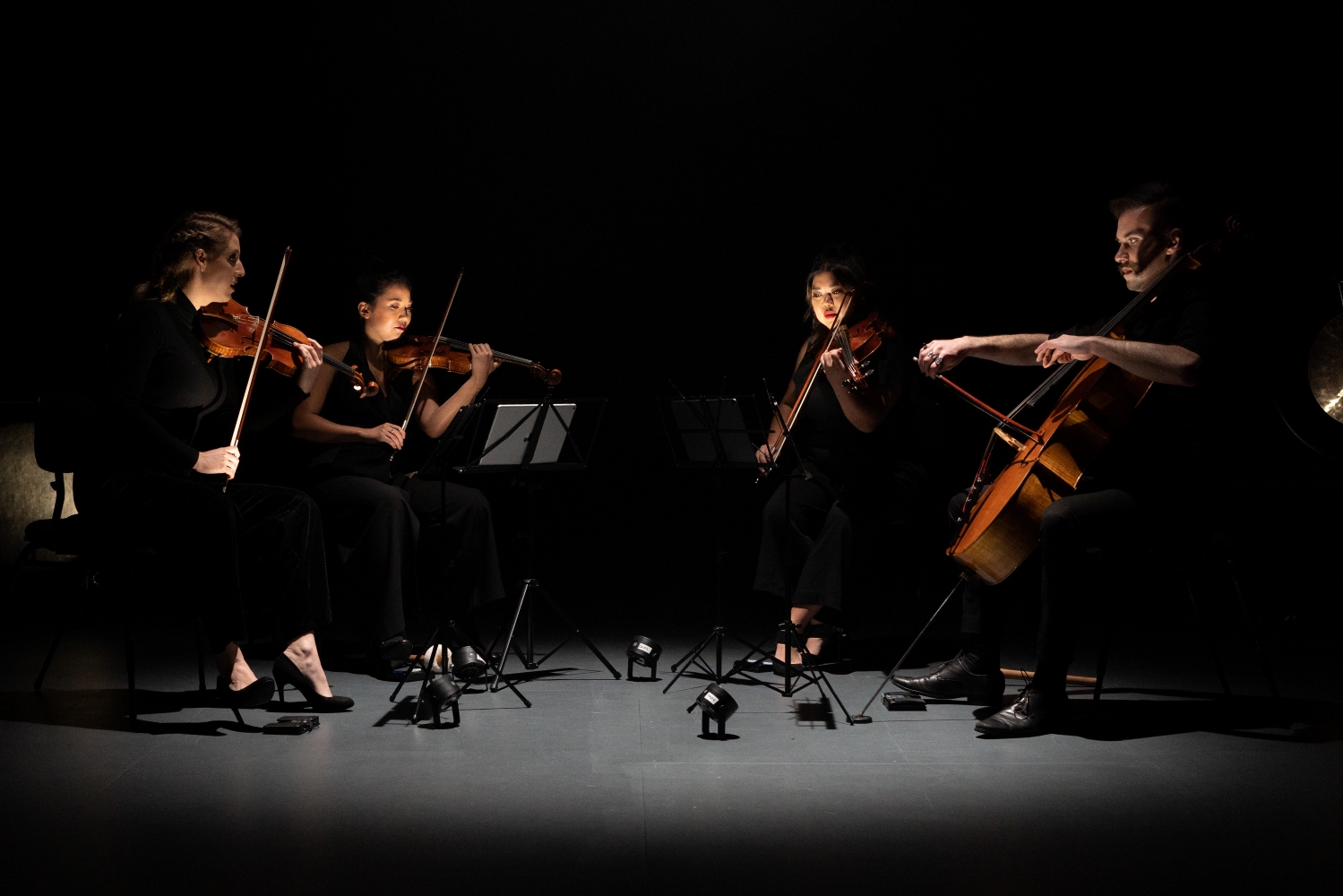
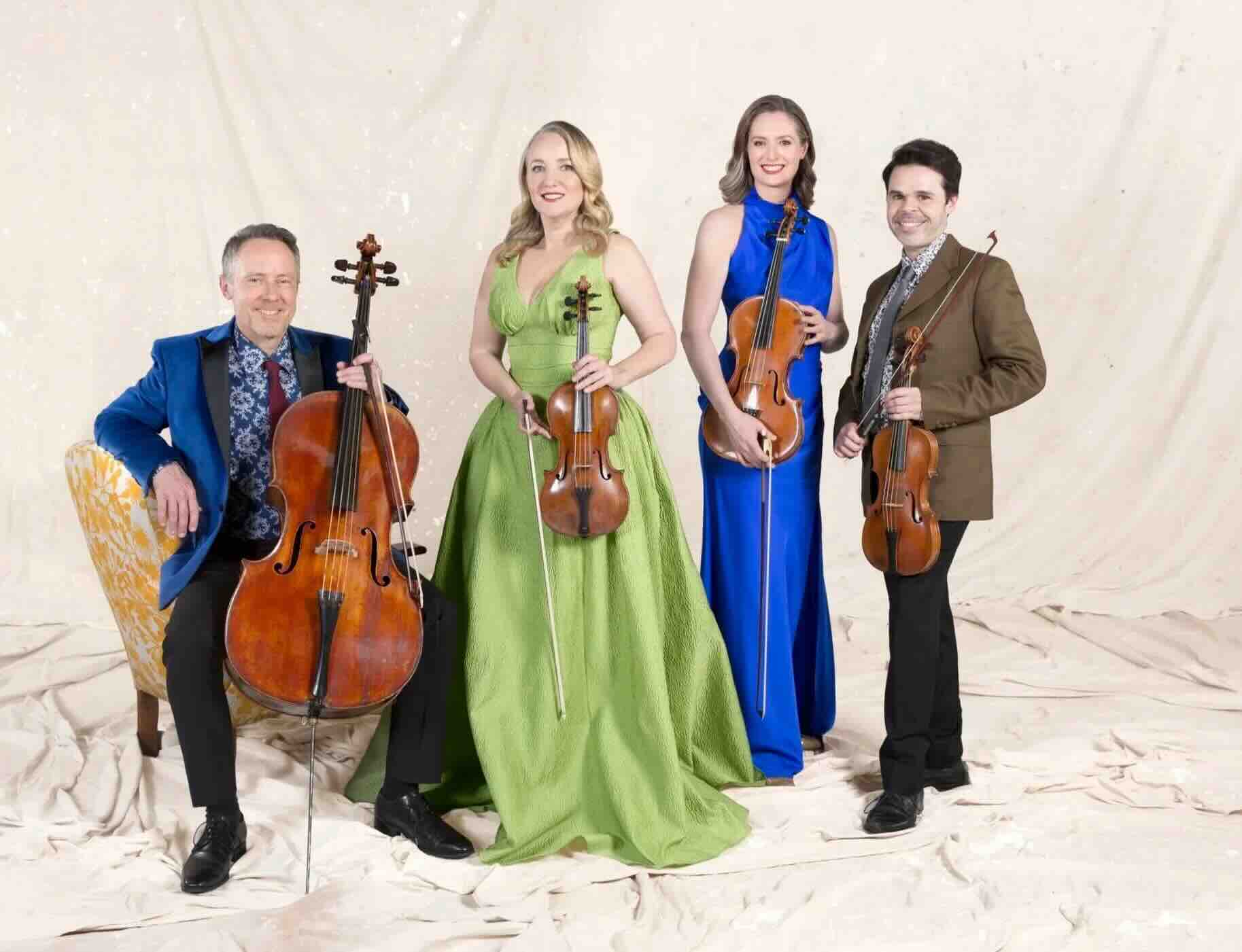
There was a strong sense of elegance across these danced works, this is an ensemble I find consistently excellent in their playing. In the Rebel, moments of restraint gave way to bursts of energy — strings and flutes darting forward before returning to a tightly unified ensemble. The sequence of short dances, maybe a dozen or so, unfolded with variety and charm, each one given physical form through Brown’s movement. It was fun to watch and musically engaging, and it’s not something you see often in Sydney.
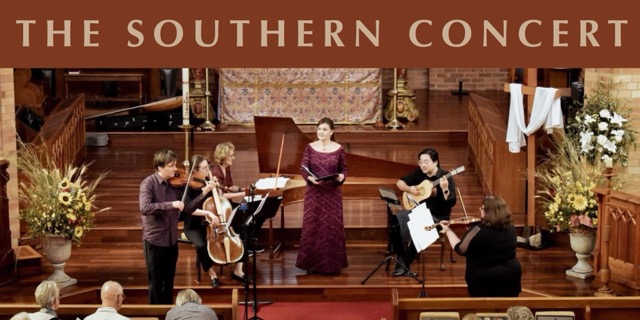
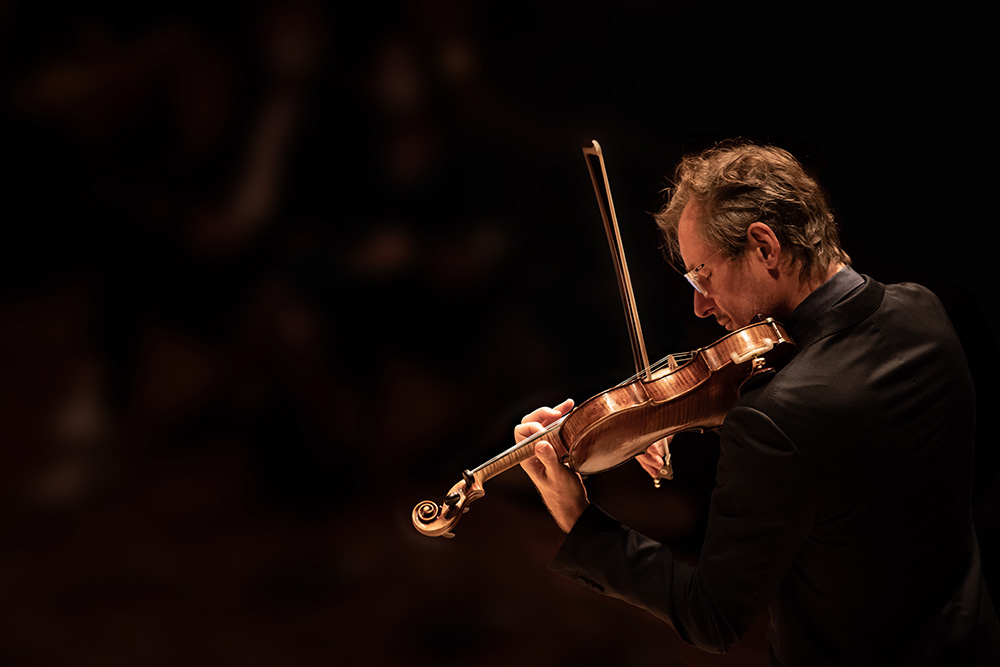
From there, the program moved through a range of instrumental combinations, each offering a different perspective on dance. In the music of Christoph Graupner, a gentle solo from violinist John Ma sat above pizzicato strings and theorbo — understated and beautifully shaped. The Uccellino was a standout: the flute articulation was so vivid it genuinely evoked birdsong, light and playful, the tonguing crisp and characterful. The ensemble looked like they were really enjoying themselves here, and that sense of energy carried into the sound.
Works by Philipp Heinrich Erlebach and Georg Philipp Telemann continued the exploration of texture and form. The Erlebach in particular offered an unusual and effective pairing of flute and viola, the duet writing clean and well balanced, supported by harpsichord, cello and theorbo. In the Telemann, the oboe stood out – the recorder and oboe duet was a delight, followed by a well-shaped call and response between oboe and violin.
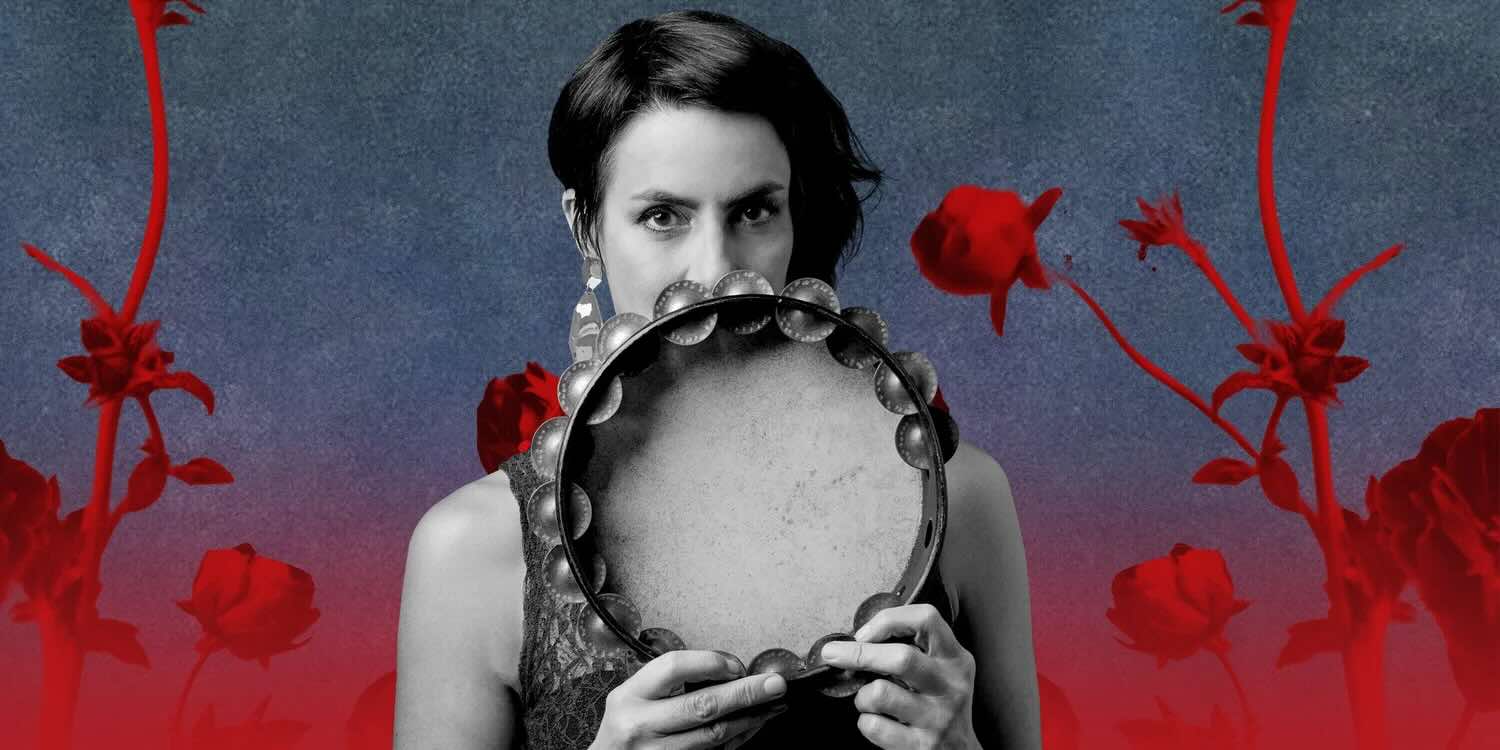
The dances from The Fairy Queen were a highlight of the afternoon. The addition of tambourine and percussion brought immediate lift and a jovial character. The “monkey’s dance” was playful, slightly mischievous, with the flute leading a line that felt as though it was tripping along.
James Oswald’s The Marvel of Peru opened with a strong, march-like energy before shifting into something more folk-inflected. It had a distinct character, dance-like, even without the dancer on stage, with flute, strings and guitar combining to create a sound world that felt quite removed from the French court we began in.
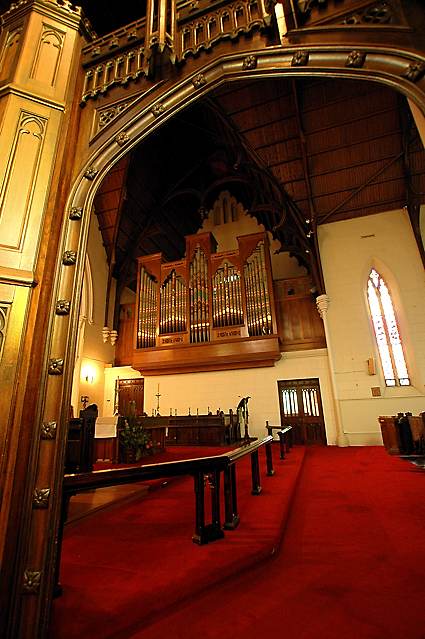
Jean-Baptiste Lully brought us back to that courtly frame. The percussion, including a delicately handled triangle, added colour without overwhelming the texture. A solo flute line in this space was particularly effective, the acoustic of the Verbrugghen, while possibly a bit large for a small chamber group, allowed moments like this to carry and bloom beautifully.
Not every transition in the program was easy to follow. The sheer number of short dance forms and the stylistic shifts between them meant that at times it was difficult to hold onto a clear through-line. But taken as a whole, the variety became part of the experience.
Later works, including those by Johan Helmich Roman, brought a more overtly folk dance inspired energy. A minuet, accompanied by Brown now donning a gold tiara, was elegant and well-matched to the music. The final anonymous Romani folk dance brought the program to a lively close, its melody passing between instruments, glissandi in the strings, the tempo pushing forward to the big finish.
This was a super concert. The playing was consistently high quality, the programming interesting, and the inclusion of dance added a new dimension. Salut! Baroque are clearly deeply skilled in this repertoire, and it shows.
It’s not something we get to experience often in Australia. All the more reason to seek it out when it appears.
Photo credit: Paul Porteous, Pepe Newton