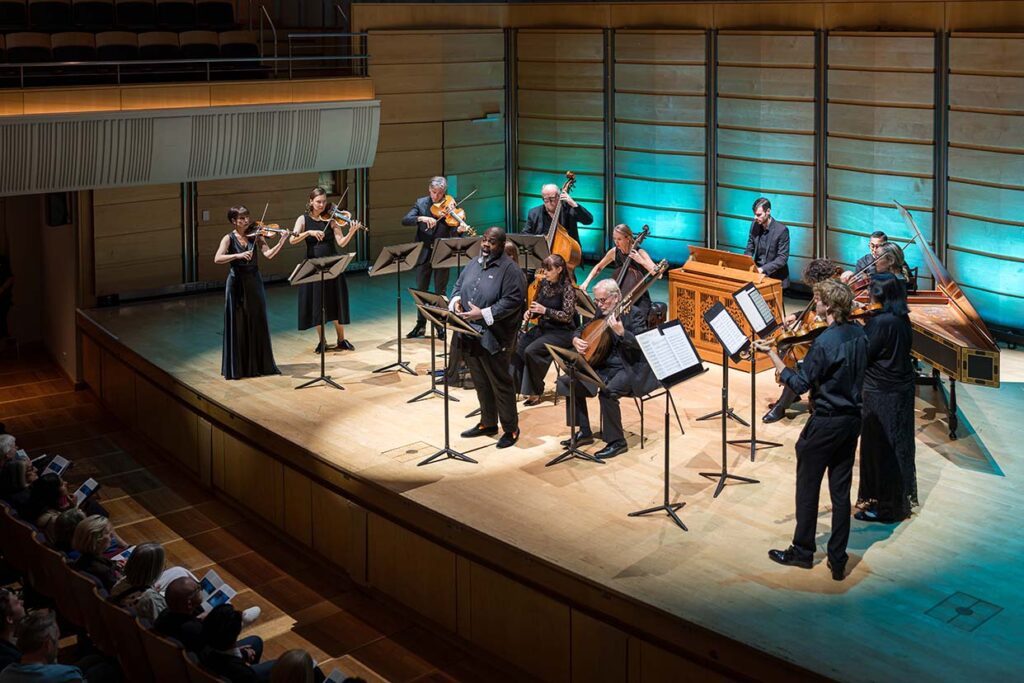
Bach Akademie Australia | The Countertenor – Bach’s Holy Spirit
6 April 2025, City Recital Hall, Sydney, NSW
PROGRAM:
J.C. Bach: Lamento ‘Ach, dass ich Wassers gnug hätte’
J.S. Bach: Orchestral Suite No.2 in B minor
J.S. Bach: Cantata BWV 82 ‘Ich habe genug’
A. Vivaldi: Salve Regina R.616 (Antiphona)
J.S. Bach: Cantata BWV 54 ‘Widerstehe doch der Sünde’
ARTISTS:
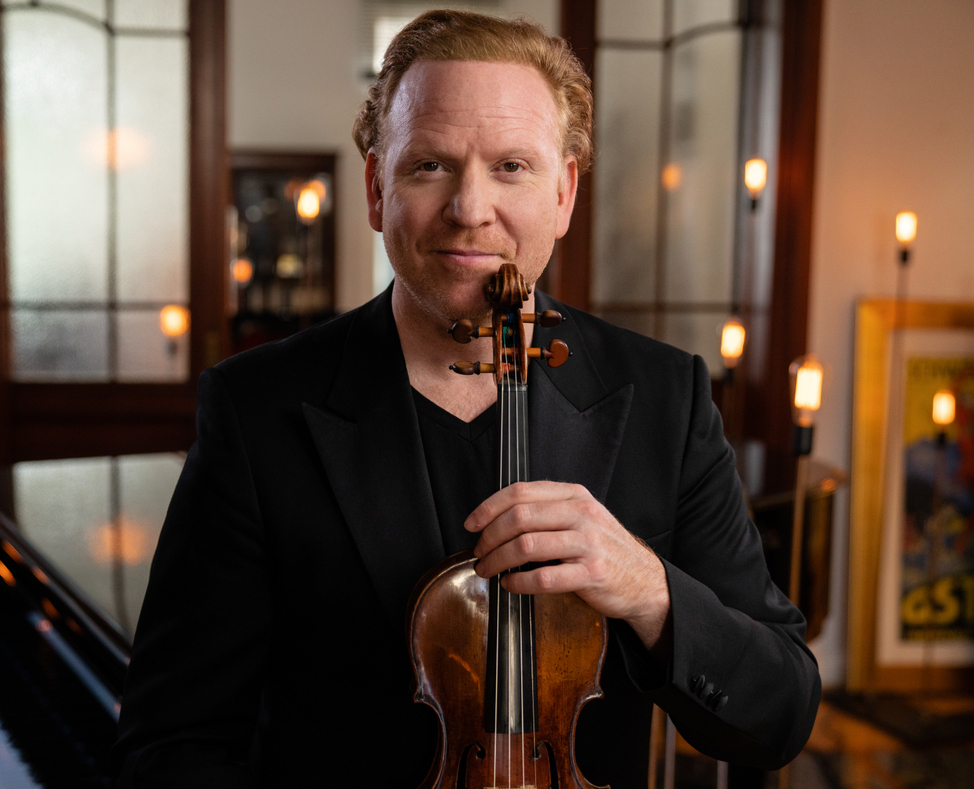
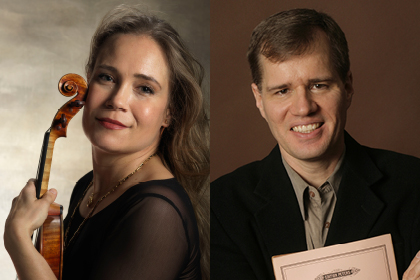
Countertenor: Reginald Mobley
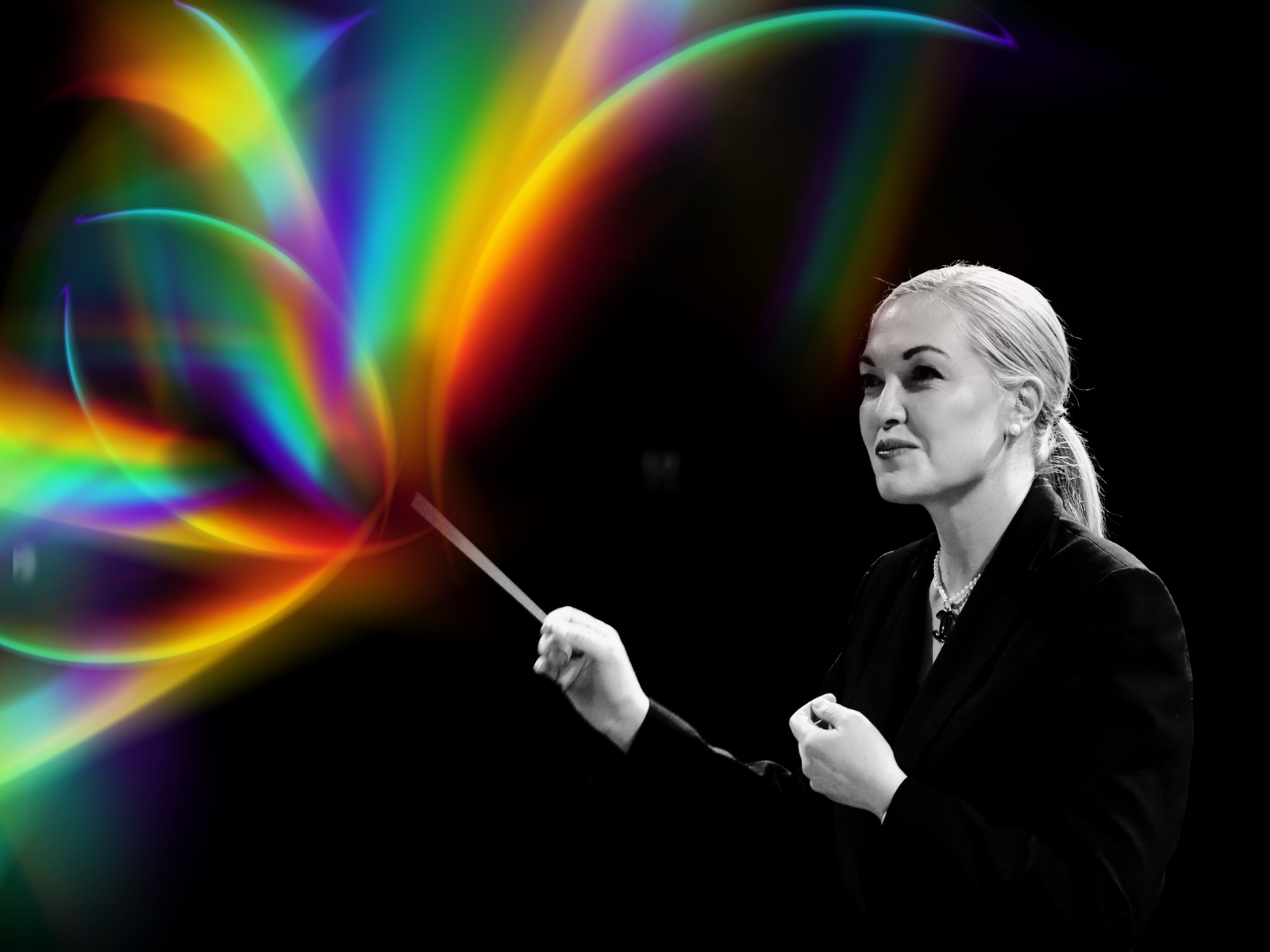
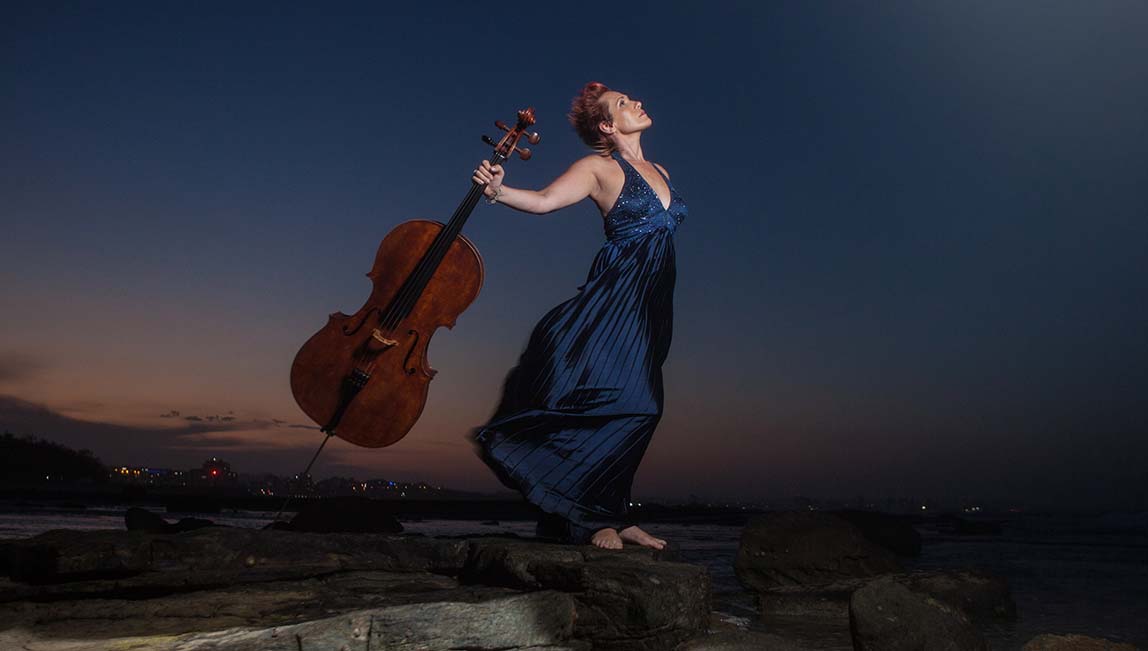
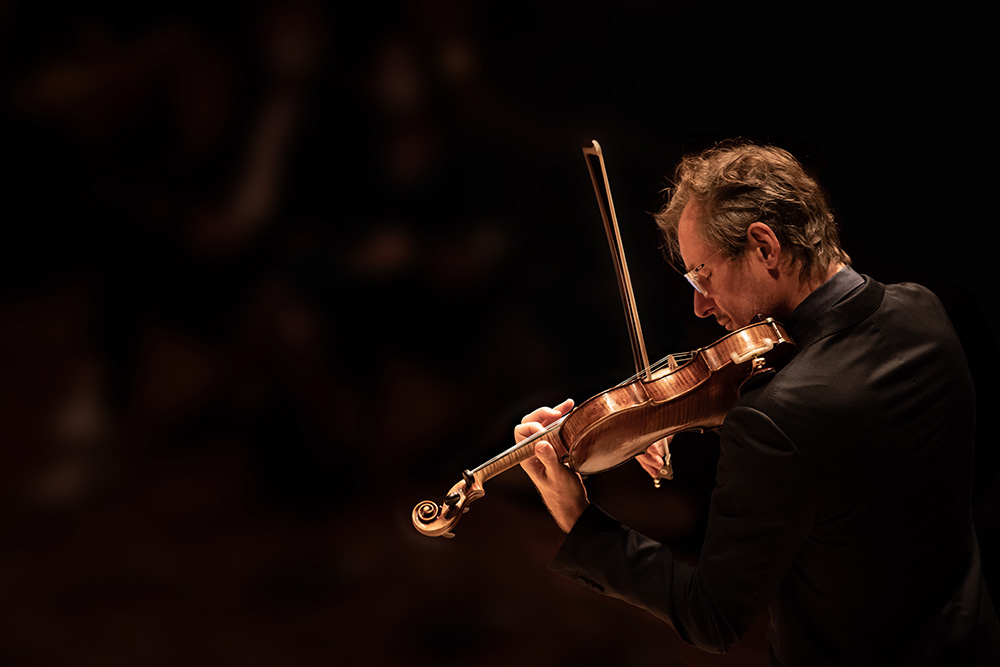
Artistic Director: Madeleine Easton
Bach Akademie Australia
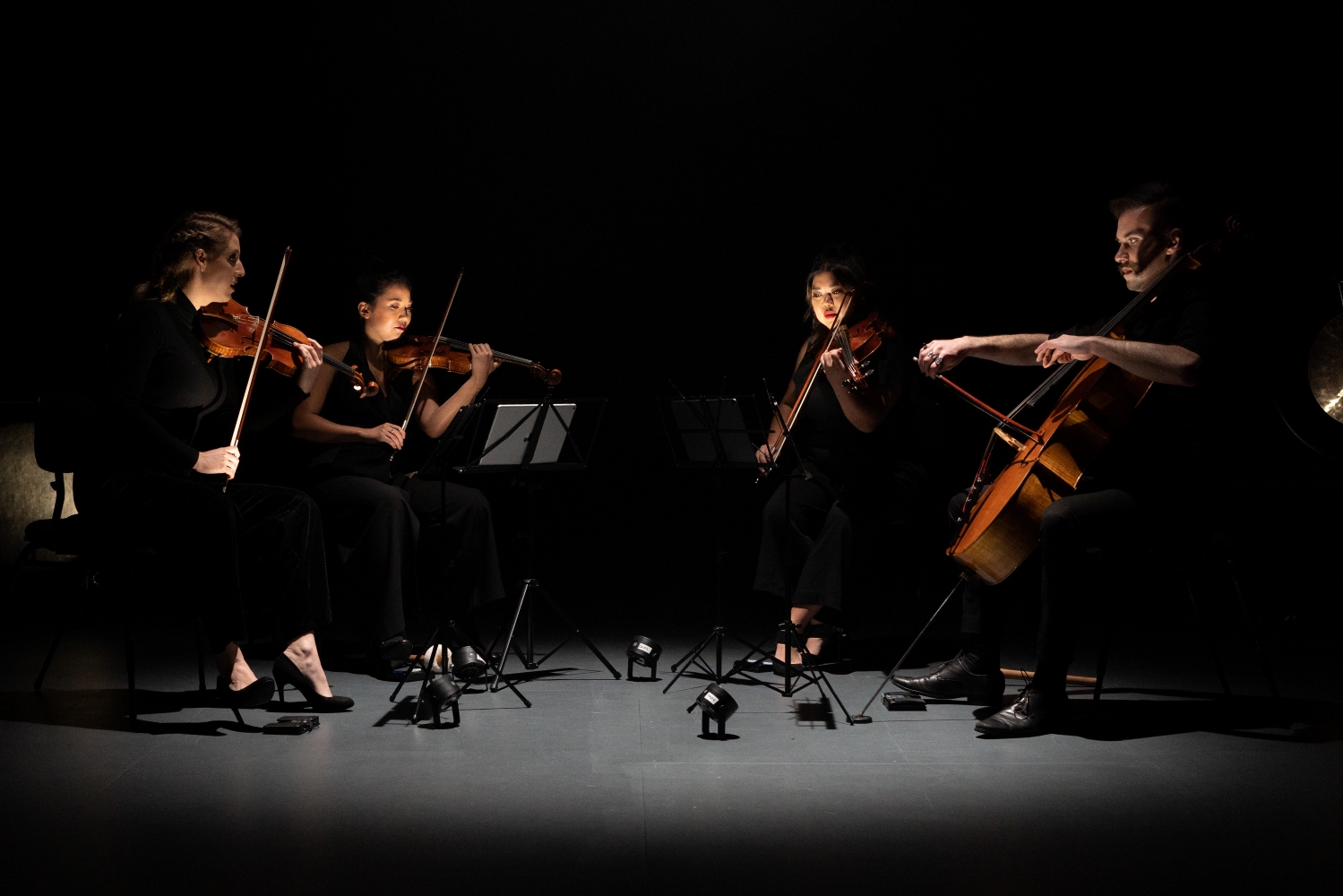
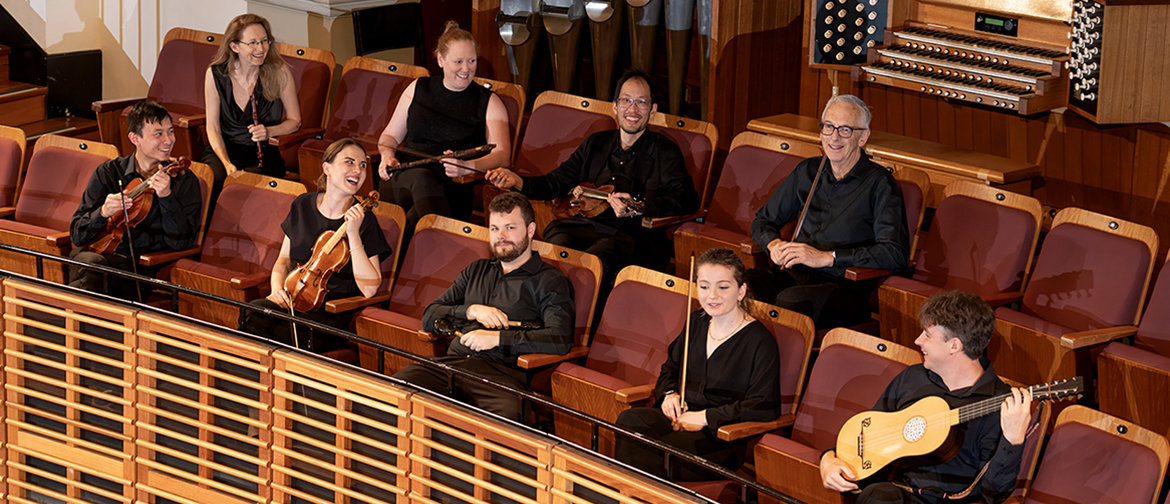
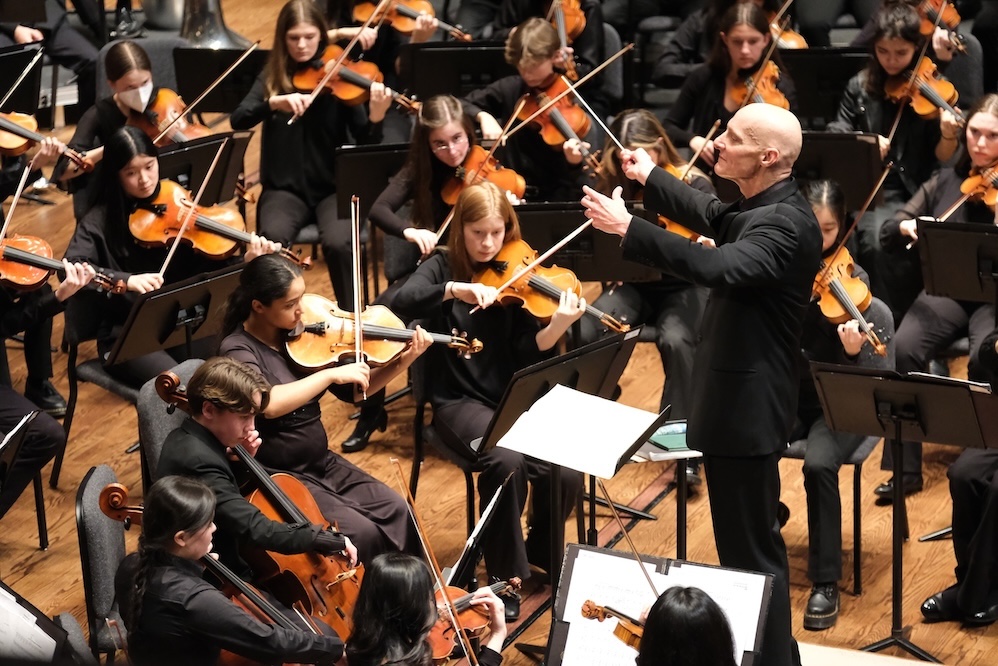
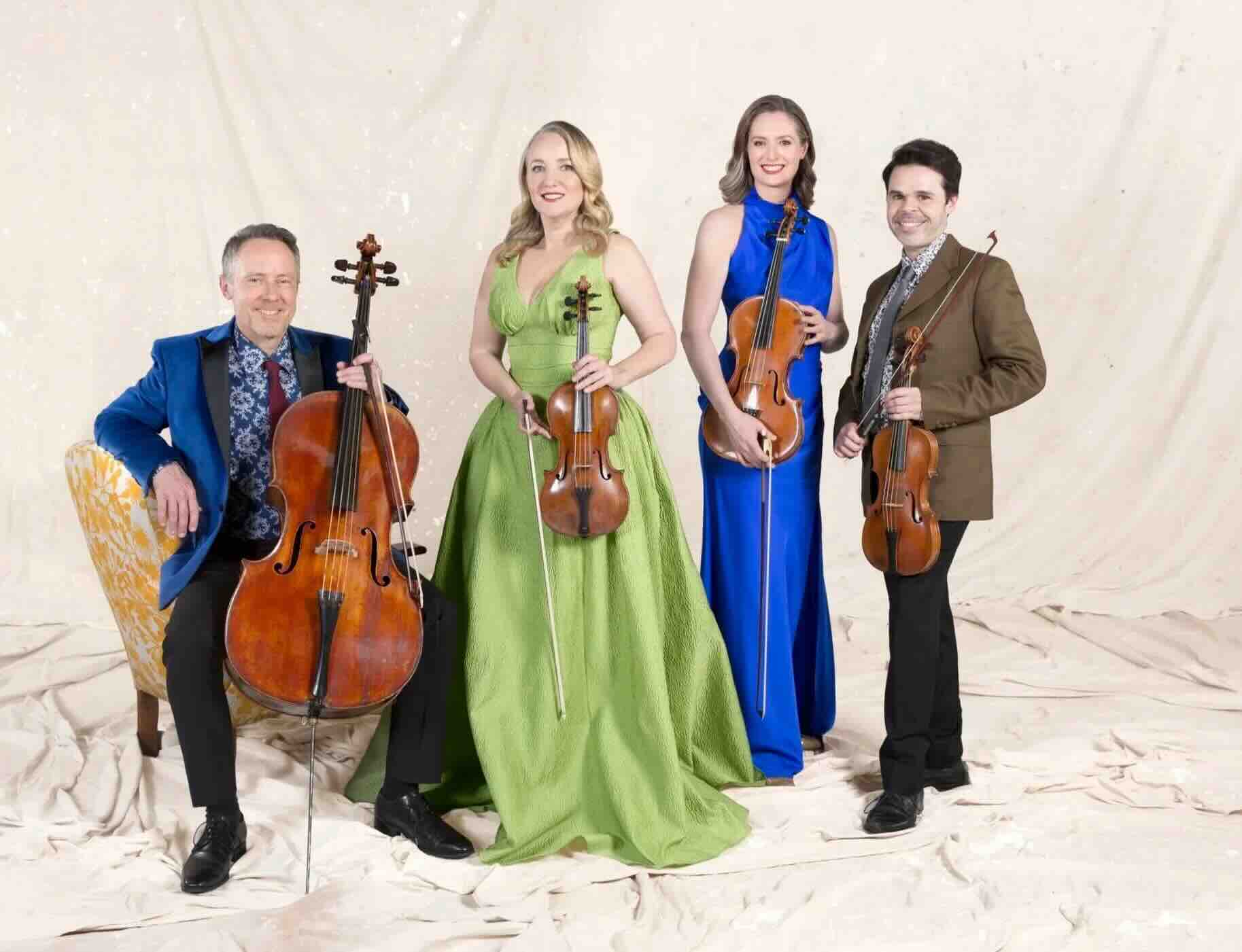
The Sydney based Bach Akademie Australia, founded in 2016 by violinist Madeleine Easton, has grown in stature and reputation. Easton has led the way by showing, despite the presence of several other excellent professional early music orchestras, that audiences are mature enough to patronise an ensemble focused primarily on the works of JS Bach. For this concert the BAA is joined by an international soloist and will, for the first time, tour the program nationally. This is a remarkable achievement by Easton who, through her commitment and enthusiasm has firmly established the ensemble in the Australian music scene.
The inclusion of the two pieces not by JS Bach’s serve to give a scholarly context to Bach’s works. And both also give a further opportunity to showcase the remarkable voice and talent of the renowned American countertenor Reginald Mobley.
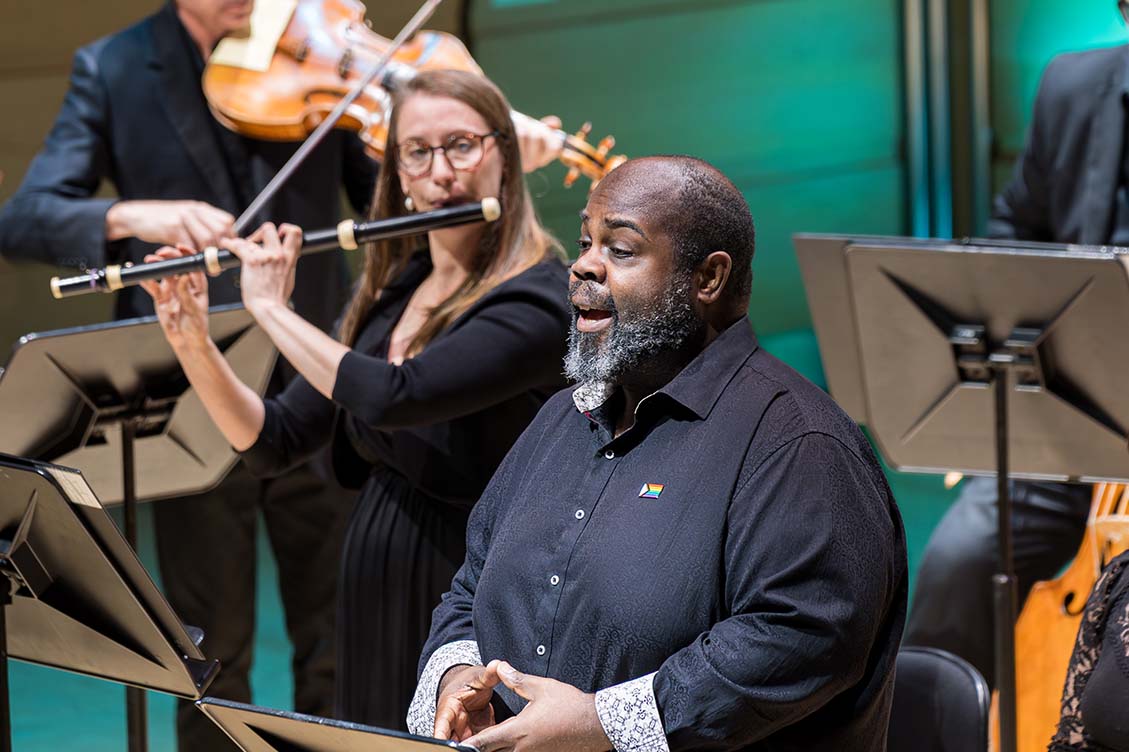
JC Bach, also a composer and organist, was Sebastian’s older cousin who essentially brought the boy up and was his music teacher after the death of the ten year old’s parents. Needless to say he had a great influence on JS’s musical development. JC Bach’s Ach, dass ich Wassers gnug hätte starts immediately with the kind of word painting that was later to permeate Sebastian’s vocal works. The sighing strings set the tone for lament. The surprise in this particular performance however, was the first entry of Mobley’s voice. It is quite unlike any other countertenor voice I have heard. It is not a big voice, but it is well focussed, sweet, clear and totally unaffected. There is nothing pinched about it; he sings using the full resonances of the head voice. There is also a good dynamic and tonal range as shown, for example, in the contrasts he achieved singing the words “Tag” and “Nacht” (day and night). The composition and performance of the melisma on “fließen” (flow) and the swelling dissonance on “betrübet” (troubled) showed further interesting word painting.
In JC’s music there is much tension with dominant 7ths and diminished 5ths so characteristic of the baroque, but JS took this to a whole different level. Circles of 5ths are everywhere in JS’s music and there is a constant feeling of harmonic churn. No sooner has he arrived at a resolution but it immediately becomes the point of departure for a new harmonic direction. There is barely a static moment; this is what gives the music of JS such drive and momentum.
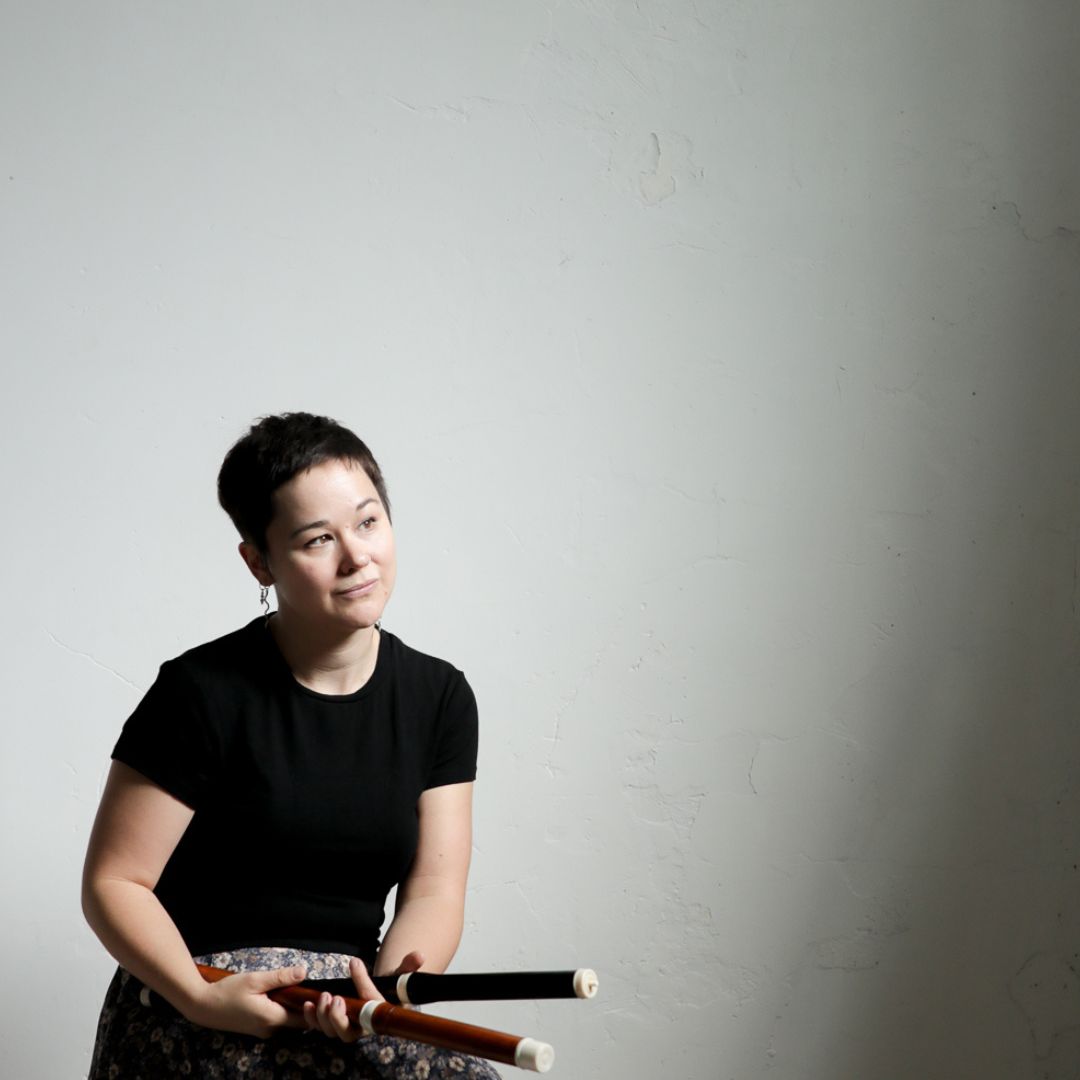
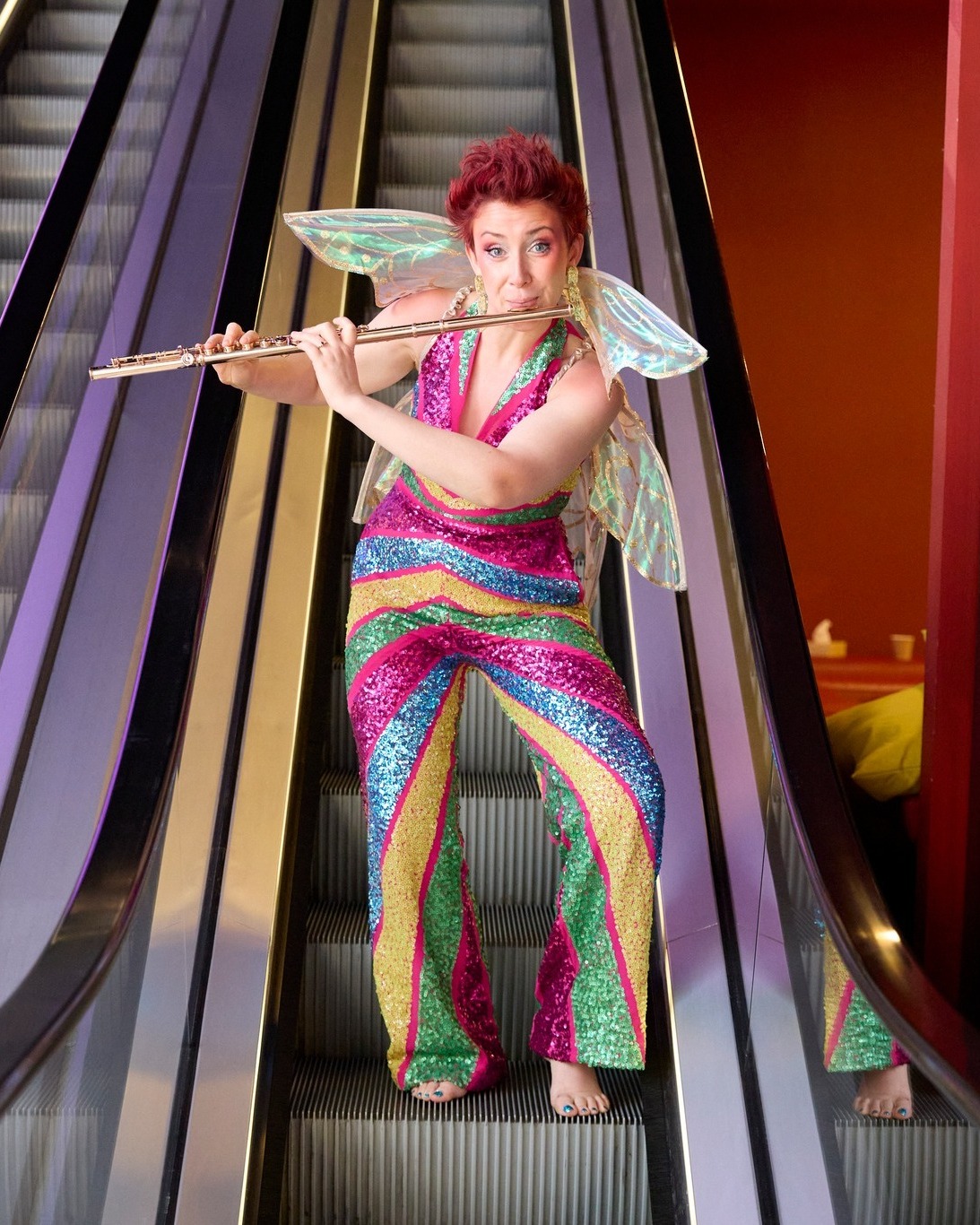
Coincidently, a few days ago we heard the baroque flautist Mellisa Farrow perform the Orchestral Suite No.2 with the Australian Brandenburg Orchestra. Today we heard Mikaela Oberg perform the same work. Both are equally formidable performers and often appear on the same stage together. I found the Bach Akademie performance more convincing on several counts. Firstly the orchestra was considerably smaller and despite the inclusion of the double bass, more effort was made to contain the dynamics, giving the stage to the flute for a beautifully balanced performance. Easton also made use of solo and tutti strings for contrast. The dotted notes in the slow introduction to the Overture set a lively scene and later the tempos were generally spritely; the orchestra barely able to stop themselves dancing.
The version of the cantata Ich habe genug (I have [had] enough) is usually performed by a baritone voice, so Mobley’s clear, jewel like tone gave us a new perspective with this alto version of the work. The oboe is also featured and Mark Baigent plays an instrument with an extremely small bore, making it rich in overtones and a perfect match for Mobley’s voice. This cantata looks to the afterlife to end the suffering of this life; not surprising shortly after half of Europe’s population died in the 30 Years War. Mobley draws a parallel with the spirituals arising from the suffering of his American slave ancestors (“I’m gonna lay down this heavy load”). Again there is much word painting here; for example the word “Ruh” (rest), a long held soft note sung here with no hint of vibrato. The aria “Schlummert ein” is one of my favourites, due mainly to a beautiful recording by Dietrich Fischer-Dieskau who sings it like a lullaby, not for sleep but for death. Easton took the tempo a little faster, which is probably more appropriate for the lighter tone of the counter tenor, but all the richness of meaning was there. The final “Ich freue mich auf meinen Tod” (I delight in my death) was filled with joy.
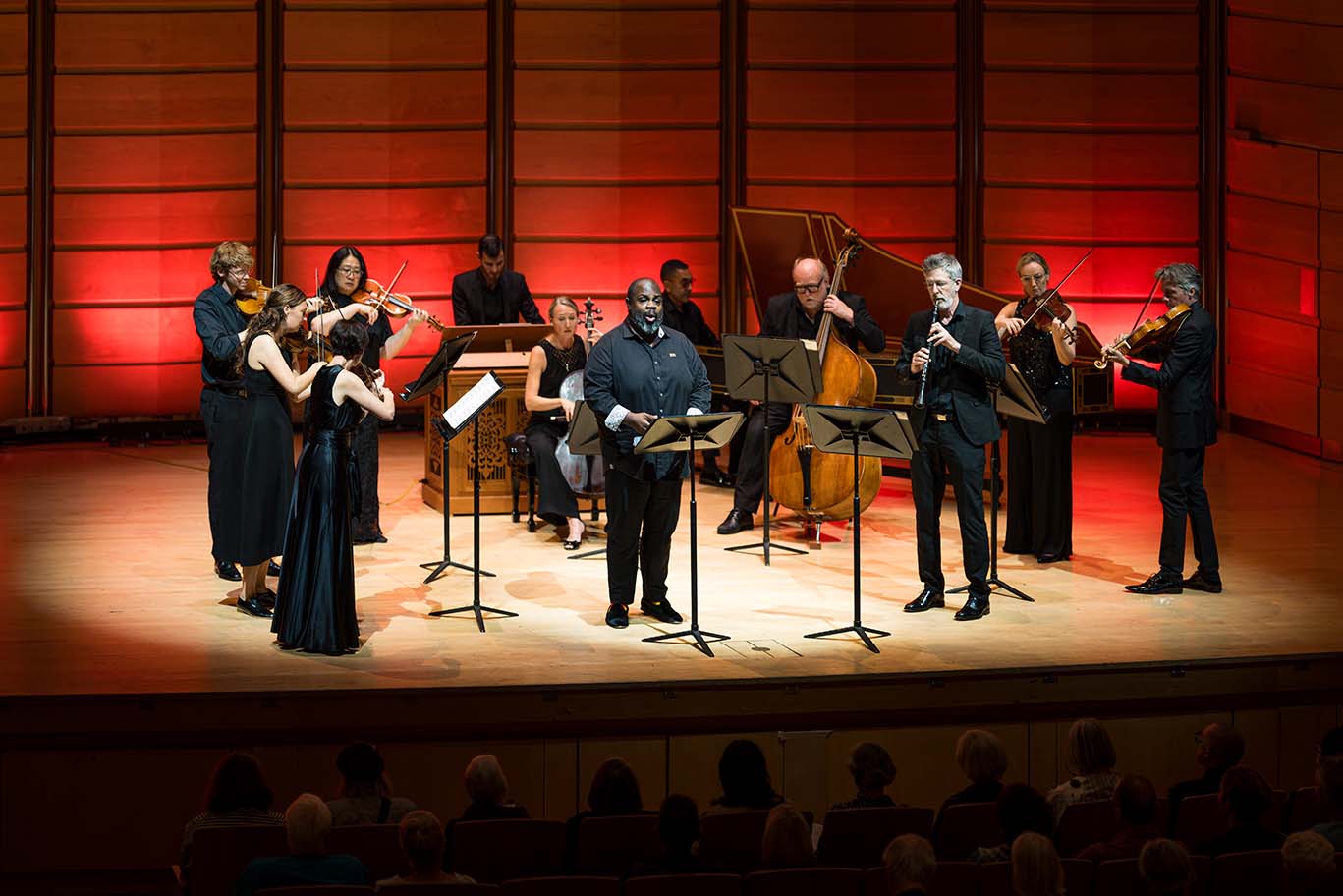
The work by Vivaldi included in this program was the “Salve Regina” for antiphonal orchestras and alto solo. Again here we see word painting like the sighing and weeping in the flute/violin duet and the groaning in the descending sequences of the voice line. Bach was heavily influenced by Vivaldi’s music; he transcribed various concertos for organ and studied various other Italians he admired. For example, he also reversioned Pergolesi’s “Stabat Mater“; the opening dissonances here are similar to those of the next work on the program. We can see in Vivaldi’s music the harmonic momentum that was so characteristic of Bach’s music.
The cantata “Widerstehe doch der Sünde” (Just resist sin) again abounds with symbolism. The opening dissonances are sin holding us in its grip against the steadfast rock of the drone double bass and the long note on “…stehe” (to stand). Easton pointed out in her eloquent and educative introduction that the semiquavers in the violins are like the insinuating snake of the Garden of Eden.
The solo alto part is fiendishly difficult here, but Mobley managed the melismas and extra ornamentation with ease. He has a virtuosic talent but always performs with humility; nothing contends. And his diction is clear as a bell.
I highly recommend this concert to you. There are further performances in Brisbane, Melbourne, Adelaide (sold out), Orange and Blackheath. See one if you can. Check the Bach Akademie Australia website here>> for more information.