River City Voices | Faure’s Requiem
May 29, 2026, St Patrick’s Cathedral, Parramatta, NSW
River City Voices
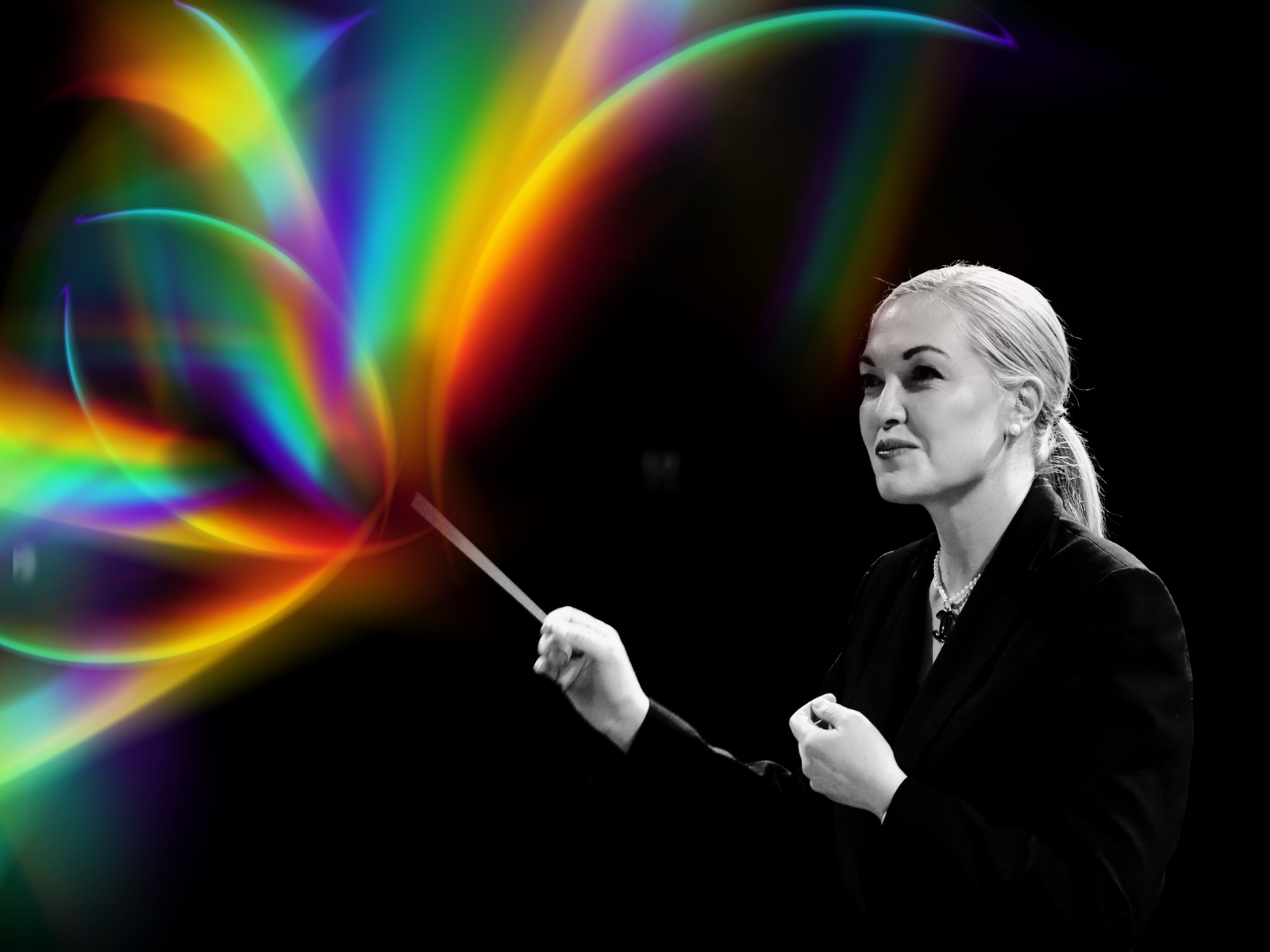
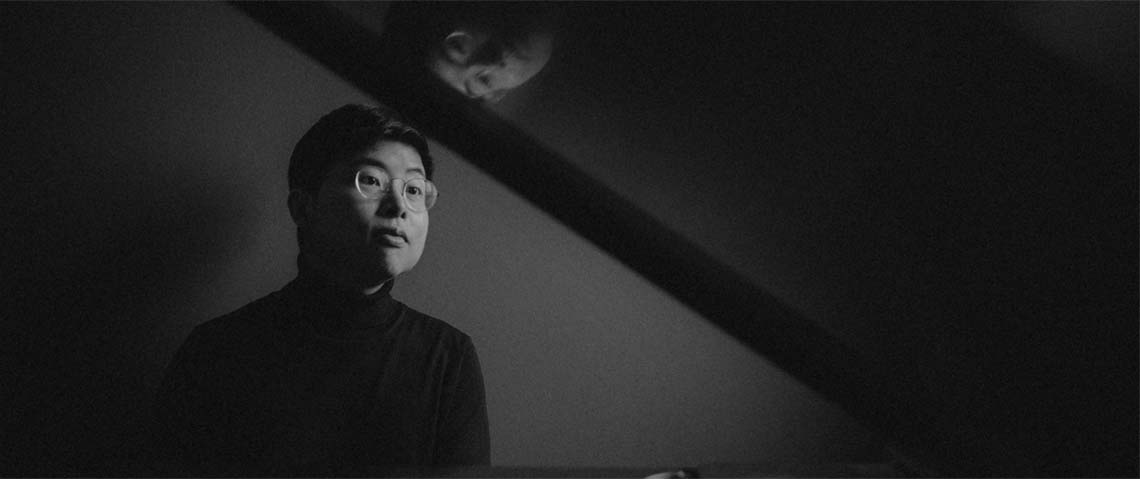
Guest Conductor: Dr Philip Eames
Assistant Conductor: Oscar Balle-Bowness
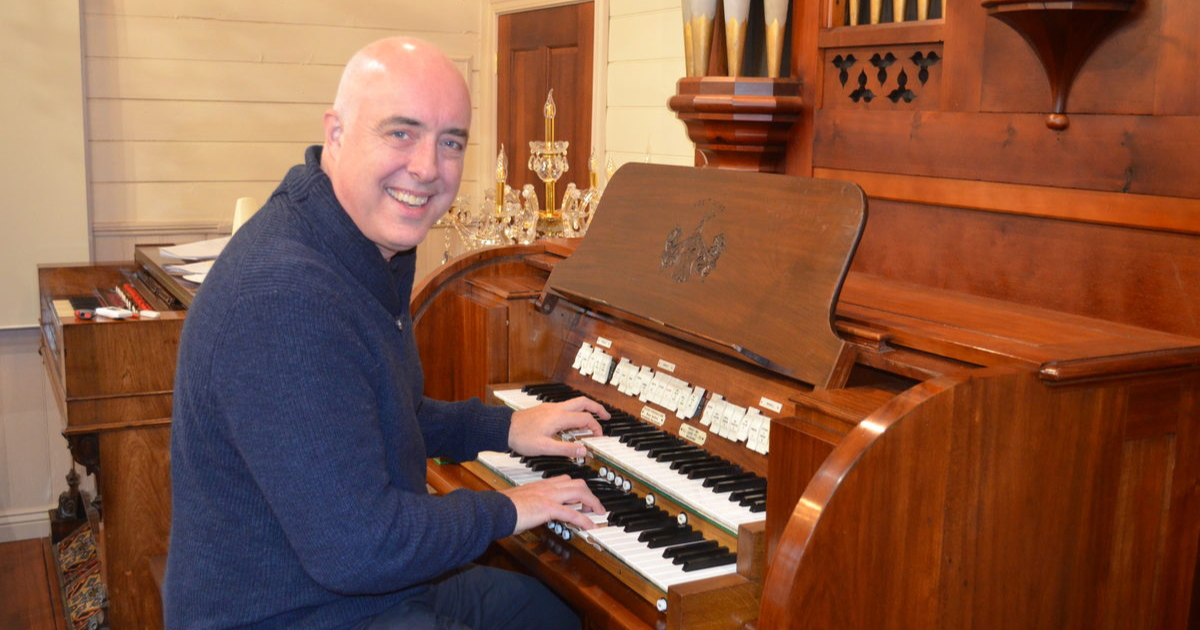
Organ: Simon Nieminski
Baritone Solo: Benjamin Caukwell
Soprano Solo: Ayako Ohtake
Solo Quartet: Teresa Cheung, Amanda Karen, Richard Heagren-Gibbs, Will Bond
Program:
Nicole Smede: Padla
Alice Chance: Holy Dreaming
Joseph Romeo: The Lord’s Prayer
Franz Liszt: Ave Verum Corpus, S.44
Johannes Brahms: Geistliches Lied, op. 30
Gabriel Faure: Requiem in D Minor, op 48
Johann Sebastian Bach: Jesu, Joy of Man’s Desirin
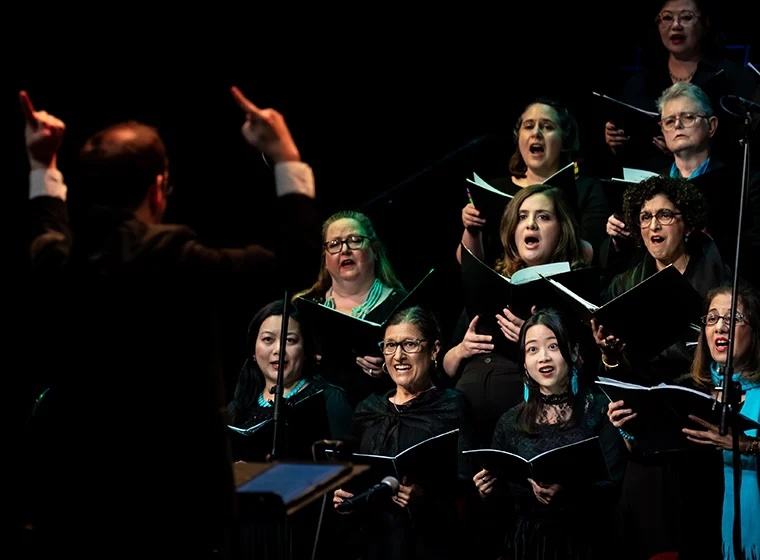
It was lovely to not have to travel as far as usual, to see River City Voices, a massed choir of about seventy voices, present their first concert of 2026 at Saint Patrick’s Cathedral in Parramatta. The concert was directed by guest conductor Philip Eames and assistant conductor Oscar Balle-Bowness.
The program, titled Faure’s Requiem, presented its audience with a delightful and well curated program of music. In addition to the titular work, the audience was also treated to works by First Nations composer Nicole Smede, Australian composers Alice Chance and Joseph Romeo, and European composers Liszt, Brahms, and J.S. Bach.
The concert began with Smede’s radiant work Padla (meaning country), where the choir effectively created a warm multilayered texture, buzzing with excitement and depicting a rising sun. I was immediately drawn to how much the choir enjoyed singing this work, with a myriad of smiling faces, and a lot of movement. As the program booklet noted, the work’s text was written in Yandruwandha Yawarrawarrka language and translates to: “Long time ago [Aboriginal] women and men used to walk and look around; now white and Aboriginal people share Country together”. As I reflected back on this concert, I realised that this text very effectively reflected the program that was to come, which traced a journey that began with Indigenous spirituality, and made its way to the Christianity of Faure’s Requiem.
The work that followed effectively bridged these traditions. Chance’s Holy Dreaming was a setting of Reverend Lenore Parker’s A Thanksgiving for Australia. The text, beginning “God of Holy Dreaming”, had deep Australian roots, and presented a nexus of the spirituality of Parker’s Indigenous heritage, and the Christian spirituality into which she was ordained. Chance’s setting made use of rich harmony and pulsating rhythms, creating an atmosphere of mystery and awe. The work provided an opportunity to hear some of the talent of singers from River City Voices, with a quartet of choir soloists (Cheung, Karen, Heagren-Gibbs, and Bond) effectively navigating Chance’s intricate rhythms and textures, weaving in and out of the choir’s lush bed of sound.
Following this was Romeo’s setting of the Our Father which marked a shift to a more reflective and solemn tone. The middle section of the work contained an impressive burst of sonic colour, and the final section effectively evoked plainchant aesthetics. Praise is also due here to assistant conductor Balle-Bowness who sensitively conducted the work, with great command of the ensemble.
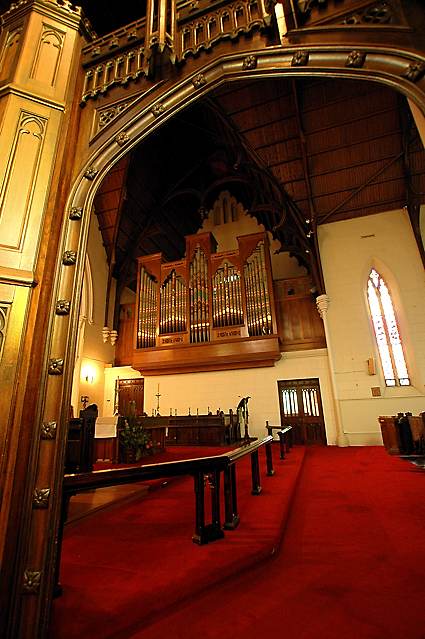
Following this was the solemn and hauntingly beautiful Ave Verum Corpus of Liszt, with conductor Eames back at the helm. The choir impressively traversed the work’s challenging harmonic shifts. Next came Brahms’ Geistliches Lied, with beautiful flowing choral lines accompanied gently by Simon Nieminski on the Cathedral’s beautiful 1898 Norman and Beard Organ.
Faure’s Requiem followed, performed here in a version for just organ and choir. Given that this work is usually presented in the version with Orchestra, it was interesting to hear the subtle differences in the translation to organ accompaniment. These differences were particularly notable in the opening diminuendo, which initially struck me as a lot more sudden, with it partially relying on the removal of a loud reed stop. Regardless Nieminski’s command of the instrument was excellent, with many notable moments from the organ (more on this later!).
The choir was also wonderfully directed by Eames, with some lovely moments in the opening movements such as the beautiful te decet (introit), and the well sung contrapunctal textures of the second movement (Offertory). Here, Benjamin Caukwell’s Baritone solo was very moving, with a rich warm rounded tone and very clear vibrato, that resonated brilliantly in the cathedral’s acoustic. Organ and voice became one moving entity in the Pie Jesu, which was sung sensitively by Soprano Ayako Ohtake. Her voice was beautifully clear and resonant, and contained a profound depth to it.
The Lux Aeterna (Agnus Dei) was a true highlight for me. All time was held still by the soprano’s held top C, and the choir’s entry followed with a beautiful delicate sound. Nieminski’s surprising but brilliant registration here softly suspended the organ amongst the choir, adding to it a bright, light, and ever-so-slightly reedy tone. The result was a moment of pure magic, with a refreshing sense of originality. Something truly clicked in the return of the opening material that followed. It was excellently sung/accompanied and seemed to provide new perspective to the opening, with a warmer more radiant “et lux perpetua” (and perpetual light).
The Libera me movement followed with a powerful and dramatic solo from Caukwell and incredibly satisfying drama from the choir and organ, before the final in paradisum movement with angelic soprano lines. This wasn’t all! To finish off the concert, the audience was treated to J.S. Bach’s much-loved Jesu, Joy of man’s desiring.
River City Voices, Eames, Balle-Bowness, Nieminski, Ohtake, Caukwell, and all others involved must be commended for a wonderful and enjoyable program. It was great to see River City Voices bring such highly refined choral singing so close to home here in Parramatta. As a relatively new choir, I look forward to seeing how far they end up going, and the impact of their service to classical music in Western Sydney.