Sydney Mozart Society | Seraphim Trio
May 28, 2025, The Concourse, Chatswood, NSW
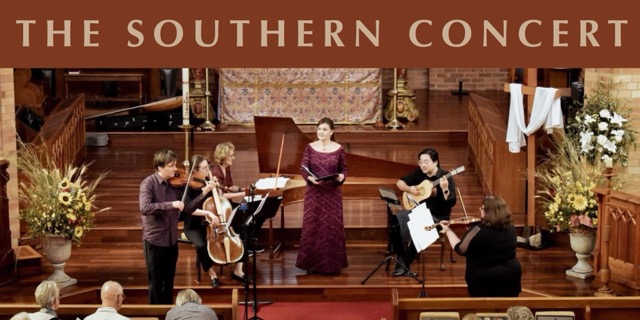
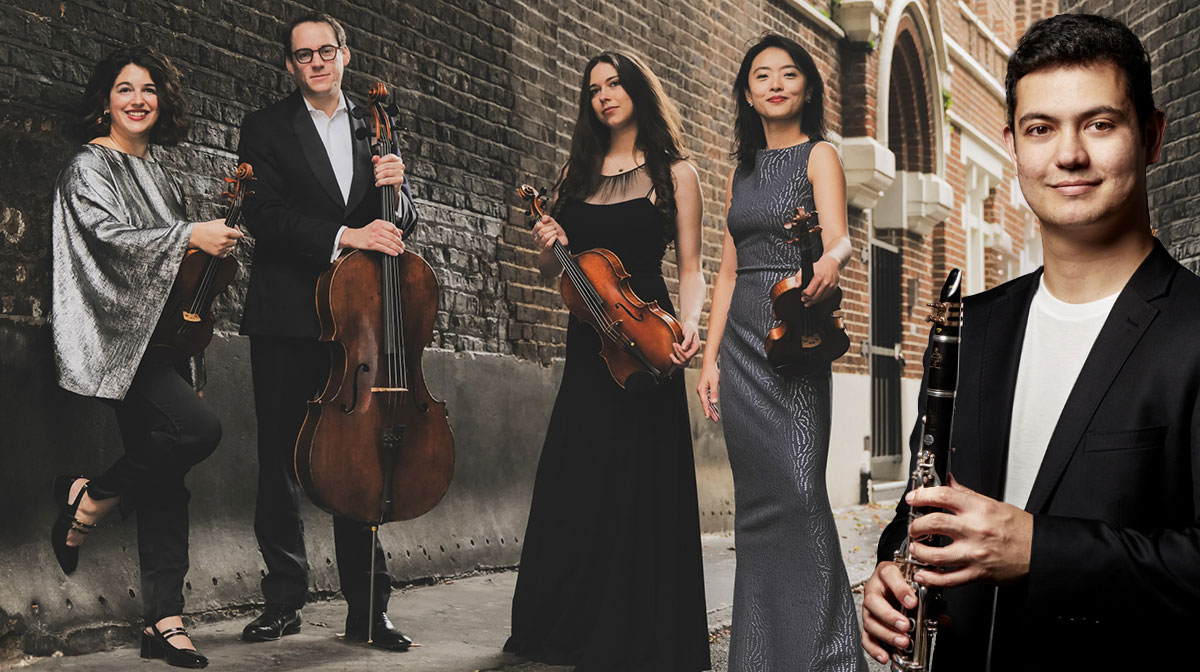
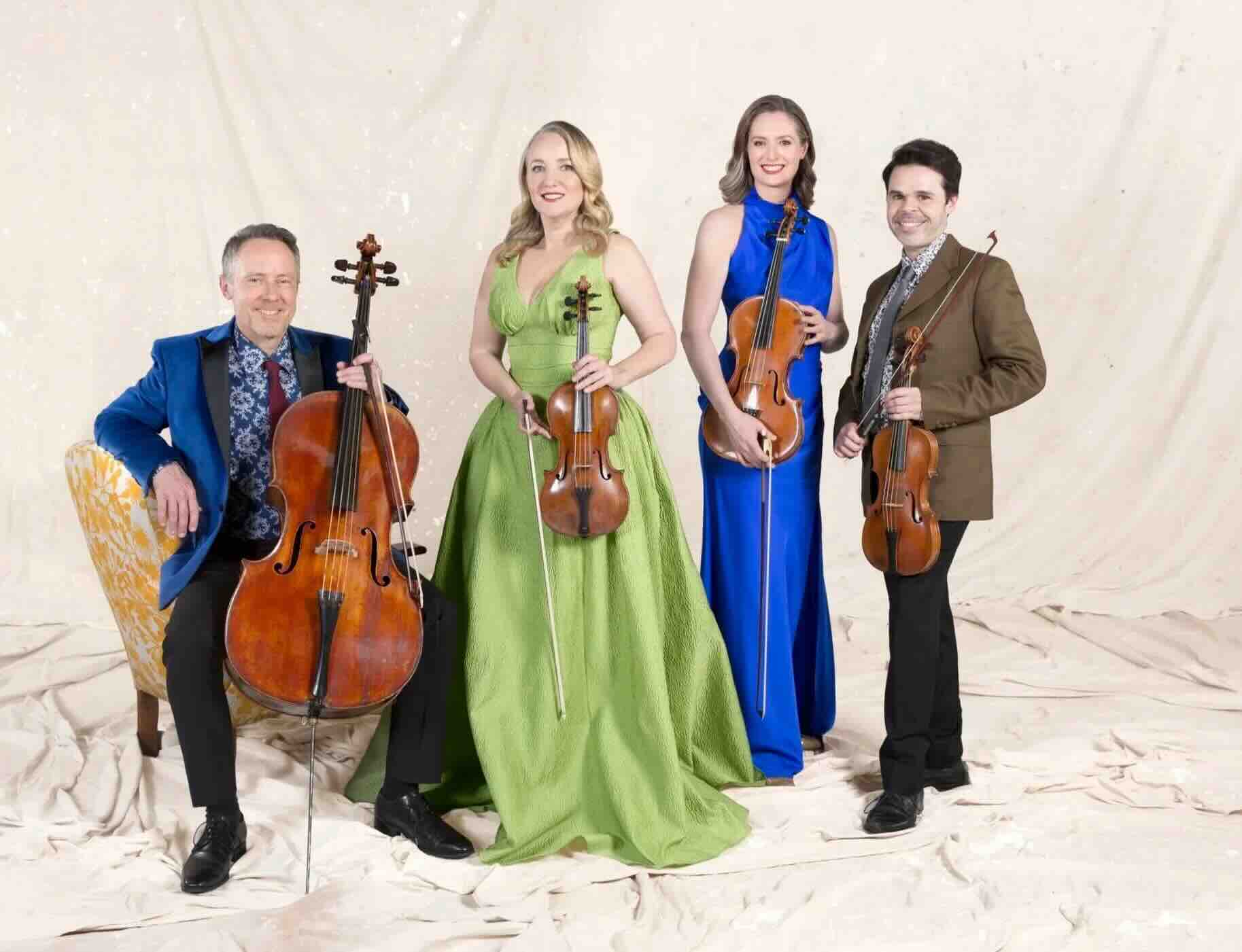
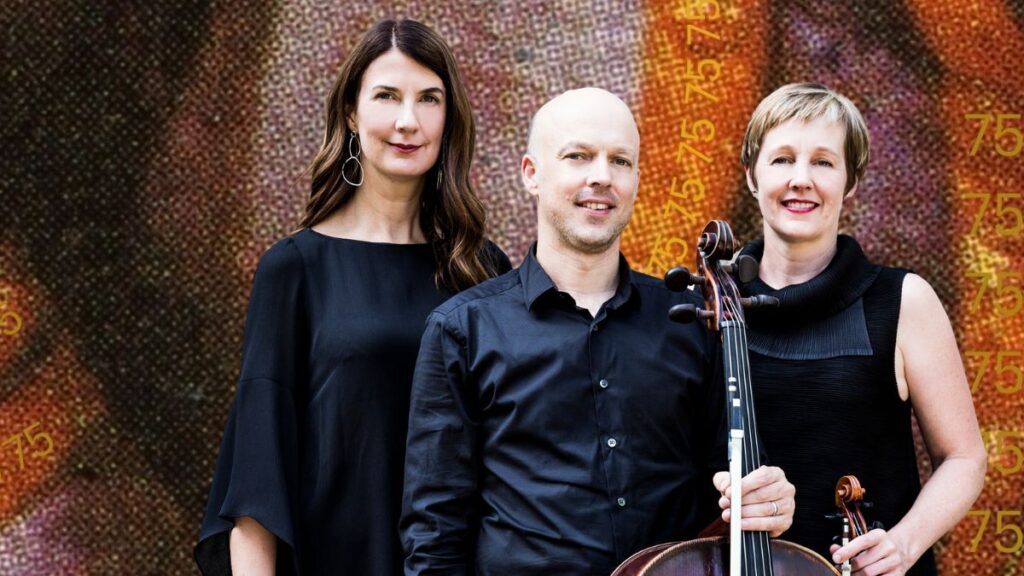
Following the lamented retirement of the Goldner Quartet, the Seraphim Trio would be contenders for the longest lasting Australian chamber music group. Formed in Adelaide in 1995, they have comprised the same three members since 1998. Apart from giving regular concerts, they have recorded cycles dedicated to the evolution of the Trio in chamber music, to female composers and also to Beethoven’s contribution to the genre.
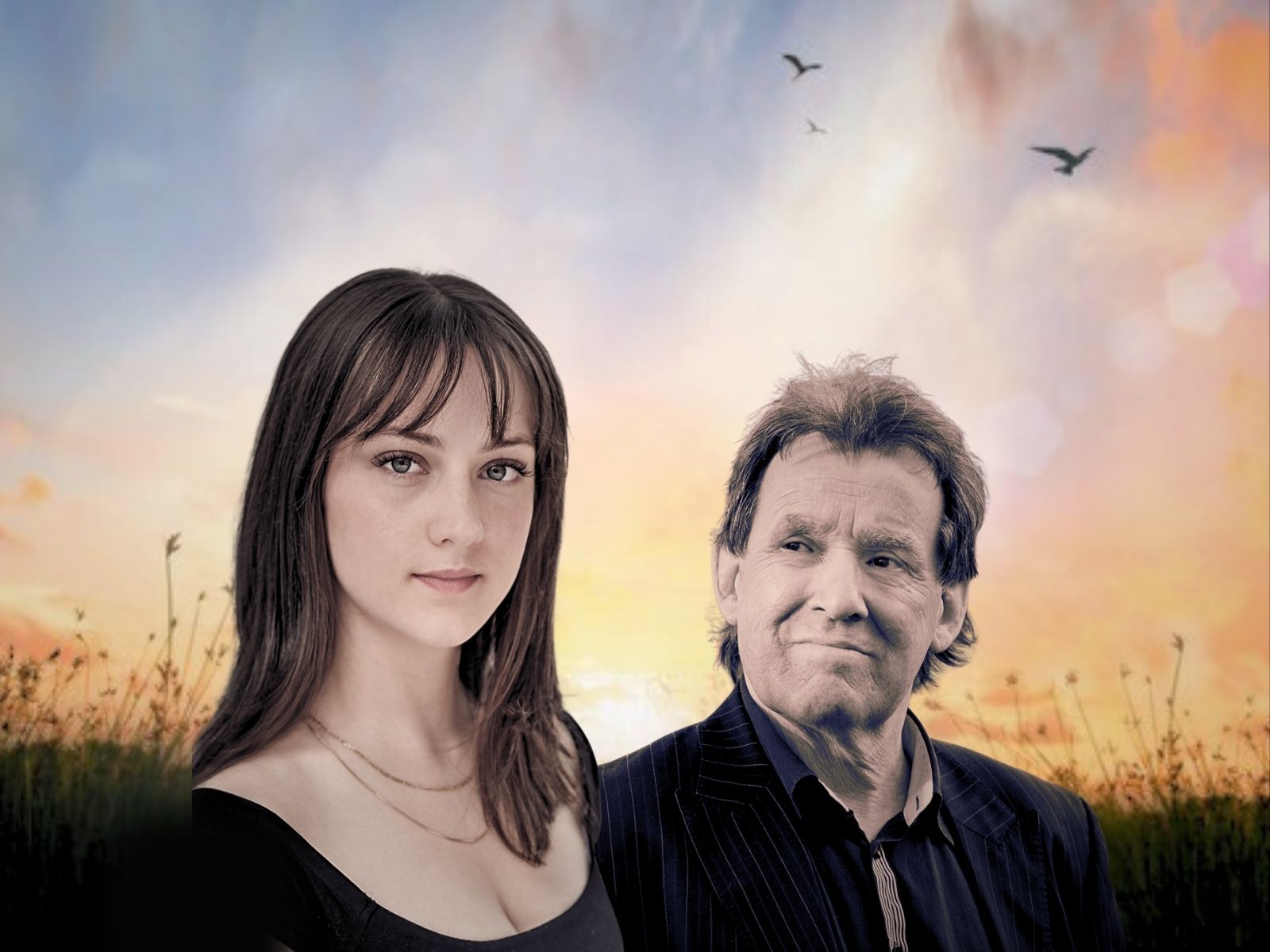
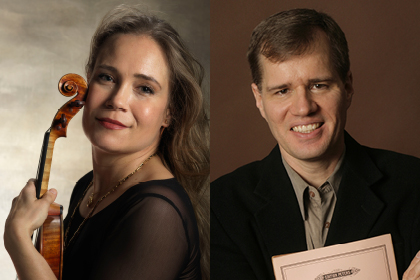
Professor Anna Goldsworthy is director of Adelaide’s Elder Conservatorium. She is also a librettist, playwright and author of, among other works, an autobiography titled “Piano Lessons”. She has also performed as soloist in Australia and abroad. Helen Ayres, London born, is a doctoral graduate of Melbourne University where she studied violin under Alice Waten and now loves her family life in Adelaide. Timothy Nankervis has been a cellist with the SSO since 2004. In addition to teaching at the Con, he is a member of other groups such as the Sonus Quartet and has also performed widely as soloist in works such as Brahms’ double Concerto.
The programme was typical of the Sydney Mozart Society – varied, original and attractive. Mozart’ s piano trio in E is one of his lighter works contrasting greatly with his final three symphonies which followed shortly after. The piano introduces a spritely theme taken up by the strings followed by a more dramatic segment. A plainly expressed tune dominates the andante while the final allegro develops cleverly into a fugue before retracing to the finale.
Lili Boulanger is not as familiar to music lovers as her sister Nadia, largely because of her shortened life, but she was the greater composer and she was the first female winner of the Grand Prix de Rome. Her “Morning of Spring” together with its sister “On a sad evening” was completed in its Trio form in 1918, her final year.
A repeated note accompaniment in the piano sets the stage for skittish joyfulness which later mutates to a mysterious atmosphere but the former returns and triumphs eventually – enjoyable and too short.
Claude Debussy is well known for his impressionist technique, especially on the piano, but there is not a trace of this in his piano Trio in G minor written when he was only 18. The simple Lydian mode presides over the chromatic sixths. It was not until 1986 that this work was published, after the discovery of the autographed score of the first movement 4 years earlier. For once I agree with the New York Times critic who said “nothing in the music suggests Debussy”. Putting this aside, the work certainly has merits. An expansively symphonic first movement is followed by a sad dance. An introspective Andante is followed by a stormy unworldly climax reminiscent of Berlioz.
Tchaikovsky must have had quite a sense of humour. His famous sponsor Nadezhda von Meck (also a friend of Debussy) asked him for a Piano Trio – he protested that his style was not suited to this but, “What she said went!” Probably affected by the death of his young close friend Nikolai Rubinstein, Pyotr embarked on his task and the result was a work certainly not orchestral but also far from the customary Trio style. It has two long movements – the first is full of melodies although the tone is definitely gloomy. The second consists of a simple tune on the instruments in turn followed by eleven clever variations. One is a Chopinesque mazurka, one contains the pianist playing all six of the highest notes producing a triangle-like sound. A twelfth variation is followed by the return of the main theme from the Allegro.
I enjoyed the challenges that this work presented. So did Rachmaninov who wrote an Elegiac Trio dedicated to the memory of the composition.
PROGRAM
Wolfgang Amadeus MOZART – Trio for piano, violin and cello in E major, K 542
Marie-Juliette Olga (Lili) BOULANGER – D’Un Matin de Printemps (arr: piano, violin and cello)
Claude DEBUSSY – Trio for piano, violin and cello in G major
Pytor Ilyich TCHAIKOVSKY – Trio for piano, violin and cello in A minor, Op.50