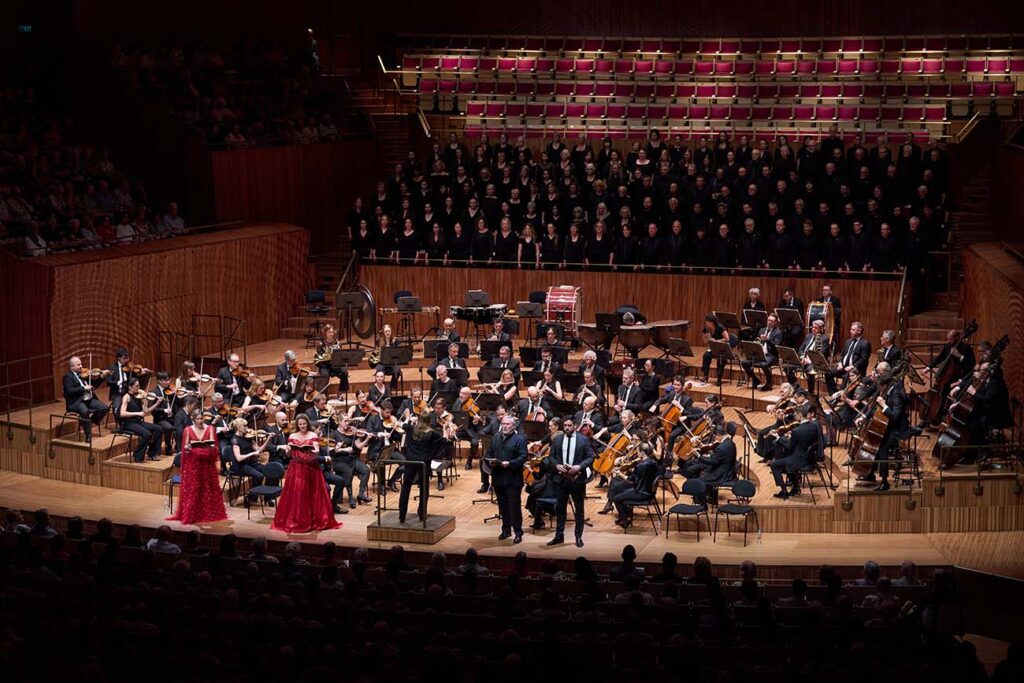
Sydney Symphony Orchestra | Simone Young conducts Beethoven 9
November 27, 2025, Sydney Opera House, NSW
What is an example of great music?
Beethoven’s 9th Symphony.
Why is it great?
It never grows old. It inspires loyalty. We hear this piece multiple times, and never get tired of it. Despite repeated hearings, it always sounds exciting and fresh.
It is the rare case that a composer’s communicative intentions not only meets, but exceeds his aspirations. Beethoven succeeds in expressing his love for all mankind (via Schiller’s ‘An Die Freude’ (Ode to Joy)). The fact that this symphony ends in banality and shrill triumph underscores the fact that Beethoven was a human being, flawed but with good intentions, as we all are.
Hearing music like this, performed with so many musicians at the top of their game, never fails to inspire and move, as witnessed by the spontaneous standing ovation as soon as the piece finishes. Because the music is so familiar to the musicians and the majority of the audience, I would like to spend some time talking about what I witnessed during the performance, rather than saying ‘Simone conducted brilliantly,’ or ‘the Sydney Symphony Orchestra performed at a world class level,’ or ‘the Sydney Philharmonia Choir is one of the premier choirs in the known universe’, I would like to reference some incidents that I witnessed during the performance.
I was sitting in a stall that blocked my view of the entire stage, which I was not happy about, because I love to see and take notes on everything! However, a good thing about my location was that I was so close to the stage that I could feel the passion exuding out of these masterful musicians.
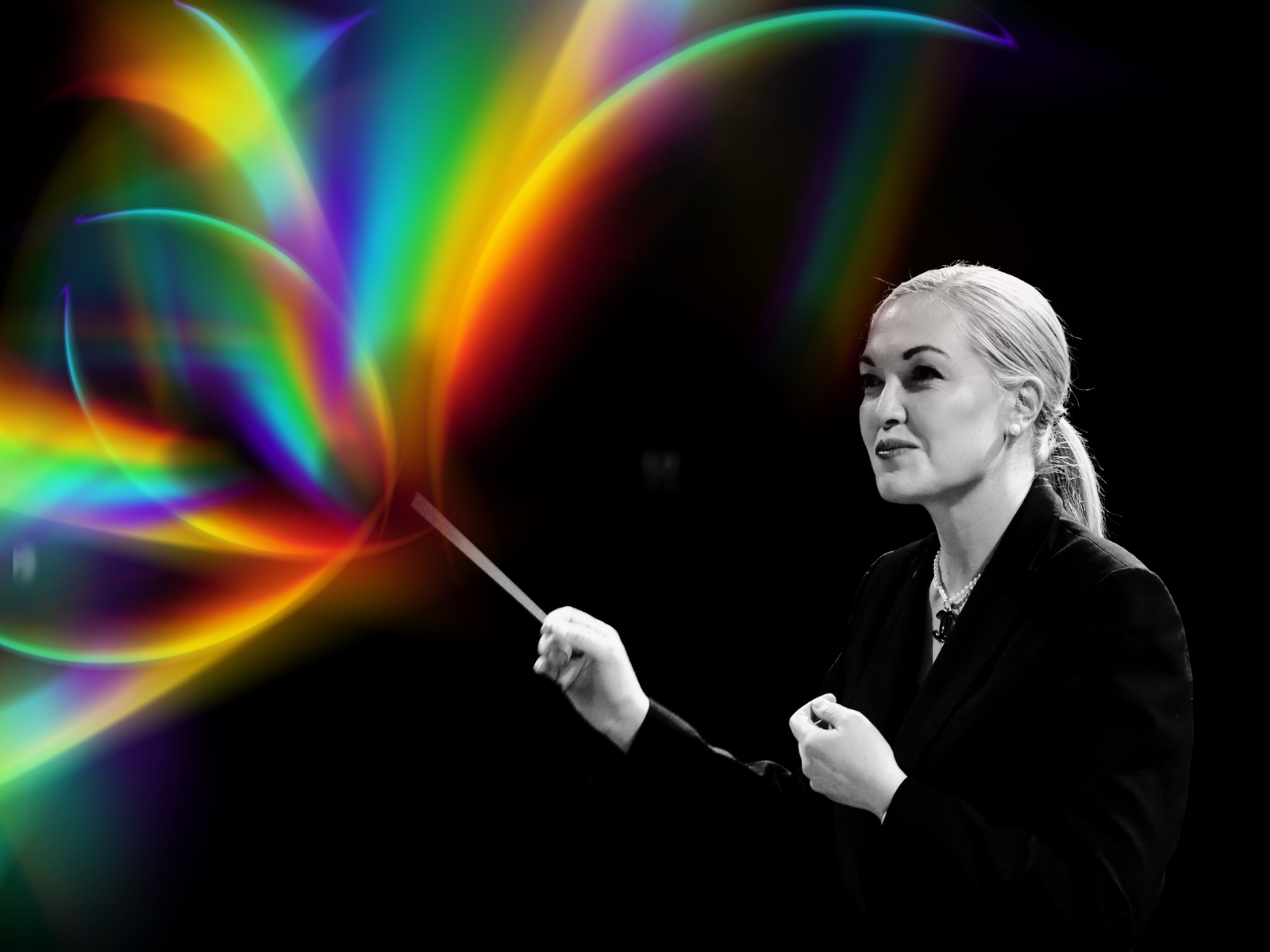
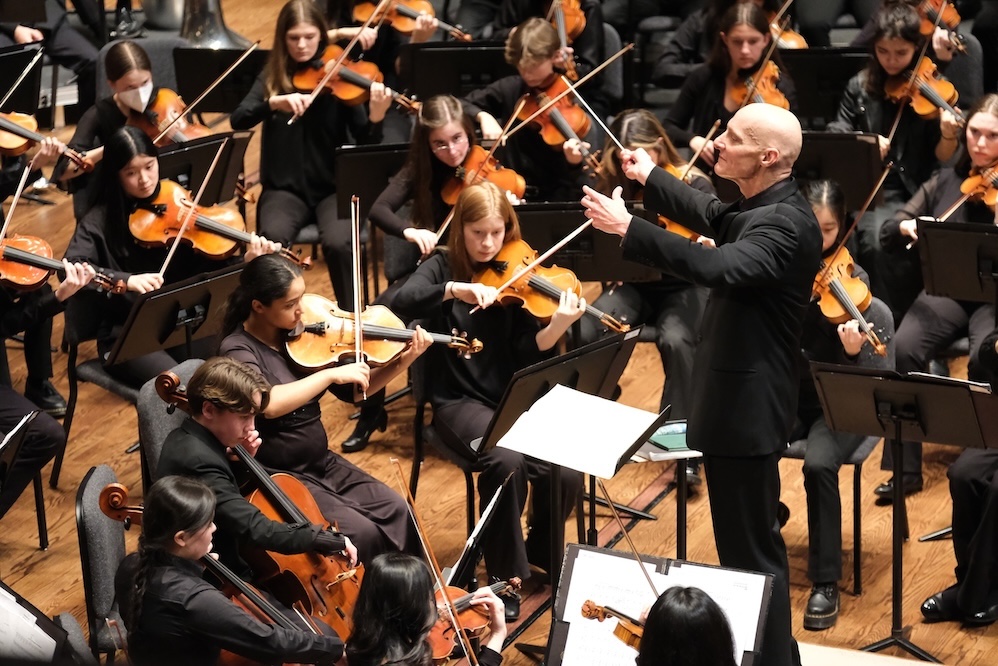
Simone Young’s conducting – perfected over many decades of experience – is like watching poetry. Especially when she is not beating time, and just air waving or ‘sculpting the music’, it is beautiful to watch; her hands are so expressive. She is able to shush the audience with a couple of gestures to silence a standing ovation, such is her leadership aura. But it is her unmistakeable rhythmic pulse in her beating that is her greatest asset. A musician can very easily pick up the accelerandos and rubatos – and there are a lot of them in the Beethoven finale (it is an absolute nightmare to conduct, to the extent that one of the violinists falsely entered).
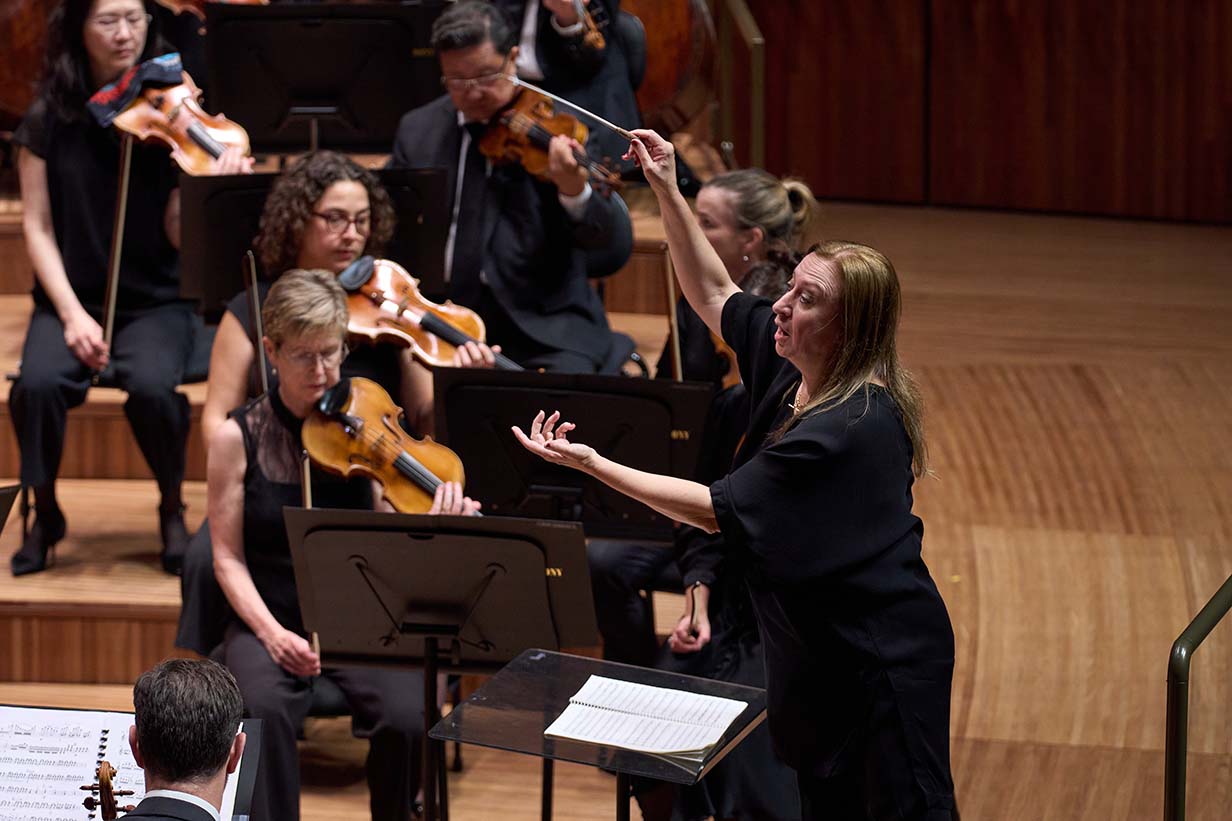
I love how her beat is not a downbeat in the first movement, but an ‘upbeat’ because we are striving to ascend to heaven, and she would bounce up every single upbeat and her heels would leave the ground. Simone chose to conduct the 3rd movement without baton, as befits the serenity of this movement. In some other instances, she would transfer the baton to her left hand and air wave her right hand to communicate her intent.
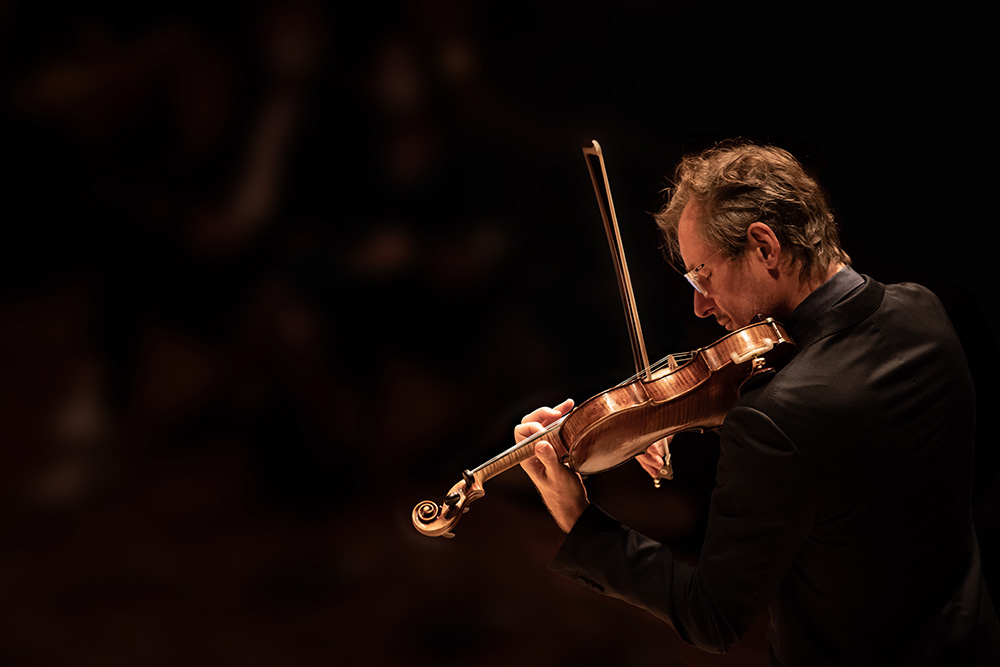
The concert master Andrew Haveron gives himself so wholeheartedly to the music and just oozes passion and enjoyment during his performance. He is so immersed in the music (and so busy) that he didn’t notice that a bow hair had frayed. Another first violin and double-bassist also had frayed bows – they tore out the horsehairs at the end of the performance.
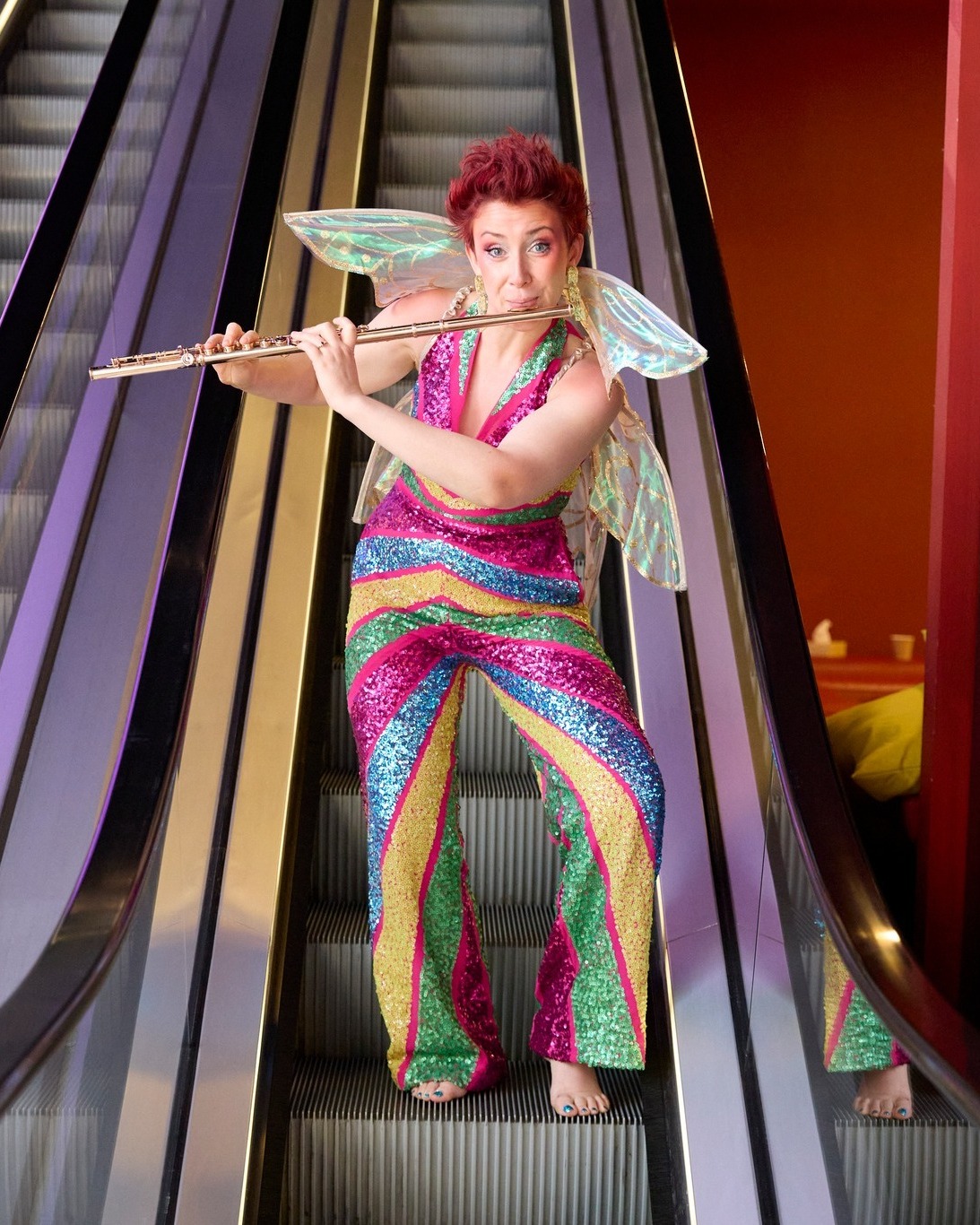
There was a performer sitting quietly in the orchestra, not doing a thing (just like the choir) until the 4th movement where she whips out a piccolo and blasts away as requested by Beethoven.
The soloists walked onto stage after the end of the 2nd movement and sat themselves down. I loved the body language, and the glances that these four people gave each other as they prepared for their entrances. I especially enjoyed hearing and seeing the two male soloists fully participating and enjoying the music while they were waiting, a brief glance at each other before they launched into their ‘duet’, and a warm glance of approval from Simone when the bass Samuel Dundas launched into the first vocal entry. I couldn’t believe but was absolutely thrilled that the tenor Simon O’Neill was actually singing along with the choir during his off time. And the choir, they have done this so many times that they are showing off that they can sing their lines without music! Demonic high notes sung with aplomb. Extreme hardship, crazy changes of tempo, wide ranging dynamic contrast, all tossed off with no sweat – as if they were sleep-performing.
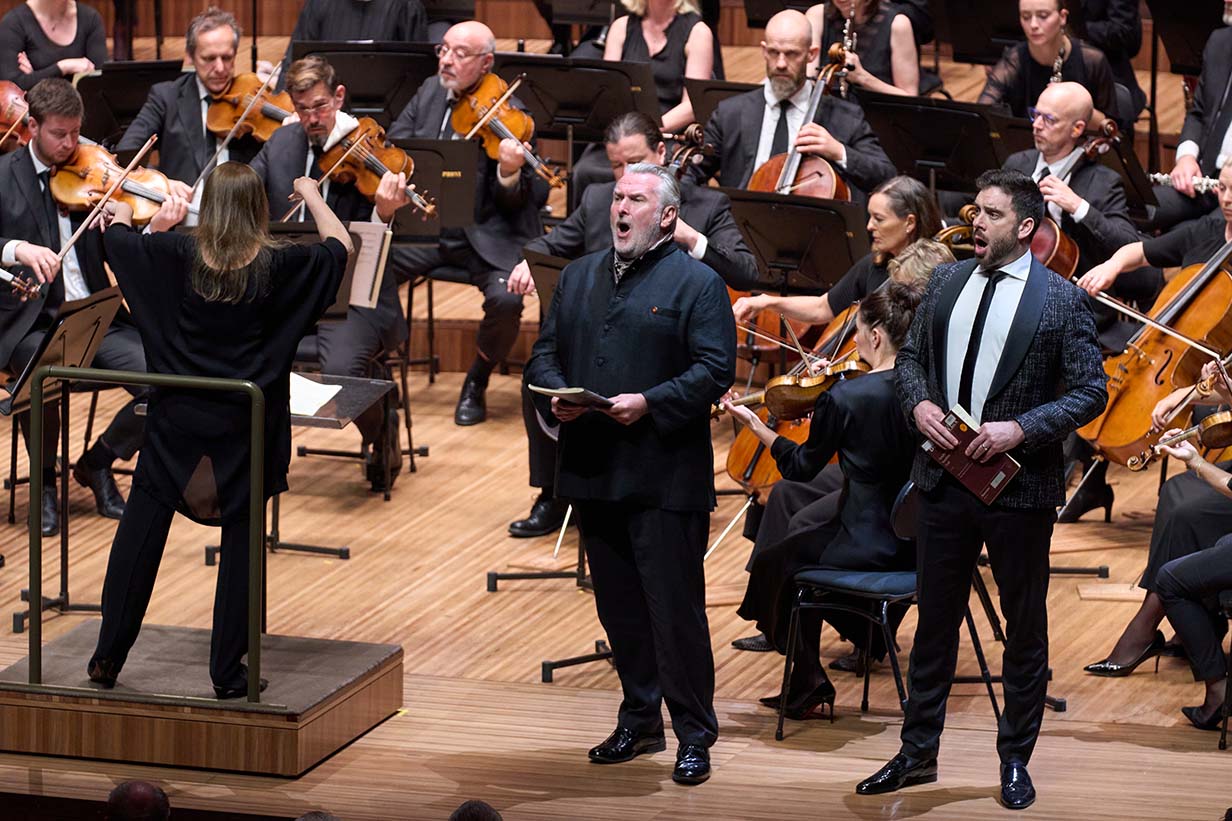
The performance of the SSO had typical clarity and transparency between lines and instrument groups. They have really strengthened their connections between instrumental groups. For example, in the 3rd movement of the Beethoven, there is a pizzicato background that gets tossed around the string sections while the winds are carrying the melodies. It is an absolute joy to see musicians taking such great pains over an absolutely inconsequential detail that most people would miss.
William Barton: Ayatku Muruu (One Country)
Tonight was the world premiere performance of this work. I was glad to be a part of this historic event. It was commissioned with intent to be the prequel to the Beethoven.
‘This new work is about bringing 2 cultural landscapes together. It aims to create a safe space to allow us to exist in the moment, and to hold in that moment all the important things in life: family, love and respect for humanity.
‘Ayatku Muruu has a meditative quality inspired by the Argylla and Selwyn Ranges of Kalkadungu country. The piece also centres the nurturing of (his) Kalkadungu language. It is inspired by the lullabies that are sung to us, music that transports us back to a moment in time. By going together into a deep place of ceremony we can nurture the fragile connection between Western and First Nations worlds.
It is a single movement work that covers a wide gamut of emotions – dominated by the choir singing a mix of English and Kalkadungu. Its structure reminded me of Sibelius’ symphony 7 in that there were 4 distinct musical episodes all linked by musical segues, though I have no certainty that Barton had 4 movements. What I do know is that the choir entered almost immediately and the mood of the music changed dramatically in certain key spots. It wasn’t always serene, the middle section was quite wild and stormy, because it’s hard to make a choir sound meditative while they are singing consonants and vowels, unless you are Palestrina.
Brett Weymark is to be congratulated for maintaining the incredibly high level of the Sydney Philharmonia Choirs for so many years; I once sang under his direction, and it was an absolute pleasure to be conducted by him. He was encouraging but also firm and knowledgeable, and he gave us all positive feedback with clear instructions on how we could improve, and we always did. Both Brett (who got his plaudits during the applause) and Simone are inspirational musicians who will be recognised as tour-de-forces till the day that they retire from this dream job.
Photo credit: Jay Patel