SSO | Britten & Prokofiev: Rhythmic Movements
Performed by members of the Sydney Symphony Orchestra
Utzon Room, Sydney Opera House, Friday 30 June 2023
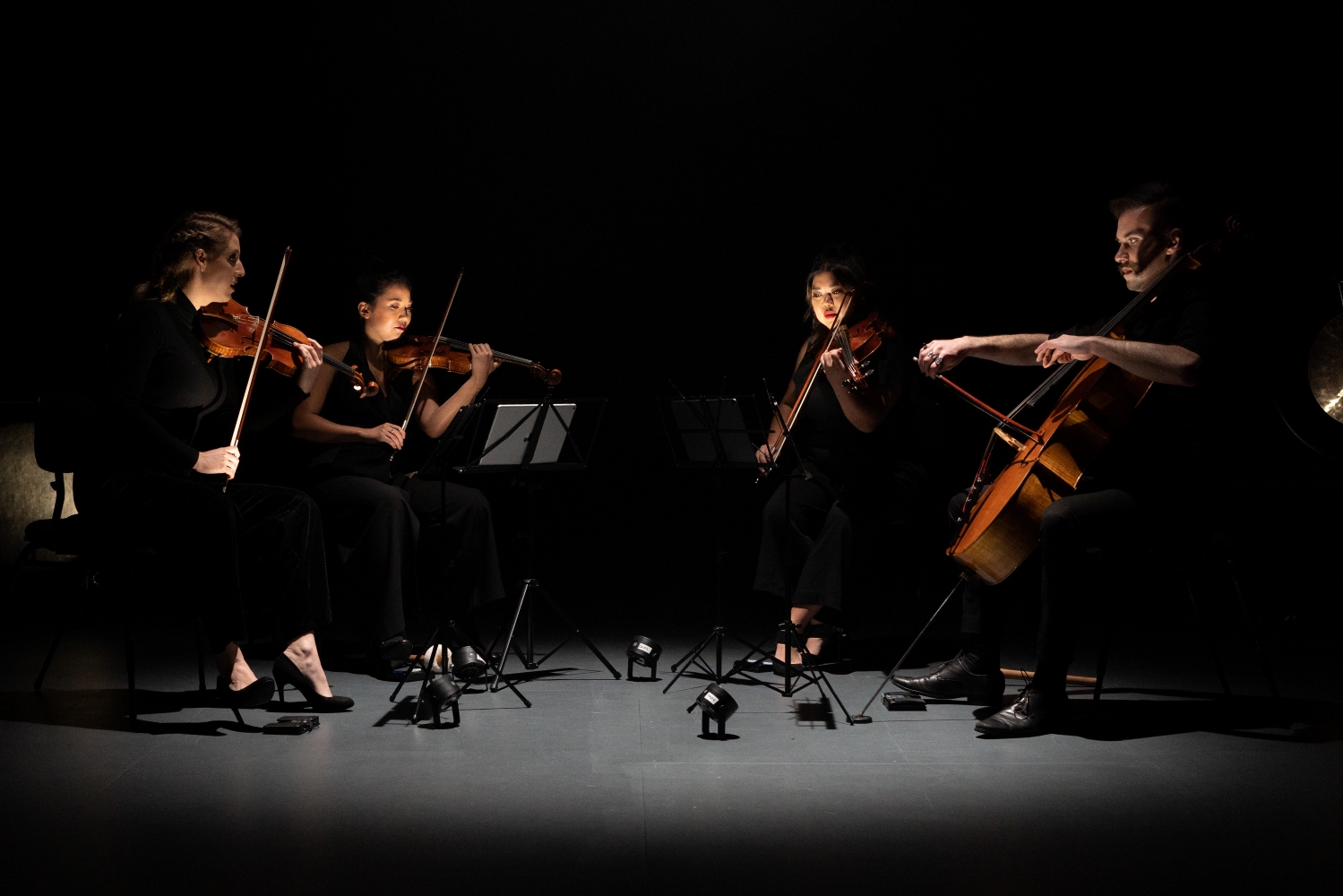
This short 50 minute program is part of the Sydney Symphony Orchestra’s chamber music series know as their “Cocktail Hour” concerts, where selected members of the orchestra prepare works and present them in intimate situations; in this case in the Utzon Room of the Opera House.
A glass of champagne or wine was served before the concert and miraculously, not a single glass was was knocked over during the performance!
All the pieces programmed were early 20th Century; Benjamin Britten, Frank Bridge and Sergei Prokofiev.
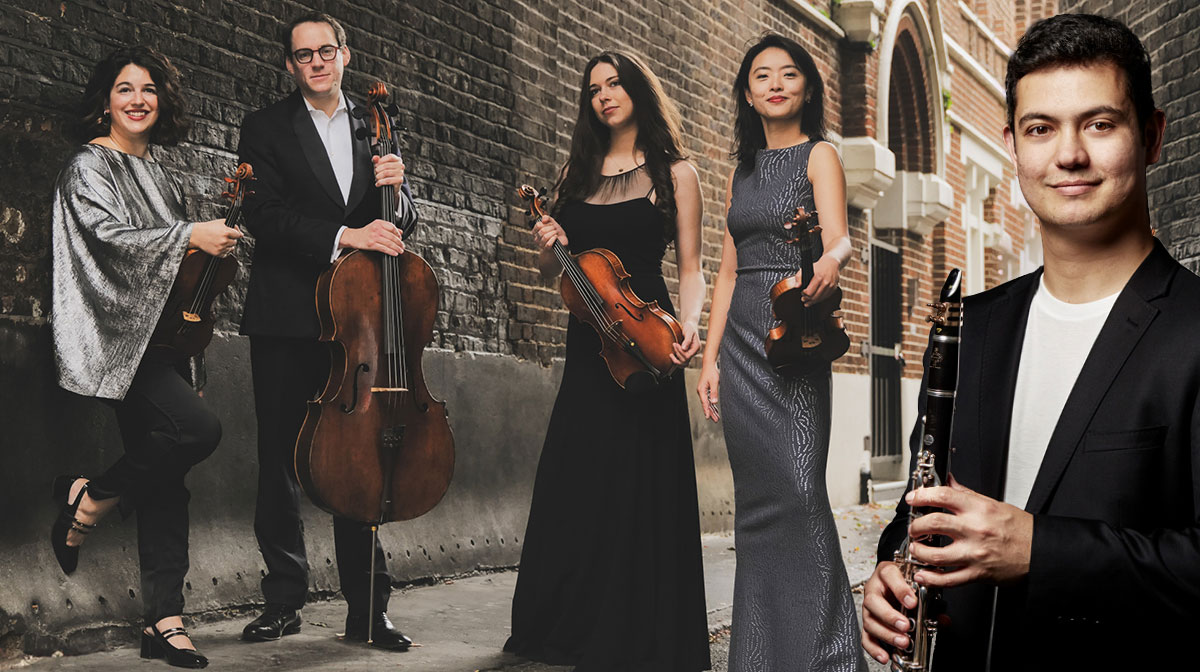
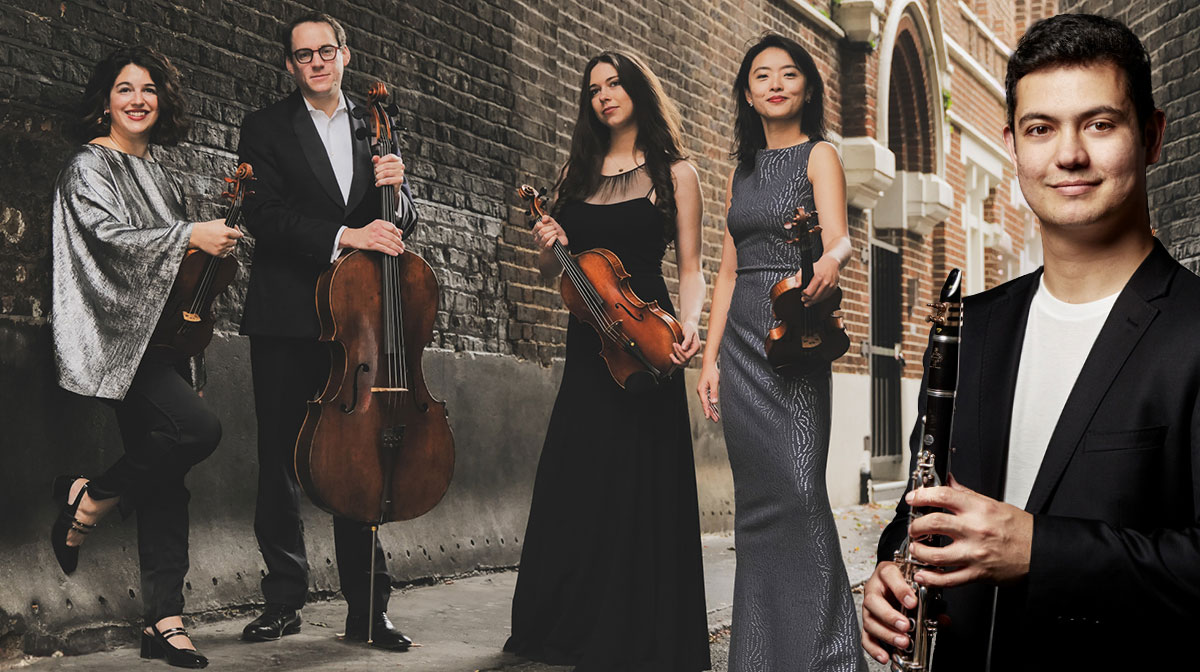
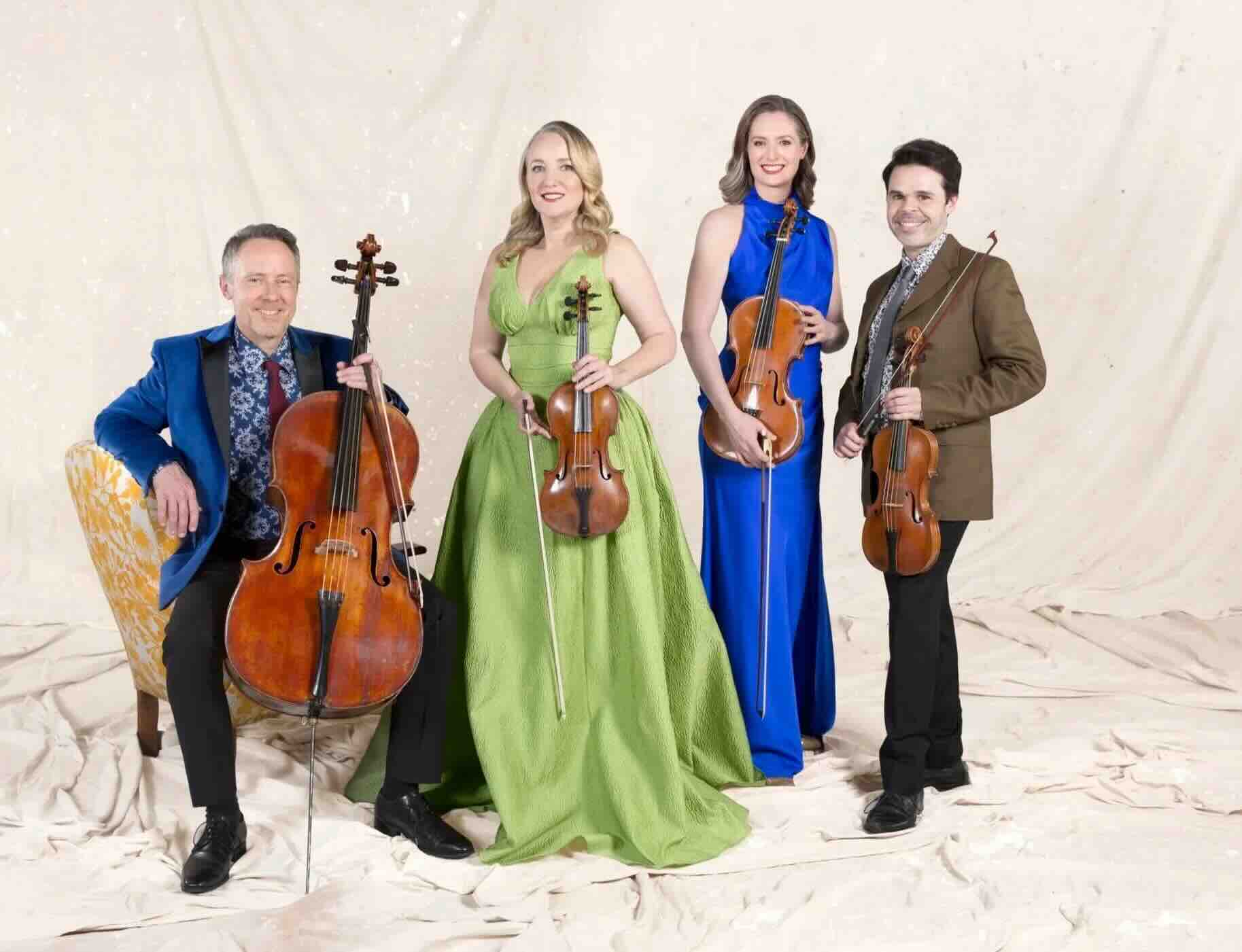
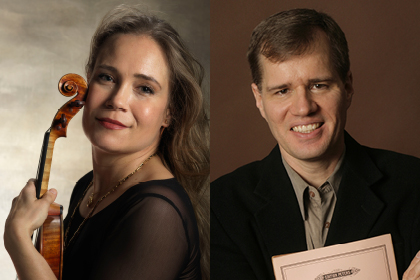
Britten‘s youthful work, the Op 2 “Phantasy Quartet” is scored for oboe and string trio. Callum Hogan on oboe joined Marina Marsden (violin), Justine Marsden (viola) and Adrian Wallis on cello. The playful march opening is very sparse and astringent compared to the folk inspired milieu fashionable at the time, found for example in the music of Vaughan Williams. The young Britten hence brings a transparency to composition inspired by his mentor Frank Bridge. Bridge always insisted that Britten wrote only what he clearly imagined in his mind; no musical padding or filling-out for the sake of thickening the texture. This intentional clarity was executed by the performers, but it was certainly not dry; lines were rendered with warmth and expressiveness. The young Britten’s composition was played here with mature musical sophistication.
As well being Britten’s teacher, Bridge was also, like Britten, a viola player. His Lament for 2 violas, played here by Aidan Filshie and Stuart Johnson, draws on the instrument’s rich and lyrical tone. Their interpretation was characterised by a suitably languid interweaving of the contrapuntal lines. The work is mostly written within the sonorous middle and low range of the instrument. Other composers could have envisaged such a work being for two cellos playing at the same pitch. Or even, since the cello’s configuration is exactly an octave lower, transposed down. Yet the choice of viola is inspired. While the viola’s bottom C string does not have that same vibrate-in-the-chest strength that the cello C string does, it does have a richness of overtones which fits wonderfully with introspective counterpoint of this piece. The viola sits right in the middle of aural range, giving scope for listening intensely, but with comforting warmth. One gets the impression that Bridge might have been on a mission to demonstrate what the much under-represented viola can do. A job well done, I’d say.
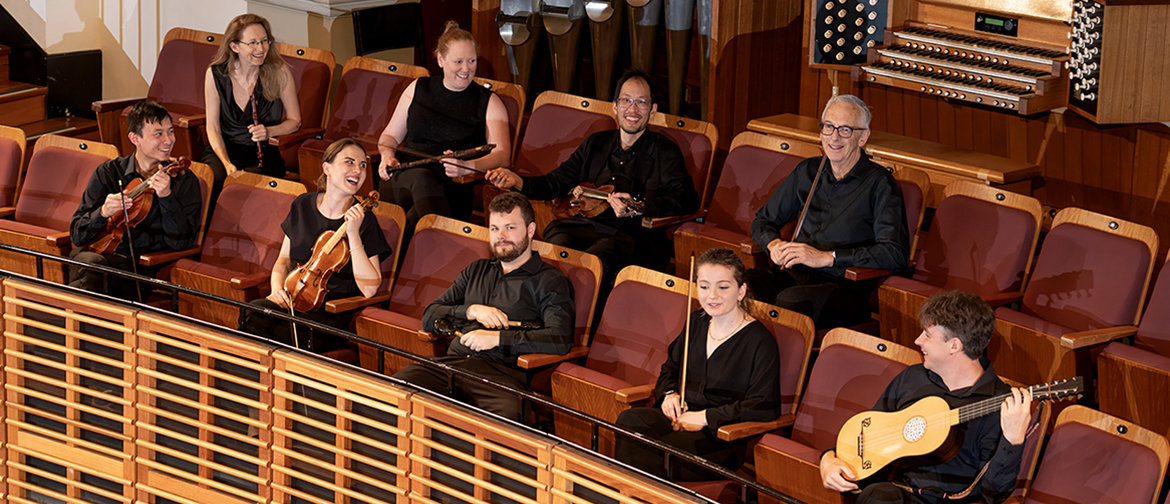
The Prokofiev piece on the program is the Quintet in G minor, Op 39, written in 1924. The performers here were Harry Bennetts (violin), Aidan Filshie (viola), David Campbell (double bass), Shefali Pryor (oboe) and Chris Tingay who was a late substitute in the line-up due to unavailability of Alexander Morris. The quintet is fiendishly difficult, so hats off to Tingay, who totally rose to the occasion despite the reduced rehearsal time.
The precursor of this work was initially written for the Russian Ballet based in Berlin, and each movement represented a circus character, thus giving Prokofiev much scope for contrast between the pieces. The ballet was not well received (according to Gordon Kerry’s excellent program notes) and he tweaked much of the music to create this Op 39 chamber work, albeit with no reference to the initial characters. In this Quintet the movements are named by speed indications rather than character descriptions. It is thus presented as pure music, rather than programmatic. Yet it is easy to sense its origins.
Much of the work is alternately astringent and texturally dense, yet always warmly rendered by the performers. This music is rhythmically complex, but the ensemble playing was superb, like clockwork; tight and thoughtfully phrased and articulated. There were many impressive interpretative elements in this performance. To give an example, in one section there is a striking tonal contrast achieved by bowing right near the bridge (sul ponticello) which produces a harsh sound, alternated with phrases where the strings are plucked (pizzicato), but right in the middle of the string, making a warm sound, much richer in fundamentals.
Despite the seemingly stark nature of the compositions in the program, the audience was completely engaged by these works due to the warmth from the performers, as much by their richness of their musical tone as their generosity of spirit. An impressive concert.