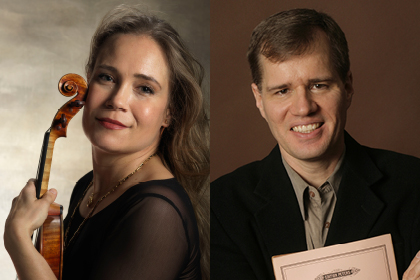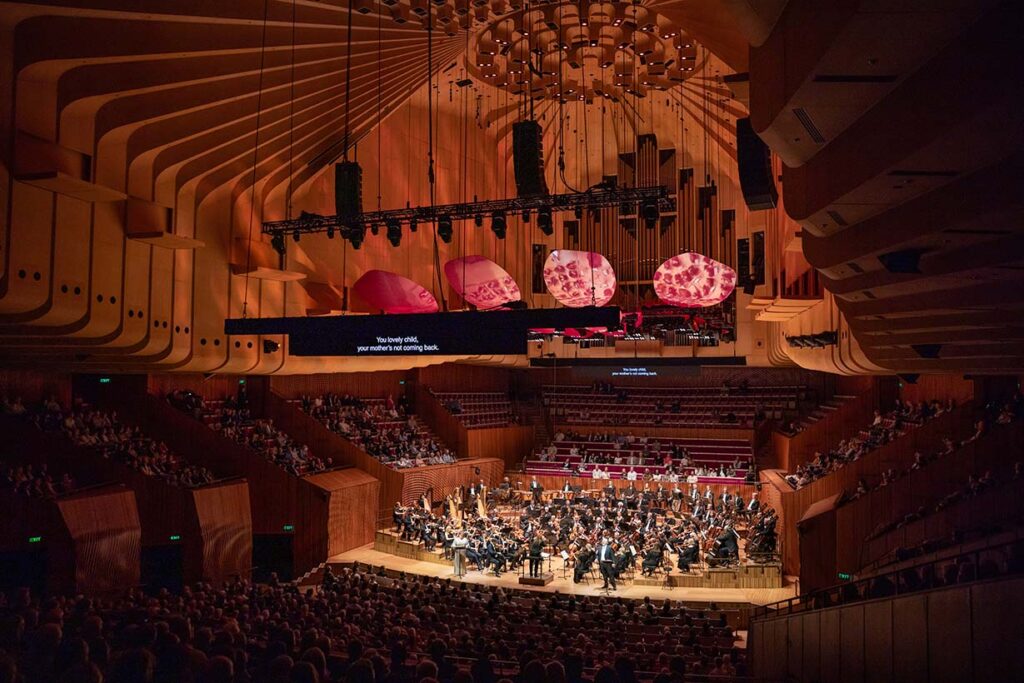
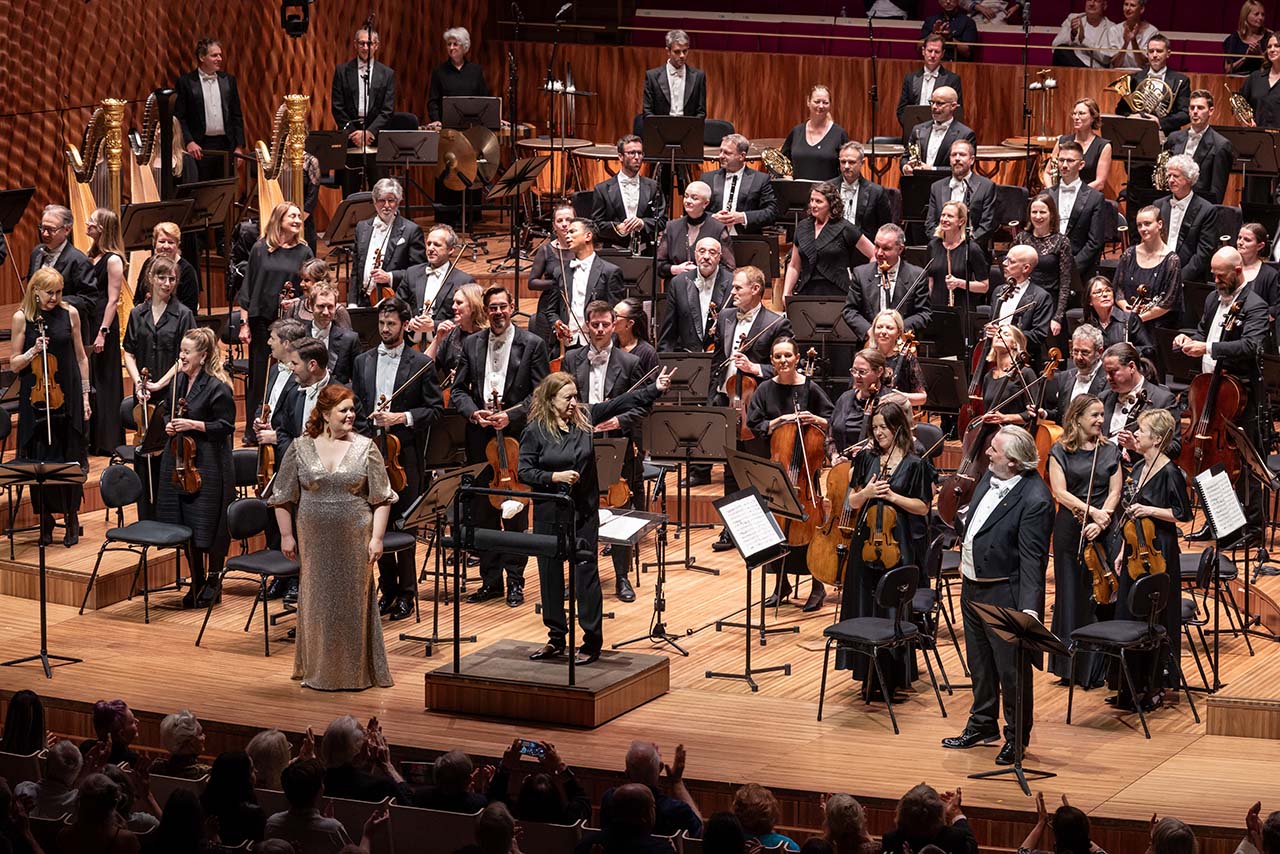
Sydney Symphony Orchestra | Simone Young conducts Wagner’s Siegfried
Sydney Opera House, November 2025
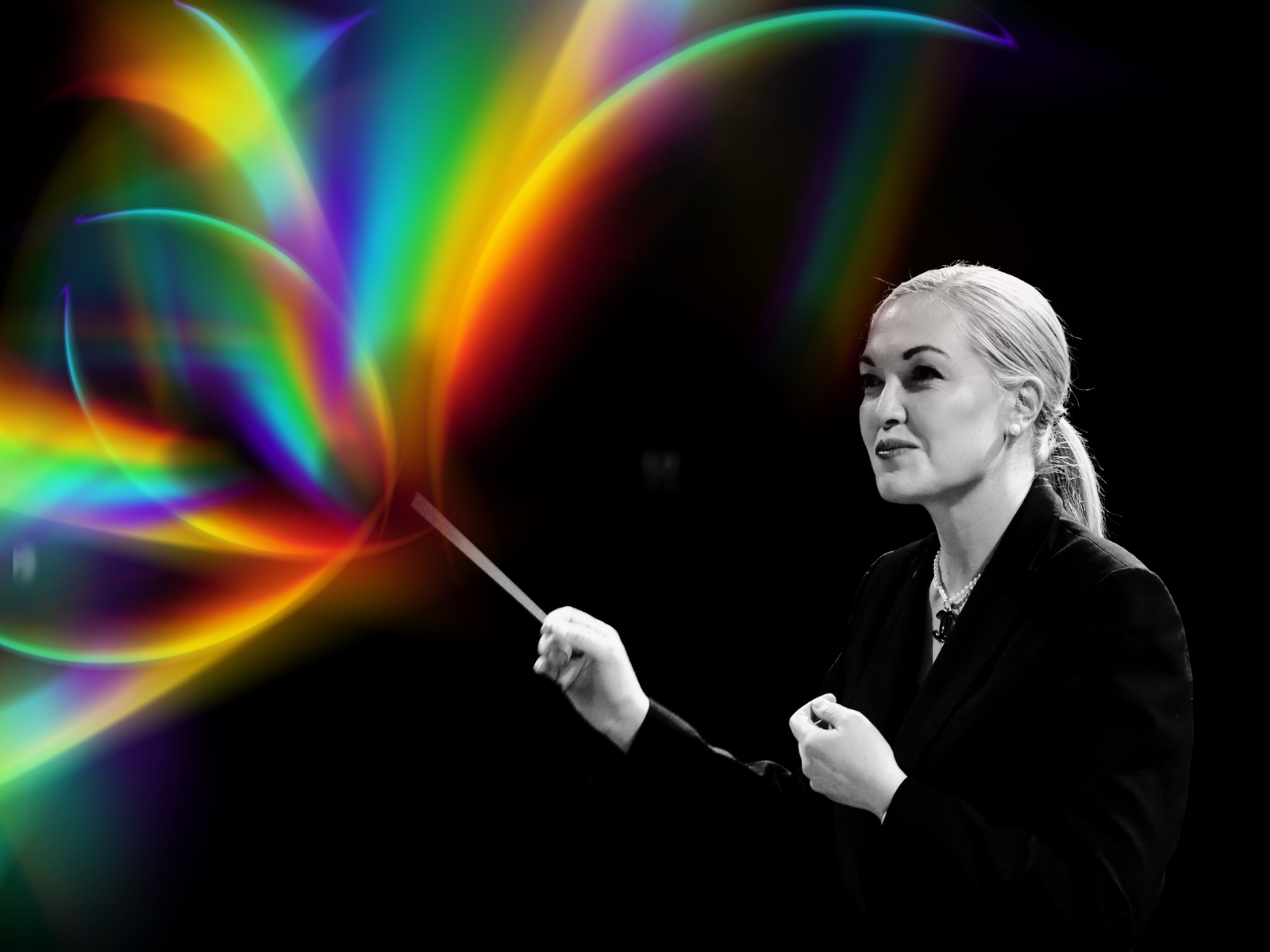
SIMONE YOUNG conductor
SIMON O’NEILL Siegfried
MIINA-LIISA VÄRELÄ Brünnhilde
GERHARD SIEGEL Mime
WOLFGANG KOCH Wanderer
WARWICK FYFE Alberich
TEDDY TAHU RHODES Fafner
SAMANTHA CLARKE Waldvogel
NOA BEINART Erda
Confession: I didn’t mean to become a Ring Cycle person.
Last year, I stumbled into the Die Walküre concert rather embarrassingly thinking I was in for a regular SSO program. Six hours later I emerged dazed and elated. And this weekend I came back for more: Siegfried, the third of Wagner’s four-part epic Der Ring des Nibelungen, conducted by the magnificent Simone Young.
Yes, it’s six hours. Yes, there are three acts and two intervals (including a dinner break). And no, it’s not staged.
But staged or not, this is some of the most vivid storytelling you’ll ever encountered in a concert hall – and a truly luxurious way to spend a Sunday.
Act 1: Fearless, Friend of Bears, Forging Swords
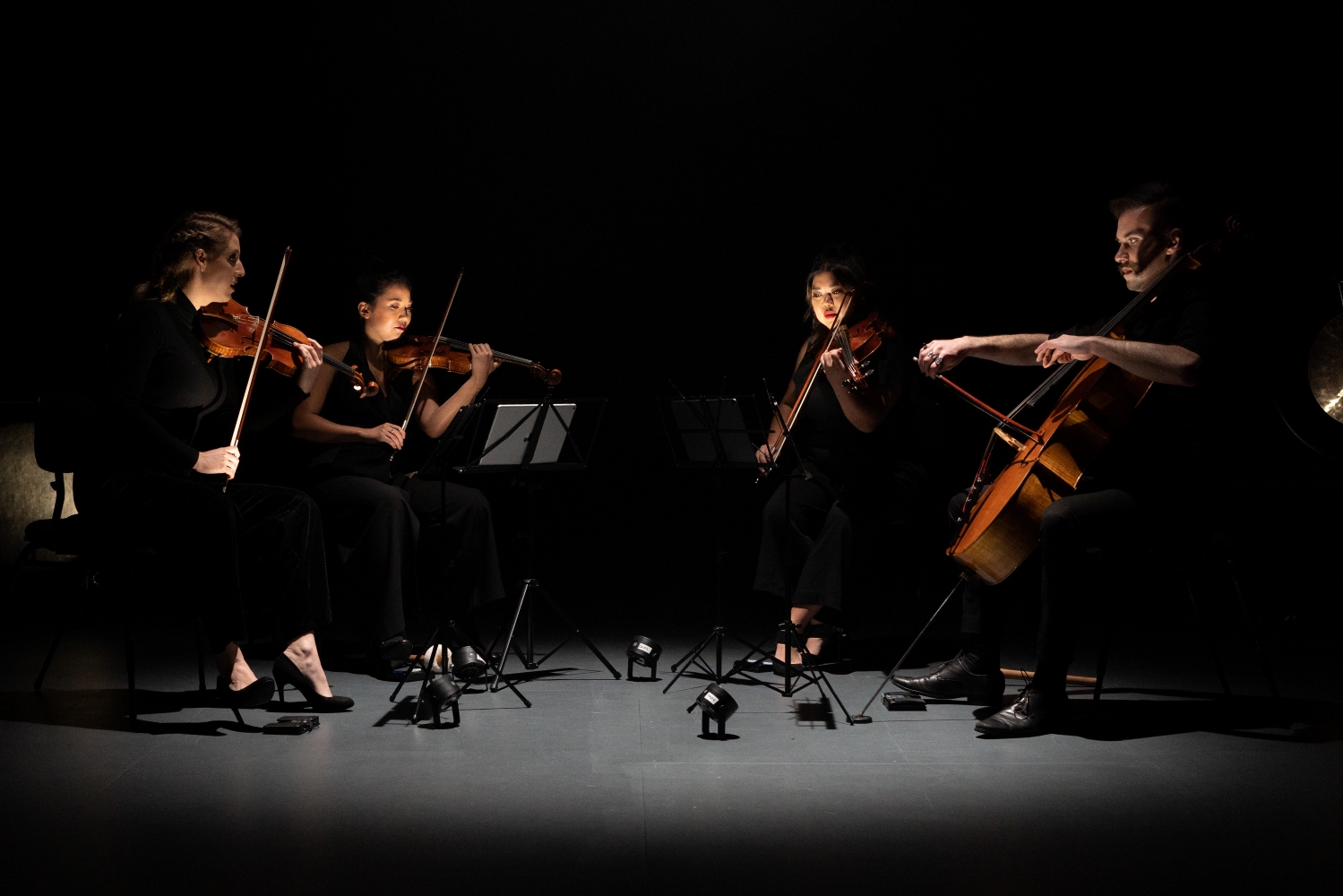
From the moment Simone Young stepped on stage, her electrifying presence immediately animating the audience, you knew we were in expert hands. The opening of Act 1 set the tone. The Concert Hall was blackened. A cave, conjured through pinpoint lighting and the low, ominous breath of bassoons and timpani. The SSO staged it beautifully. A single spotlight on a timpanist. A rumble in the double basses. We are underground – deep, mythic.
Mime (the scheming dwarf who raised Siegfried) appears on stage magically, quite literally out of nowhere, and we’re off: a musical Q&A that re-establishes where we’re up to in this tangled saga. Siegfried himself arrives with… a bear. No, really. The bear doesn’t appear in this concert version, but the music and surtitles tell you it’s there – and you believe! You hear the rustling woods, chirping flutes and forest magic. My trusty symphony companion laughingly dubbed him the “Disney Princess of opera”, and he’s not wrong – this Siegfried talks to animals, knows no fear and forges his own fate.
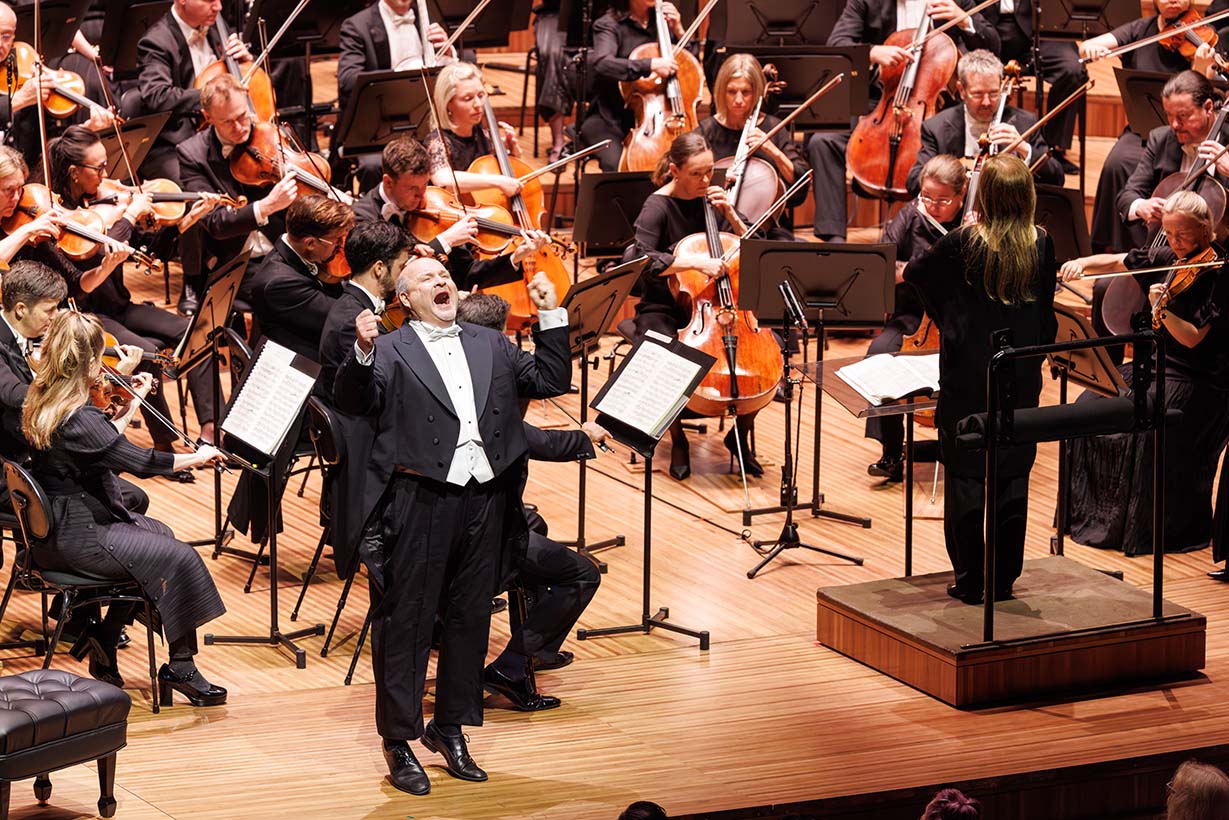
There’s humour from the start – a lightness that surprised me. This is Wagner with comic timing: as the anvil clangs offstage, Siegfried reforges the legendary sword Nothung, the orchestra blazes away, and the first act ends with thunderous brass and audience cheers. Festive vibes spill into the northern foyer for the long dinner break – picnics are unwrapped, dinner boxes devoured, Wagnerites old and new buzz with Act 2 anticipation.
Act 2: The Dragon, the Bird, and the Horn
The second act began like a musical forest at night. Double basses and timpani whisper and growl in the shadows. You’re immediately on alert. Wagner uses orchestration like a cinematographer – the tuba (the dragon Fafner’s motif) breathes terror into the soundscape. The use of Wagner tubas was particularly effective, blending menace with majesty.
Alberich (deliciously scheming) and Wotan (aka “The Wanderer”) circle each other in a web of power plays. Warwick Fyfe’s laugh alone deserves its own ovation – villainous and gleeful. Throughout, the singers embraced their roles with expressive acting, even without staging. There was a boldness in the simplicity: Teddy Tahu Rhodes using a fire red megaphone for Fafner’s voice (how excellent), pinpoint lighting for sudden revelations, subtle flickers for fire, lightening and fear.
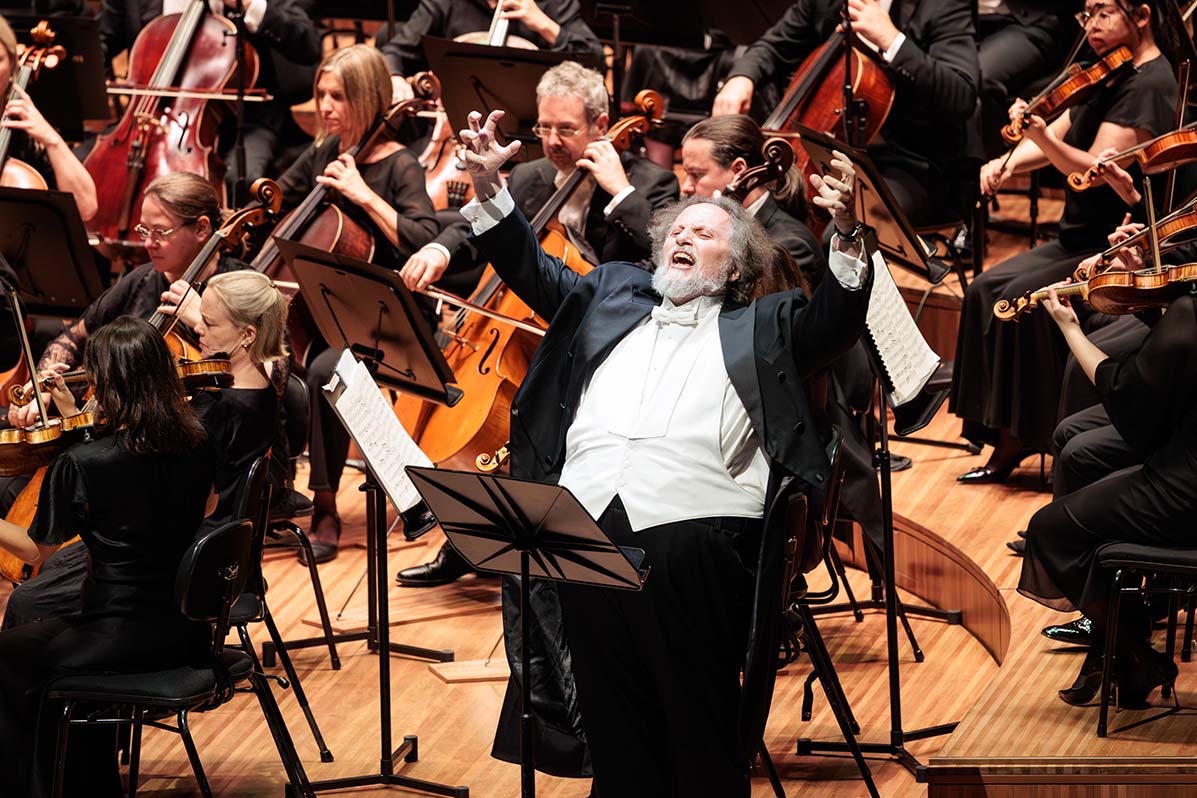
The music here is dazzlingly descriptive. You can hear the dragon tail swish, the flicker of flames, the scraping breath of danger.
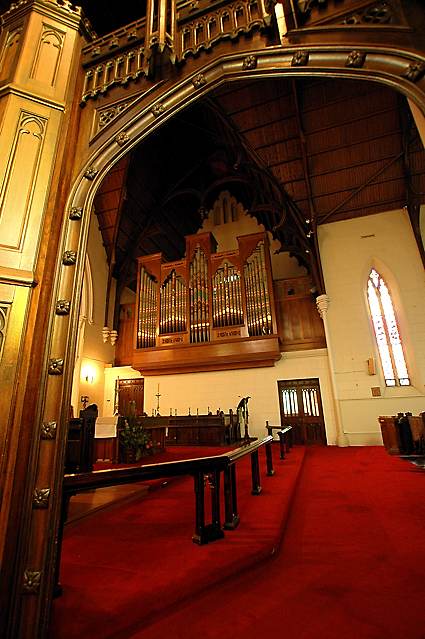
Siegfried’s oblivious, with no fear he tries to summons some of his friendly forest pals, flutes trill knowingly and there’s a hilarious duet with an oboe (Siegfried’s pipes) attempting to mimic the forest bird – hopelessly. Laughs all round. Then he ties his horn – a standout horn solo moment from the organ loft is Siegfried’s fateful call. He thinks he’s summoned a beautiful creature… It’s the dragon.
After his rather prompt dispatch of the dragon, Siegfried accidentally drinks some of its blood (naturally), and suddenly he understands birdsong. Of course he does. And then – all is revealed to him – the Ring, the Tarnhelm (the powerful ‘helmet of concealing’), the revelation that his adoptive father was using him for revenge. What a saga! And with a heroic downbeat, we’re out for another breather.
Act 3: Waking the World
Three harps. Full brass. All hands on deck. The final act hits fast – lightning flashes on the Concert Hall ceiling, and Young leaps onto the podium as timpani roar, and Wotan calls Erda (Mother Earth) to wake. Their duet is not gentle: she, all earth-bound wisdom and sorrow; he, trying to assert control. It’s hard to forget that Brünnhilde is their daughter – the one who now lies sleeping on a mountain, ring of fire at her feet.
Simone Young shapes the music like lava flow: powerful, then molten and tender. The Valkyrie theme appears gently as Siegfried nears Brünnhilde’s resting place – even before her name is sung, we hear her. He wakes her with a kiss and in that moment, everything changes. The music swells with desire, tension, terror. The duet is ecstatic and trembling – it’s love, but it’s also irreversible transformation. They sing passionately over and under each other before finally uniting in harmony. The orchestra surges, strings shimmer, the final chord lands like fate. Brünnhilde is now mortal.
So – why do this?
Because it is six hours of utterly enthralling music and drama.
Because live performance, even without sets or costumes, can conjure whole worlds through sound.
Because Simone Young and the SSO make Wagner absolutely breathtaking.
Because you won’t hear music like this anywhere else, anytime soon.
Final tips from a Ring Cycle novice
Trust. Everything – from interval timing to lighting to sound balance – was masterfully done. Even the seemingly never-ending line for dinner boxes went swiftly and efficiently – well done Sydney Opera House.
Bring snacks or get the dinner box. That long break is a great chance to chat, reflect or just soak those stunning Opera House views.
Follow the story loosely. You don’t need to know every backstory. The music does the work.
Come open. The Ring is vast, strange, funny, violent, tender and totally unlike anything else.
*And book now for Götterdämmerung – November 2026. You’ll want to see how it ends.
Photo credit: Dan Boud