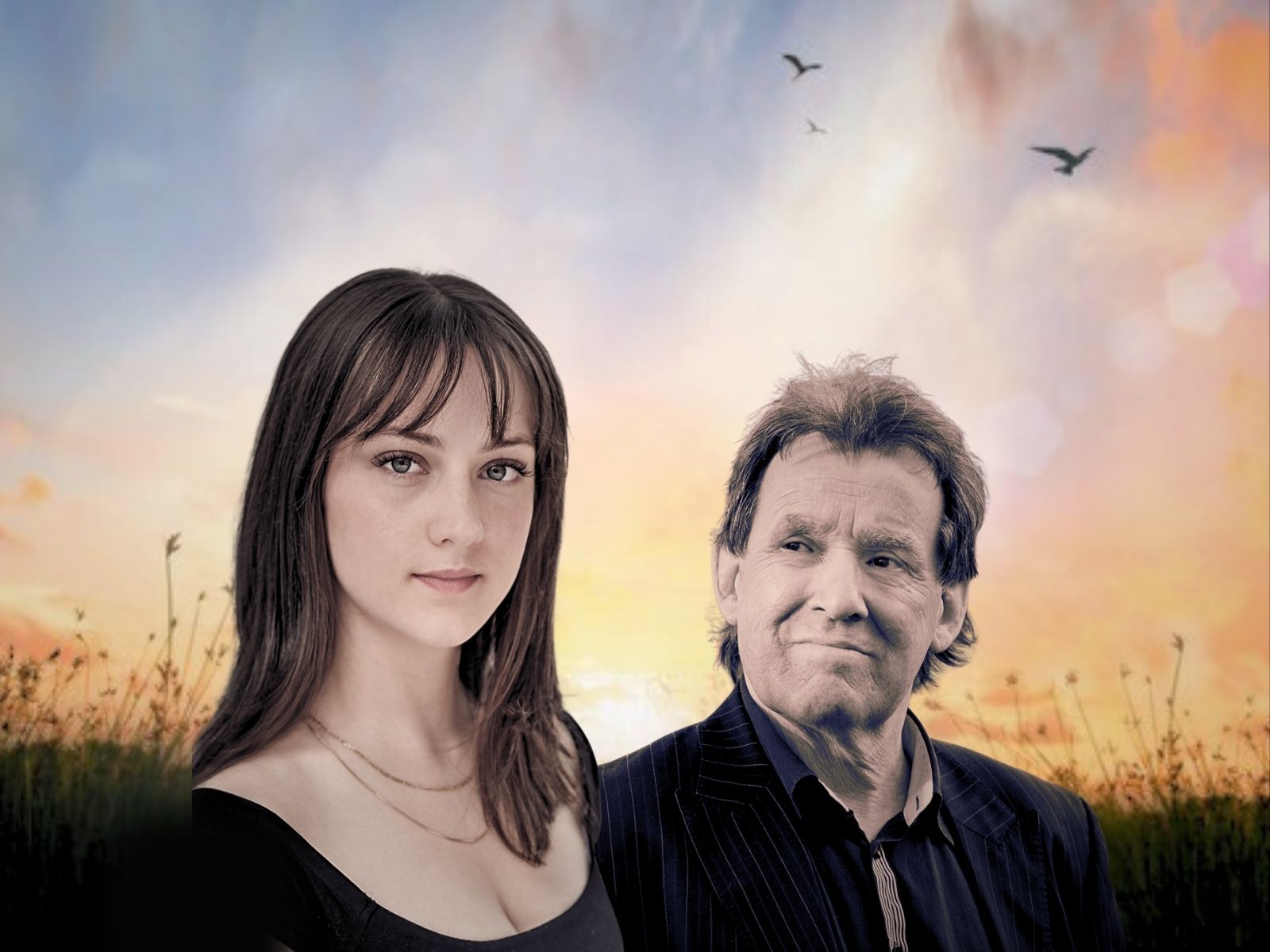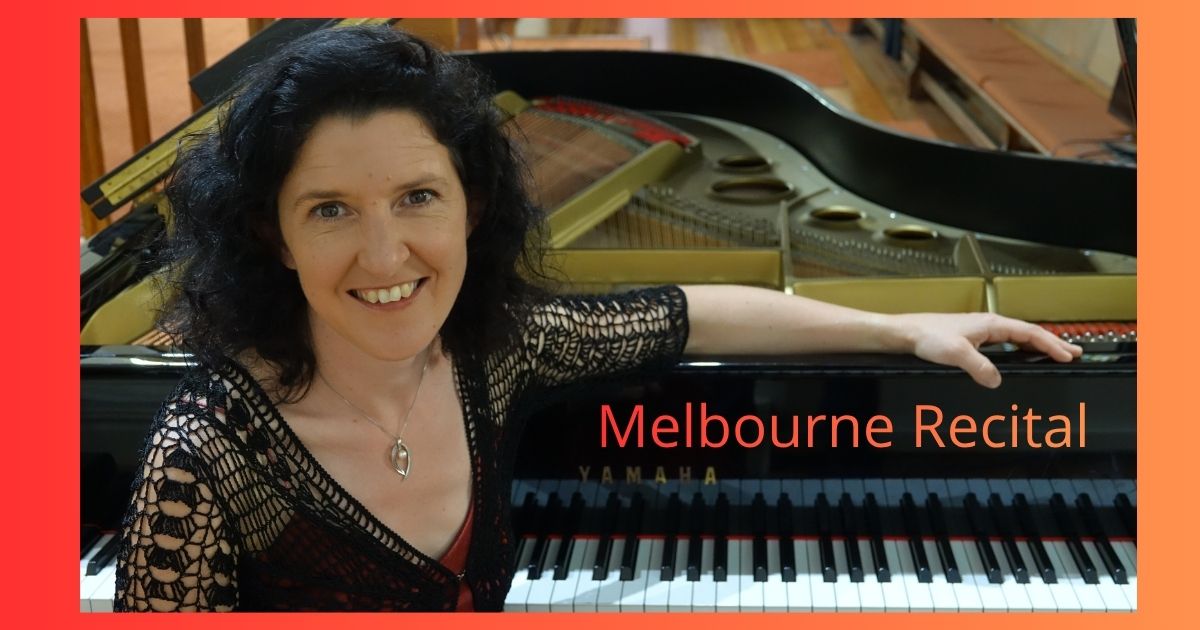
Stephen McIntyre plays Schumann
18 September, 2025, Primrose Potter Salon, Melbourne Recital Centre, VIC
Robert Schumann originally planned his Fantasy in C., Opus 17 to be used to fundraise for the Beethoven Monument in Bonn, giving copies to the overseeing Committee to sell. Later, he removed several Beethoven written comments on the score and dedicated the work to Liszt, who ended up paying the outstanding balance to get the statue produced. When Liszt played the work to Schumann, it knocked his musical socks off!
It is the greatest of Schumann’s larger piano pieces; in three movements, and needs a pianist with “more technique than the work requires” (as Liszt said of playing Beethoven); stamina, sensitivity, and a very sure sense of musical architecture. This, Maestro McIntyre has in spades. (Odd, perhaps, to speak of architectural sense re music, as a single note/chord only lasts for seconds, then dies away, but a listener certainly knows when an artist hasn’t got it, as the performance is not convincing.)
The second movement, a March, with its leaps and very forceful theme is very demanding on the pianist and Schumann has a tricky moment up his sleeve, at its ending. The last chord is held, pianissimo, for the longest time and then the Finale starts pronto. Some audiences, not knowing the work, or perhaps too enthusiastic, break into applause at the March’s end and ruin the next quiet, and magical, beginning. (The late Jorge Bolet, a Cuban-born American pianist, told me that that happened in a recital in Europe; there he was holding the last chord down—furious applause!—and Maestro Bolet was so annoyed that he slapped the top of the music-stand and splintered the wood; and we perhaps thought that piano recitals were serious, unexciting experiences!)
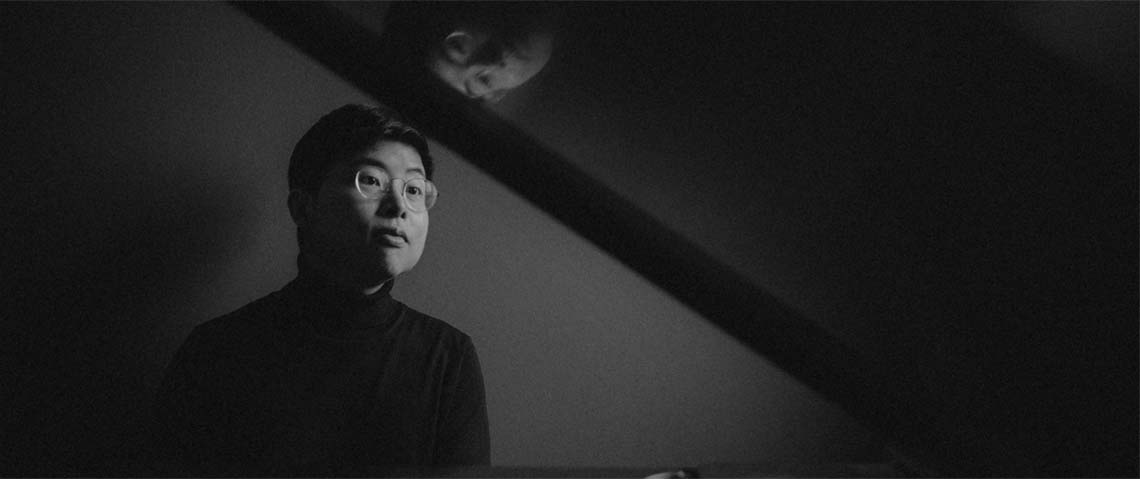
Maestro McIntyre avoided this by chatting to the audience about the pieces beforehand and cluing us in to Schumann’s pianist boobytrap. This approach works well in the Primrose Potter, which held 140 listeners, at capacity, on the night and this intimate space with its beautiful wooden walls and lighting seems like a modern version of the 19th Century salon (minus the red plush and chandeliers!). And audiences, I find, love to have the performer talk easily and non-technically to them about what they are about to hear: in this small space, it seems that we are eavesdropping on musical magic.
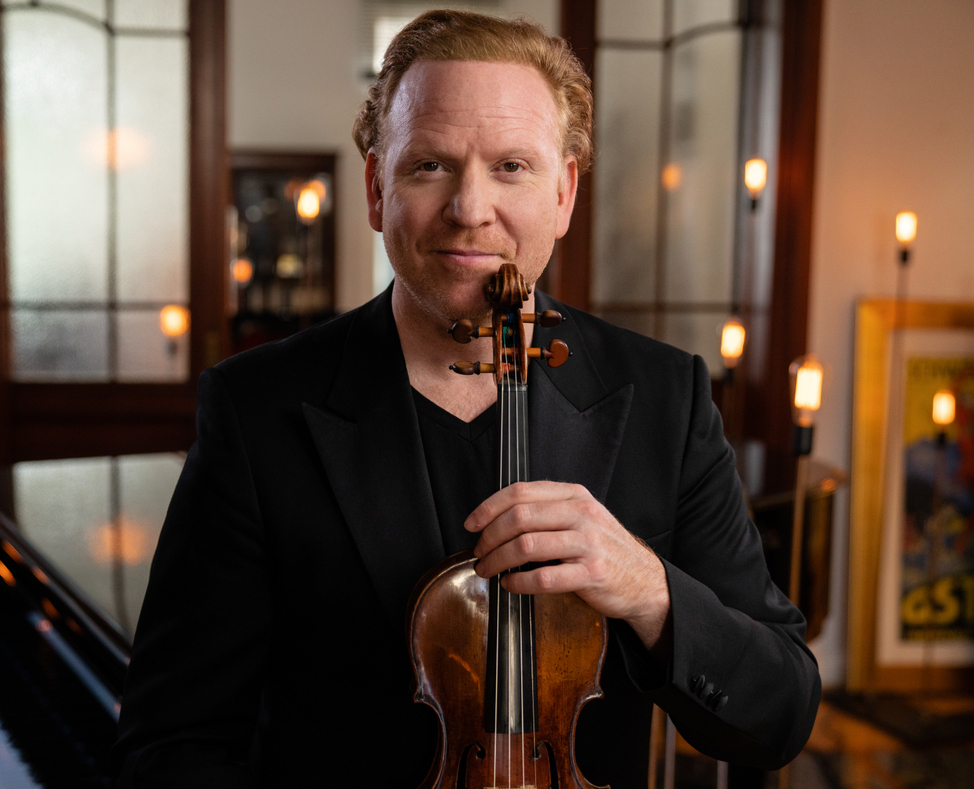
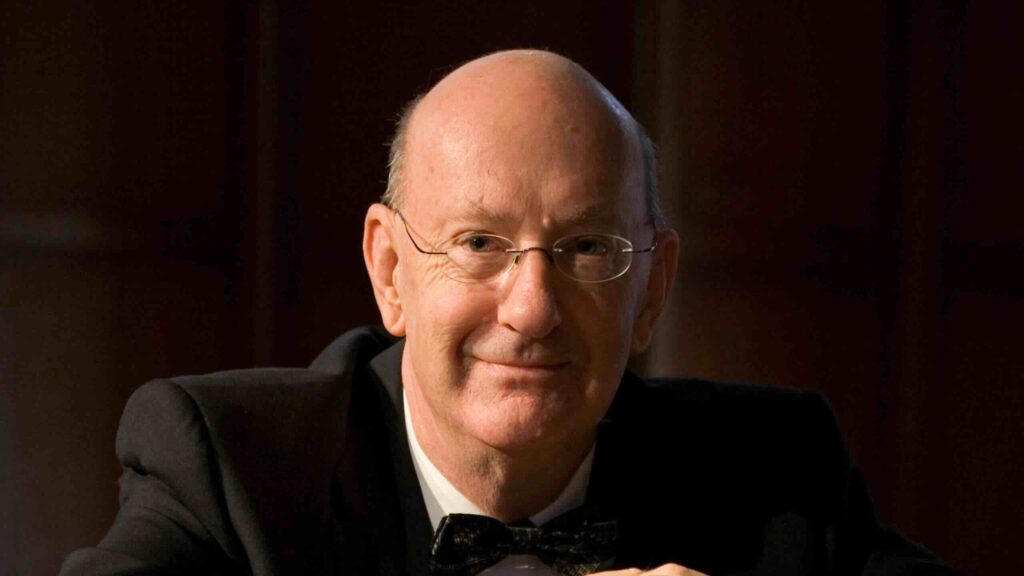
I was impressed by McIntyre’s relaxed posture; his quiet demeanour at the keyboard, so much so, that the sound he drew from the piano was almost a shock. How could such an unassuming-appearing man be producing this mighty sound; Art concealing Art, I suspect.
The program began with the Opus 99 Bunte Blätter (coloured leaves ), originally called the rather unflattering Spreu (chaff ), and Schumann wanted each separate piece printed on different-coloured paper (full of imaginative ideas was our Robert). Culled down from 40 to 14 pieces, these Character Pieces are not often heard (Character Pieces = think of Mendelssohn’s Songs without Words, but in this case often with Schumann’s very chordal writing.)
The younger Schumann wanted to be a concert pianist until he ruined his hand by suspending it from the ceiling —or so the story goes— so he did the next best thing by marrying Clara, programmed (sic) as a composer/pianist by her controlling father, from a very early age. When the celebrated Schumann Piano Concerto came up for auction, decades back, a lot of the manuscript score was found to be in Clara’s hand. When not having eight children and being the Muse behind the Maestro —as many 19th Century women had to do— did she contribute more than we think?
So moving to see a musician, a teacher and performer, for so many years, play such a varied and interesting programme; the epic (an overused word, but exact here) Fantasy; worth the price of admission in itself. The Maestro said at the night’s beginning that he’s loved these works all his life and it shows: a great musician honouring a great composer. McIntyre doesn’t just execute these works at the piano, he “speaks Schumann”, as the standing ovation showed.