Sydney Philharmonia Choirs | Bach’s St Matthew Passion (Mendelssohn Version)
17 April 2025, Sydney Opera House, NSW
Performers
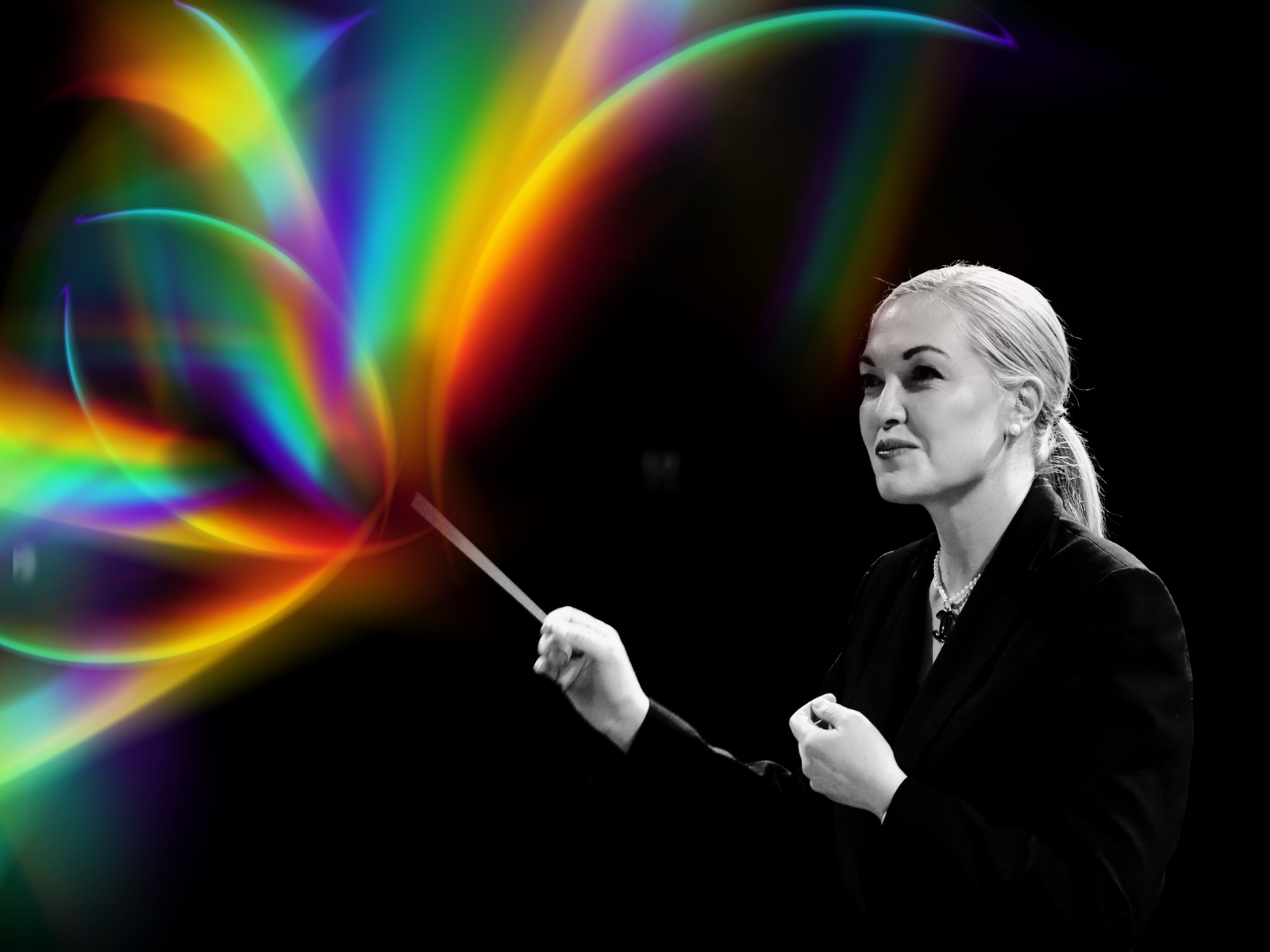
Elizabeth Scott – Conductor
Penelope Mills – Soprano
Emily Edmonds – Mezzo-soprano
Andrew Goodwin – Tenor (Evangelist)
Teddy Tahu Rhodes – Bass-baritone (Jesus)
Andrew O’Connor – Bass
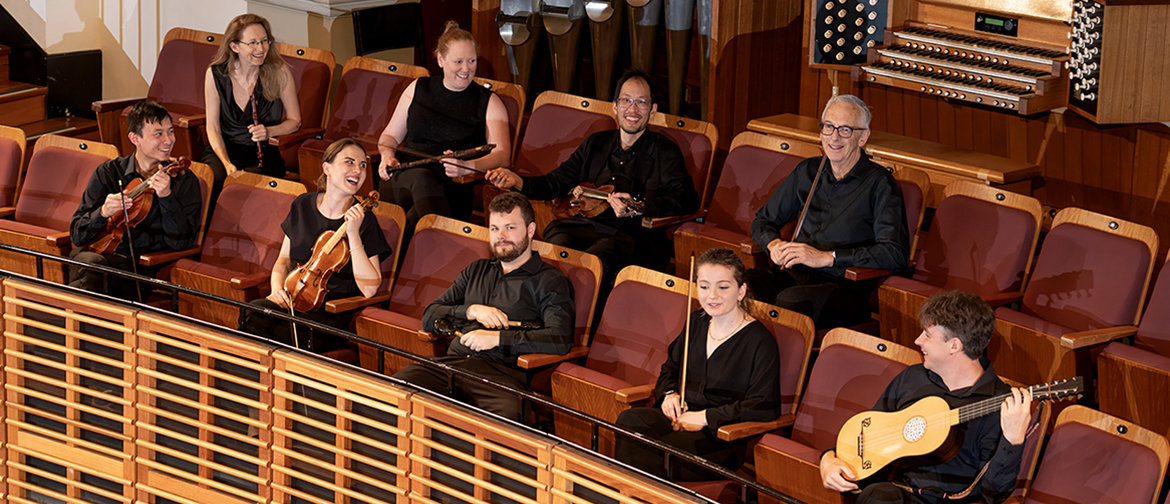
Australian Romantic & Classical Orchestra
VOX (Sydney Philharmonia Choirs’ youth ensemble)
Sydney Philharmonia Chamber Singers
It’s easy to forget that J.S. Bach’s St Matthew Passion was once almost lost to history. Now a staple of the choral repertoire, Bach’s magnum opus was gathering dust in the early 1800s until a 20 year old Felix Mendelssohn famously revived it in Berlin in 1829. That revival didn’t just reawaken a sleeping masterpiece, it catalysed a Bach renaissance and redefined musical heritage.
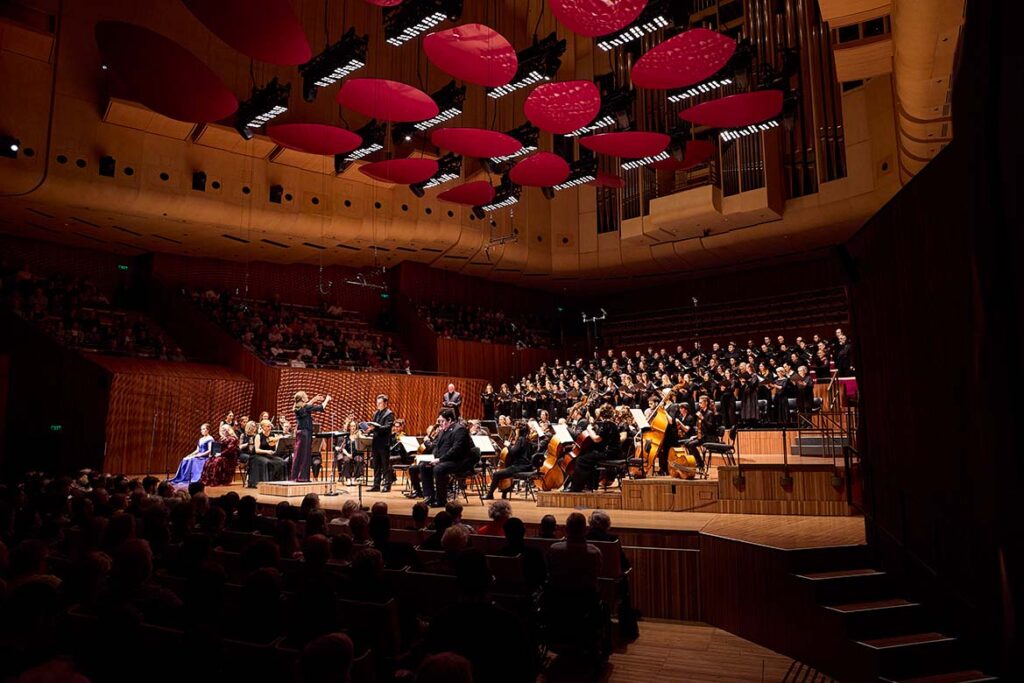
And yet, what we heard at the Sydney Opera House on Thursday evening was not just Bach, it was Mendelssohn’s Bach: his 1841 version for the Thomaskirche in Leipzig, heard for the first time in Australia in a historically informed performance. This was an ambitious, rich, and at times revelatory collaboration between the Australian Romantic & Classical Orchestra and Sydney Philharmonia Choirs under Elizabeth Scott, with soloists of exceptional calibre. A partnership I hope we’ll hear again.
For those who arrived early, the pre-concert talk in the Northern Foyer offered valuable insights. Australian Romantic & Classical Orchestra’s Nicole van Bruggen, in conversation with 2MBS Fine Music’s Peter Poole, laid out the historical and artistic choices behind Mendelssohn’s version, including his 19th-century sensibilities, practical cuts and colourful reorchestration. It helped frame what followed not just as a performance, but as a rediscovery.
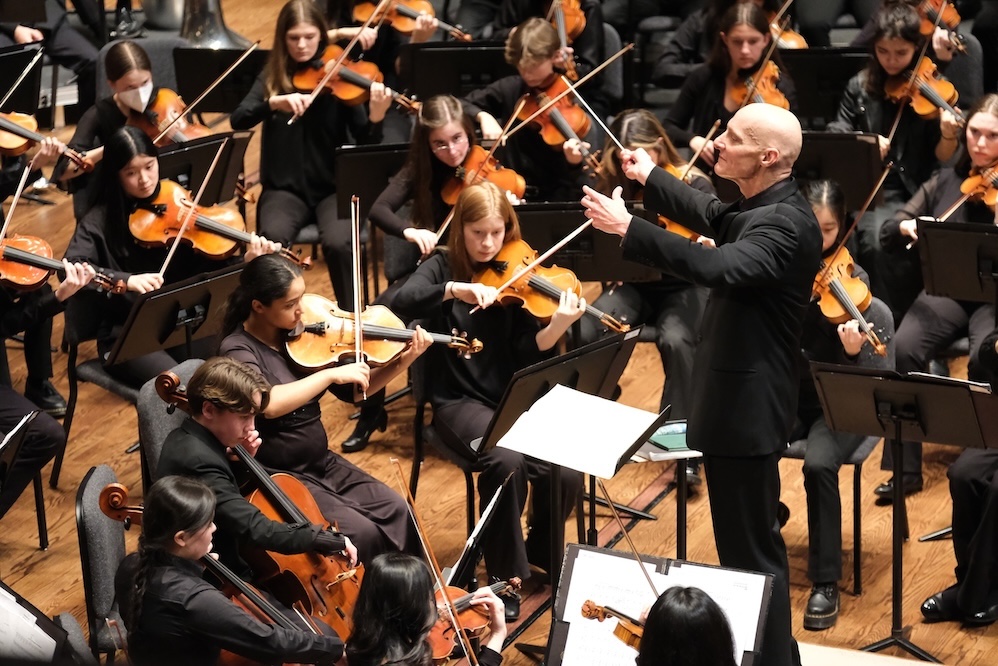
From the very first downbeat, the 50-piece orchestra radiated warmth. Seated mid-stalls, the sound came gently, even modestly, but that restraint made the choir’s first interjections all the more striking. With focus and crisp articulation, VOX and the Philharmonia Chamber Singers punched out the questioning “Wen?” “Wie?” “Was?” “Wohin?” of the opening chorus, launching us straight into the Passion story with conviction.
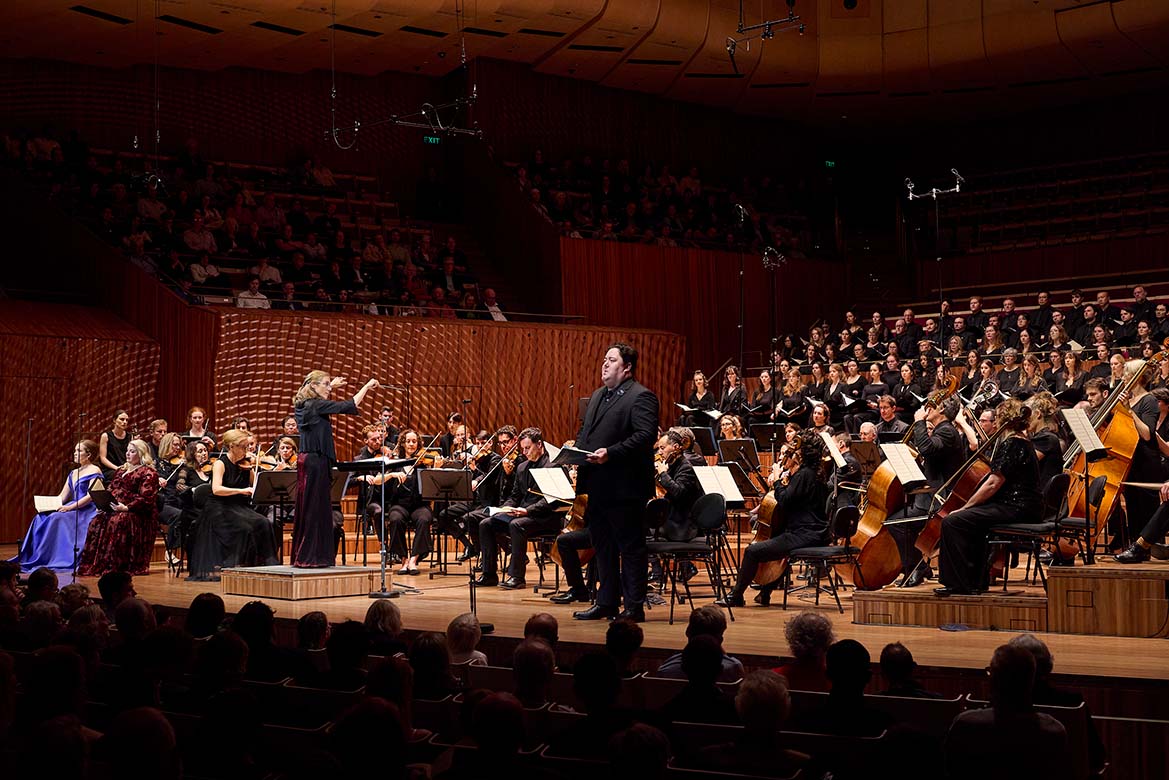
Tenor Andrew Goodwin’s Evangelist was absolutely masterful – ringing, clear and declarative. His storytelling held the vast Concert Hall in thrall from the start and never wavered. Around him, the chorus surged and receded like a living crowd – shouting, beseeching, grieving. Their impeccable timing, dynamic control and barely audible sits and stands (a mark of true professionalism) enhanced the flow and subtlety of the dramatic arc throughout the performance.
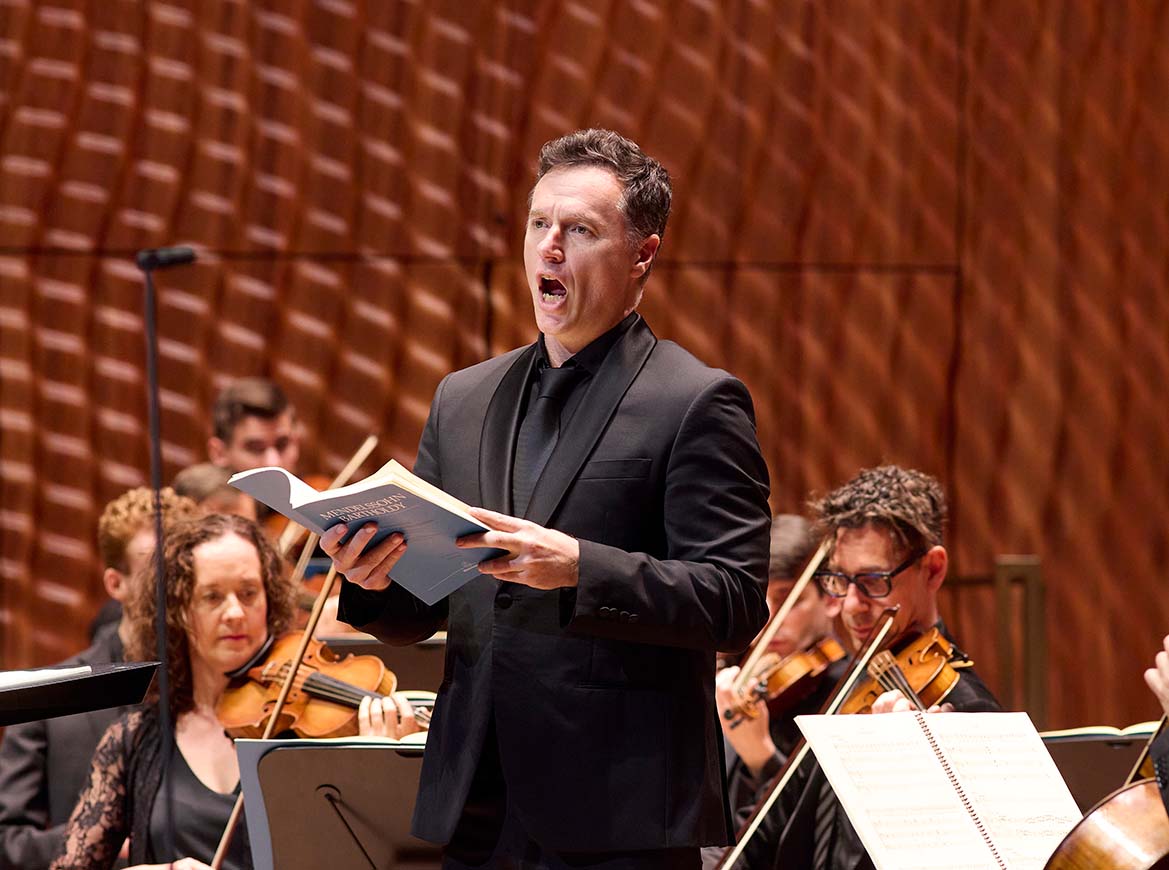
Teddy Tahu Rhodes, placed symbolically above the orchestra as Jesus, brought a resonant gravity to the role. His voice, commanding yet compassionate, offered a rich counterpoint to the Evangelist’s narrative clarity. Bass Andrew O’Connor was dramatically effective, especially as Judas – nimble in voice and character, shifting tone subtly across his various roles.
I am sure everyone had their own stand out moments among the solo arias, for me some included Penelope Mills’ Blute nur, du liebes Herz! (“Bleed, O dear heart!”). Her dynamic control made it feel like a secret confession, drawing the audience into an intimate space. Later, in Aus Liebe will mein Heiland sterben (“Out of love my Saviour is willing to die”), her delivery floated over a hauntingly sparse accompaniment, just flutes and clarinets, in one of the most delicate and affecting moments of the night. Emily Edmonds (mezzo) shone in Ach, Golgatha, her warm tone matching the subtle ache of the basset horns.
And then, Erbarme dich (“Have mercy”). Often the emotional heart of the work, this aria was transformed into something dazzling. Rachael Beesley, concertmaster and a force unto herself, delivered the obbligato violin solo with virtuosic flair and aching sweetness. The duet with Mills was beautiful, decorative, expressive and technically breathtaking. Showy? Absolutely. But Mendelssohn, like us, seemed more concerned with beauty than authenticity. It was a moment to be savoured.
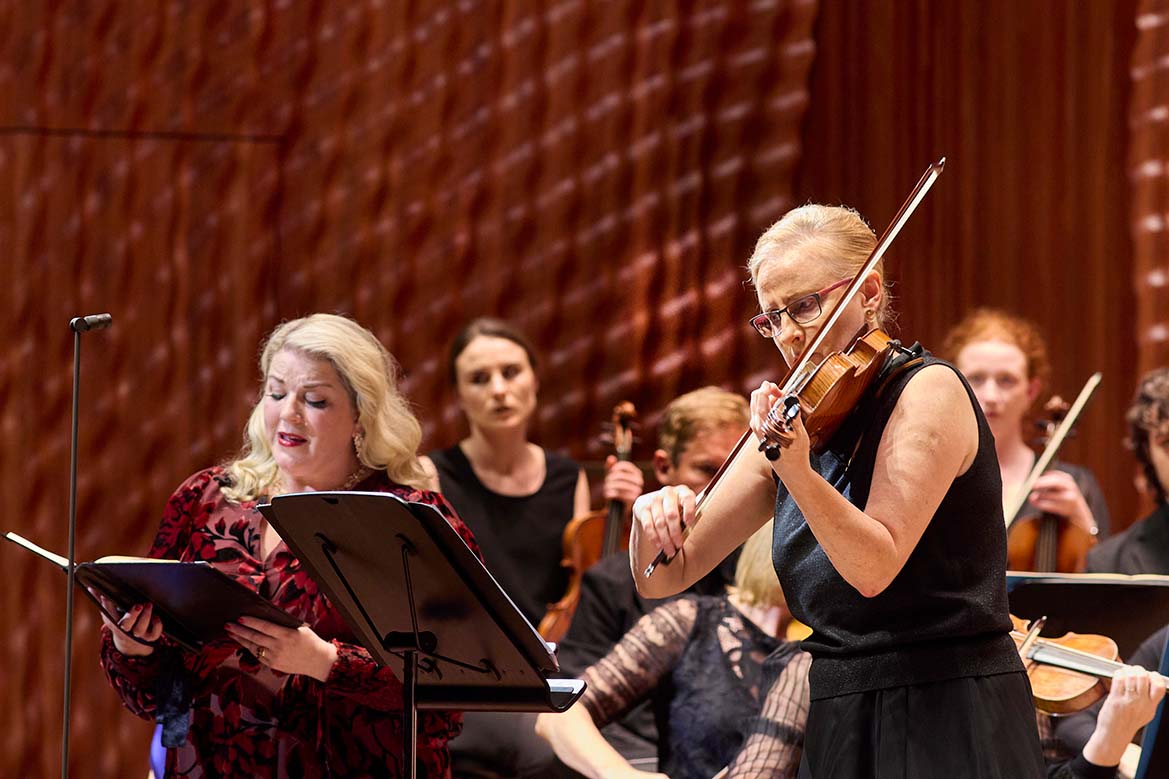
A word, too, for the orchestra: with period instruments and historically informed touches, they navigated Mendelssohn’s 19th-century lens on Bach’s 18th-century sound world with grace. The winds, especially the flutes and oboes, were superb, and there was a charming theatricality to the continuo textures, though occasionally the ornamentation tipped toward flamboyance. That said, you were never allowed to drift off – and perhaps that was the point.
The Wenn ich einmal soll scheiden (“When it comes time for me to die”) chorale became an unexpected moment of pure stillness and was sung a cappella I think (and apologies to any players who may have accompanied this movement, I was just so taken by the singing!) Perfectly hushed, it was like a breath held in prayer.
Elizabeth Scott’s direction was energetic, clear and deeply attuned to the pacing of this unique version. There was a sense of intimacy throughout even when the forces were large, the emotional palette stayed close, nuanced. The decision to seat the choir during some arias added a reflective dimension, softening the theatrical arc into something more contemplative.
By the closing chorus, a gentle hush had settled over the hall, not silence, but waiting. The kind of breathless pause that great performances leave behind.
A packed Opera House for a Passion performance on a Thursday night tells you all you need to know about the enduring power of this work. But this performance, with its reverence for both Bach and Mendelssohn, and the extraordinary collaboration between Australian Romantic & Classical Orchestra and Sydney Philharmonia Choirs, brought more than just power. It brought tenderness, clarity and, in moments, transcendence.
Let’s hope this is the first of many.
Photo credit: Keith Saunders