Sydney Philharmonia Chamber Singers | Gloria!
March 7, 2026, Wharf 2/3, Walsh Bay, NSW
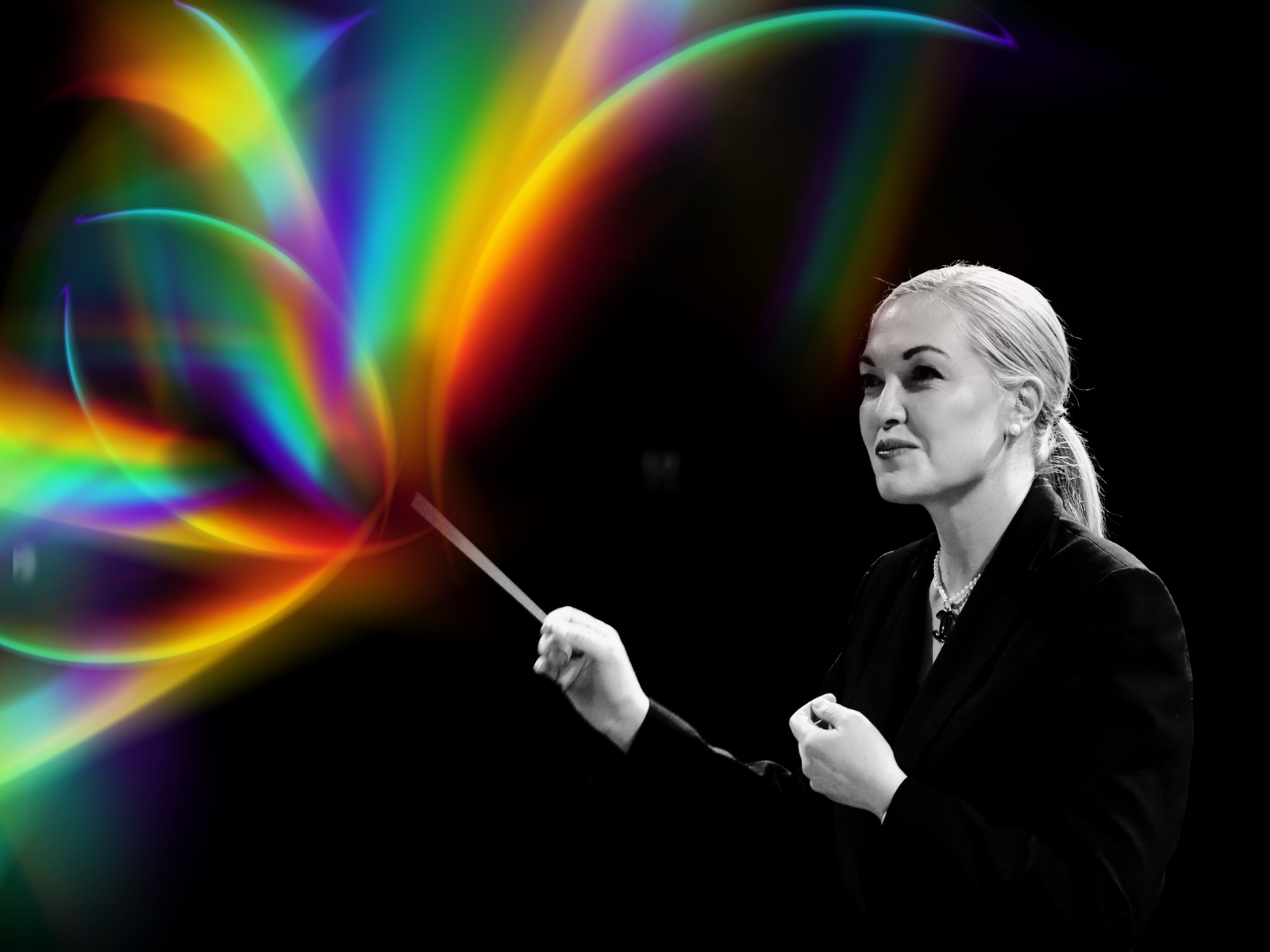
Conducted by Brett Weymark
Soloists
Lauren Lodge-Campbell – soprano 
Angela Brun – soprano 
Hannah Fraser – mezzo-soprano 
Richard Butler – tenor 
Andrew O’Connor – bass-baritone 
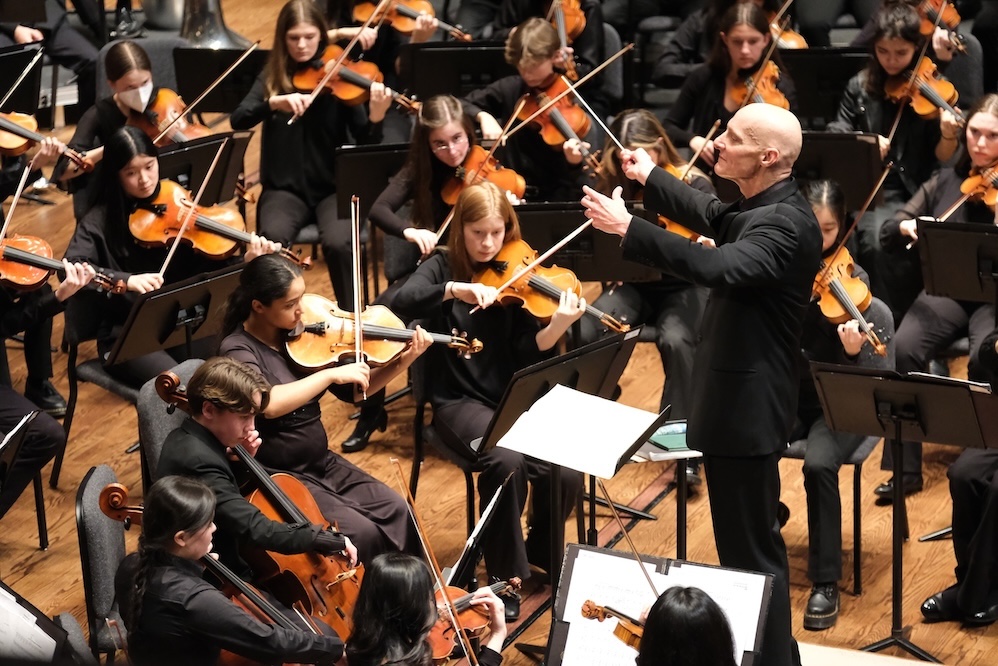
Sydney Philharmonia Choirs opened their 2026 season with a trio of Baroque masterpieces presented by the Chamber Singers and a hand-picked Baroque orchestra under the direction of Brett Weymark.
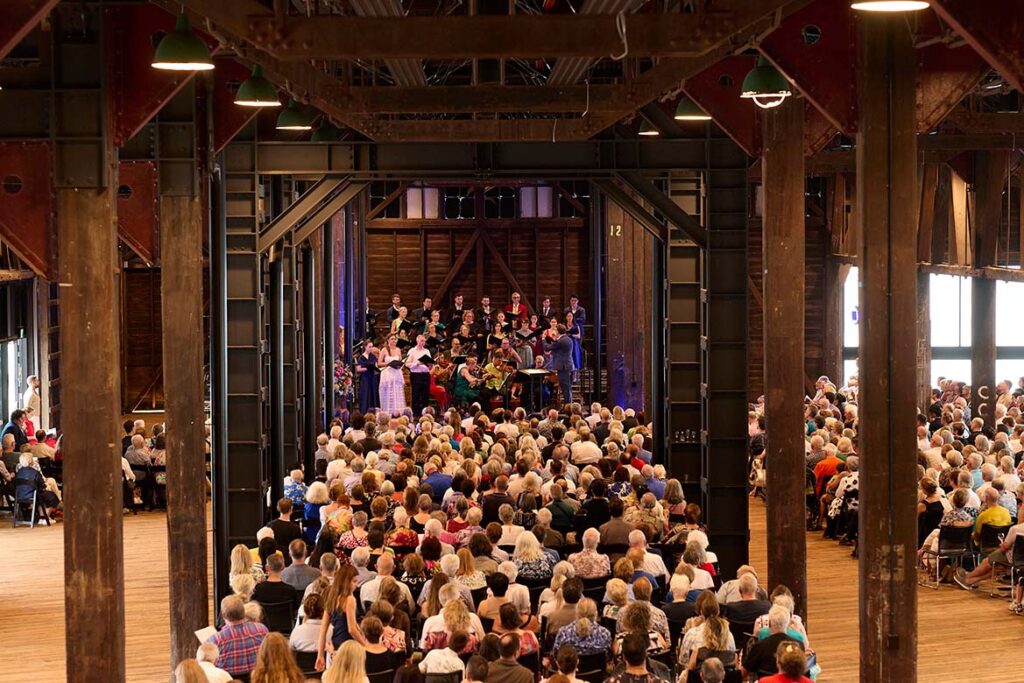
The venue was the cavernous exhibition space at Pier 2/3, a vast hall whose forest of timber columns proudly shows its former life as a working wharf. It’s a good choice for a choir performance as it feels almost cathedral-like, though the acoustic is not quite that forgiving. The sound seemed to travel differently depending on where you were sitting, but from my vantage point the ensemble sounded very cohesive, with Weymark working to maintain unity in a somewhat challenging room – and also in what was a rather warm one. The men looked particularly elegant in their suits but must surely have been melting. Keeping pitch in such conditions is no small feat, yet the choir and orchestra maintained remarkable focus throughout.
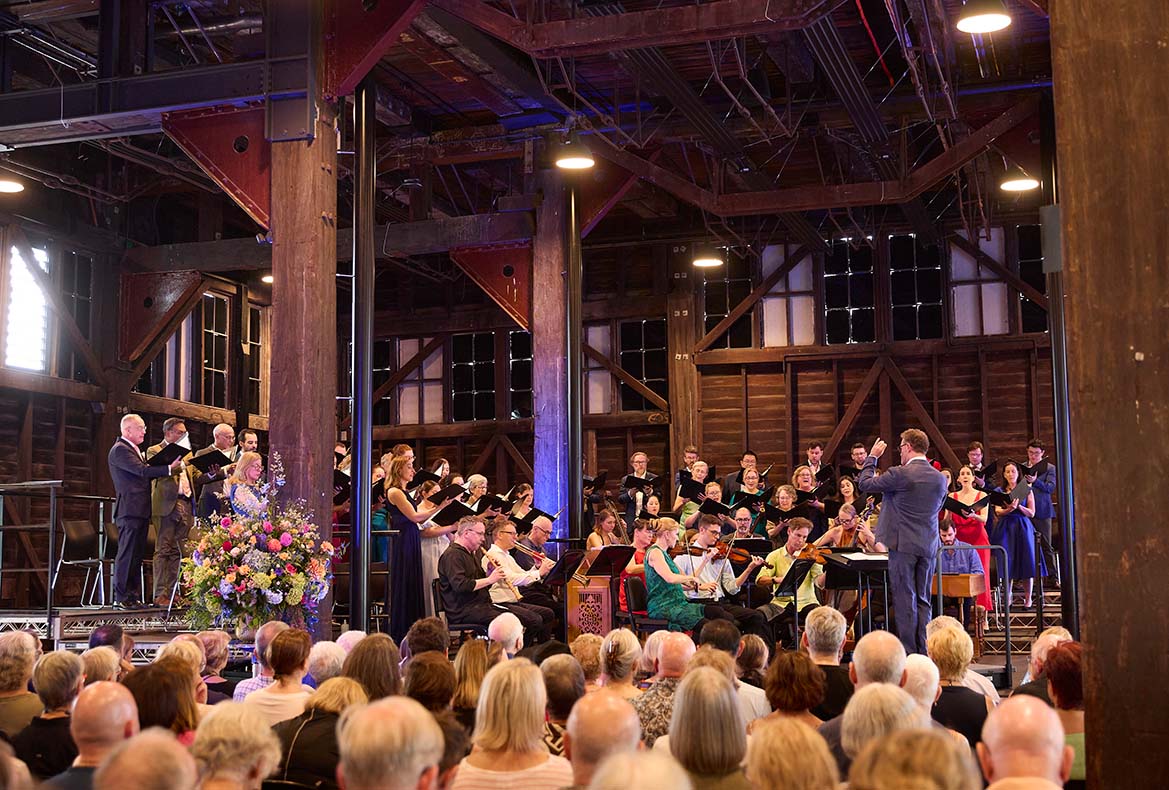
Before the Baroque program began, the singers offered their familiar Acknowledgment of Country with a difference. Tarimi Nulay – Long time living here by Deborah Cheetham Fraillon was presented as voices gradually entered from all corners of the hall, converging on the stage in a powerful symbolic gathering. A simple but moving gesture.
The program proper began with Antonio Vivaldi’s Gloria, a work that always leaves me with my mood uplifted. The opening burst forth with jubilant brilliance, trumpet fanfares and the familiar rocking rhythms of Gloria in excelsis Deo. Scholars have suggested the work may commemorate Venice’s victory over the Ottomans at Corfu in 1716, lending the opening its slightly martial character.
Weymark drew strong contrasts across the work. Et in terra pax hominibus unfolded with hushed delicacy, the men’s voices entering wonderfully gently over pulsing strings. Vivaldi’s shift into B minor lends this movement a reflective melancholy – a prayer for peace tinged with sadness.
Solo contributions were a highlight. The soprano duet sparkled, the two voices bouncing joyfully off one another. Angela Brun brought warmth and grace to the soprano aria Domine Deus, Rex coelestis, delicately supported by continuo. The alto aria Domine Deus, Agnus Dei allowed Hannah Fraser to shine: her deep, resonant tone emerging from the orchestral texture with extraordinary poise.
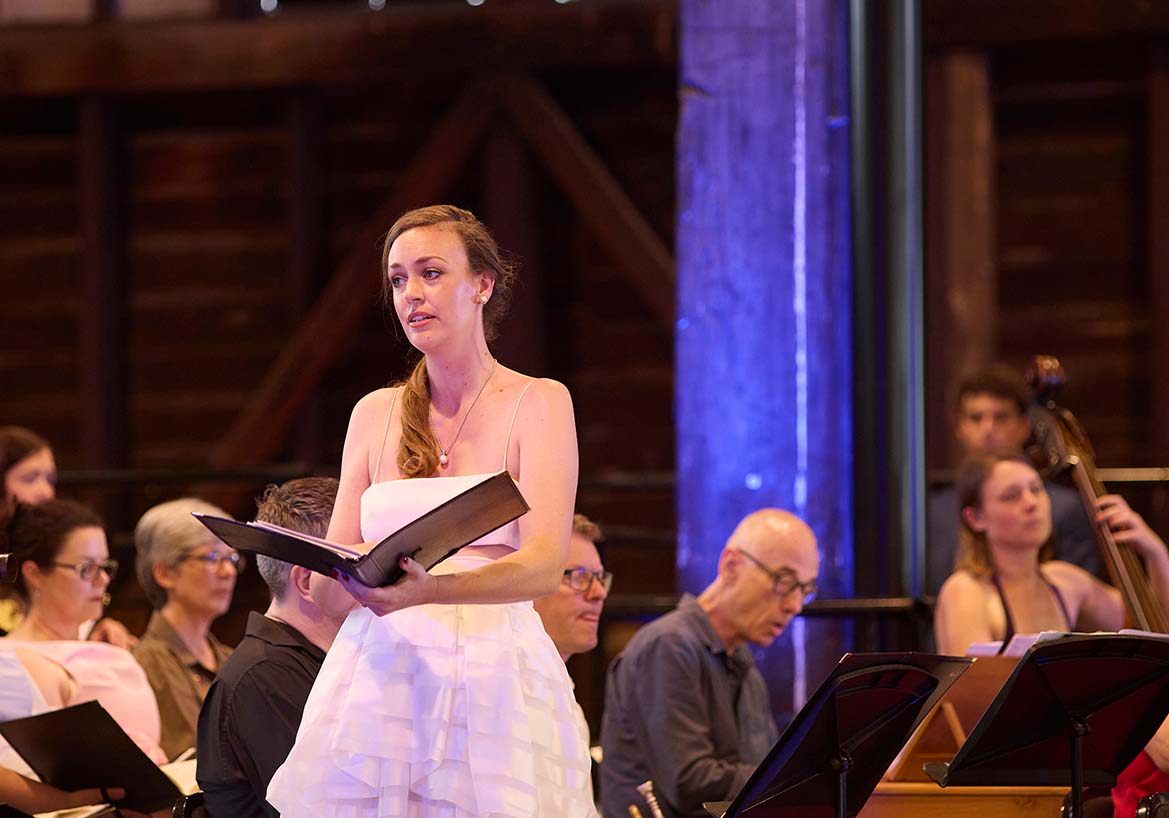
Throughout the Gloria the women’s voices shone particularly brightly – the altos especially providing warmth and grounding within the choral texture. The choir’s articulation remained crisp throughout, particularly in the lively fugues and the exuberant Cum Sancto Spiritu. This final movement can sometimes verge on something approaching a Baroque drinking song, but here it retained its sense of sacred celebration. It is difficult to leave a performance of the Gloria without smiling, and this one certainly achieved that.
The mood shifted dramatically in Johann Sebastian Bach’s Weinen, Klagen, Sorgen, Zagen – Cantata, BMV 12. The cantata opens with a sinfonia dominated by a lamenting oboe line, immediately establishing the atmosphere of sorrow suggested by the text: weeping, lamentation, worry and despair.
Fraser again impressed in the alto recitative and aria, where the voice intertwines with the obbligato oboe in deeply expressive writing. In fact oboist Aaron Reichelt featured strongly in this program, the pairing of mezzo voice with his deft playing proved especially affecting, the instrument’s plaintive tone echoing the emotional weight of the text.
Tenor Richard Butler brought great expression to his aria, navigating Bach’s elaborate vocal writing with ease. A master of the melismatic, Butler made the pain in the text feel quite real — it went straight to the heart. Andrew O’Connor contributed a focused and elegant bass aria before the cantata closed with its chorale, sung here with calm dignity – a hymn-like moment of reflection after the preceding lament.
After the interval came Handel’s electrifying Dixit Dominus, written when the composer was only 22 yet already showing his virtuosity. The opening chorus exploded into the hall with emphatic declamation: Dixit Dominus… scabellum pedum tuorum. “The Lord said unto my lord: Sit at my right hand until I place your enemies as a footstool beneath your feet.” The effect was deliberately overwhelming, the choir’s articulation making the text feel threatening and powerful.
Fraser returned for the alto aria, beautifully supported by Anthea Cottee’s cello and continuo, while soprano Lauren Lodge-Campbell delivered a luminous soprano aria with poised clarity.
Handel’s dramatic instincts soon came again to the fore. The psalm text is vivid and often violent – kings shattered, skulls crushed – and the choir attacked these passages with a thrill. The high soprano lines are particularly demanding, yet were negotiated confidently. A brief moment of nature and peacefulness arrived in the eighth movement before the final chorus erupted in an affirming, and seemingly never-ending, amen (reminiscent of Handel’s future writing in Messiah, to my mind at least). Splendid indeed.
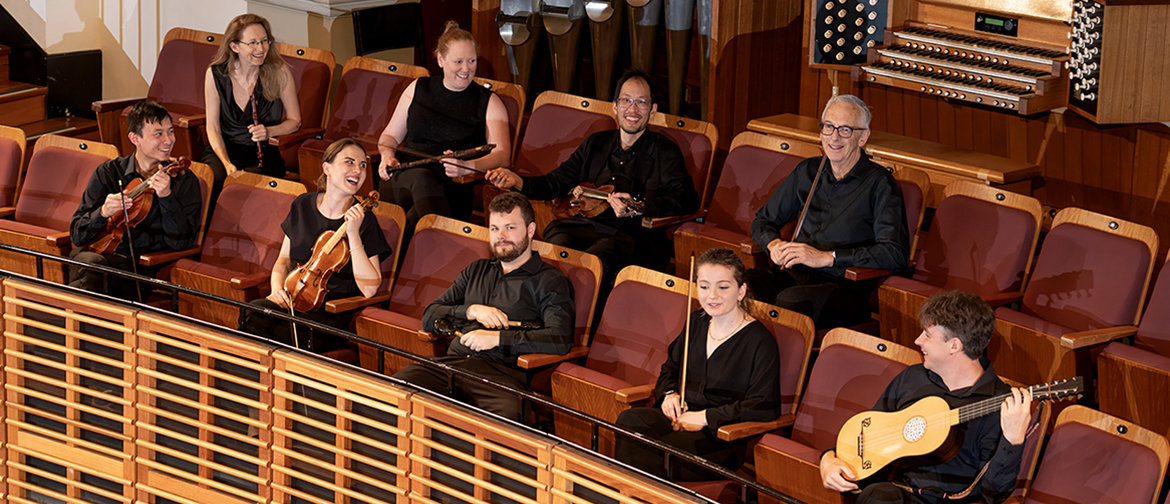
The Sydney Philharmonia Baroque Orchestra matched the choir’s energy throughout, a superb ensemble of some of Australia’s leading Baroque specialists.
Despite the venue and weather challenges the Sydney Philharmonia Chamber Singers delivered a highly accomplished performance. Maintaining pitch and ensemble under such conditions is demanding work, yet the singers rose to the task with professionalism and stamina. A vibrant and compelling start to the choir’s 2026 season.
Photo credit: Keith Saunders