Sydney Philharmonia Choirs | J.S. Bach: St John Passion
4 April 2026, Easter Saturday, Concert Hall, Sydney Opera House, NSW
Brett Weymark, conductor
Penelope Mills, soprano
Ashlyn Tymms, mezzo-soprano
Michael Petruccelli, tenor
Timothy Reynolds, tenor (Evangelist)
Christopher Richardson, baritone (Jesus)
Andrew O’Connor, bass-baritone (Pilate)
Sydney Philharmonia Symphony Chorus, VOX
Sydney Philharmonia Baroque Orchestra
There is a long tradition in the big cities of Northern Europe to perform either Bach’s St Matthew or St John Passion at Easter time. These mammoth works are arguably the greatest musical works in the Christian canon if not all of Western music. Philharmonia has now performed one of the Passions every year since 2024 and while three successive years doth not a tradition make, they are three huge strides in the right direction.
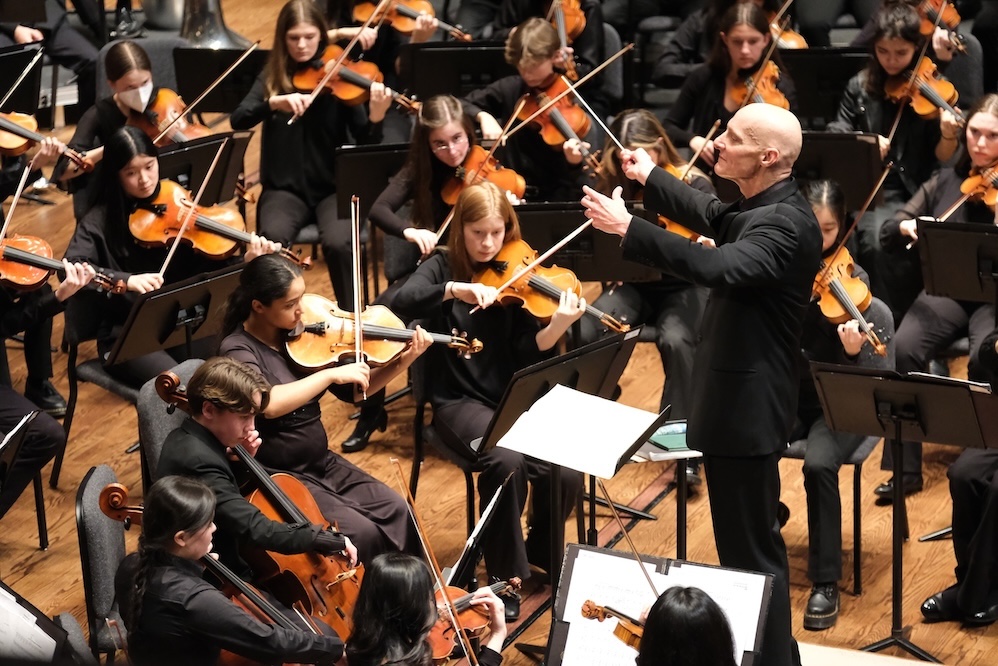
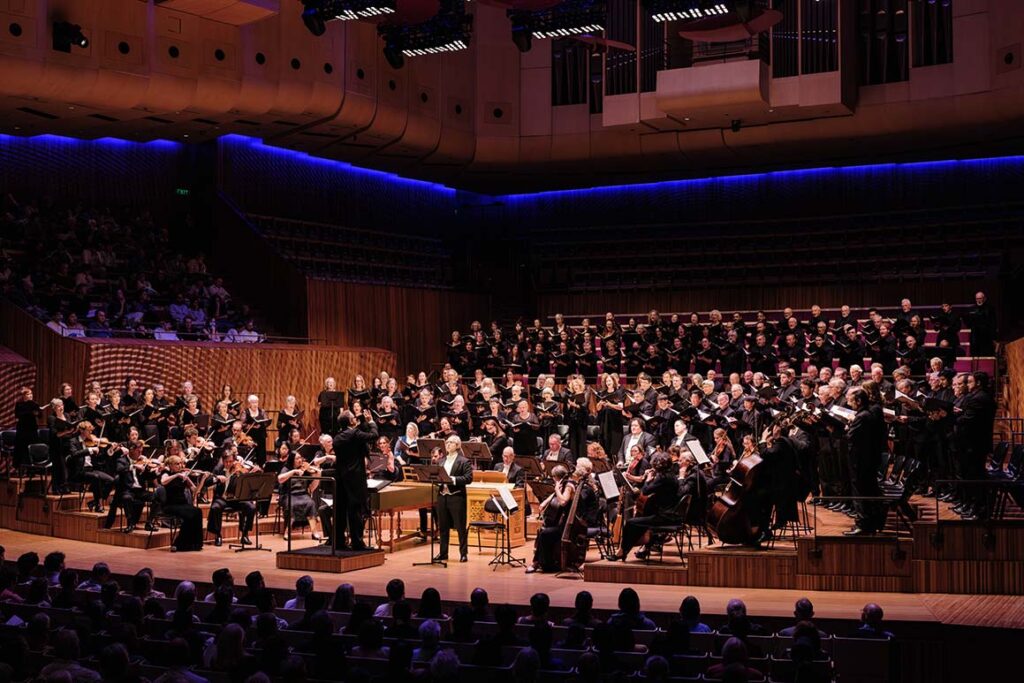
Being visually confronted by an 140 voice chorus is not your usual Bach passion experience and led to some trepidation as to how such a monster might be contained. One thinks of the ponderous historical recordings of Karajan, the full Berlin Philharmonic and Wiener Singverein. After the broodingly dissonant introduction however, the choir burst forth with a wall of sound Herr, unser Herrscher (“Lord, our ruler”). While somewhat overpowering the baroque orchestra, it did dispel any misgivings. Singing from memory, every eye glued to the conductor, the musicians responded to his every gesture. The tempo was lively, the intonation accurate and the effect musically thrilling. A spine chilling anticipation was built leading up to the da capo. We were in for a treat.
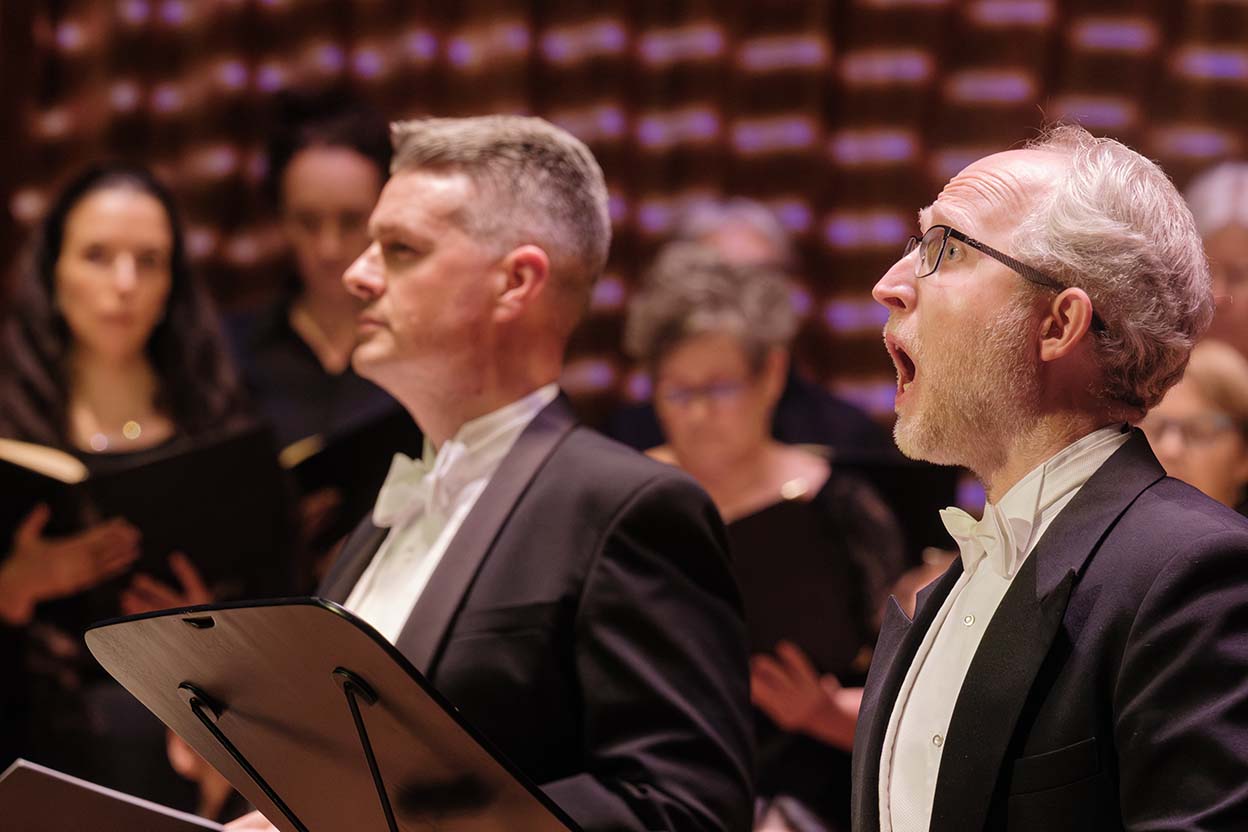
Timothy Reynolds’ focused tenor voice is ideal for the evangelist, clear, even, and every word could be understood; an engaging sense of narration of this dramatic story. By contrast the baritone voice of Christopher Richardson as Jesus was warm, noble and dignified.
The First Part finishes with Peter’s betrayal of Christ where he went out and weinete bitterlich (“wept bitterly”). In the St John, Bach follows this with the aria Ach, main Sinn (“Ah, my Soul”), sensitively sung by Michael Petruccelli, and the chorale Petrus, der night denkt zurück (“Peter, who does not think back”). These are contemplative pieces and of a totally different character to what Bach does in the Matthew Passion, which he wrote 5 years later in 1729. His revision is interesting and bears mentioning. In the latter work he has an alto aria Ebarme dich, mein Gott (“Have mercy, my God”) which, instead of being contemplative, is so achingly heartrending that it is difficult not to think of this as the emotional centre of the whole work. In the St John the core comes near the end; the final chorus Ruht whol (“Rest in peace”), endlessly comes back to the falling three note phrase that haunts you for days afterwards. The “John” leaves you with a feeling of sadness at Christ’s suffering but optimism of our redemption.
Part Two starts dramatically without warning, the chorus having picked their starting notes from the A of the orchestra tuning. The conductor stepped onto the podium and Bang!, straight in. The drama continued through the unhinged and fanatic chaos of the crowd scenes during Jesus’ trial, Nicht diesen, sondern Barrabam! (“Not this man, but Barrabas!”) and Kreuzige, kreuzige! (“Crucify him!”).
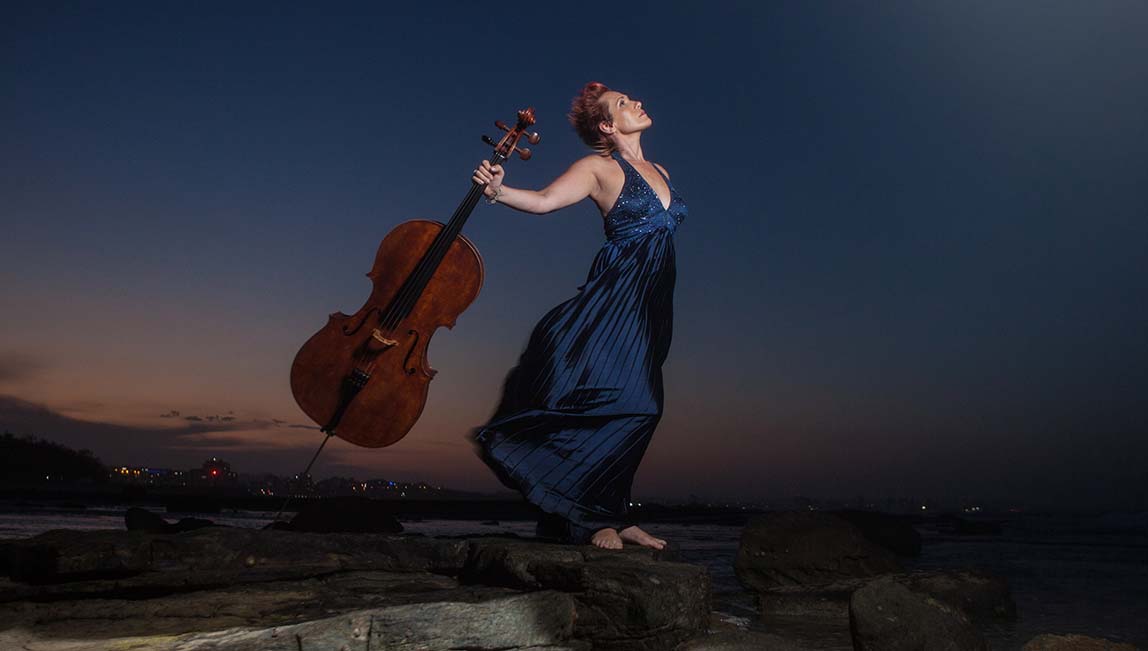
Some solo parts must be singled out for special mention. The soprano Penelope Mills and bass Andrew O’Connor have difficult arias with wide leaps and fiendish melismas; they both handled these with ease and assurance. Ashlyn Tymms sang the alto arias with grace, warmth and evenness of tone. Also cellist Anthea Cottee played several virtuosic viola da gamba solos with great aplomb.
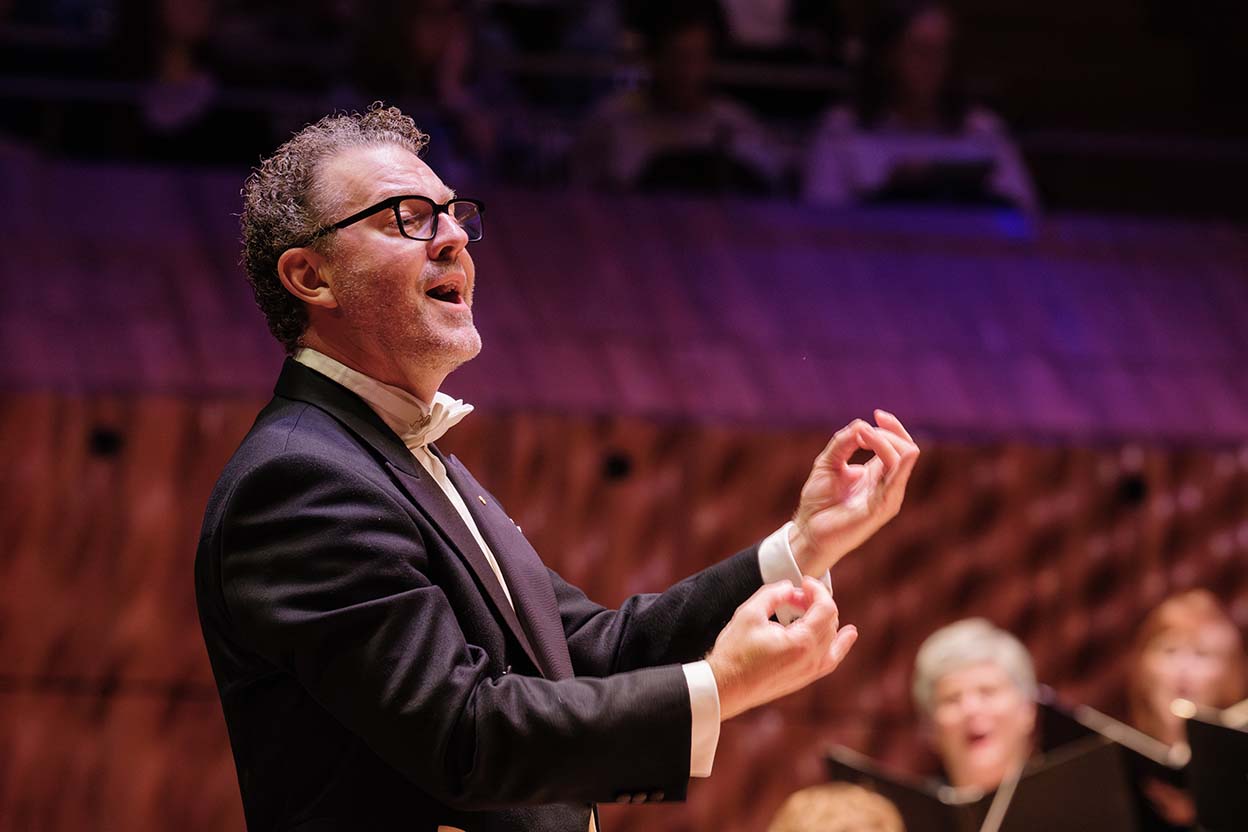
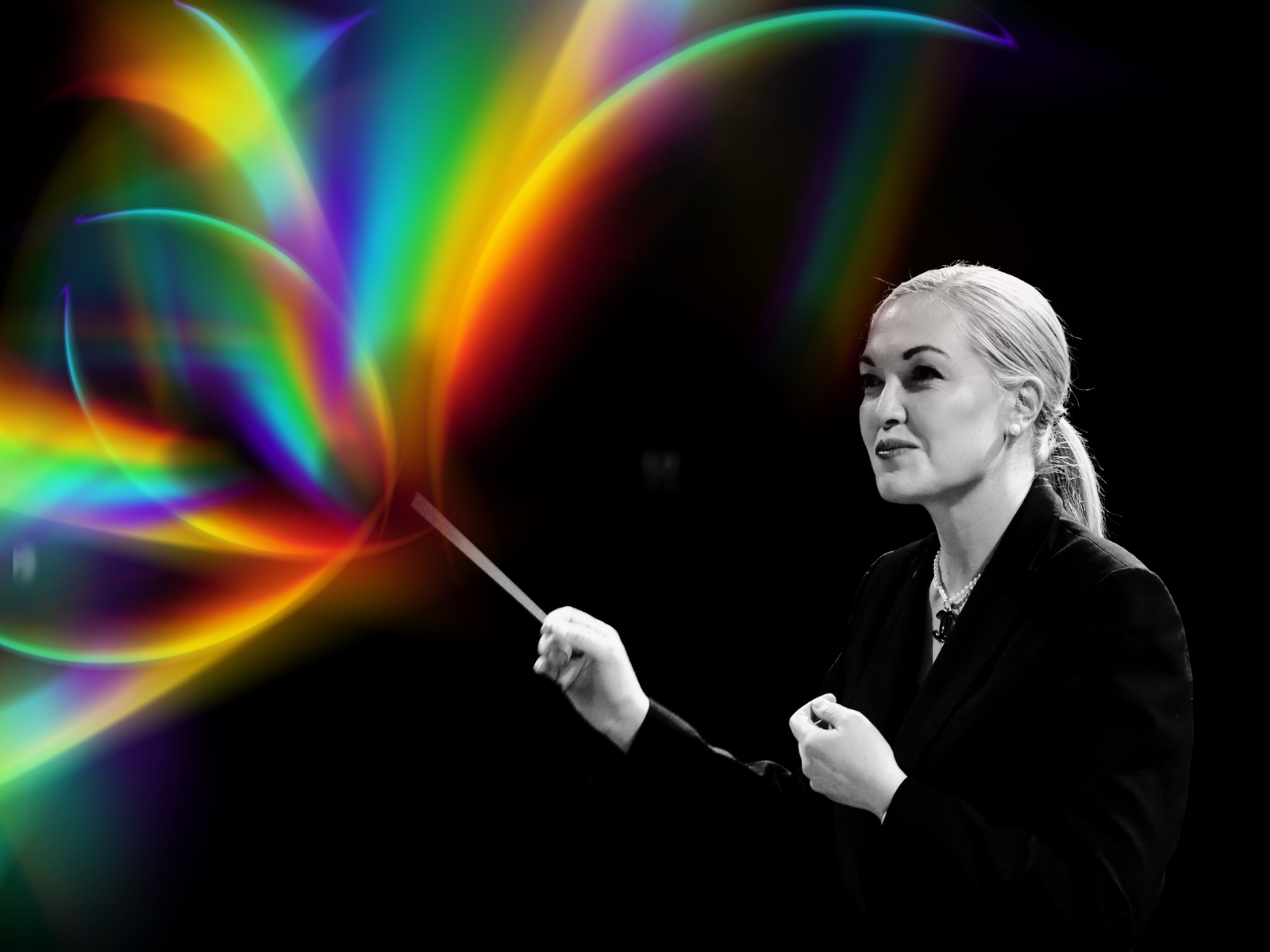
The tempos set were often surprisingly lively but uncompromising, especially considering the size of the chorus and the large auditorium acoustics. In fact, I am in awe of Brett Weymark’s conducting. His direction was unwaveringly musical. In phrasing, rubatos, dynamics and tempos, nothing was left to chance and his communication was ever clear. There was no wavering in his concentration, not a moment where he was just beating time. The work was exceptionally well rehearsed and there was never any drag from the choir or orchestra. Their respect for his leadership was evident; they were right there with him every inch of the way. As a high school student he was already an impressive musician, but he has grown into a world class conductor.
I came away from this performance filled with wonder and delight. Dear Philharmonia, please, please make a Bach Passion an annual tradition!
Photo credit: Robert Catto