Australian Brandenburg Orchestra | Water Music
October 11, 2025, Elisabeth Murdoch Hall, Melbourne, VIC
The Occasion
A weekend that moves on four legs with the Caulfield racing season, and on two with the Melbourne Marathon. Across the city, communities glow with the Indian Diwali Festival of Lights and the Chinese Moon Cake Festival — a celebration of movement, light, and shared humanity.
The Venue
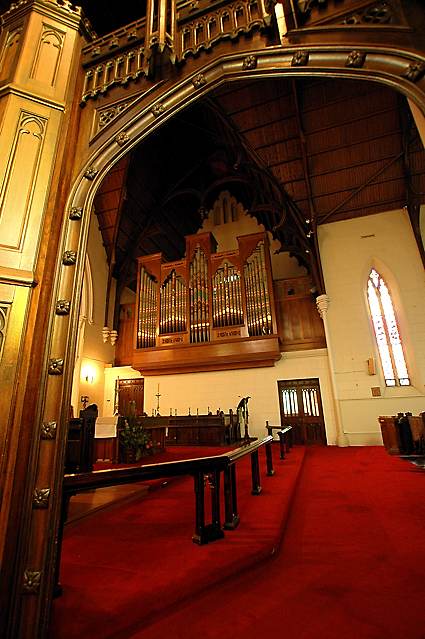
Elisabeth Murdoch Hall is one of Melbourne’s great modern treasures: a luminous, shoebox-shaped chamber of hoop pine and golden warmth. Its acoustics — among the finest in the world — rest on steel springs that lift the room above the city’s hum. Every detail — timber panelling, sculpted surfaces, generous foyers — invites immersion. Here, silence feels sacred and music becomes light.
The Mystical Power of H₂O
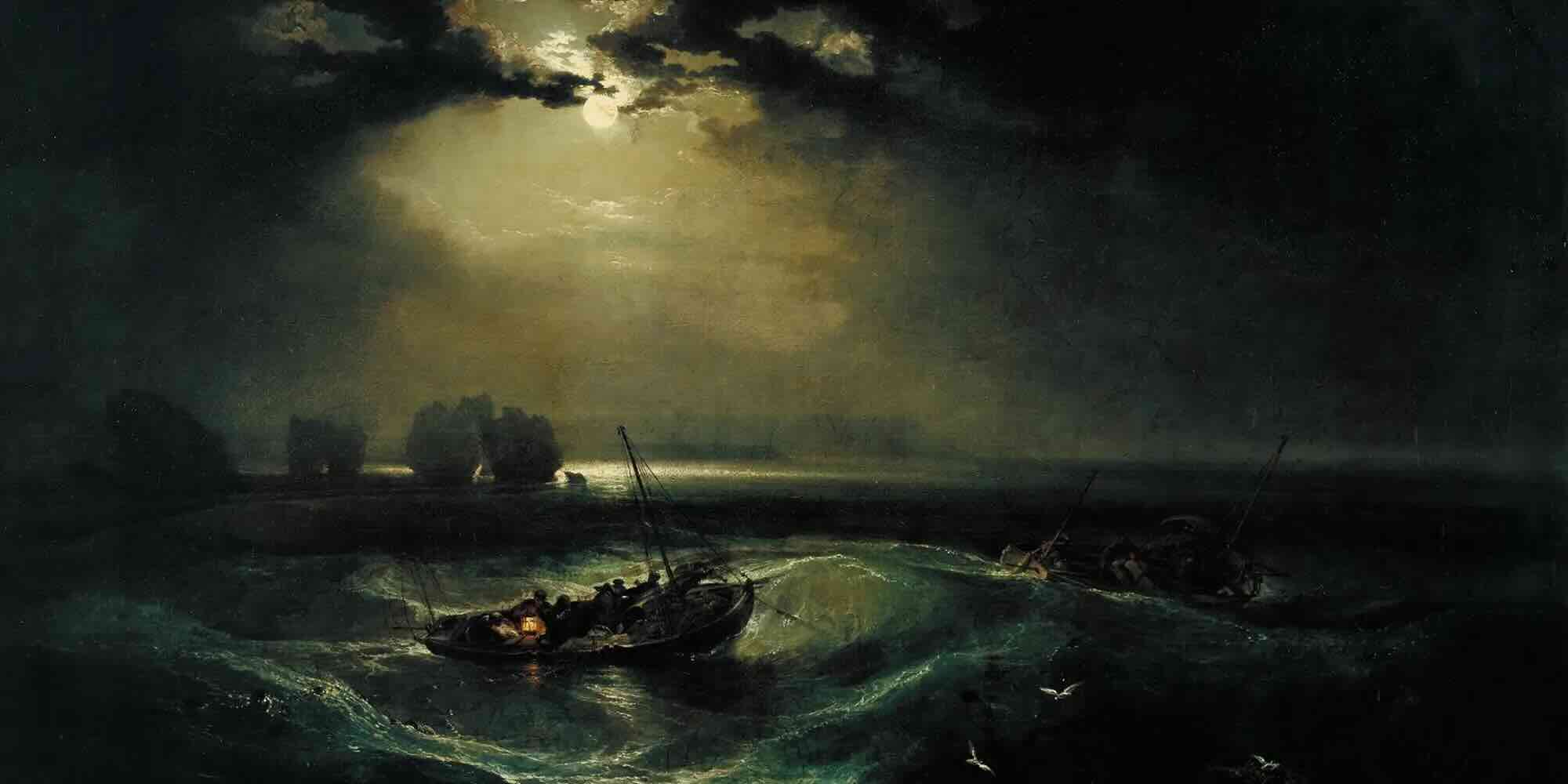
This performance offered a meditation on our custodial duty to the planet, expressed through music and song. The Brandenburg Orchestra paid homage to water — its essence, spirit, and cultural resonance — as the foundation of existence. Both an artistic reflection and a call to stewardship, it celebrated the element that sustains all life.
The Performers
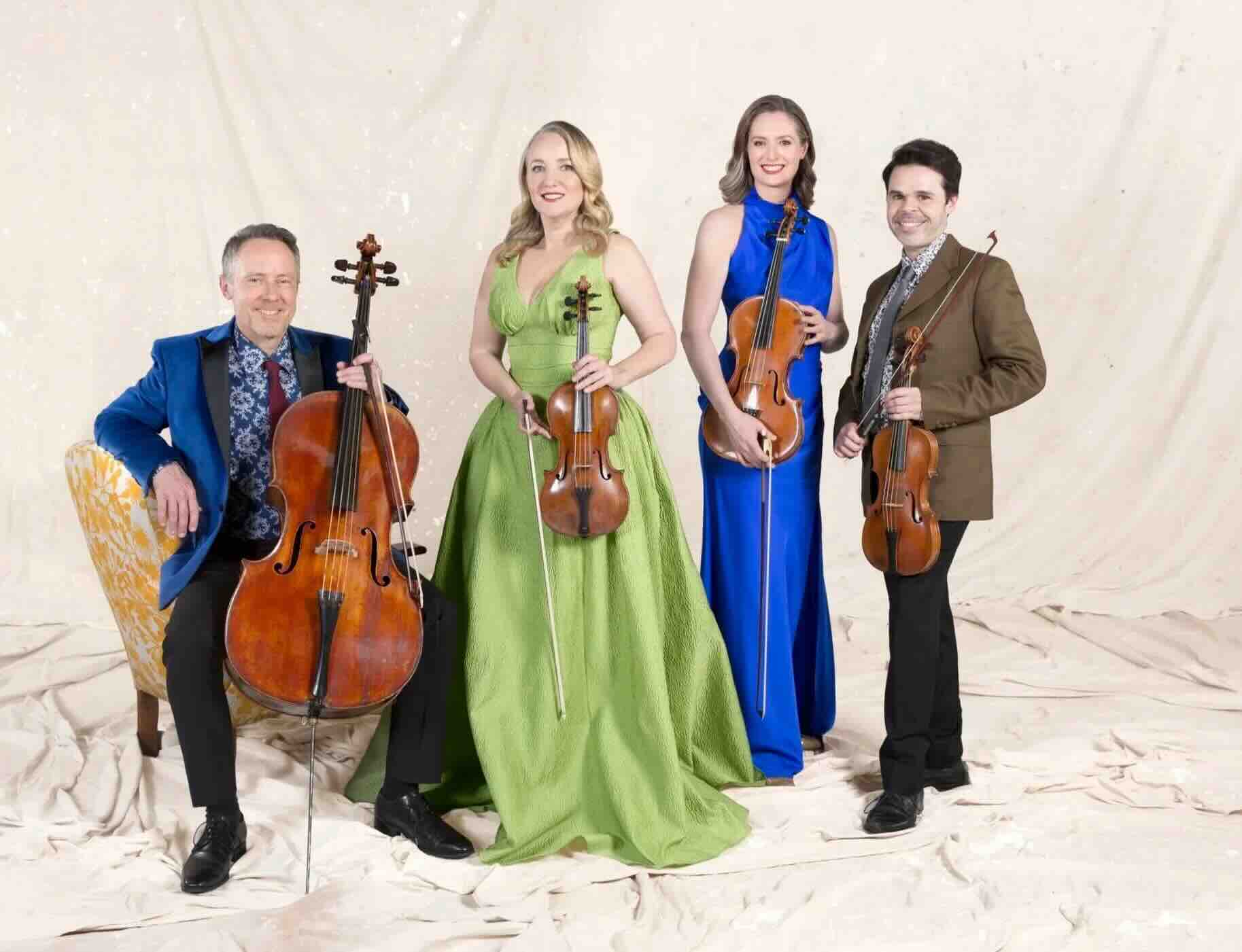
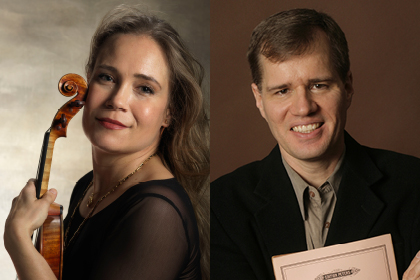
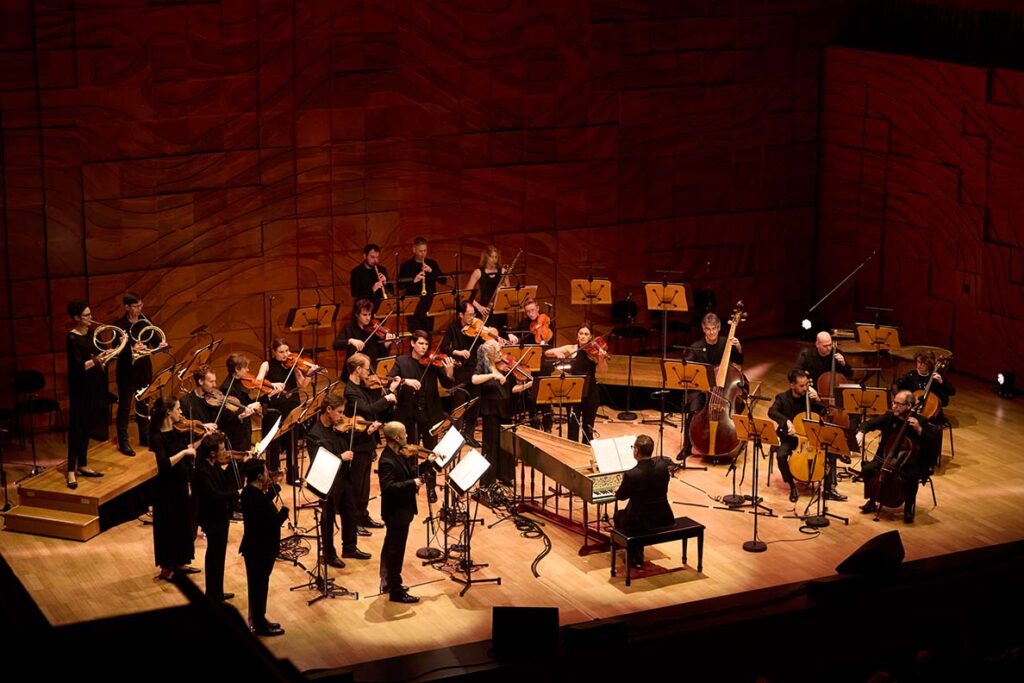
The Australian Brandenburg Orchestra (ABO), founded in 1989 by Paul Dyer and Bruce Applebaum, is Australia’s leading period-instrument ensemble. Specialising in Baroque and early Classical music, the ABO performs with instruments and techniques authentic to the 17th and 18th centuries. Acclaimed for its energy and authenticity, it features both Australian and international soloists, performs in major venues nationwide, and has earned multiple ARIA Awards. Through artistry and innovation, it brings early music vividly to life.
The Featured Composer
George Frideric Handel — a towering figure of the Baroque age, claimed by both England and Germany. Forever immortalised in London’s Handel & Hendrix House, where the composer and the rock legend once shared the same address, separated by 250 years and two floors. His works — Messiah, Sarabande, and others — remain enduring monuments to his majestic craft and expressive power.
The Featured Work
Composed in 1717 for King George I, Handel’s Water Music (HWV 348–350) was written for a royal procession on the River Thames. Its three suites — in F major, D major, and G major — unfold in radiant dances: minuets, bourrées and hornpipes.
Scored for horns, trumpets, oboes and strings, the work glows with open-air splendour.
Blending French grace, Italian melody and German counterpoint, Water Music epitomises Handel’s cosmopolitan genius.
Its premiere was met with royal delight and public acclaim, and the work endures as one of the most exuberant and beloved creations of the Baroque era.
Program
MAYMURU / WALES – Nguy Gapu [Ocean Water] — World Premiere
WALES – Harbour Light — Australian Premiere
HANDEL – Water Music, HWV 348–350
The description of the featured works in the online program was both enticing and, as it turned out, deliciously misleading.
It could scarcely convey the innovation and imagination of this artful alternation — a seamless journey between Baroque delicacies and the 21st century, to-ing and fro-ing like serendipitous time travellers. The new compositions held their own magnificently beside Handel’s much-loved Water Music, creating an inspired dialogue across centuries.
The Special Guest
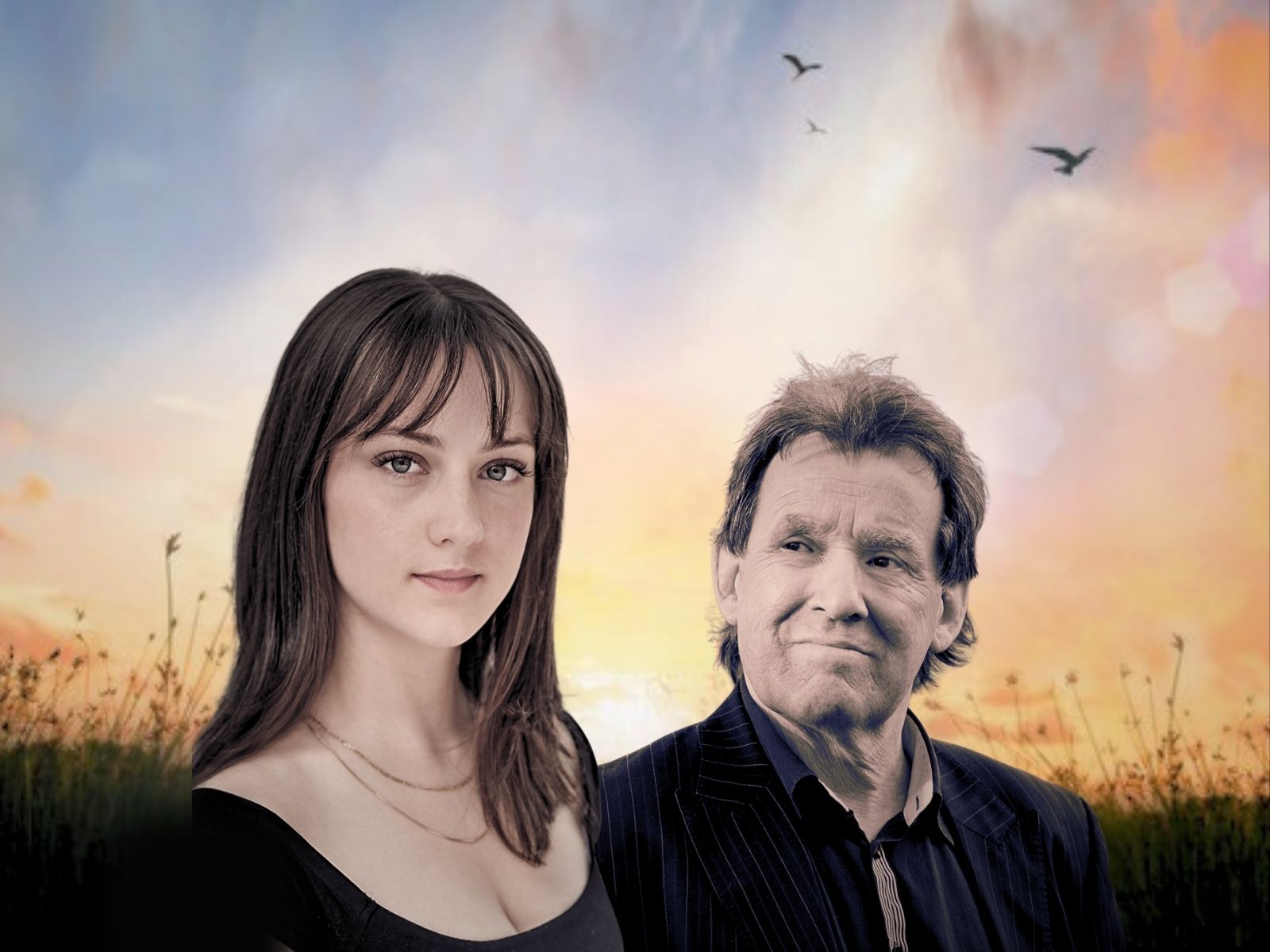
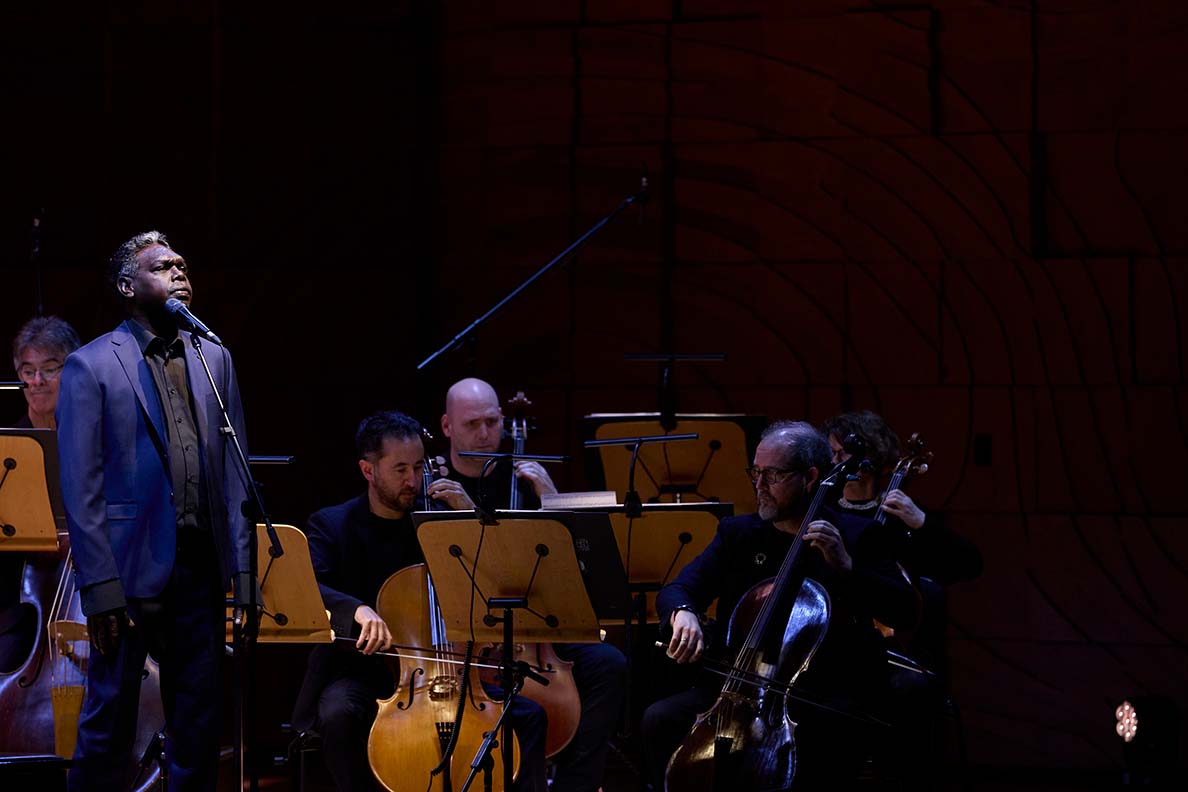
Rrawun Maymuru (Yirrkala), Yolŋu Songman of the Mangalili clan, appeared as co-composer with the remarkable Nick Wales from Sydney in three strikingly ancient-modern works that framed the performance. Looking dapper, debonair and proudly Indigenous, Rrawun sang, emoted and prayed with deep reverence and intensity — raw and gritty as sunburnt earth. His voice, meditative and modal, leaned into deep, earthen vowels, creating a glorious elemental presence that enriched the Brandenburg’s performance.
The Performance
A sheer delight.
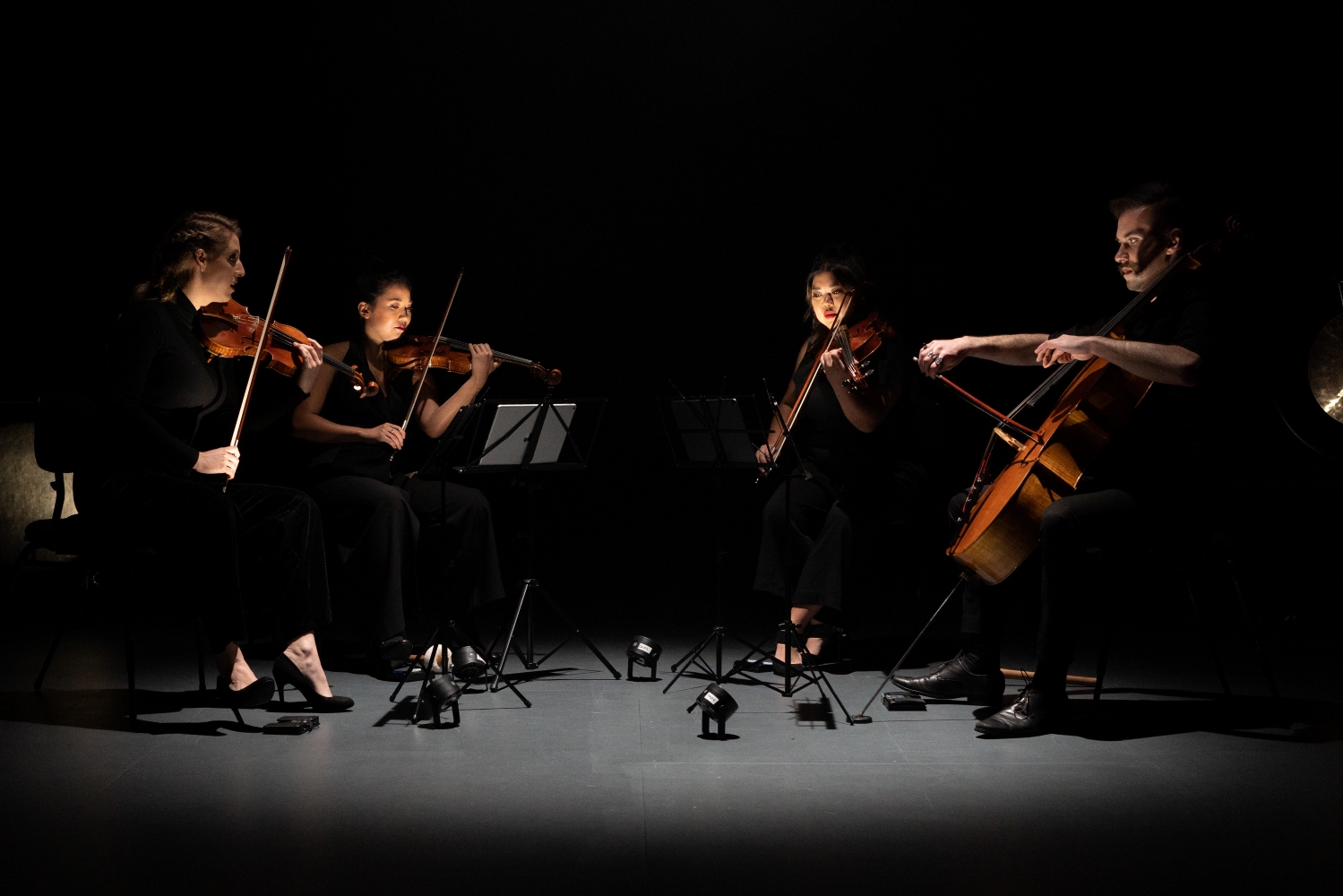
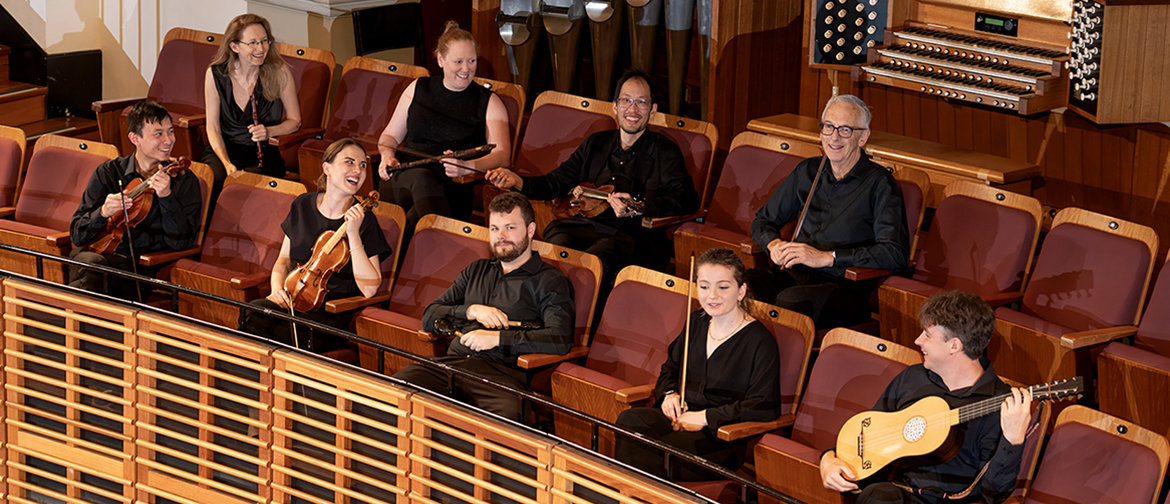
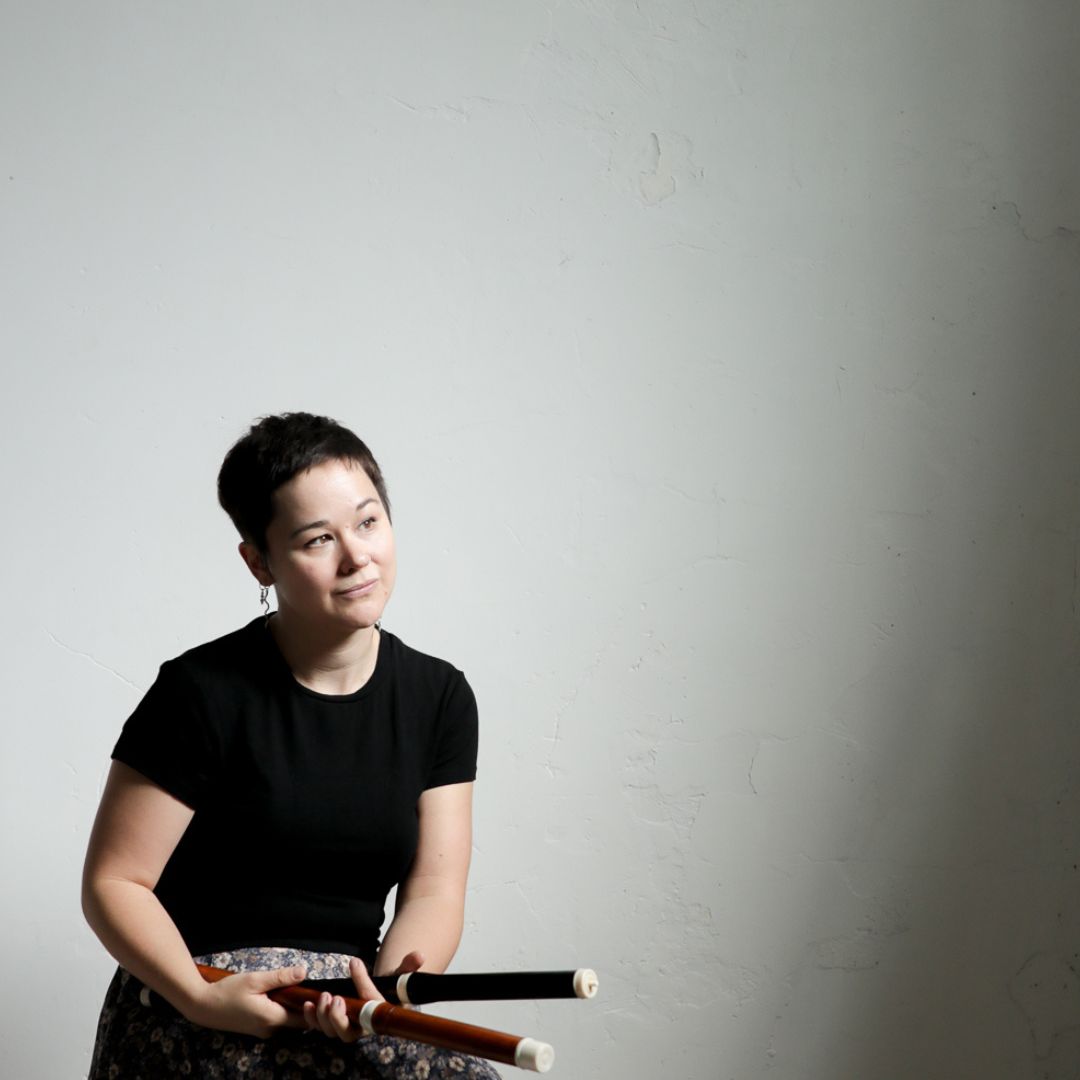
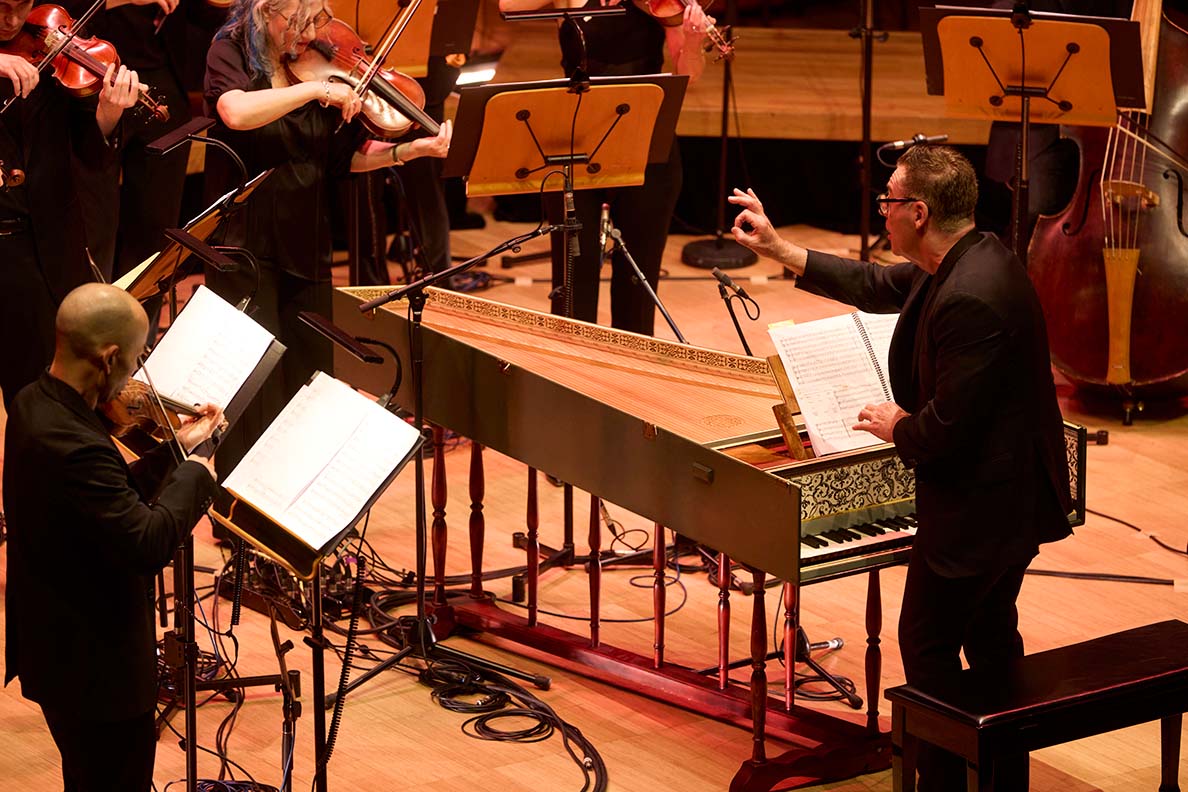
The Australian Brandenburg Orchestra, a compact chamber ensemble, featured a single double bass, three cellos, a complement of Baroque violins and violas, Baroque horns, recorders, and Paul Dyer directing from the harpsichord.
The result was glorious — an inspired blend of historical precision and contemporary resonance.
The evening’s modern works, inspired by water’s lapping rhythm and reflective motion, evoked moments reminiscent of Max Richter, Philip Glass, and Samuel Barber — yet were elevated by the haunting Indigenous Australian vocals woven through three key moments of the performance. This interplay created a quasi-spiritual atmosphere, modern yet ancient, infinite yet intimate.
Juxtaposed with Handel’s magnificent Water Music, the program achieved a sublime sense of balance — earth meeting water, tradition meeting innovation — culminating in a performance both memorable and profoundly moving.