Bach Akademie Australia | Class of ’85
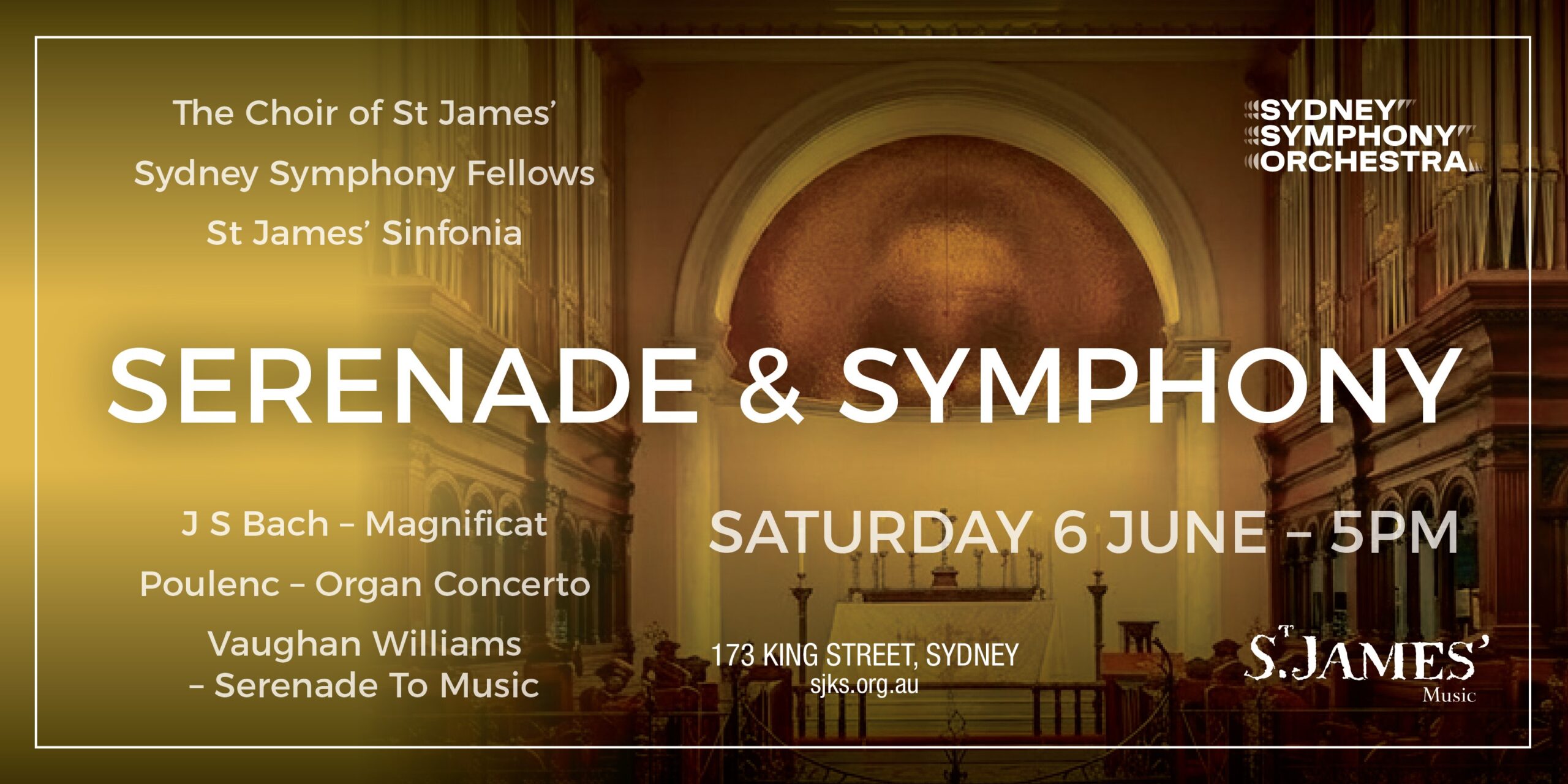
30 May 2025, St James’ Church, Sydney, NSW
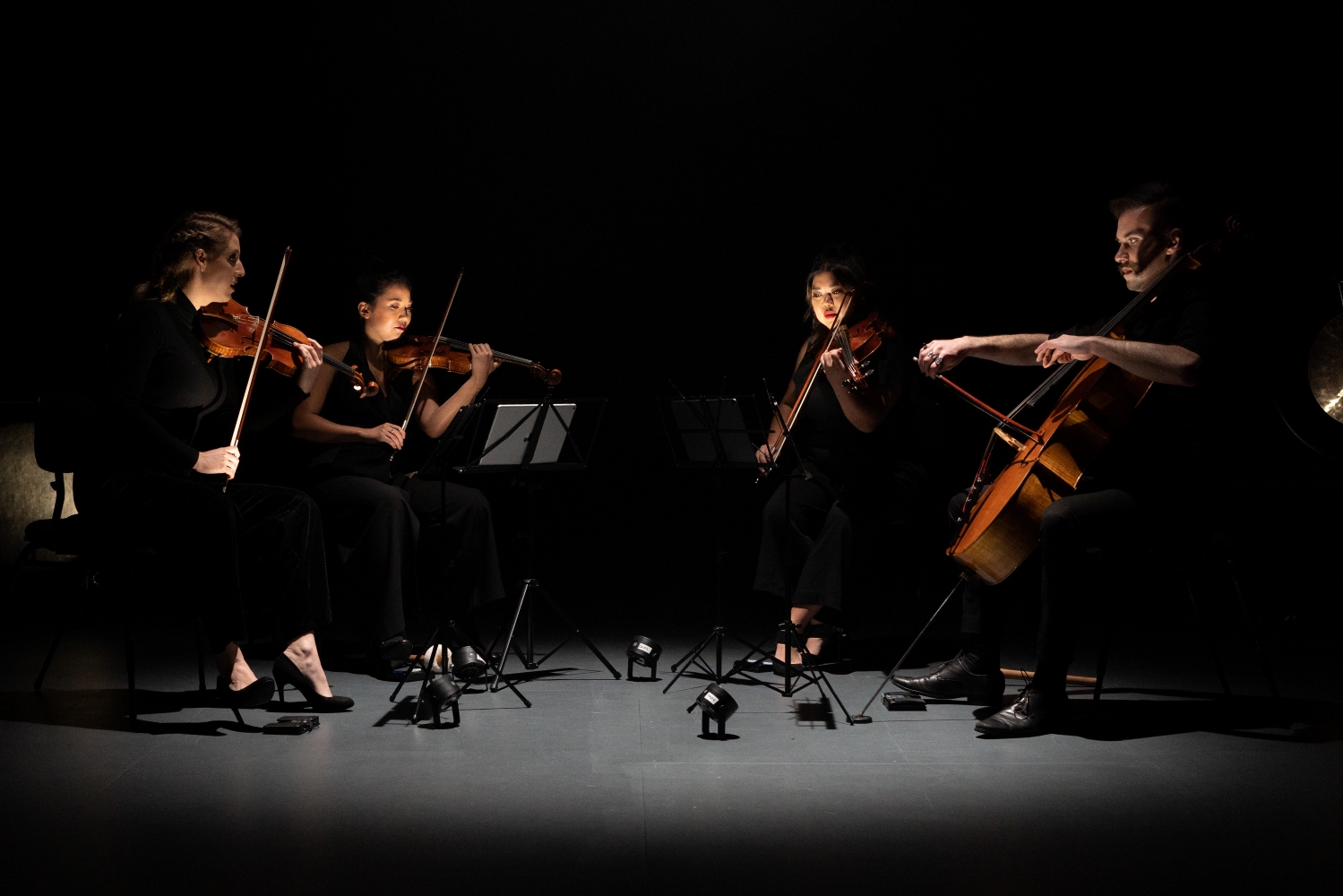
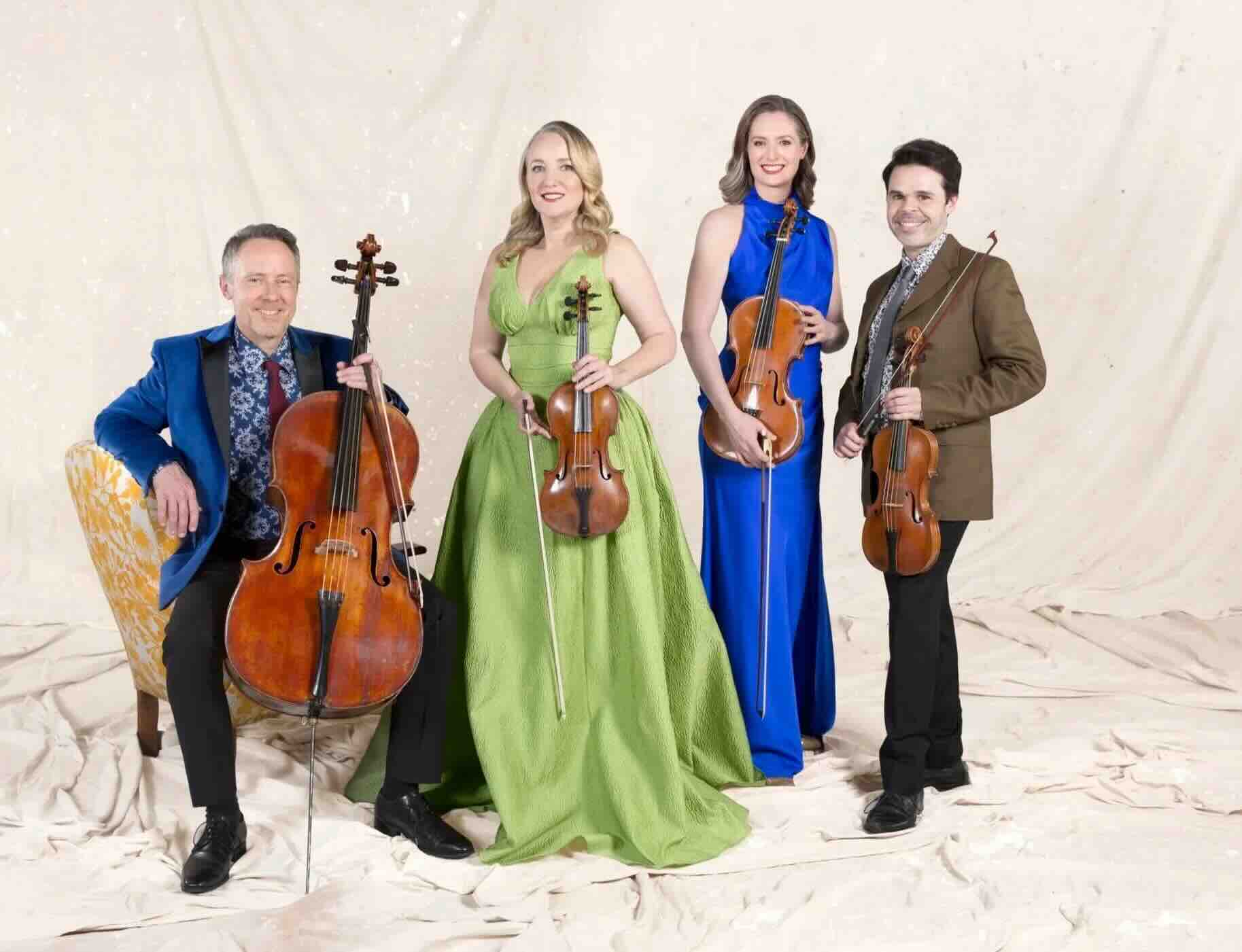
They say greatness is born, not made, but 1685 might have been an exception. Three of the greatest composers of the Baroque era, Domenico Scarlatti, George Frideric Handel, and Johann Sebastian Bach, were all born that year. Whether by fate or coincidence, this serendipitous trifecta gave Bach Akademie Australia their theme for an evening of elegance, invention and refined ensemble playing at St James’ Church, Sydney.
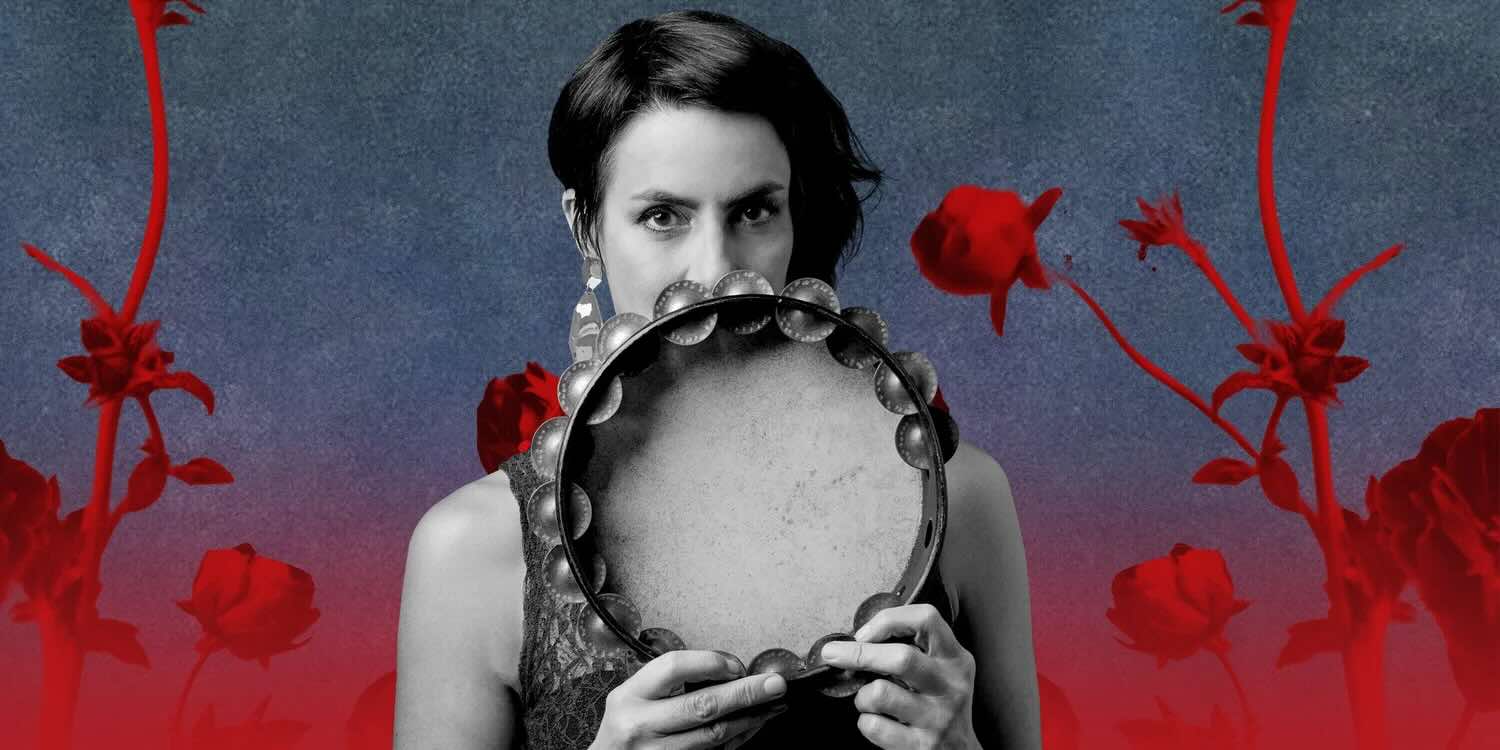
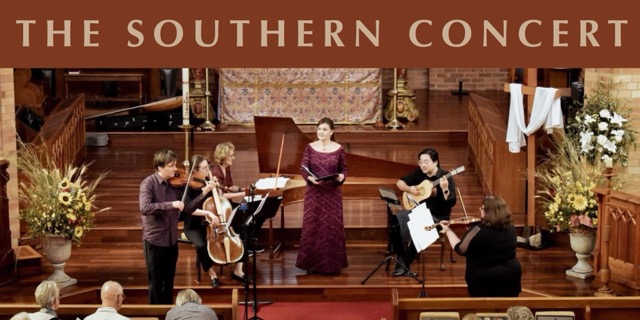
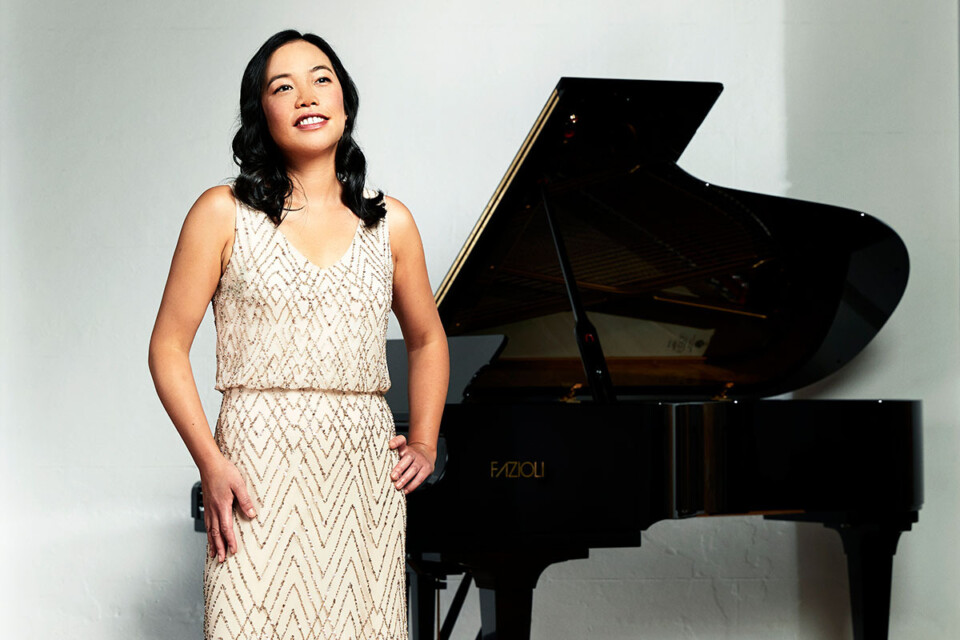
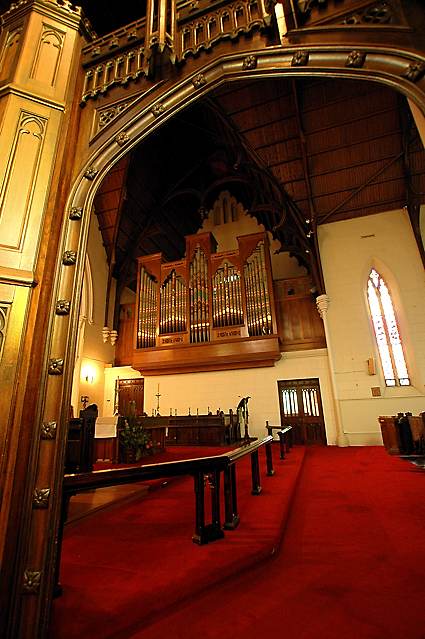
Let’s start with the space. The acoustic at St James’ is nothing short of sublime. It offers clarity and resonance in equal measure, and with its black and white marble floor decoration, it also provided the perfect visual echo for mezzo-soprano Hannah Fraser’s monochrome gown – whether by design or happy accident, the effect was striking.
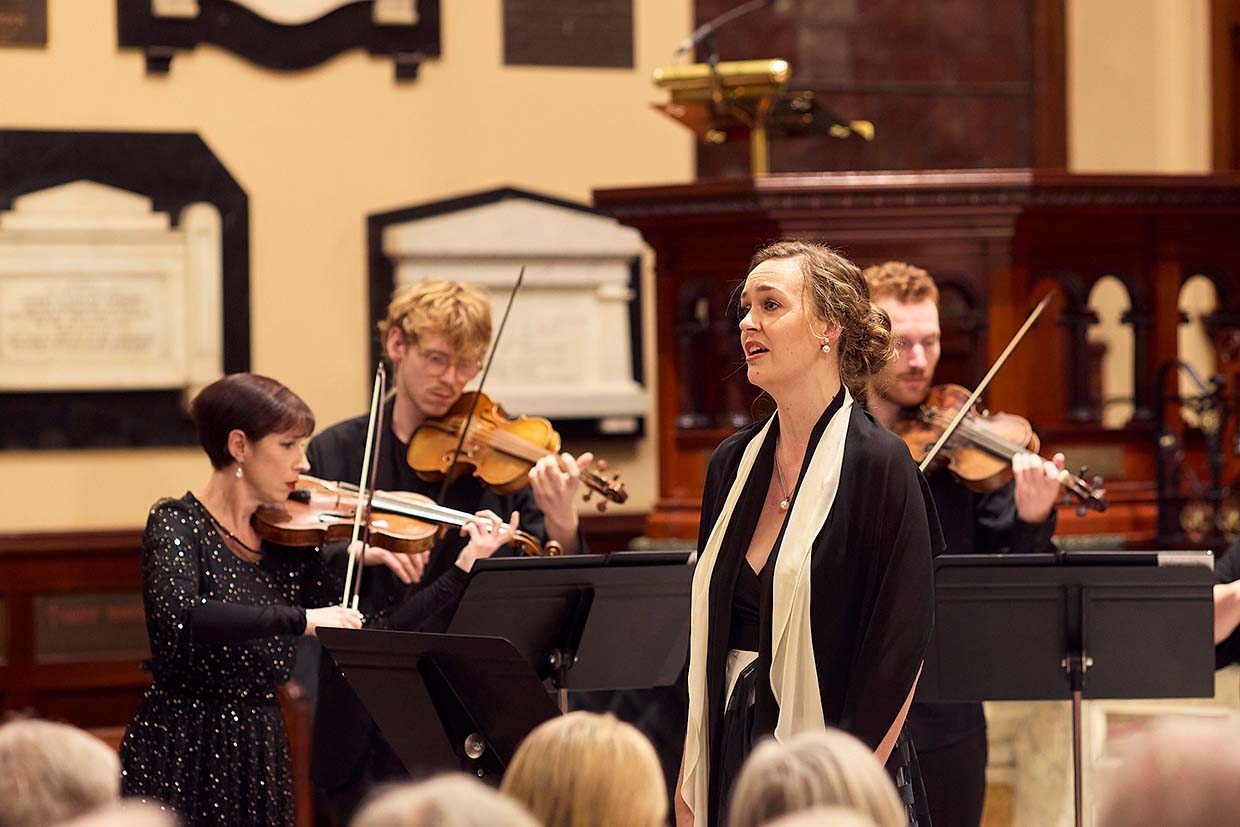
Scarlatti’s Salve Regina opened the program. Not the fiery opera man (his father, that was) but Domenico, the son. Known mostly for his keyboard sonatas, this late-life vocal work offers a surprising blend of operatic intensity and devotional restraint. Fraser’s voice was well-suited: plaintive, poised, and richly expressive. Her singing never overreached. In the third movement, those long, meandering lines had the eerie uncertainty of exile, music that doesn’t so much go somewhere as look for a way forward. Her final “Amen” was a flurry of notes spun with quiet joy. What struck me most was the moment when voice and strings met in unison so closely aligned that it felt like a single instrument had taken over, blurring the boundaries between the human and the ensemble sound.
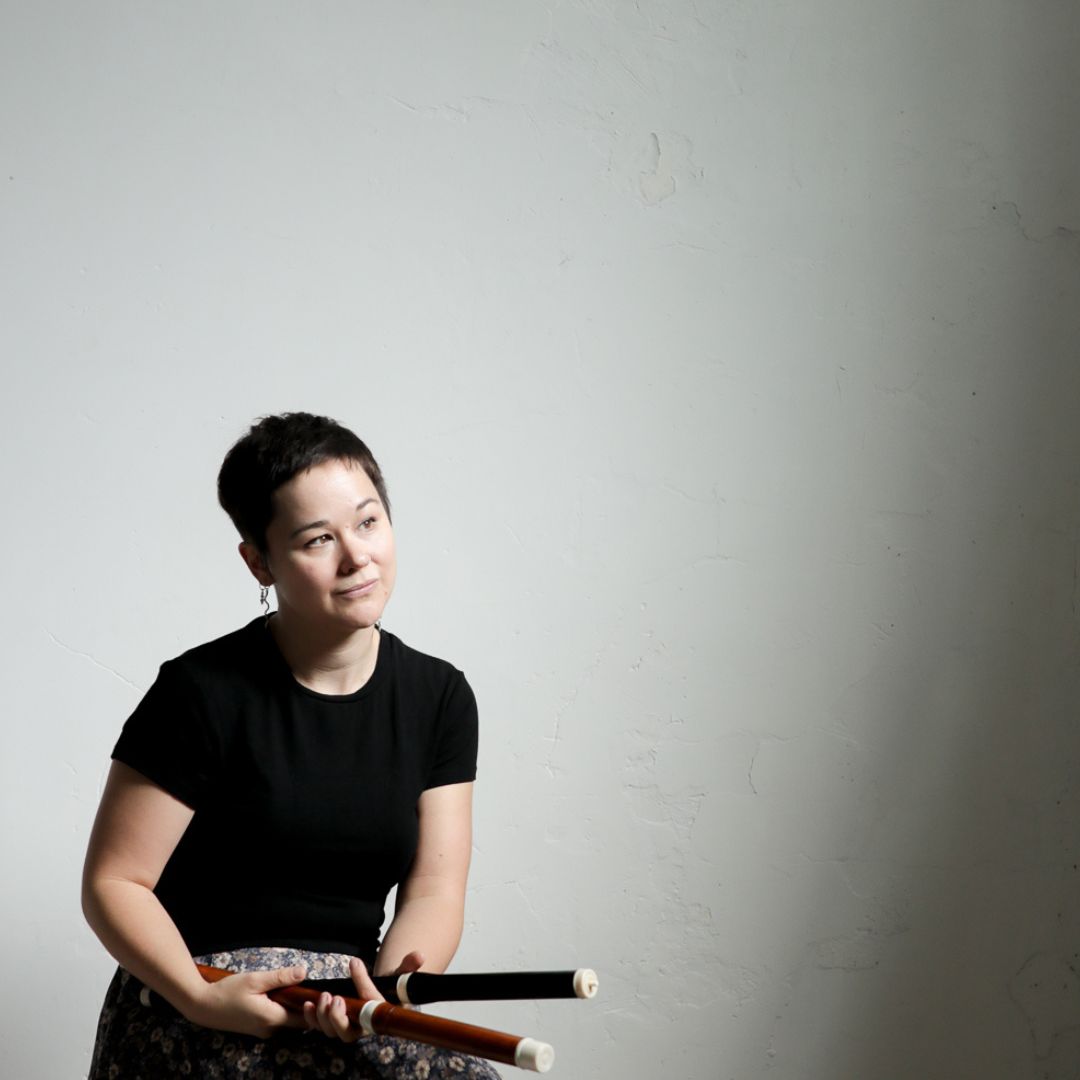
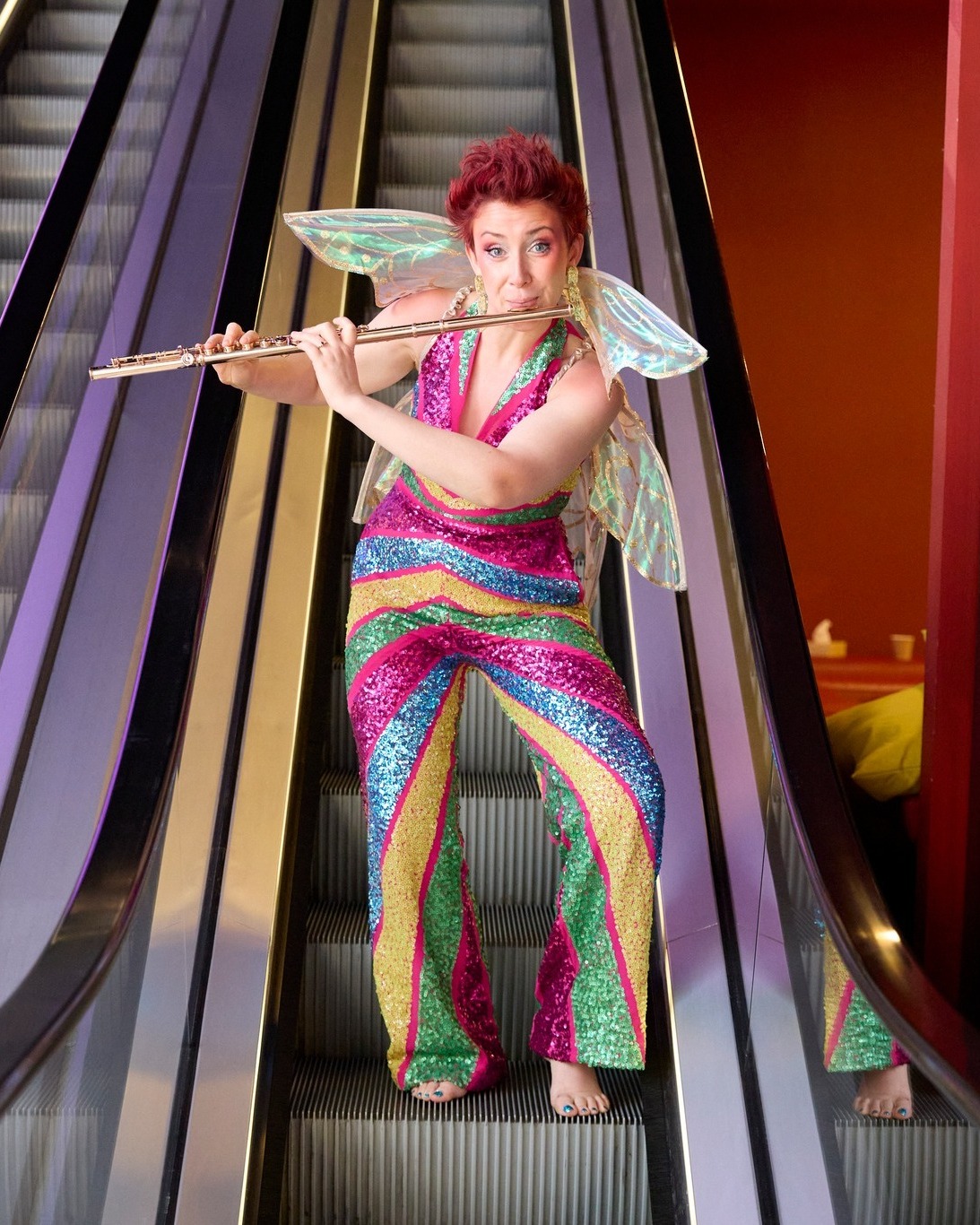
The Rameau that followed was an Entrée from Les Boréades, spotlighting Mikaela Oberg’s flute in a duet-like interplay with Ben Hoadley’s bassoon and the strings. It’s always a treat when French Baroque makes an appearance among its more familiar German cousins, and this piece offered a pleasant interlude of courtly elegance.
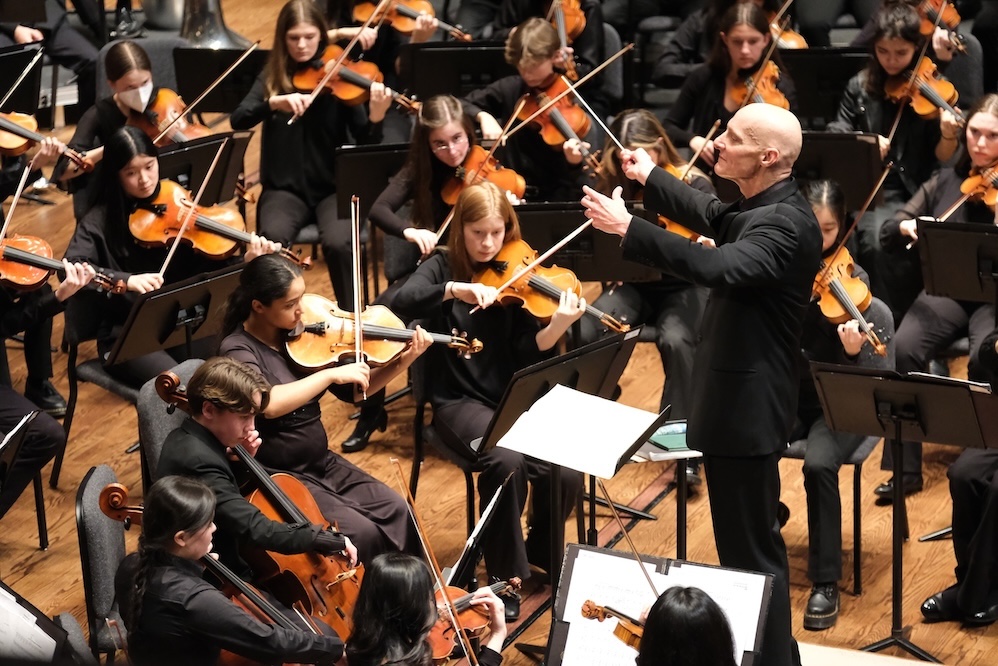
Then came the popular Orchestral Suite No. 3 by Bach. Everyone waits for the Air on a G String, of course, but what struck me was the vigour of the outer movements. The overture was fast, light, full of good humour with Madeline Easton’s direction from the violin both intuitive and joyful. This was a group clearly enjoying themselves. The famous “Air” was played simply and sincerely, no need for over-romanticising. Ornamentation, where it appeared, was tasteful and brought a freshness to the familiar.
After interval, the Handel Concerto Grosso in B-flat major was warm and invigorating, like a Baroque homecoming. The first movement was lively without losing refinement; the second, gentle and introspective. Throughout, there was a sense of unity in the ensemble: eyes darting, bows swaying, the music seemed to literally breathe with a collective pulse. The “Hornpipe” finale brought a smile – dancing, buoyant and bright.
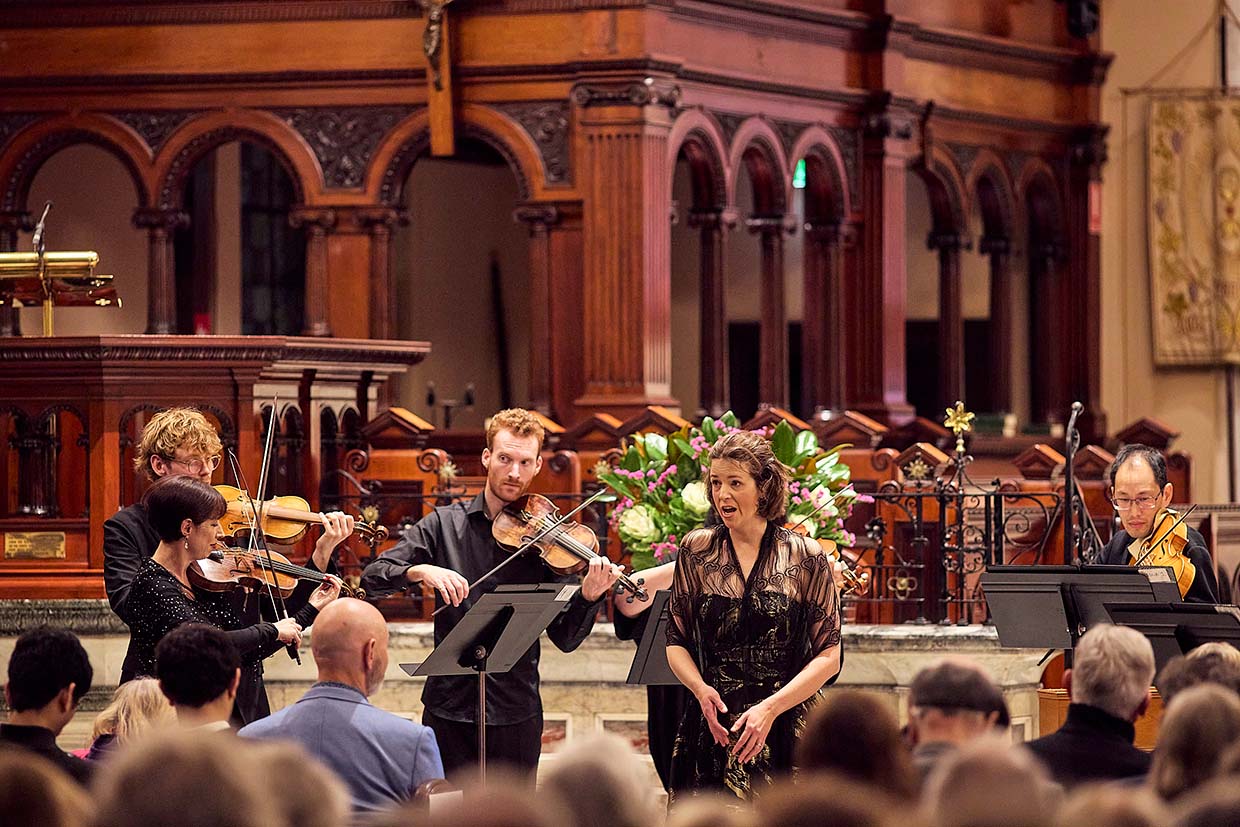
The concert closed with Bach’s secular cantata Non sa che sia dolore – a piece I have not heard before. Soprano Susannah Lawergren brought her radiant vocal clarity and deeply felt gesture to every line. Her physicality always expressive, never distracting. The first aria’s sea-crossing metaphors conjured an image of a farewell, possibly to a friend bound for war, though the program suggests a more academic departure to Ansbach. Either way, the emotional contours were clear.
The final aria “Rigetti gramezza e pavento” was joyful, fleet, full of lovely coloratura sung with such confidence – what an engaging performer Lawergren is.
Every Bach Akademie concert is an invitation into the era of the music being presented – the mindsets, the styles. Tonight was no exception: familiar works were presented with freshness, and lesser-known gems were given their due. Three cheers for The Class of ’85, and for an ensemble that continues to bring Baroque music to luminous life.
Image credit: Keith Saunders