Sydney Mozart Society | Streeton Trio
Nov 4, 2025, The Concourse, Chatswood, NSW
Programme
Mozart: Piano Trio in B-flat major, K 502
Brahms: Piano Trio in C minor, Op.101
Schubert: Piano Trio in B-flat major, D.898
Artists
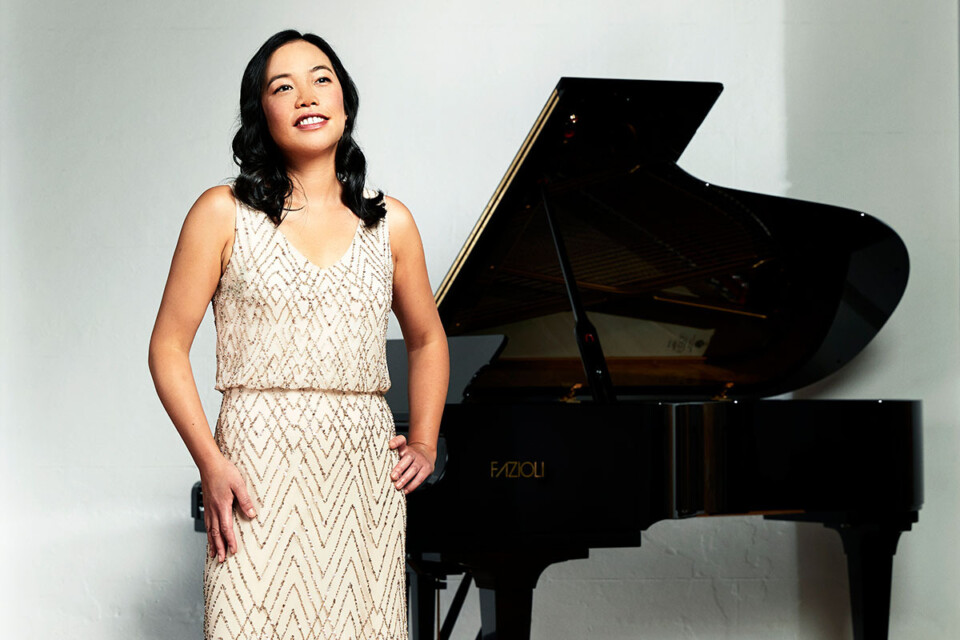
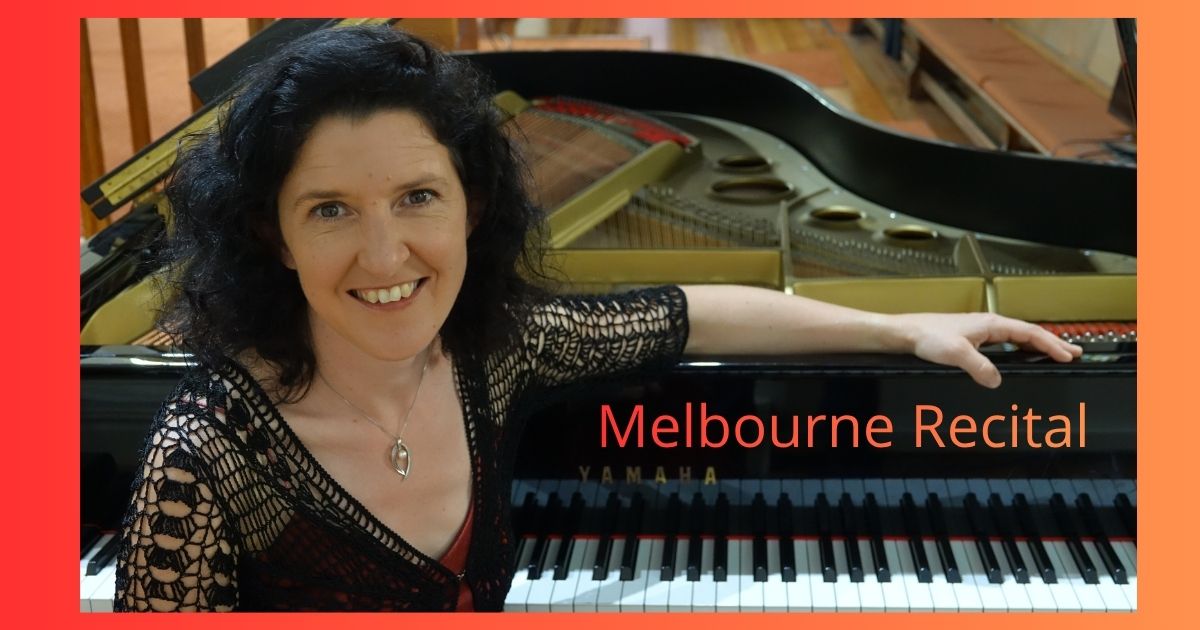
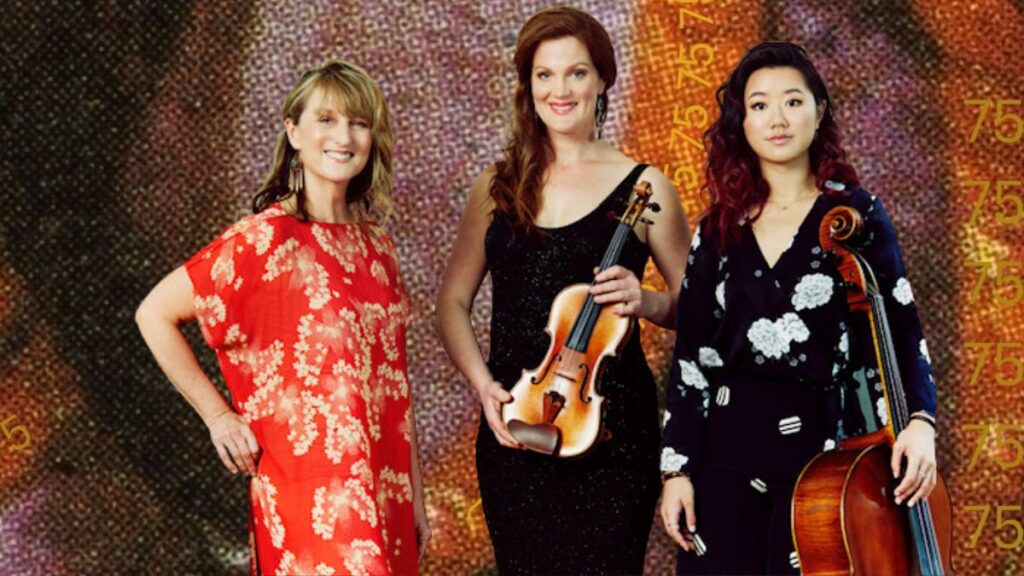
Bernadette Harvey (piano)
Emma Jardine (violin)
Rachel Siu (cello)
It is all about the music with the Streeton Trio. No histrionics. Just great ensemble playing with a respectful approach to the compositions.
Many string players play valuable, centuries old instruments from famous European makers, but in this concert Emma Jardine gave the first public performance on her brand new custom made violin. For string players in particular, changing instruments is a big deal, so it bears some consideration. Of course the sound depends as much on the instrument as the player, so these comments apply to both. The tone quality was not overly dark, but rich in overtones, well projected and remarkably consistent throughout the range. Luminous is the best way to summarise it.
Cellist Rachel Siu also played a recently acquired instrument; this one made in the 1940s and on loan for a one year trial period. This instrument seemed to match Siu’s temperament as a musician. It has a mellow, even tone, subtle and elegant, never harsh. It does not have a huge sound, but is consistently beautiful.
Enough of instruments. On with the music.
The piano part is quite dominant in the Mozart Piano Trio in B-flat major, K 502, and although Bernadette Harvey played with strength, it was ever relaxed, and she never veered off the path of dialogue with the violin and cello. Her phrasing was supple and articulation well thought out.
The slow movement functions like an operatic aria; a piano introduction and a violin in place of the voice. Here the phrasing gave a lyrical quality, inviting the audience to breathe as if singing. The final Allegretto danced with a lightness of touch, both delicate and witty. Even the walking bass sections in the cello were musically shaped. The rubatos were controlled and expressive.
Advancing 100 years to the Romantic period, the Brahms Piano Trio in C minor, Op.101 was dark and full toned. This work is uncharacteristically brief for Brahms, but has all the stormy intensity and tight architectural structure for which he is famous. The Trio imbued the work with forward energy through the rhythmic momentum of their performance. There was some fearsome pizzicato! The second movement, Presto non assai, despite its dark tonality, maintained a light energy. The slow movement had a feeling of repose for the listener, but in no sense did the players drop their concentration: the counter melodies and the question/answer phrases were filled with intentionality. The Allegro motto finale was fiery, but always felt controlled; never feeling rushed; a perfect balance of passion and restraint.
Schubert’s Piano Trio in B-flat major, D.898 sits chronologically half way between the Mozart and the Brahms, right on the cusp of the Classical and Romantic periods. Like the Mozart it is also in the warm and friendly key of B-flat and the Brahms in the middle is only one flat away in the darkness of C minor. This a is deft and clever stroke of programming.
The Schubert is like an old friend. With the noble and unhurried opening cello line, it positions itself nicely between the wit of the Mozart work and tight structure of the Brahms. The work expands generously with both its breadth and lyrical intimacy. There is fire here too. The sudden-shift modulations in the development section make for a tempestuous ride. Then the piano’s rising scale, which reintroduces the main theme, uses the rubato as if offering the theme served on a silver platter; most satisfying. Further examples of this rhythmic control of the group are the impossibly long ritenuti at the end of the second and fourth movements. Astounding! In the Scherzo movement too, there are rests after hanging phrases; here the musicians took time to smile at each other before coming back in, as if there was all the time in the world in those silences.
This concert was extraordinary. Nothing was ever forced and there was never any ego involved. Just totally committed ensemble playing and music making. It would be a delight to hear the Streeton at every available opportunity.