Van Diemen’s Band & Ensemble Kaboul | Where Everything is Music
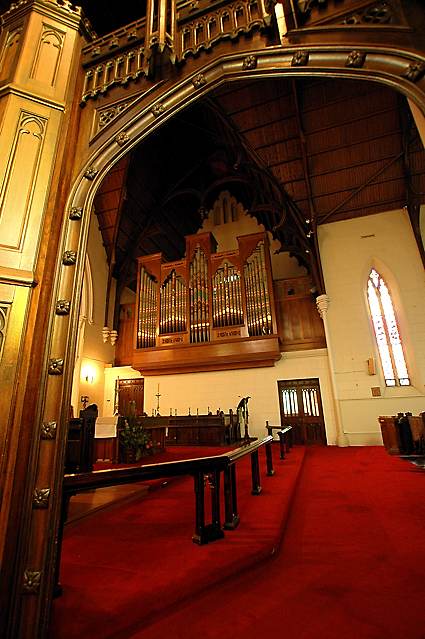
4 October 2025, Leichhardt Town Hall, NSW
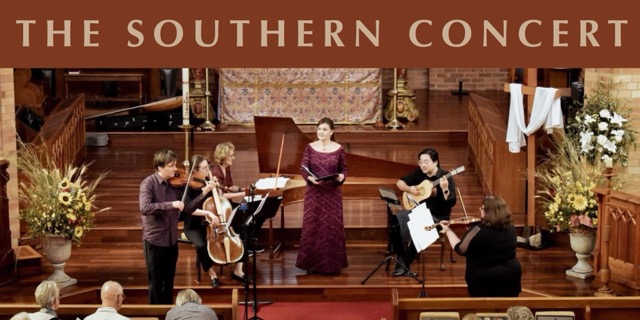
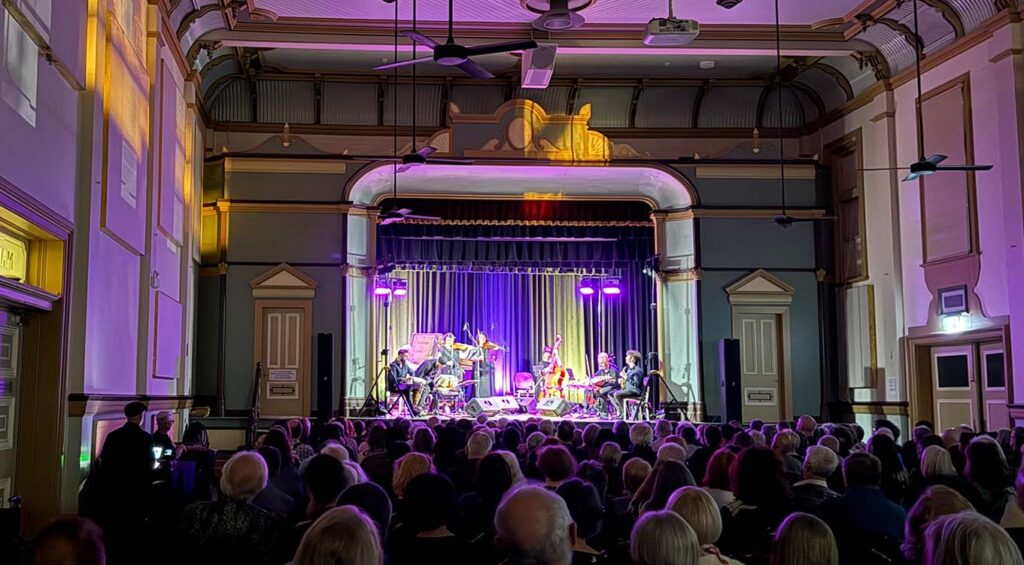
Leichhardt Town Hall was packed on a warm Saturday night, an impressive turnout for a program that promised something genuinely different. Where Everything is Music, the collaboration between Van Diemen’s Band and Ensemble Kaboul, offered a journey through time and across cultures. From the opening, a gently spoken and musically accompanied Acknowledgement of Country, the audience was drawn into a sound world that felt ancient, searching and completely absorbing.
The concept was inspired: to bring early European music into conversation with Afghan and Persian traditions, tracing what the program notes describe as the “shared ancestry of modal music.” That’s exactly what happened, as the music unfolded seamlessly drones, modes and rhythmic patterns wove a continuous thread between cathedrals, courts and caravanserais.
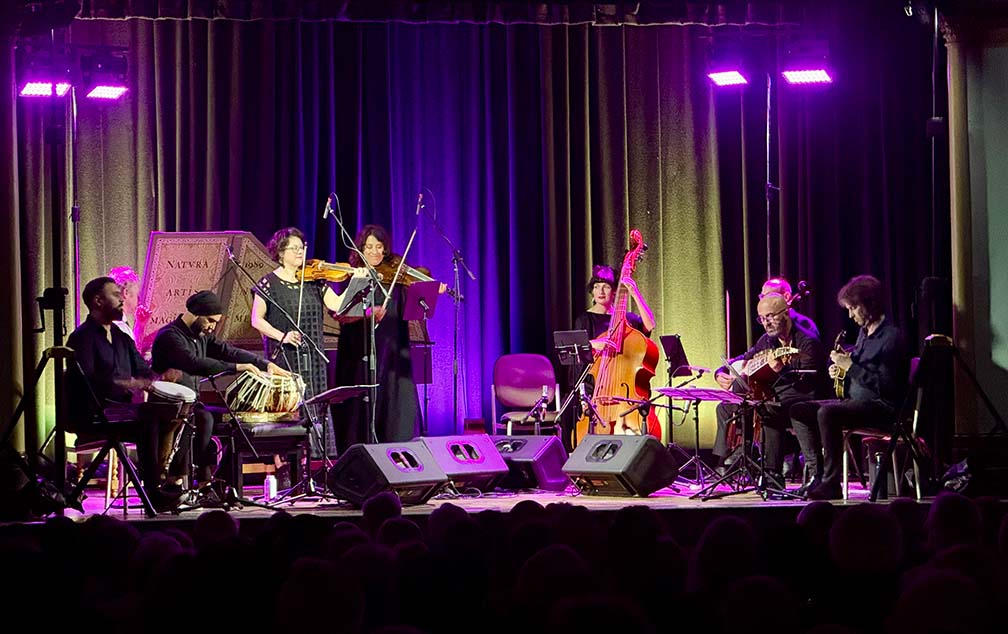
The first piece, Ay Naynawâ, set the tone with its plaintive vocals from Siar Hashimi, answered by the earthy depth of Khaled Arman’s rubab, string drones and trills, and the quicksilver interplay of tabla and zerbaghali, played by Masud Hashimi. The alternation between fiery rhythmic passages and moments of quiet gave the piece a sort of heartbeat. It was impossible not to feel moved by the knowledge that these three musicians can no longer perform this music freely in their homeland.
An arrangement of the ancient Ladino song Yo m’enamori d’un aire followed. The harpsichord’s delicate trills sat so naturally against the rubab’s sonorous drone. I loved the way the players handed the melodic line around, each voice emerging briefly from the texture before dissolving back into it. This conversational quality, a sort of storytelling through sound, became a hallmark of the evening.
Luke Plumb’s more modern work for mandolin brought a change of colour: bright, rhythmic and childishly joyful, with a sense of travel and motion. Plumb’s playing had real sparkle, and the energy from the ensemble was infectious. Then came an unexpected transformation – Erik Satie’s Gnossienne No. 1, sung by Siar Hashimi in a performance that turned this well-known miniature into something hauntingly new. His voice seemed to float over the pulsing drones beneath; gestures of his hands shaped the rhythm as if he were conducting air. By the final note you could hardly hear the distinction between human voice and instrument. Beautiful.
A solo set from Ensemble Kaboul followed, the three Afghan musicians conversing through rhythm and improvisation with almost telepathic understanding. Every flick of the fingers on tabla or rubab changed the mood, from meditative to exhilarating. It was virtuosic but never showy and I felt genuinely privileged to be in the presence of such mastery. In fact every musician on the stage this evening was a true artist at the height of their craft, and all the arrangers were from within the group. Quite astonishing.
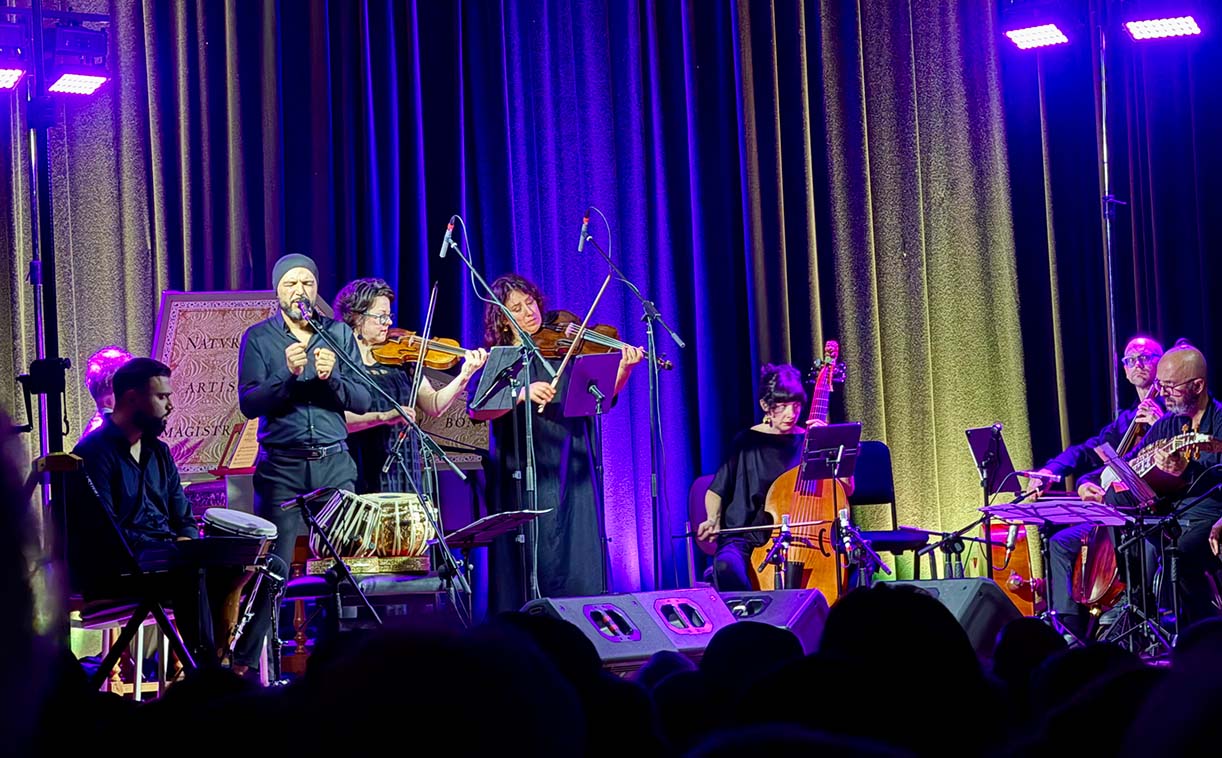
Later, the program turned briefly to Europe with Hildegard von Bingen and Antoine Boësset. The connection made perfect sense: both composers worked within modal traditions that long pre-date tonality. To my ears, their music shared something essential with the Afghan pieces – perhaps the same devotional focus, or a similar balance of musical discipline with freedom of expression? Whatever, Donald Nicolson’s harpsichord shimmered with technical wizardry, and I was struck by how naturally it blended with the plucked strings around it, setting off a tambourine-like harmonic in the space. It felt like playing together allowed the musicians to push their instruments into new sonic territory and the result was magical. Kudos to Erick Jaskowiak, the sound engineer!
The final set of works, arranged by Khaled Arman, paired two traditional Afghan pieces with a Bach lute prelude, reimagined for mandolin. The rhythmic vitality of the Afghan material against Bach’s familiar architecture created a fascinating tension. With pattern, pulse and emotional directness, by the time the ensemble reached the final cadence, I felt we’d travelled through centuries and across continents yet somehow stayed in the same harmonic landscape. The crowd roared and stood in an approving ovation.
The encore brought quiet reflection dedicated to the children of the world: pairing an Afghan song of mourning with a Scottish piobaireachd — a slow, ornamented lament traditionally played on the bagpipes. With no bagpipes to hand, the audience was invited to hum the drone, and the hall filled with a soft, collective resonance. The final word, Shalom, lingered in the air – a prayer for peace.
This was music as dialogue, not fusion, a genuine meeting of equals. Van Diemen’s Band and Ensemble Kaboul found common ground in breath, rhythm and spirit, revealing how ancient traditions still speak to one another. The entire concert has recently been recorded for release on ABC Classic, and I would highly recommend a listen.
As Fredersdorff aptly observed, Ensemble Kaboul play with the “musical defiance of a displaced people… this music deserves to be heard everywhere.” Where Everything is Music reminds us that, at its core, music is borderless; an inheritance we all share, and a language that has the power to unite.
About the Artists
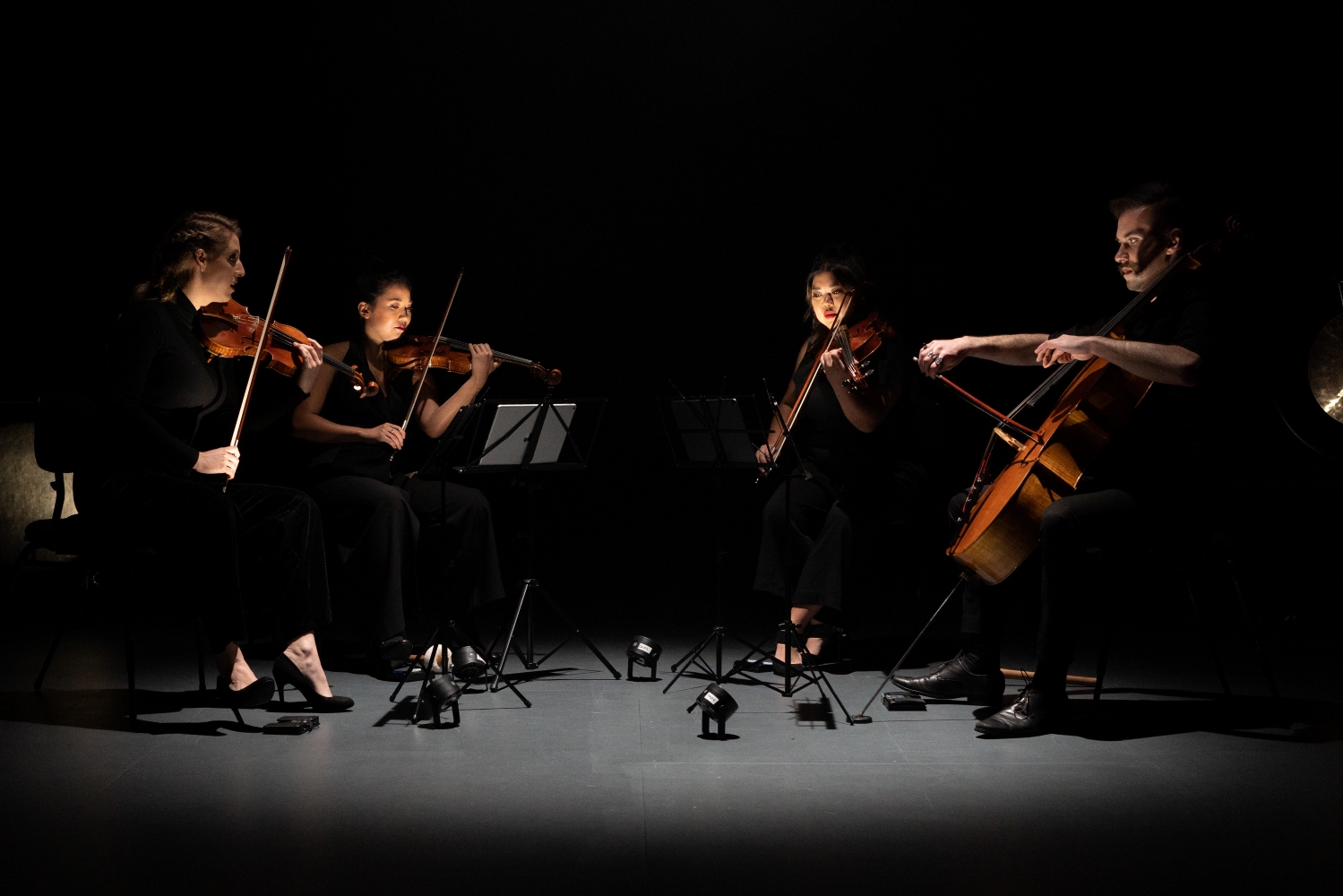
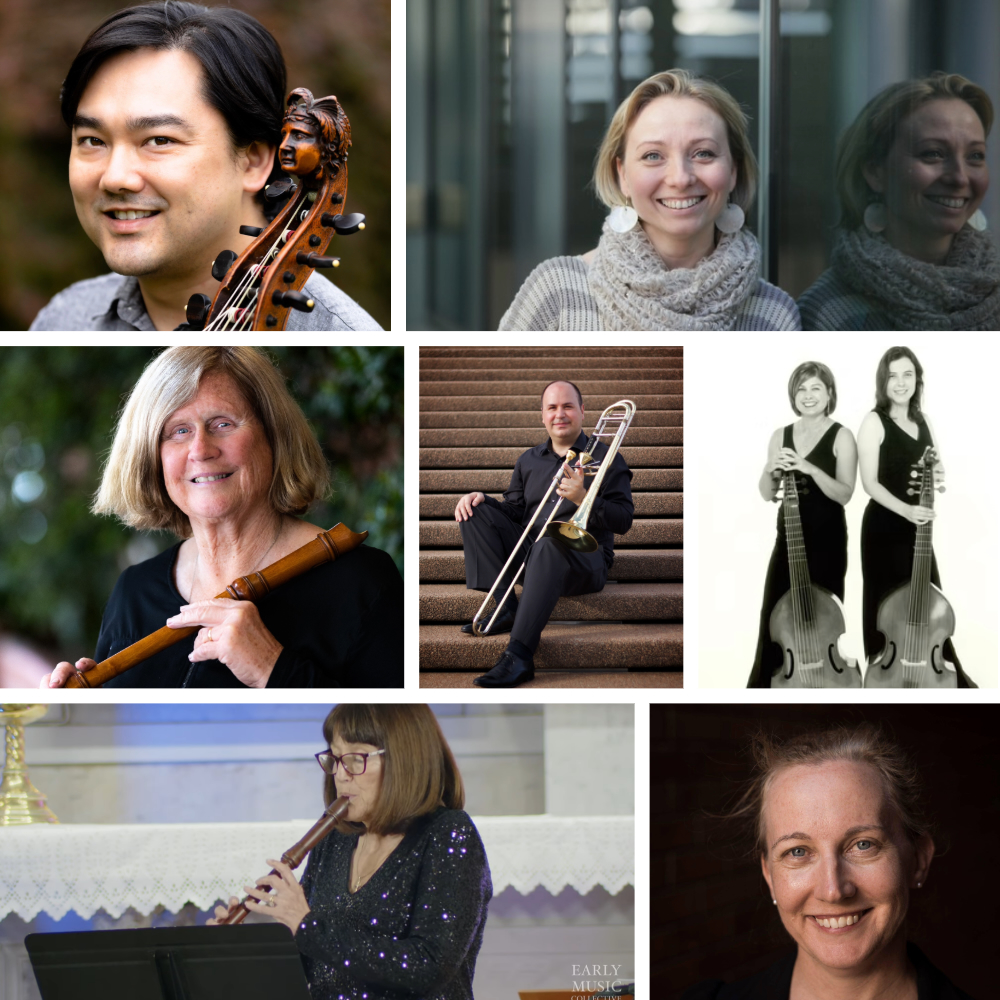
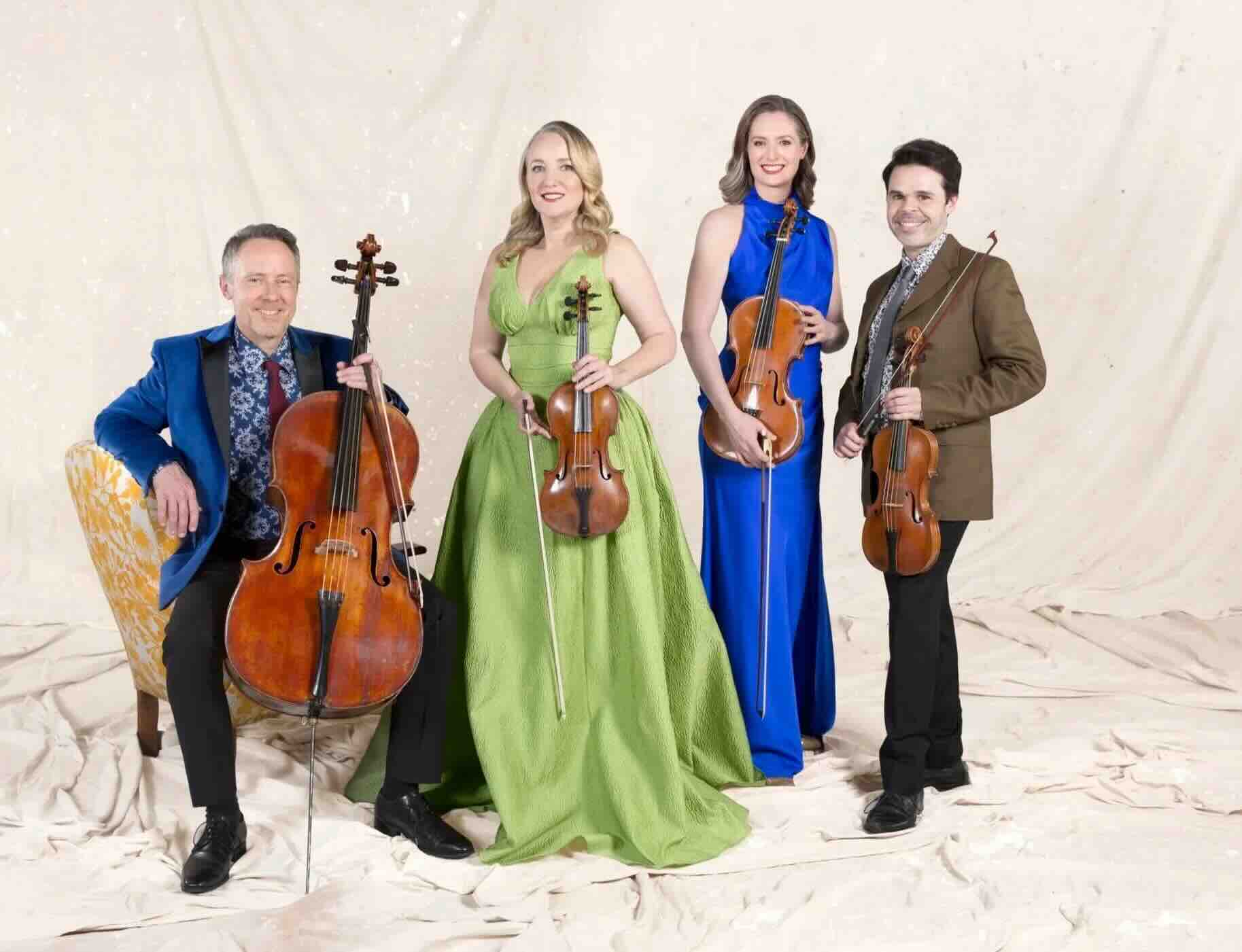
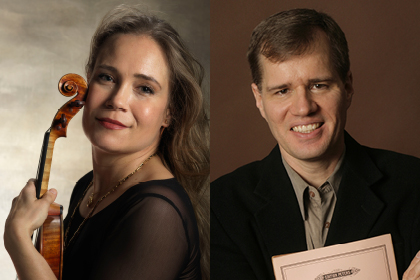
Van Diemen’s Band, founded by violinist Julia Fredersdorff, is Tasmania’s chamber orchestra specialising in historically informed performance. Known for imaginative programming and expressive playing, the ensemble frequently explores connections between early music and other traditions.
Julia Fredersdorff – artistic director / baroque violin
Luke Plumb – mandolin
Rachel Meyers – viola
Laura Vaughan – viola da gamba / violone
Martin Penicka – violoncello
Donald Nicolson – harpsichord
Ensemble Kaboul, led by Khaled Arman, is an acclaimed Afghan group formed in exile and dedicated to preserving and sharing the musical heritage of Afghanistan. Their performances combine classical maqam traditions with contemporary expression, embodying resilience through art.
Khaled Arman – Rubab
Siar Hashimi – Vocals / Tabla / Percussion
Masud Hashimi – Zerbaghali