Willoughby Symphony Orchestra | Maestro
October 18, 2025, The Concourse, Chatswood, NSW
I was looking forward to the bravery of the WSO in programming Mahler’s first symphony aptly named “The Titan” and my favourite by a long chalk. I noticed with interest that there was an introductory work by an unfamiliar composer which I assumed would be akin to an “amuse-bouche” – how wrong I was.
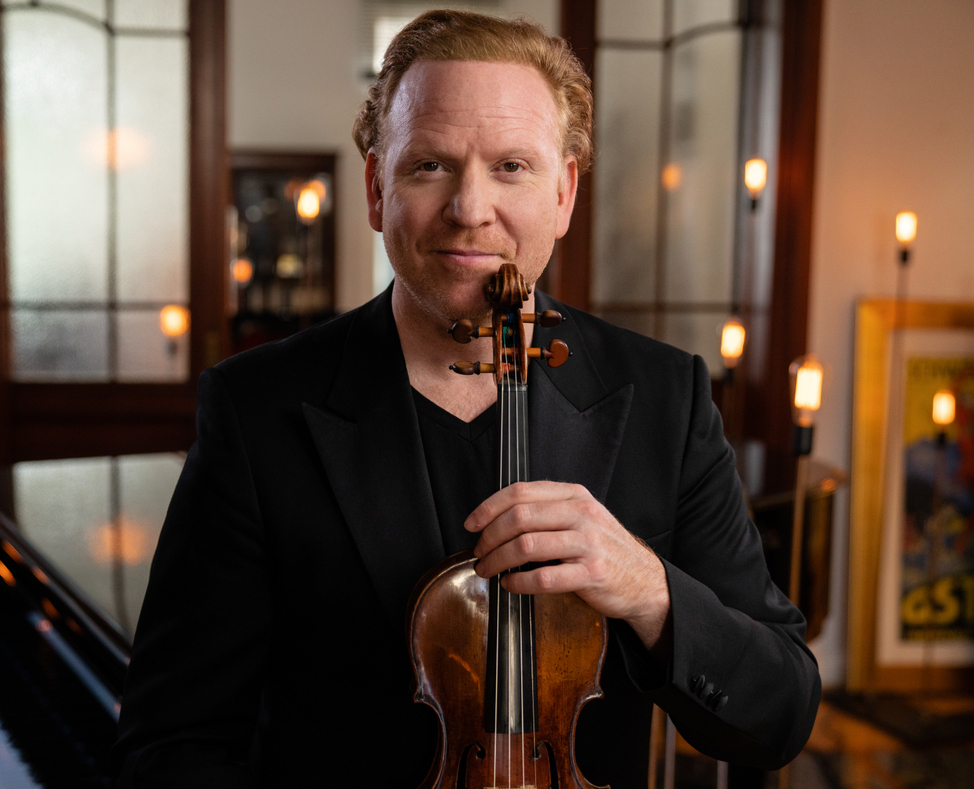
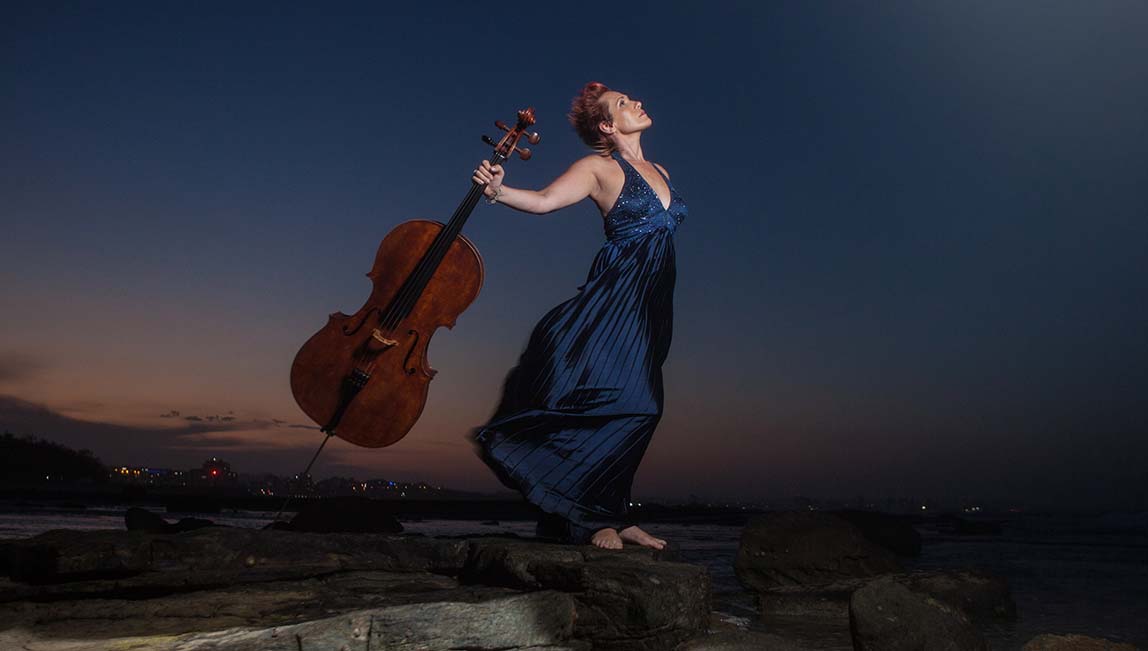
The cello concerto by Latvian contemporary composer Pēteris Vasks is an immensely powerful work. Subtitled ‘I am here, I am not distant’ it starts unconventionally with a cadenza. pizzicato, pianissimo gradually increasing in speed and loudness then joined by the string orchestra but with the soloist always in command and remaining introspective. The second movement is more boisterous with many glissandos by the soloist and a Scherzo at heart. The somnolent mood returns in the Finale with plaintiff wailing by the strings and finally by the soloist humming as he plays. The cellist was Julian Smiles well-known to many as a member of the now retired Goldner Quartet. I doubt if he has ever had to work so hard, even in the slower movements and he achieved well-earned rousing applause. I look forward to hearing this work again.
After this often dissonant but nonetheless easy to appreciate composition, the audience was in receptive mood for the gigantic first symphony of Mahler. To me, it is head and shoulders above the eight symphonies that followed and amazingly is the most complex. Lyrical themes are expertly developed with chords which are outlandish yet appear appropriate.
The first movement in particular features tunes that are eminently singable, particularly the famous “Blumin” taken from his “Songs of a Wayfarer”‘. The stuttering scherzo with its quiet trio section features the brass section in particular and again is fully developed with variations. The famous “Frere Jacques” slow movement gradually builds up to a weird episode that is reminiscent of Berlioz’s “Witches Sabbath”
The Finale is a symphony in itself with widely raging themes and a tune that threatens to end but time and again doesn’t, thankfully for us, and when it finally comes the ending is precipitous and cataclysmic.
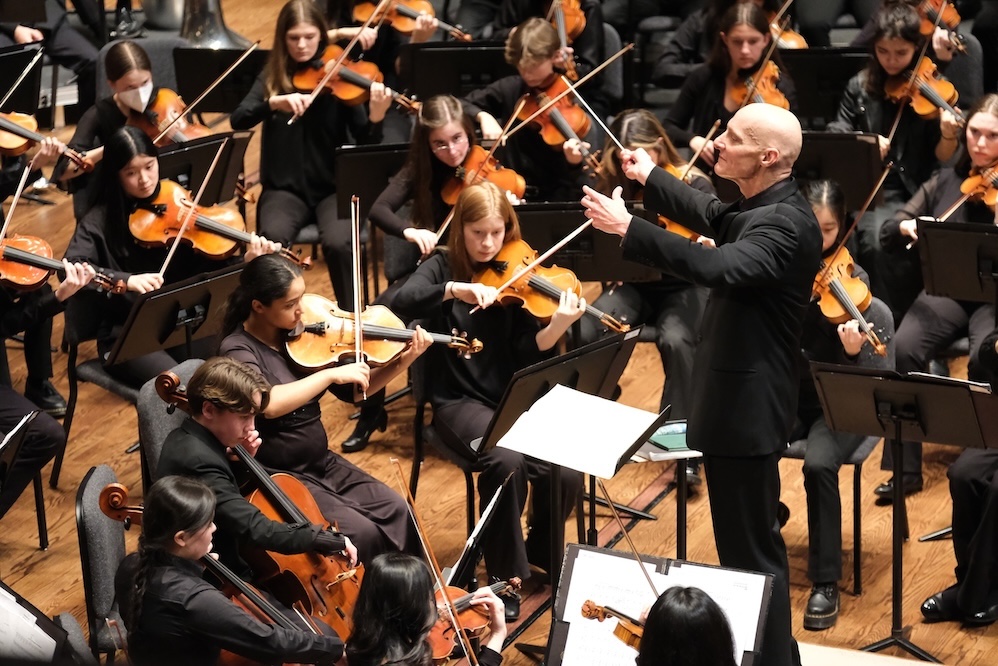
The orchestra under Dr Nicholas Milton proved more than equal to what is a difficult task and clearly were enthused by the scale of the music. The percussion section, all five, was particularly robust with cymbals and bells and even in the slow movement, the kettledrum sounds out the beat. Chiron Meller in particular must feel that he deserves a holiday. What a night!