Willoughby Symphony Orchestra | Odyssey
June 22, 2025, The Concourse, Chatswood, NSW
PROGRAM
Mozart – Sinfonia Concertante, K.364
Smetana – The Moldau (Vltava)
Dvořák – Symphony No. 8 In G, Op. 88
ARTISTS
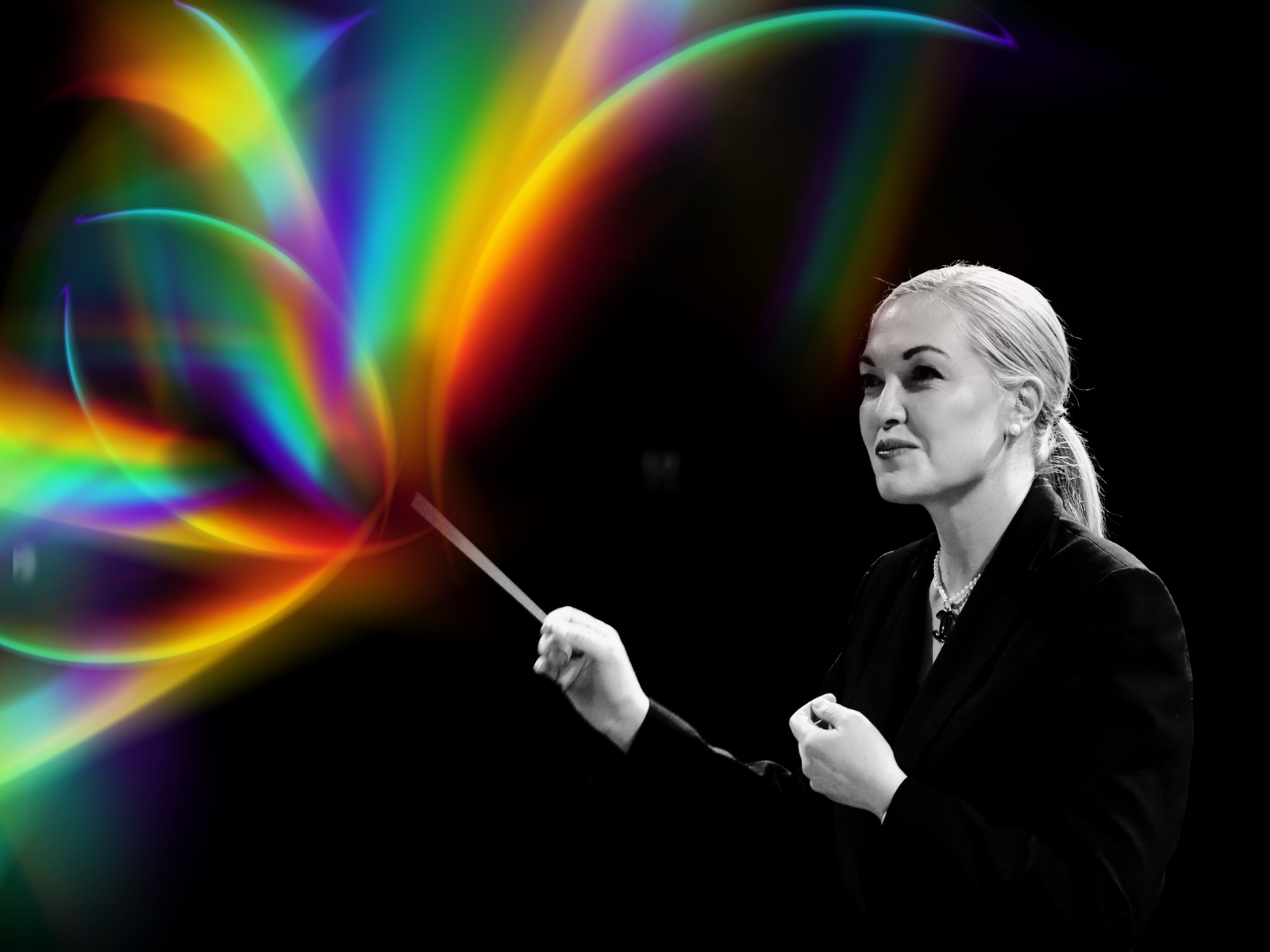
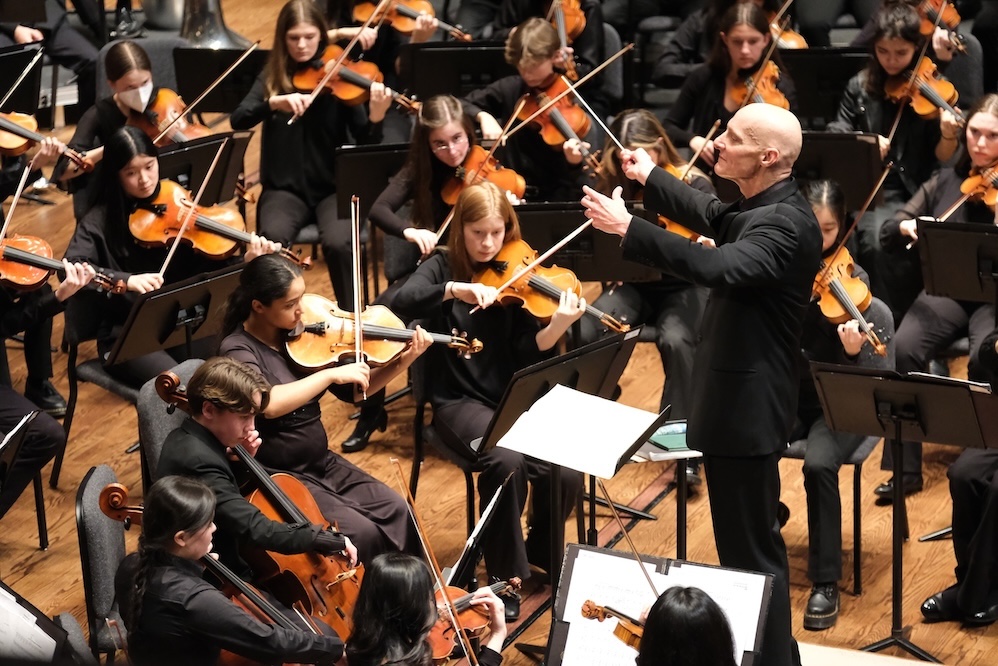
Dr. Nicholas Milton AM – Conductor
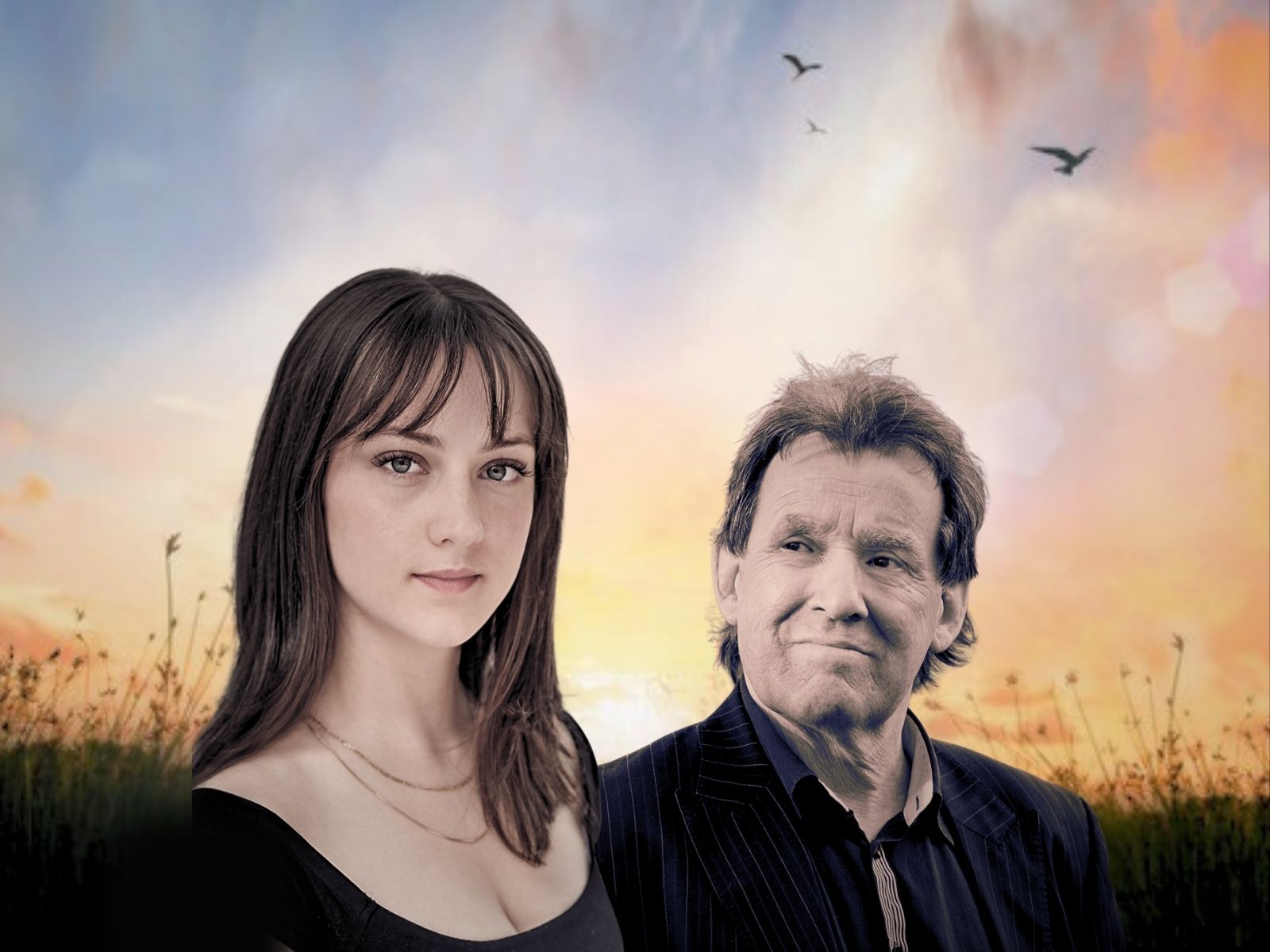
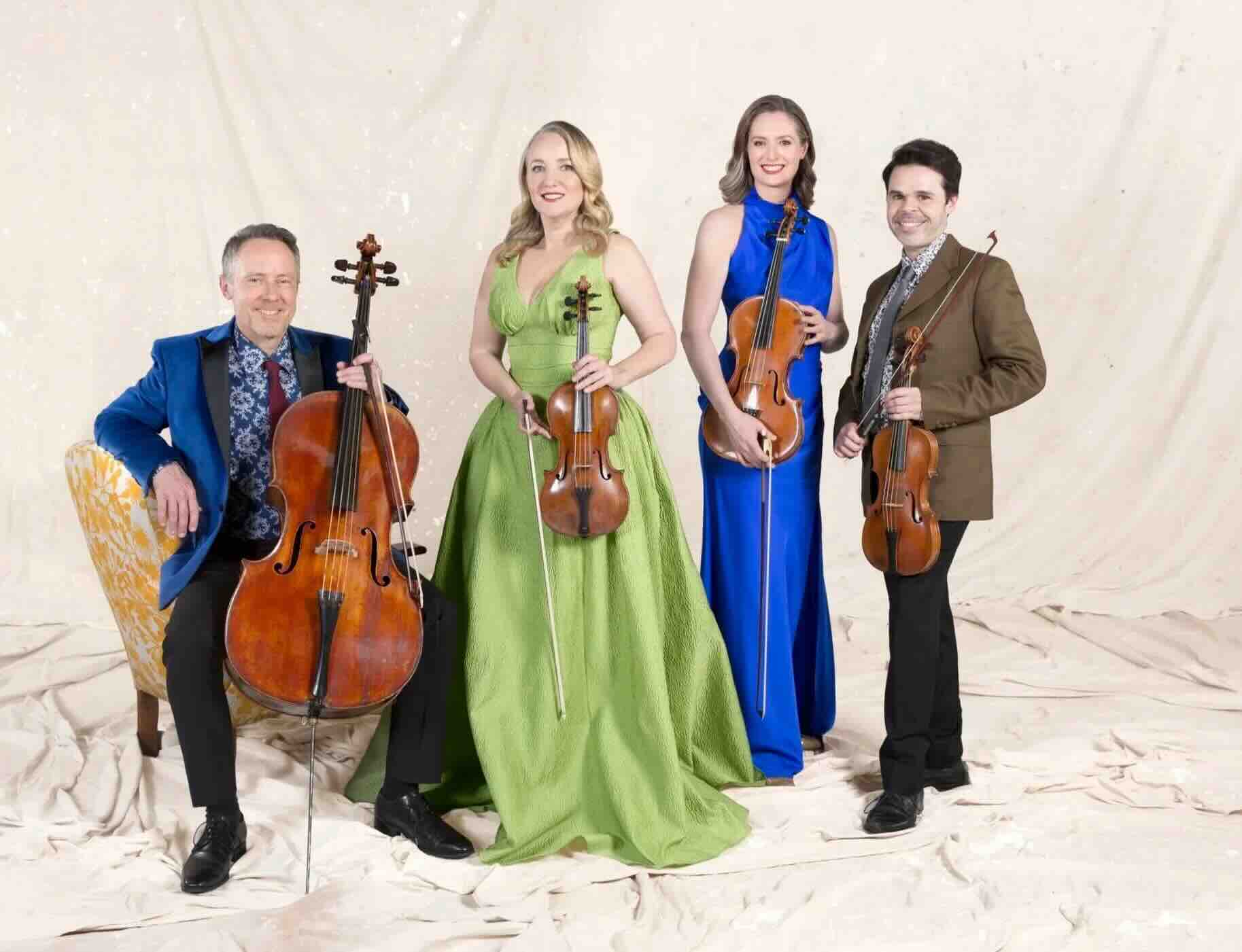
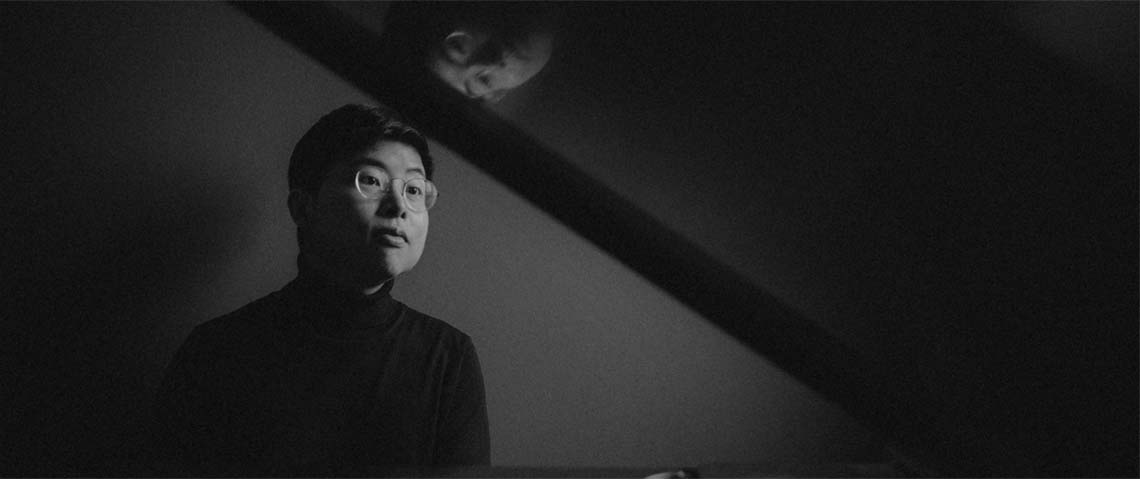
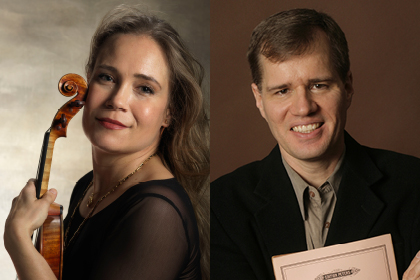
Ji Won Kim – Soloist
Caleb Wright – Soloist
No-one is more of a fan of Mozart than Yours Truly, but it must be said that some of his later works, in particular his chamber music lacks his trademark inspiration. Standing against this are several early works which stand out like beacons in their precociousness and flair. Think of the 29th symphony, his double piano concerto, his flute and harp concerto and, perhaps above all, his Sinfonia Concertante in E flat for violin and viola. I was introduced to this work at an early age as it used to be a fixture at the Last Night of the Proms played by two members of the Amadeus Quartet.
A carefully constructed introduction featuring the horns leads naturally into the main theme played by the soloists, first in turn then together and the music develops beautifully in Sonata form with neither soloist being favoured. In fact Mozart, like many music teachers, preferred the lower tones of the viola. Already in a receptive mood, the audience is then transcended into one of the most beautiful movements ever composed, in E minor, it is sad, baleful and deeply moving music. Used in many films, notably by Michael Nyman in Peter Greenaway’s dark “Drowning by Numbers”, it is thought to reflect the recent death of the composer’s mother. We needed a pick-me-up and the final spritely presto certainly provided it. The soloists combined as if joined at the hip – well they are indeed a married couple! An encore, an adaptation by Halvorsen of a Handel suite was a suitable palate cleanser after the main course.
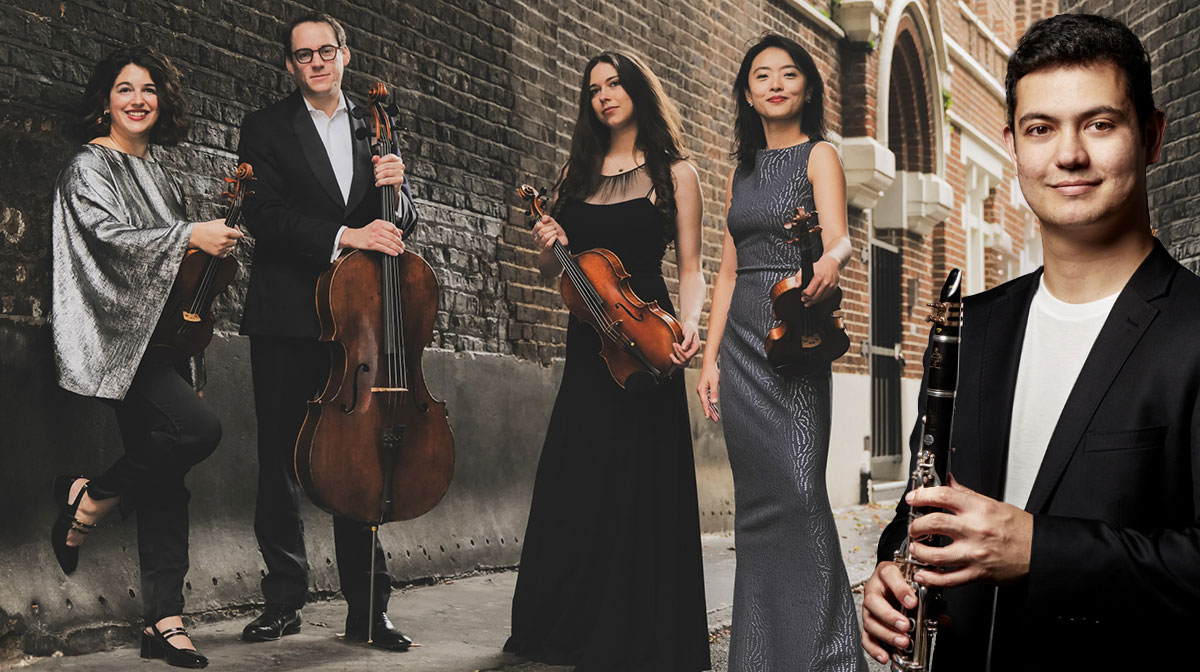
Melbourne born, Ji Won Kim began her musical education in Vienna, winning first prize at the prestigious International Brahms Competition but returned to Australia where in 2009 she took out the ABC Young Performers award. Apart from teaching and soloist duties, she is also concertmaster of the Tasmanian Symphony Orchestra. Caleb Wright studied in Adelaide and Berlin before holding Principal viola positions in Malaysia and Berlin before his present position with the TSO.
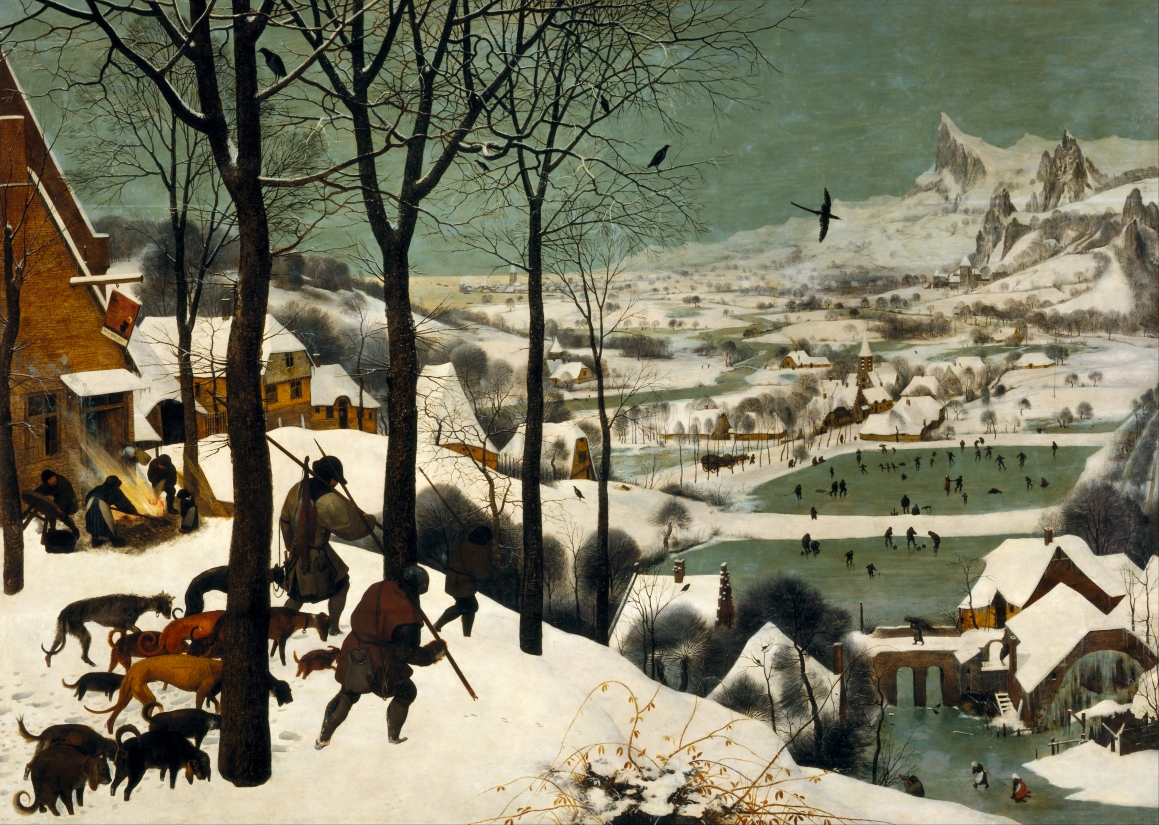
Nicholas Milton is certainly a people’s person. He has a clear rapport with the orchestra and is always keen to give an introduction to the music. Although Smetana’s Vltava is familiar to me, Nicholas explained the significance and relevance of the tone-poem with its interludes of huntsmen, wedding guests and treacherous rapids. This added to the enjoyment of a superb piece of music with its Slavic overtones – the ground bass suggests the river’s flow while the woodwinds and brass describe the various interludes including the triumphant major chords as the river reaches Prague.
I feel that the change in cataloguing Dvořák’s symphonies in the fifties was a mistake. Symphonies 1 to 5 are insignificant turgid works which are not worthy of the composer. The improvement after was immense and Symphony No. 8 in G is deservedly a hugely popular work. From the fanfare entry, beautiful themes abound while the Slavic overtones are always present. The very difficult flute solo was faultlessly delivered by Katrina Kelvin and this was a reflection of the accuracy and enthusiasm of the WSO as a whole. The “Furiant” dance-inspired Scherzo with its lilting trio was sublime and the resounding Finale was a fitting ending to a great concert – or at least the unexpected encore of a racy Slavonic dance was!