AN AUSTRALIAN WAR REQUIEM
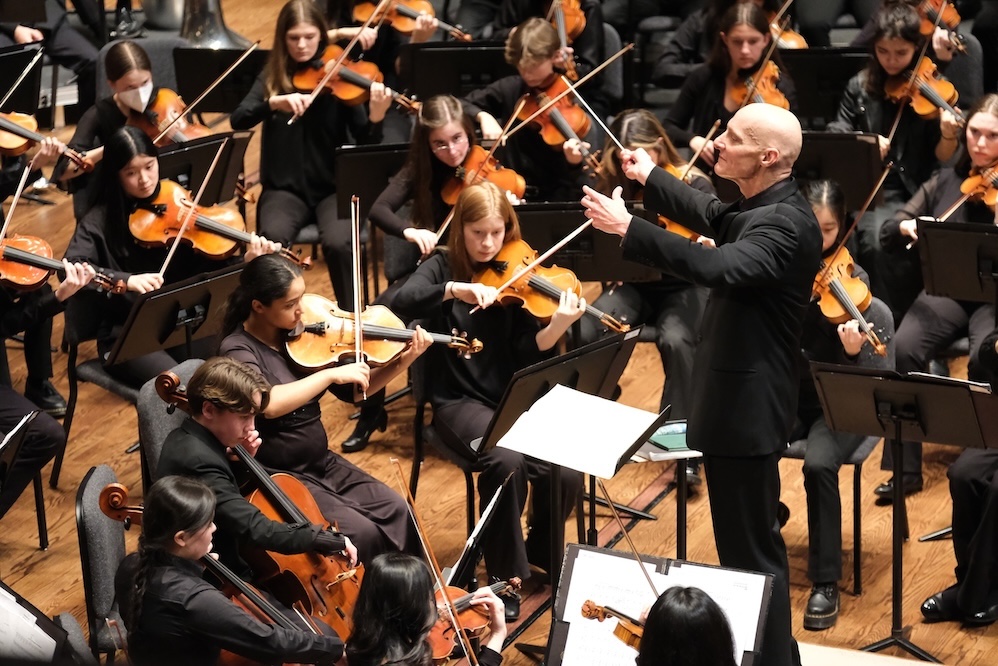
Sydney University Graduate Choir and Orchestra
Sydney Town Hall, Sunday August 10 2014
Christopher Bowen’s An Australian War Requiem is the end result of a truly staggering effort put forth by a bevy of passionate supporters, including government bodies both domestic and international, patrons, citizens, the wider arts community and of course nearly 250 choristers and instrumentalists.
Commissioned in recognition of the 100th anniversary of the outbreak of World War I, the work – for massed choir, children’s choir, SSTBB soloists and orchestra – takes as its inspiration the letters written by Australian soldiers to their mothers during the war. Librettist Pamela Traynor trawled through hundreds of examples of these poignant and often heartbreaking paeans to loss, conflict, and loneliness, spinning them into a three-part libretto which, combined with Latin Requiem sequences, painted a compelling and deeply moving portrait of both the horrors of war and the salvation of love.
Elements of Britten, Shostakovich and Mozart wove through Bowen’s music, which was at turns haunting, stark and dramatic, with a flair for clever orchestration and rich choral writing. Roughly structured in the style of an oratorio, An Australian War Requiem alternated short recitatives with more substantial arias and choruses, bringing the solemnity of the ‘Latin Requiem’ liturgy into thought-provoking conversation with ruminations on the futility of war. Tenor soloist Henry Choo, as the Soldier, gave every single ounce of himself to his performance, his assured, glossy tone imbuing the role with pathos and a real depth of expression. The Sydney University Graduate Choir displayed excellent control, diction and uniformity of sound, notably in the exciting 7/8 rush of the ‘Shells Burst’ chorus. Other highlights included the exceptionally well-trained voices of the Waitara children’s choir, soprano Celeste Lazarenko’s gorgeous and genuinely affecting performance as the Mother, and bass Adrian Tamburini’s heartbreaking delivery of ‘I’m done, boys, I’m done…’ in the final ‘Tableau’.
Bowen’s use of simple chromatic motives and military-like orchestration (think funeral bells, snare drums and bugles) helped to both unify the work’s three ‘Tableaux’ and to ground them in reality whenever the music threatened to become a little twee or overly grand given the subject matter. Despite occasional balance issues between the soloists and orchestra, each musician’s commitment to this composition made for a compelling and memorable performance which no doubt will reveal more of its secrets upon subsequent hearings.
An Australian War Requiem was brought to a conclusion with a duet between timpani and off-stage bagpipes, leaving the audience at Sydney’s beautiful Town Hall feeling as though they’d been part of something truly unique. Music has the ability to express what words cannot, and on this solemn anniversary what better way to remember and honour the memories of Australia’s fallen soldiers than through the beauty and clarity of the human voice?