Ensemble Offspring | Double Symmetry
29th May 2025, Tempo Rubato, Brunswick, Melbourne
Sometimes, a concert event lives up to the publicity hype that promoters and venues produce.
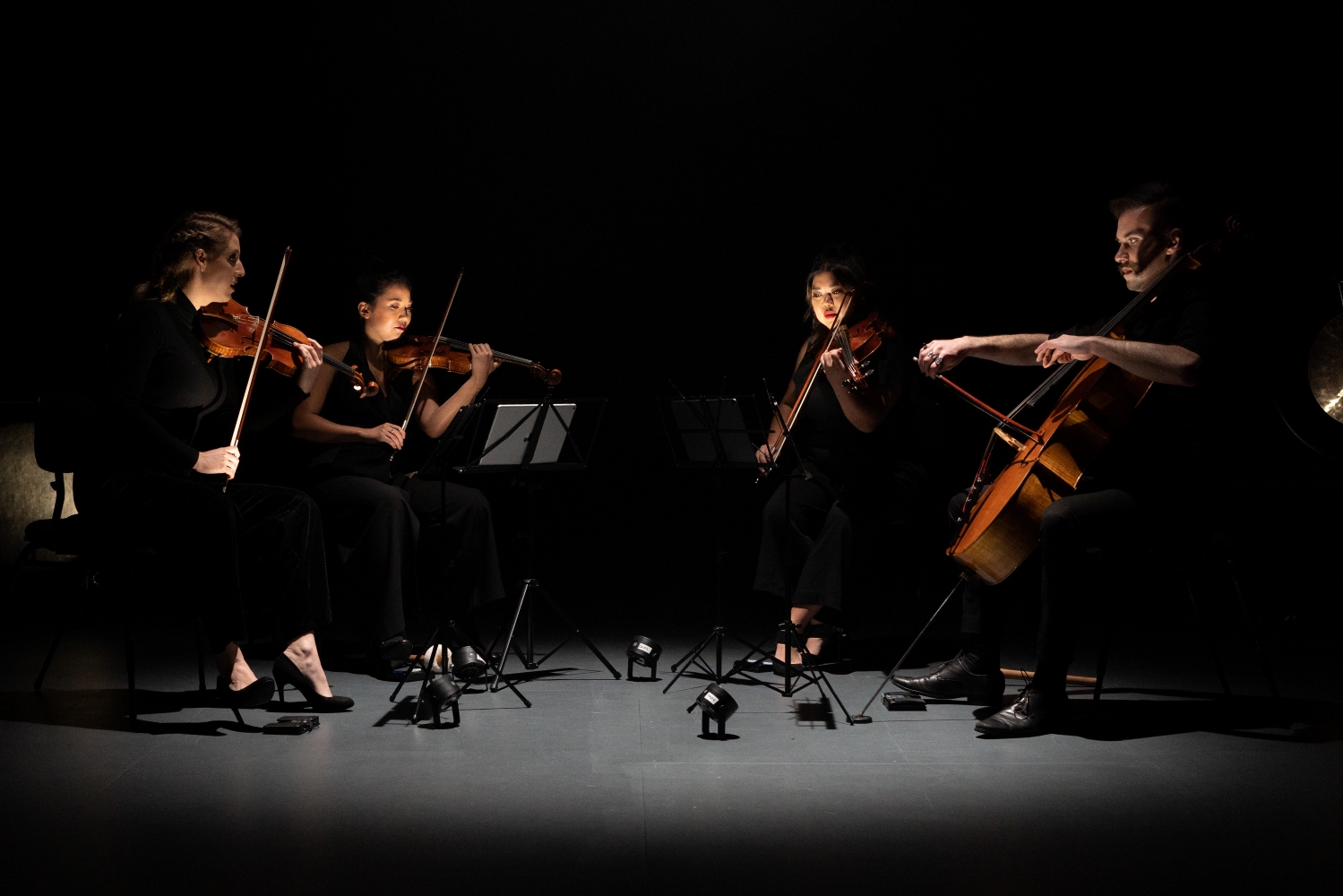
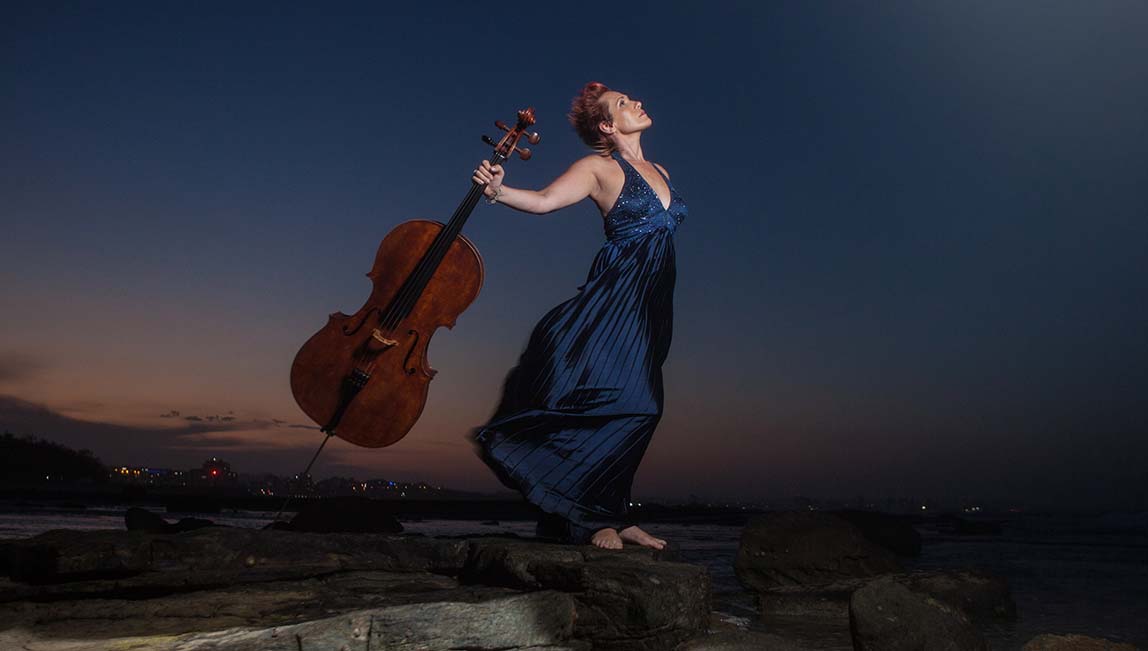
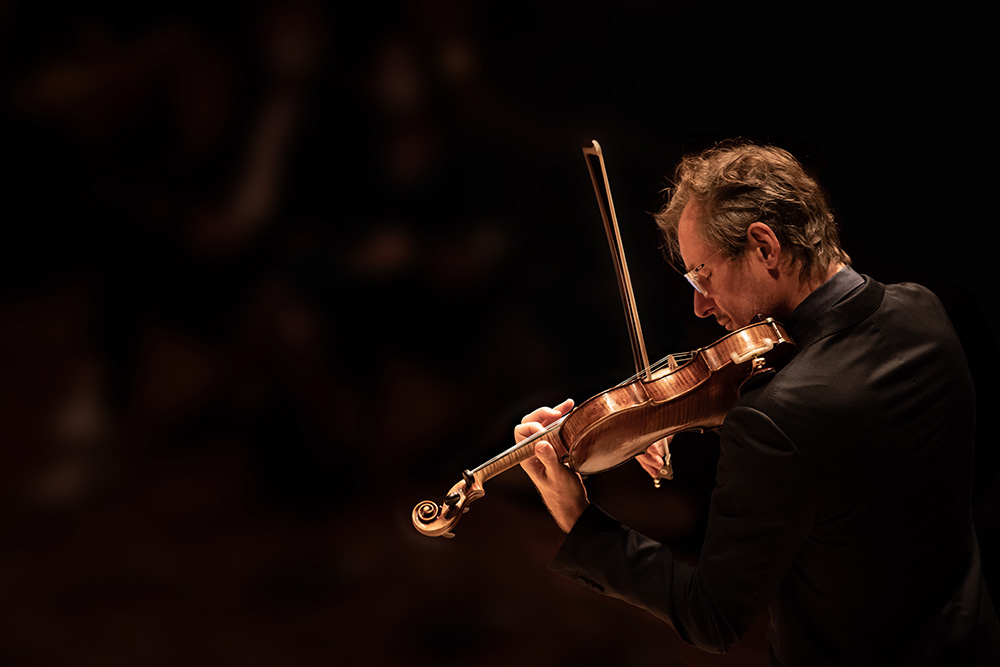
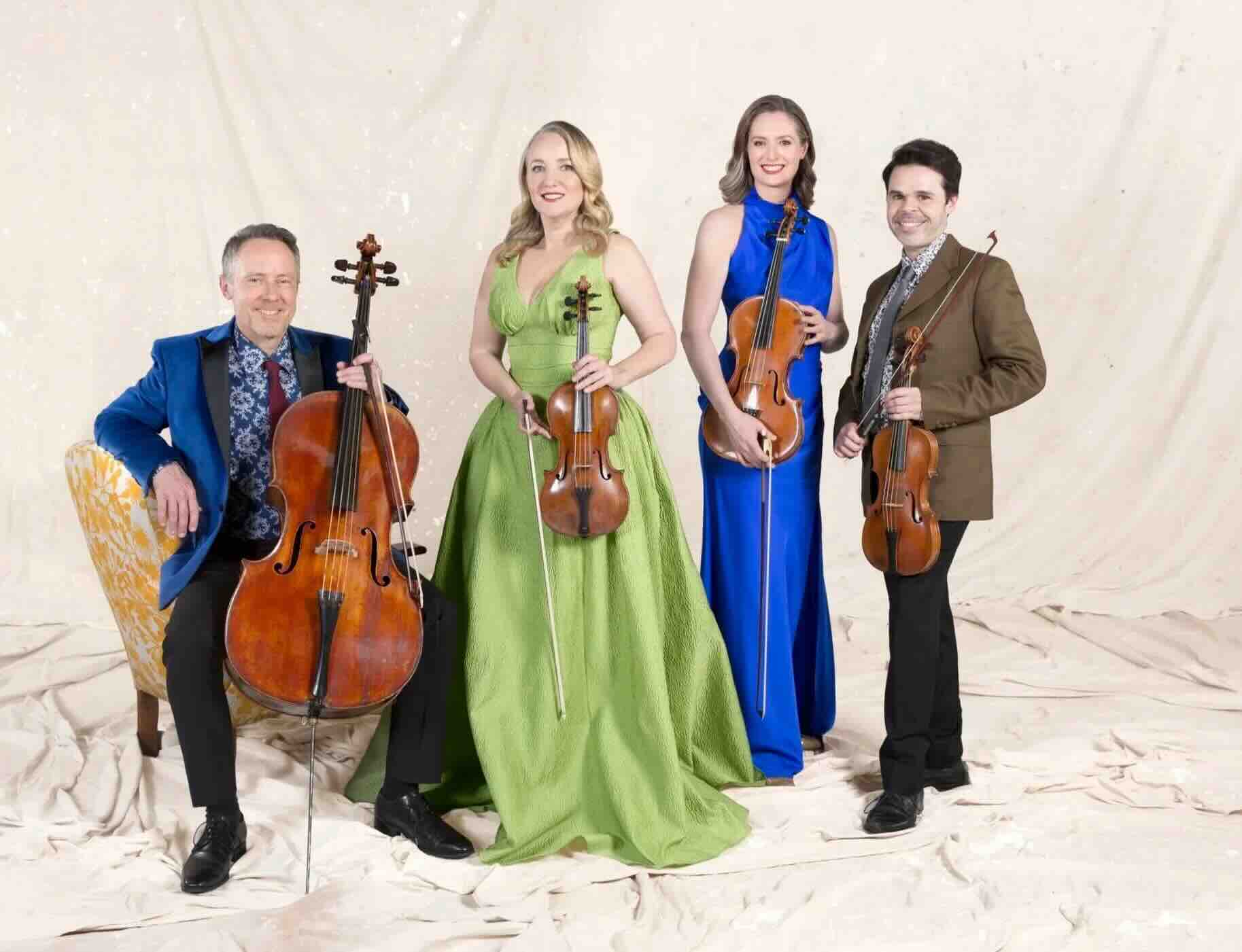
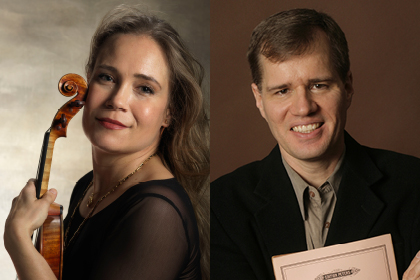
Ensemble Offspring is advertised as Australia’s leading new music group standing at the forefront of musical innovation for 30 years. The concert at Tempo Rubato in Melbourne on May 29 proved the claim. Although the concert featured only a sub-set of the full ensemble, soloists Véronique Serret on violin and Blair Harris on cello showed how a violin and cello can create the richness and power of a string quartet. Presenting a varied program of duets and solos, the event took listeners on a journey that covered a range of human emotions, using dramatic contrasts of light and dark, smooth tonality and daring dissonance, power and delicacy and moody sentiment and intense virtuosity.
The program opened with Synergie, a 2010 duet from Estonian composer Erkki-Sven Tüür. This highly enjoyable work took the audience through an edgy sonic trek that underwent slow, evocative pizzicato sections and long glissandi contrasted by agitated, highly virtuosic flourishes that demanded attention – a dramatic opening to the concert. Song of Ropes composed by Australian composer Kate Moore in 2017 for solo cello used sinuous lines of dance-like energy to meld repeated patterns with drone-like lines, resulting in an entrancing work – one that exhibited remarkable virtuosity from Blair Harris.
Cathy Milliken, also an Australian composer, wrote Crie in 2018. This beautiful but haunting work combined Véronique Serret’s voice with the violin to express the composer’s awareness of women being courageous enough to speak out about untruths or abuses. The extreme example of the Maltese journalist Daphne Caruana Galizia, who was murdered for publishing her research on governmental corruption in Malta, was the inspiration for this piece. Using vowels from the phonetic alphabet rather than words, Crie explores the assemblage of sounds derived from the nuances of the combined expression of violin and voice. Its three movements use a diversity of expressive techniques including rasping scratch-tones, constant tempo changes, slow morose dissonance, and dramatic intensity to immerse listeners into a dark topic. Despite its pessimistic subject matter, this work captivated the audience and was, for me, the concert highlight.
German composer Jörg Widmann’s 2008 duets for violin and cello comprise 24 short works. Three were performed prior to interval and a further three towards the end of the concert. Extraordinary variety was the hallmark of these works, requiring remarkable displays of virtuosic playing to traverse the range of short but captivating musical experiences. These included slowly developing dissonances, highly energetic and constant tempo changes, innovative interplay between the violin and cello and intelligent use of string mutes. Widmann’s music is new to me, but is now a composer whose works I will seek out.
This concert also included Peter Sculthorpe’s 1959 Sonata for Cello Alone, a familiar and endearing work that characteristically conveyed a sense of landscape and distance. Australian composer Holly Harrison’s Ice Giant, composed especially for Véronique Serret, was expertly played, taking the audience through an eclectic tour of different styles and genres. Also included was a duet by Finnish composer Kaija Saariaho titled Aure which translates to air, breath, or breathing – the masterful interplay between the instruments skilfully conveying these attributes to an entranced audience. Finally, the duet performed Iannis Xenakis’s Double Symmetry, a 1951 work that draws on traditional Greek folk dance tunes. In typical Xenakis manner, the dance tunes become subsumed in a torrent of modernist intensity and dissonance, providing a fitting finale for what was a truly exciting and captivating concert experience.