Melbourne Symphony Orchestra | Mozart’s Great Mass
20 September 2025, Melbourne, VIC
Richard Strauss: Träumerei am Kamin No 2 from Four Symphonic Interludes from Intermezzo
Johannes Brahms: Schiksalsied (Song of Destiny) Op. 54
Mozart: Mass in C major
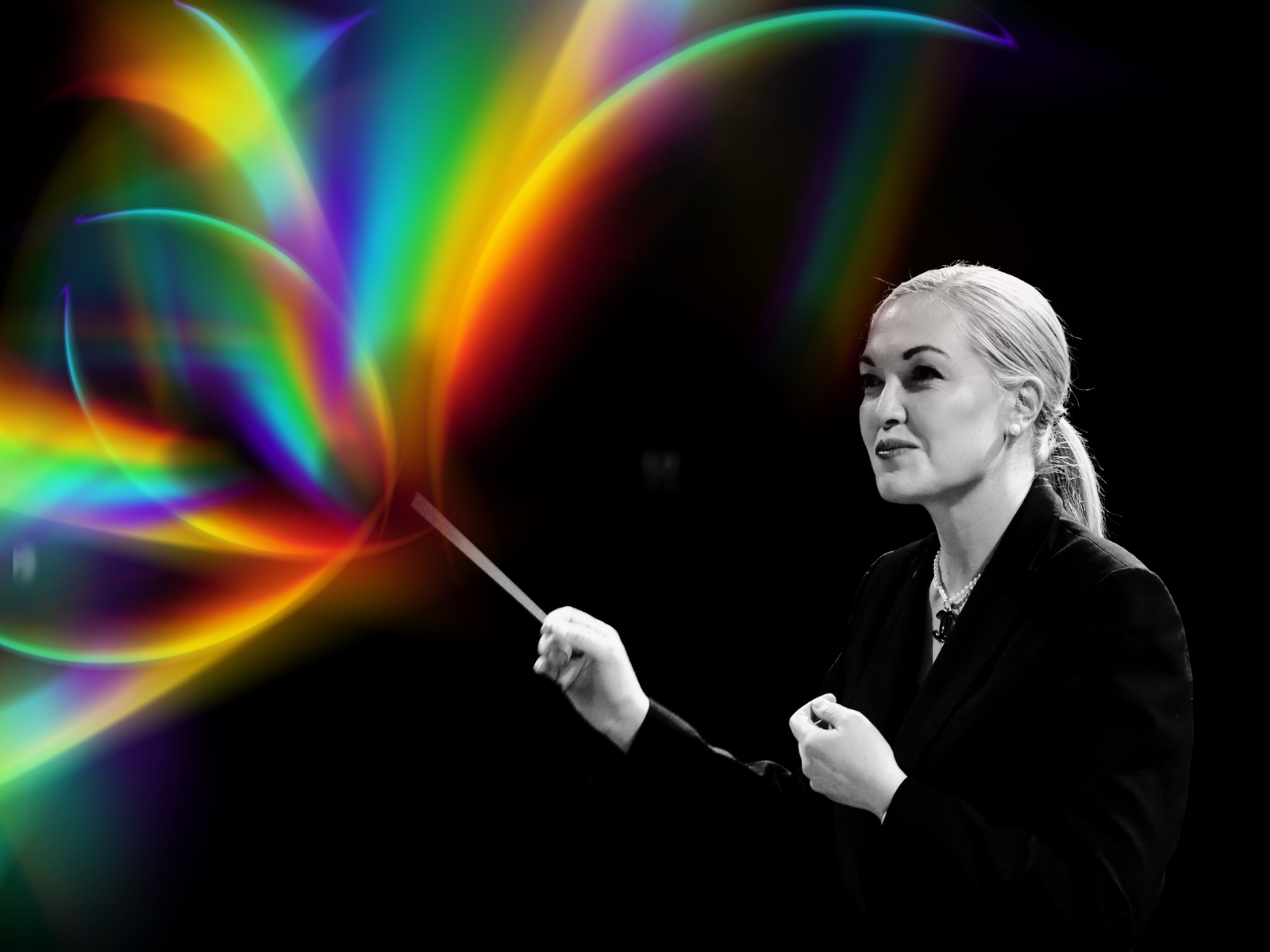
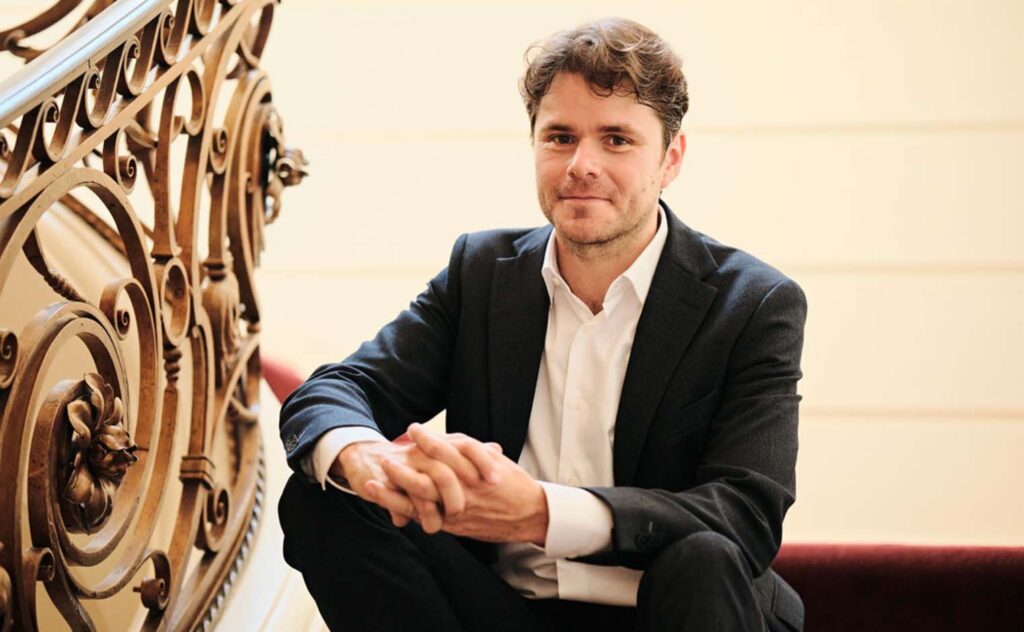
Conductor – Nicholas Carter
Melbourne Symphony Orchestra and Chorus
Siobhan Stagg – soprano
Samantha Clarke – soprano
Matteo Desole – tenor
David Greco – baritone
This unusual programme intrigued me, coupling a religious work with a dream and the doom of destiny. Yet the thread of soul searching is what possibly unifies this programme. From the soul searching of a marriage in repair through to the agonies of falling into the abyss of the unknown we come to the faith embodied in the mass setting. The personal agonies of jealousy with subsequent reconciliation and souls’ restoration are happy events compared to blind descent year after year in Brahms’ setting of Friedrich Hölderlin’s dark words of suffering humanity. Significantly this poem ends with the word “hinab” meaning downward which was not reflected in the translation.
“dwelling in the moment”
Coming from Strauss’s light hearted opera Intermezzo, a romantic comedy, four interludes were put together to form a suite of which we heard the second. This is a fireside reverie and as such we were treated to lush harmonies and tender melodies. Considering this music was written in 1924 and reviewed for the suite in 1933, the music is written conservatively using 19th century stylistic traits of romanticism. This is possibly why these interludes have retained their popularity. True to the title this work seemed to have that delightful sense of going nowhere and simply dwelling in the moment just as one would in a daydream. This was a moment in time to simply enjoy the music and under the skilled baton of Nicholas Carter this was achieved with confidence by the orchestra.
“enabling the orchestra”
The fine programme notes describe the Brahms Schicksalslied as “a short work that rates amongst Brahms’s most nakedly emotional utterances” and this is certainly the case. The contrasts of heaven and fateful doom express heavenly bliss followed by the intensity and drama of the abyss of suffering humanity. Beginning with moments of hushed mystical moments combined with perhaps the early presentiments of doom knocking in the timpani the lush muted warm sounds lulled us into dreams of a heavenly existence. The magical opening with muted strings must be one of the highlights of Brahms’s orchestral writing. The altos’ first entry floated into being contributing beautifully to the opening atmosphere. This sublimity contrasted with later sections around halfway through the work, where the harmonies wrestle with the keys we find ourselves pushed into amidst a backdrop of orchestral activity. Again, the timpani quietly portend doom when the orchestra returns to quieter moments. Although Brahms was initially in a quandary as to how to finish the work, he returns to the orchestral rendition of heavenly bliss in the final moments. Perhaps just as well as the final words of the poem are rather depressing. Brahms wrote to the publisher “Here is the receipt for my heart’s blood”.
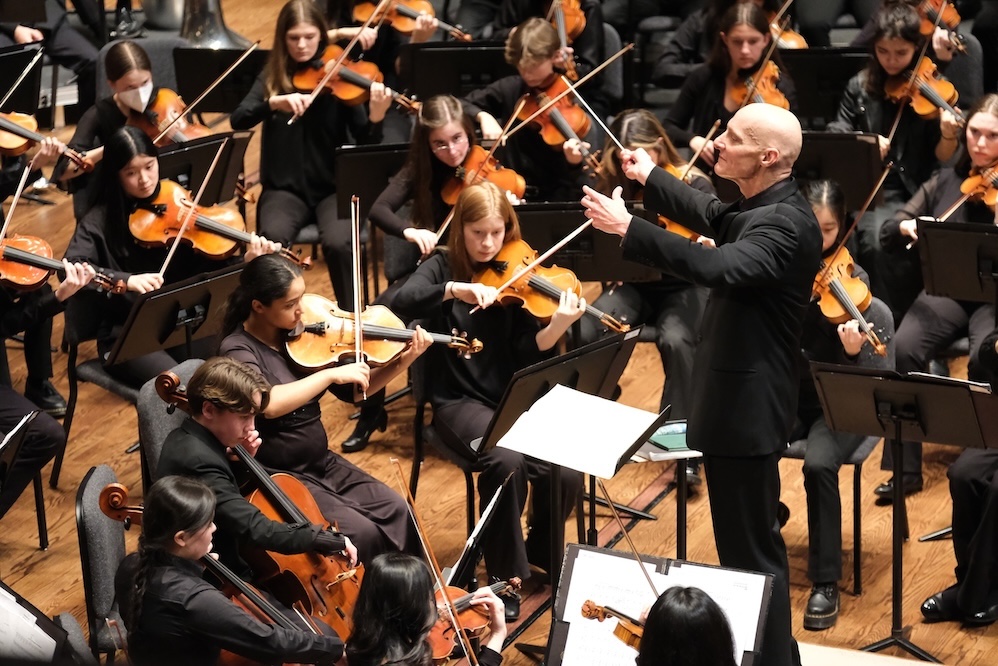
This is a difficult work to come to terms with due to its emotional intensity, and yet the new music director (appointed for 2026/2027) of the Staatsoper Stuttgart held the music in a combination of tight control whilst enabling the orchestra to express the emotional depth of this work. Throughout this concert I was impressed by Carter’s conducting style to which the Melbourne Symphony Orchestra responded with great results as did the choir. The choir was totally integrated with the orchestra singing with excellent ensemble and I was particularly pleased with the warmth of sound from the male choristers who faced the audience. The women were on the sides, sopranos on the left and altos on my right. The altos also deserve special mention for their depth of tone and pleasing sound. Unusually, the double basses were to my left and the cellos also faced us with the second violins on my right and the violas behind them.
“a fine performance”
The long mass setting by Mozart features a choir, four soloists and of course the orchestra. It is an unfinished work and attempts to finish sections have been completed using Mozart’s sketches and other works as clues. Nevertheless, as a church musician, I was a bit unnerved by the absence of a final Agnus Dei. In the programme notes a note with the words of the Agnus Dei stated that this was a movement completely missing from Mozart’s manuscript. All quibbling aside this was a fine performance with plenty of variety in the sung parts. We had one soloist, two soloists, three soloists, the chorus, a double chorus section and even at one stage all four soloists singing a quartet. This broke up the length of this work and kept up the interest especially as the long Credo text was set to music as well. In the middle of the credo the variety continued with an incredibly (!) delightful woodwind accompaniment to the soprano and especially notable was the bassoon’s light handling of this section which could have so easily been too heavy in the bass. An elaborate cadenza for the woodwinds was a delightful end to the credo which left out the final “et in carnatus est”. I was also especially taken by Stagg’s control and delivery in this section and throughout the concert. There were many beautiful moments too numerous to mention here although mention must be made of the double fugue and chorus of the Sanctus this being particularly fine and impressive in its controlled complexity.
This was a fine performance. Under Carter’s expressive baton I felt the MSO responded completely and precisely. In addition, under his leadership, the chorus were fully integrated with the orchestra. The programme notes gave much useful information and were well written by three contributors thus improving our appreciation of this performance and music.