Orix Duo | Europe from East to West
September 25, 2025, St Johns Camberwell, VIC
The Occasion
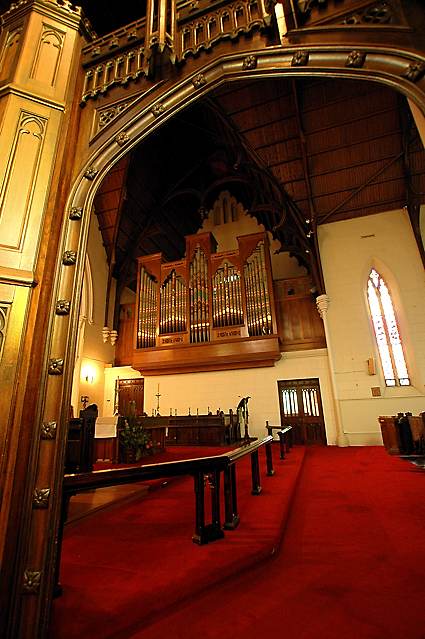
Hot on the heels of International Peace Day, the Jewish New Year, and a high-profile UN General Assembly meeting came Europe from East to West with the Orix Duo — a captivating musical journey across the continent. Held at St John’s Anglican Church, Camberwell, the concert drew a respectable audience despite coinciding with school holidays and the AFL Grand Final weekend.
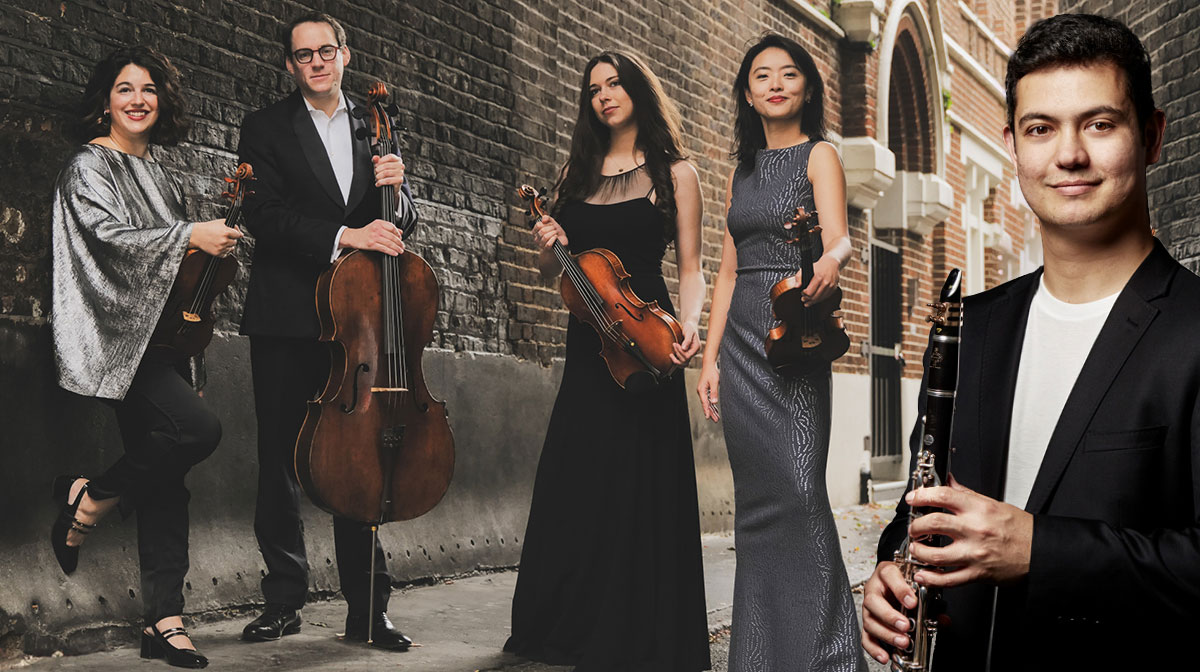
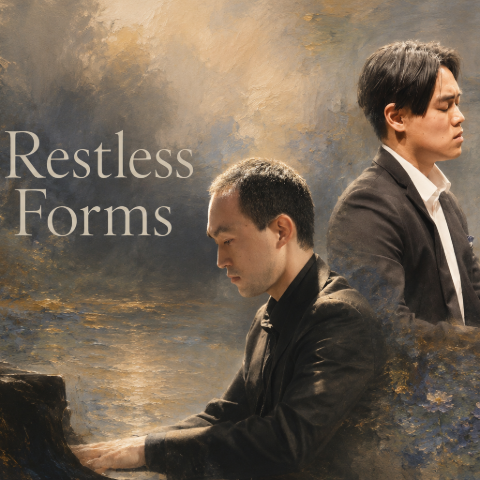
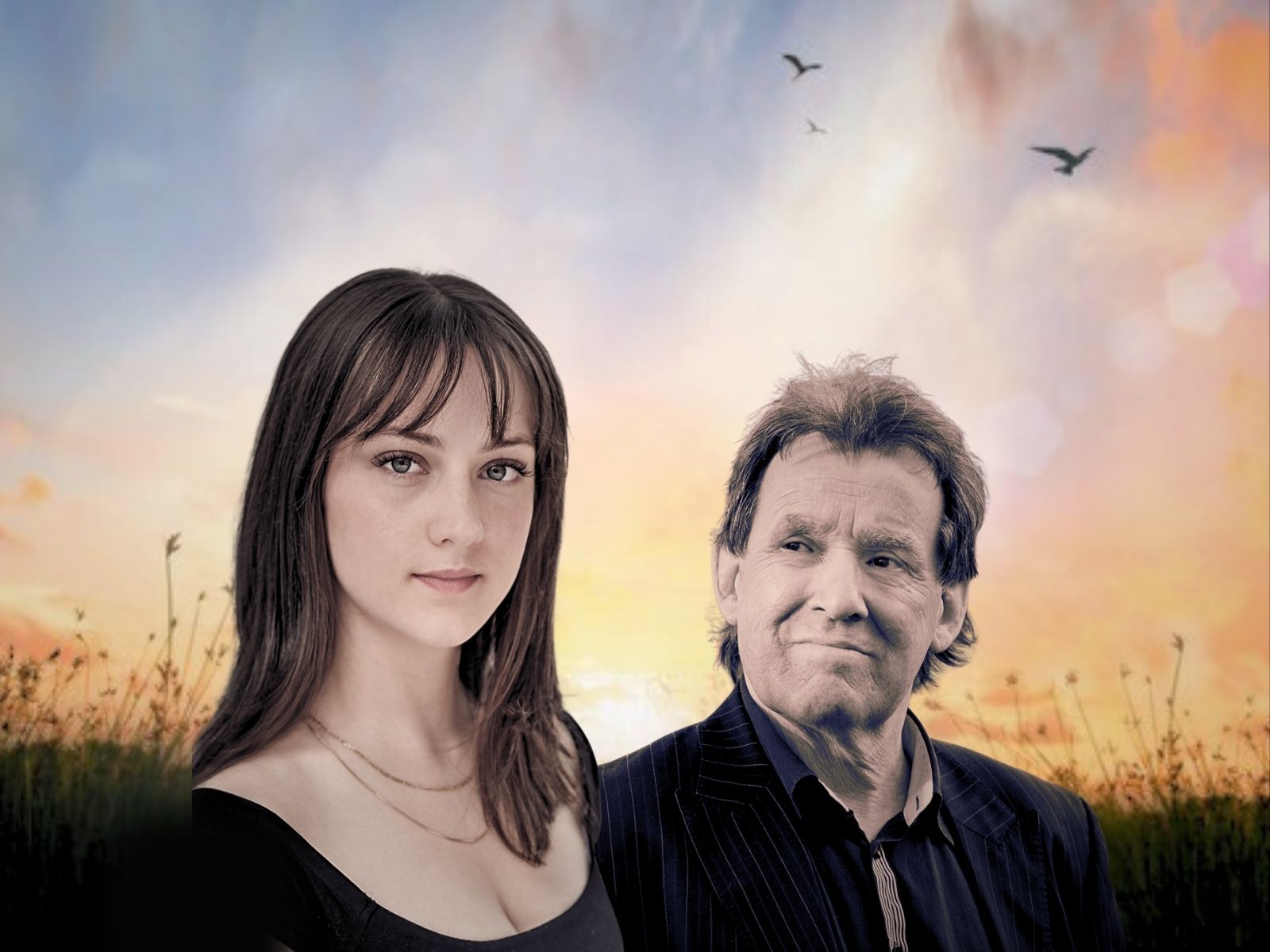
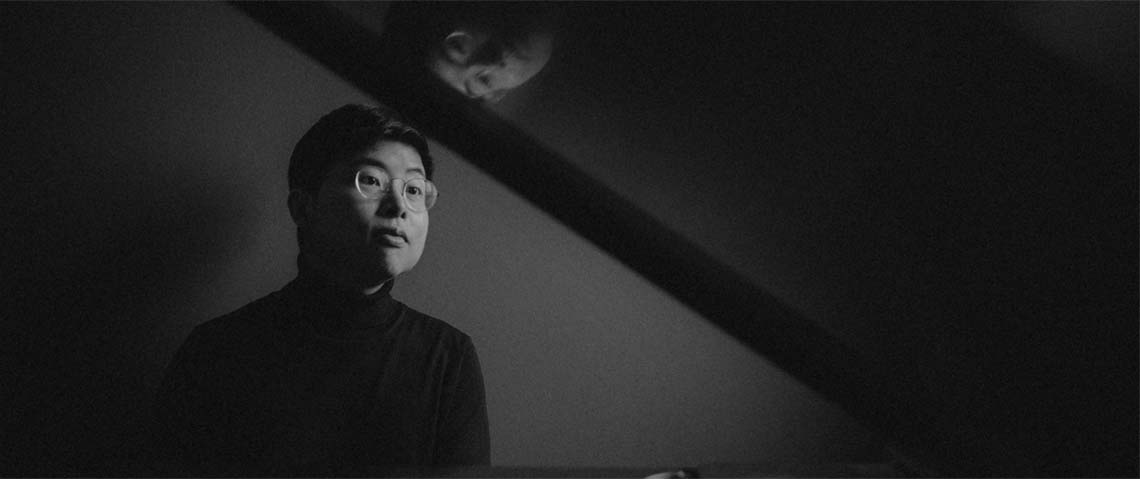
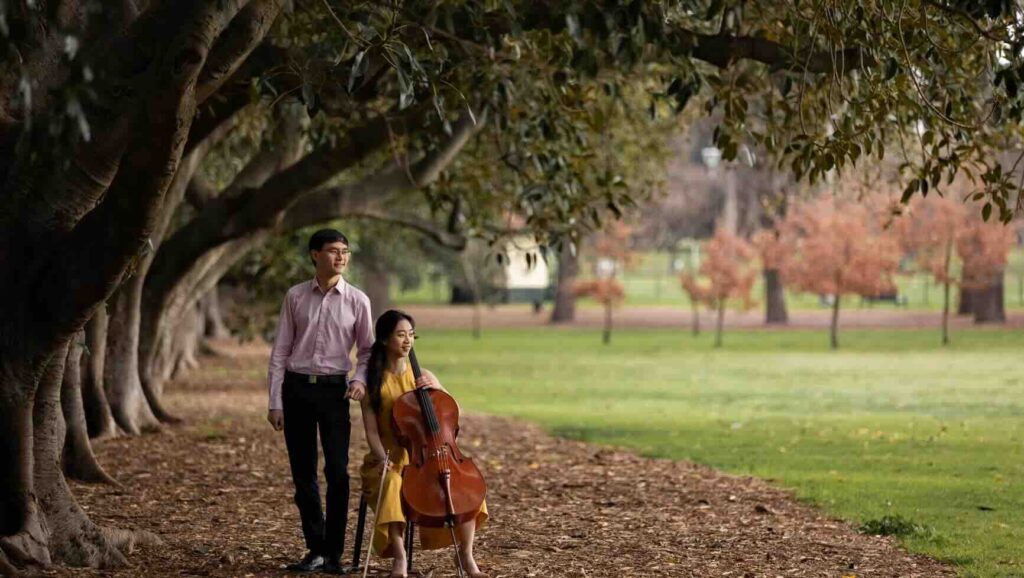
The evening featured the artistry of Ye Jin Choi (cello) and Kevin Suherman (piano), performing a program of:
- Prokofiev – Sonata for Cello and Piano, Op. 119
- Tsintsadze – Five Pieces on Folk Themes
- Poulenc – Sonata for Cello and Piano, FP 14
- Poulenc – Les Chemins de l’Amour (arr. cello and piano)
The Venue
Atmosphere matters, and St John’s provided more than a backdrop — it offered warmth, literally and figuratively. After a recent icy evening at St Paul’s Cathedral, this was a welcome relief. In a space where wooden pews can test one’s patience, the simple comfort of heat transformed the audience’s receptiveness.
The demographic was a mix of older, as is increasingly the case in classical music, and student aged but the sense of community was palpable. For me personally, returning to Camberwell stirred nostalgia: the Tivoli, the Golden Bowl, and nights at the cinema five decades ago — a suburb that has since blossomed and modernised, mirroring the evolving classical landscape.
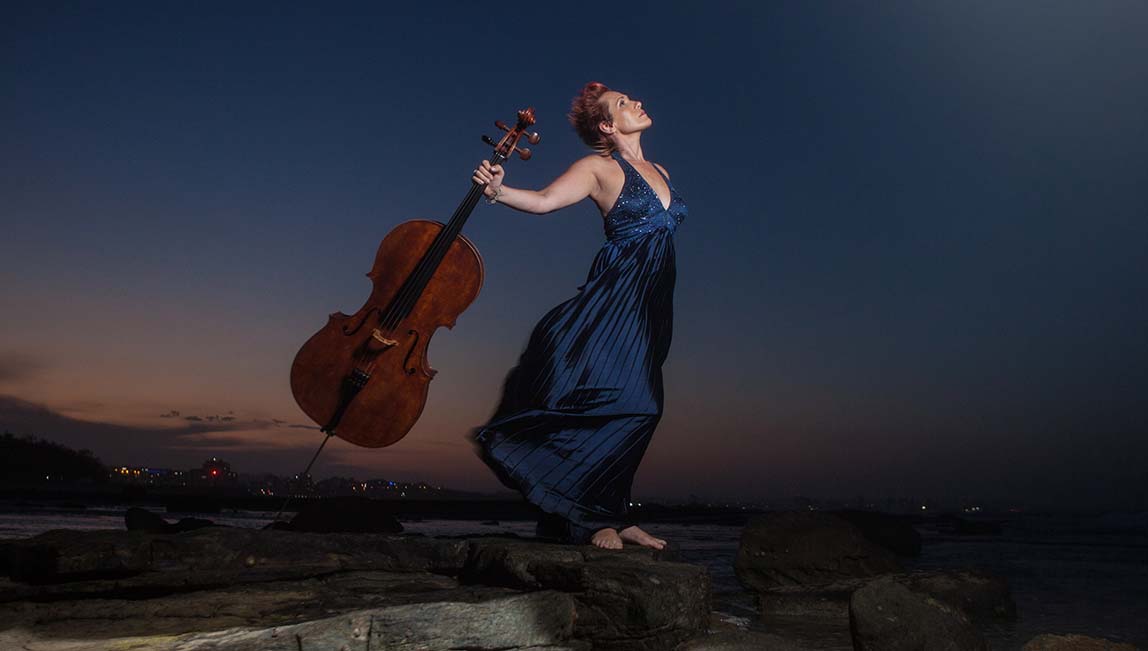
Cello: The Pinnacle of Expression
The cello has long been the voice of the soul among strings — noble, mellifluous and endlessly expressive. Its lineage spans:
- Bach’s peerless Solo Suites of the Baroque era
- Elgar’s Cello Concerto, steeped in emotional depth
- David Wilde’s Sarajevo, a modern cry of fragility and remembrance, immortalised by Yo-Yo Ma
It was fitting, then, that the cello stood at the heart of this recital, carrying the evening’s narrative with beauty and conviction.
Featured Composers
Prokofiev (1891–1953)
A giant of 20th-century Russia, Prokofiev fused modernist daring with neoclassical clarity. Less radical than Stravinsky, he remained deeply Russian, weaving accessibility into innovation.
Francis Poulenc (1899–1963)
Member of Les Six, Poulenc was a composer of wit, elegance, and charm. His works balance playful lyricism with profound spirituality, from piano miniatures to monumental sacred works like the Gloria and Stabat Mater.
Sulkhan Tsintsadze (1925–1991)
The Georgian composer and cellist married Western forms with Georgian folk traditions. His Five Pieces on Folk Themesburst with rhythmic vitality, modal colour, and folkloric spirit — a bridge between local heritage and the concert stage.
Post-Show Reflections
The Orix Duo’s performance was not simply a recital — it was a voyage. From the athletic demands of Prokofiev’s sonata to the lyrical fire of Tsintsadze’s folk pieces and the impressionistic delights of Poulenc, the evening traversed history, geography and emotion.
Prokofiev’s Sonata shimmered with invention — as if juggling an egg, a ball and a hammer in a telephone box, the composer kept myriad ideas aloft with dazzling ingenuity. The Duo matched this complexity with confidence and poise.
Tsintsadze’s Five Pieces scorched the soul. The first and fourth were transcendent in lyrical beauty, while the third and fifth evoked the atmosphere of a Ukrainian shtetl, not far from the world of Fiddler on the Roof.
Poulenc’s Sonata closed the program with lightness and verve — a joyful, crowd-pleasing finale that lingered in the heart.
In short: the cello spoke tonight as the instrument of humanity itself.
Coda
A final thought on programming: in today’s multicultural world, where dazzling performers increasingly hail from Asia, it feels overdue to see more works by pre-eminent Japanese and Chinese composers featured alongside the European canon. With a South Korean cellist and an Indonesian pianist at the helm, the Orix Duo could have illuminated us with a piece from their own cultural roots. Too often, European repertoire dominates; it is time to broaden horizons.
That said, the setting, the performance, and the artistry of the evening deserve one word: bravo.