Salut! Baroque | Concord of Sweet Sounds
February 1, 2026, Customs House, Sydney, NSW
Musicians:
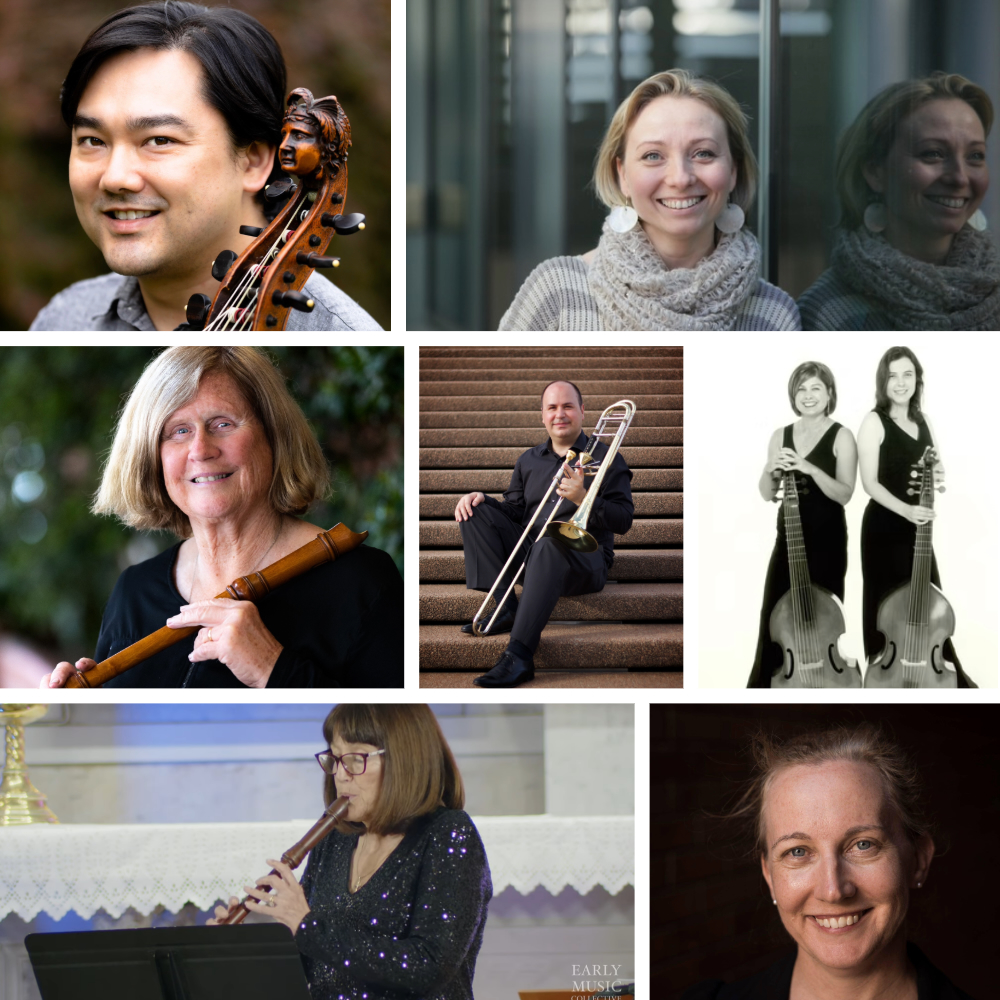
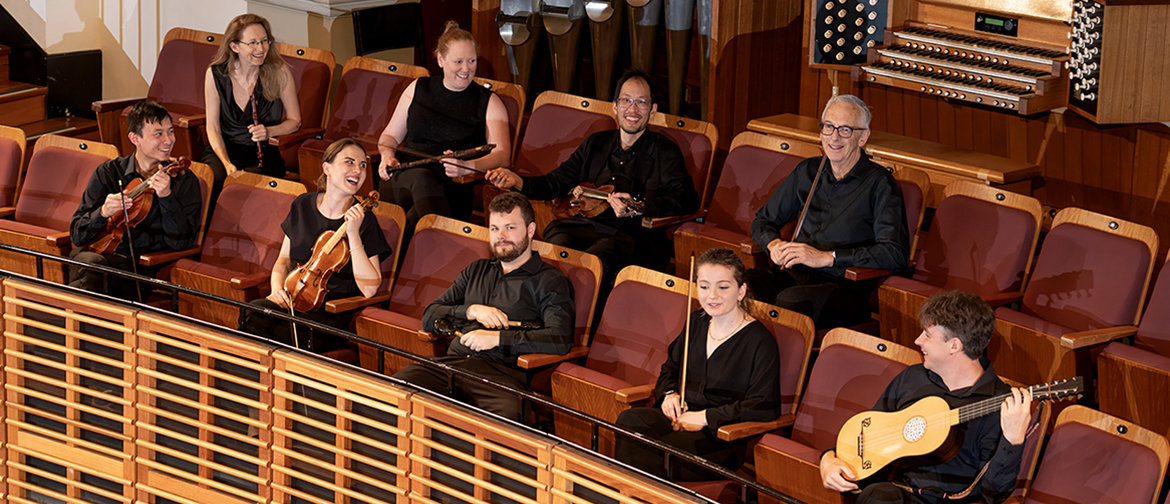
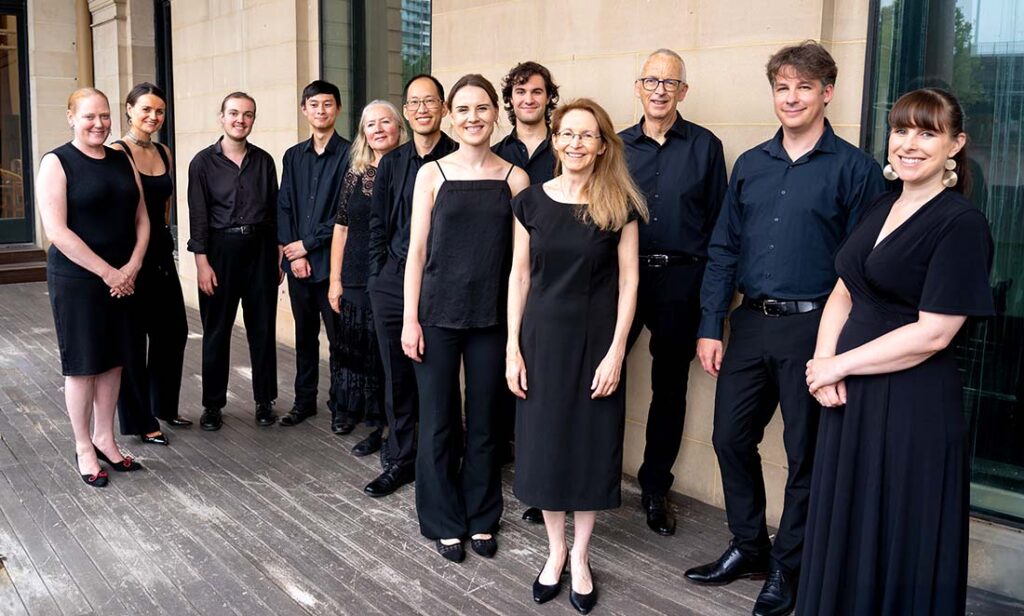
Anna Stegmann, Sally Melhuish, Alana Blackburn, Alicia Crossley – Recorders
John Ma, Sarah Papadopoulos, Jared Adams – Baroque Violin
Brad Tham – Baroque Viola; Tim Blomfield – Bass Violin, Cello Piccolo; Jude Hill – Baroque Double Bass
George Wills – Theorbo, Baroque Guitar
Monika Kornel – Harpsichord
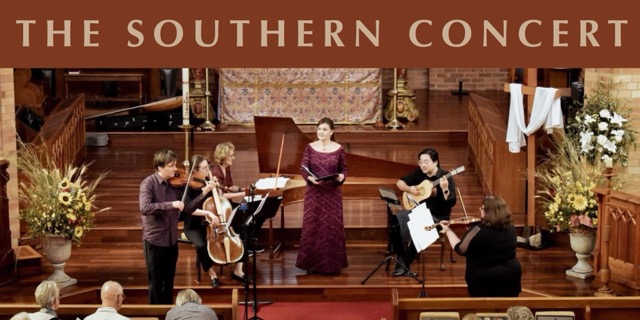
The Barnet Long Room at Customs House is easily reached from Circular Quay and, thankfully on a sultry Sydney afternoon, beautifully air-conditioned. It proved an ideal setting for Salut! Baroque’s Concord of Sweet Sounds, a concert that made me write two words in my notebook – ‘joy’ and ‘virtuosity’.
The program took its cue from Shakespeare’s famous warning that those unmoved by the “concord of sweet sounds” should not be trusted, and what followed was a persuasive and entertaining argument in music.
The concert opened simply and sweetly with a rare treat from the 16th Century composer Christopher Tye, four of Australia’s leading recorder players weaving gentle harmonies over a cello piccolo line. The short opening work set the Shakespearean tone from the start. From there, Telemann’s Ouverture-Suite in D minor expanded the palette. Call-and-response exchanges between recorders and strings were crisply articulated, while the third movement cleverly shifted between smaller wind-and-string groupings and full ensemble variations. The Hornpipe movement sparkled, but it was the final Canaries, a fast, rhythmically charged dance, that really let the recorders loose, rollicking their way to an exuberant close.
Giuseppe Valentini’s Concerto in A minor shifted the focus entirely to the strings and harpsichord. Beginning with just four strings in the Largo, the work gradually bloomed into the full ensemble before returning to its spare opening texture. The Allegro assai had more than a hint of Vivaldi about it, and the playing throughout was tight, stylish and assured – particularly pleasing given the number of younger HIP performers in the ensemble.
Cristoforo Caresana’s La Tarantella brought the first full grin of the afternoon. Anchored by a plucked double bass and baroque guitar continuo, the rhythm stayed rock-solid while duets and trios danced freely above it. Funky, familiar and infectious, a masterclass in groove long before the word existed.
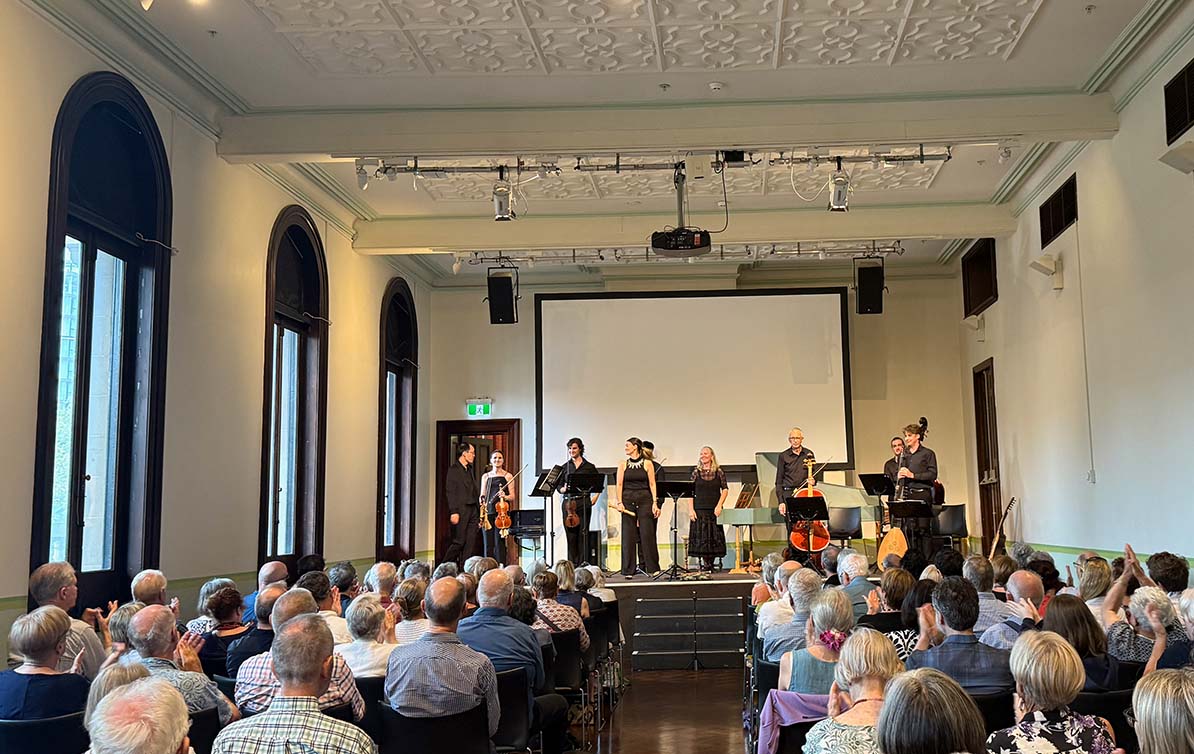
Johann David Heinichen’s Concerto à 8 was different again, dramatic and full of contrast. The Pastorell movement began with a bagpipe-like drone in the strings, creating a folksy, slightly cheeky atmosphere, while the faster movements bristled with sass, especially in the recorder writing, which was fearless and full of character just like the playing.
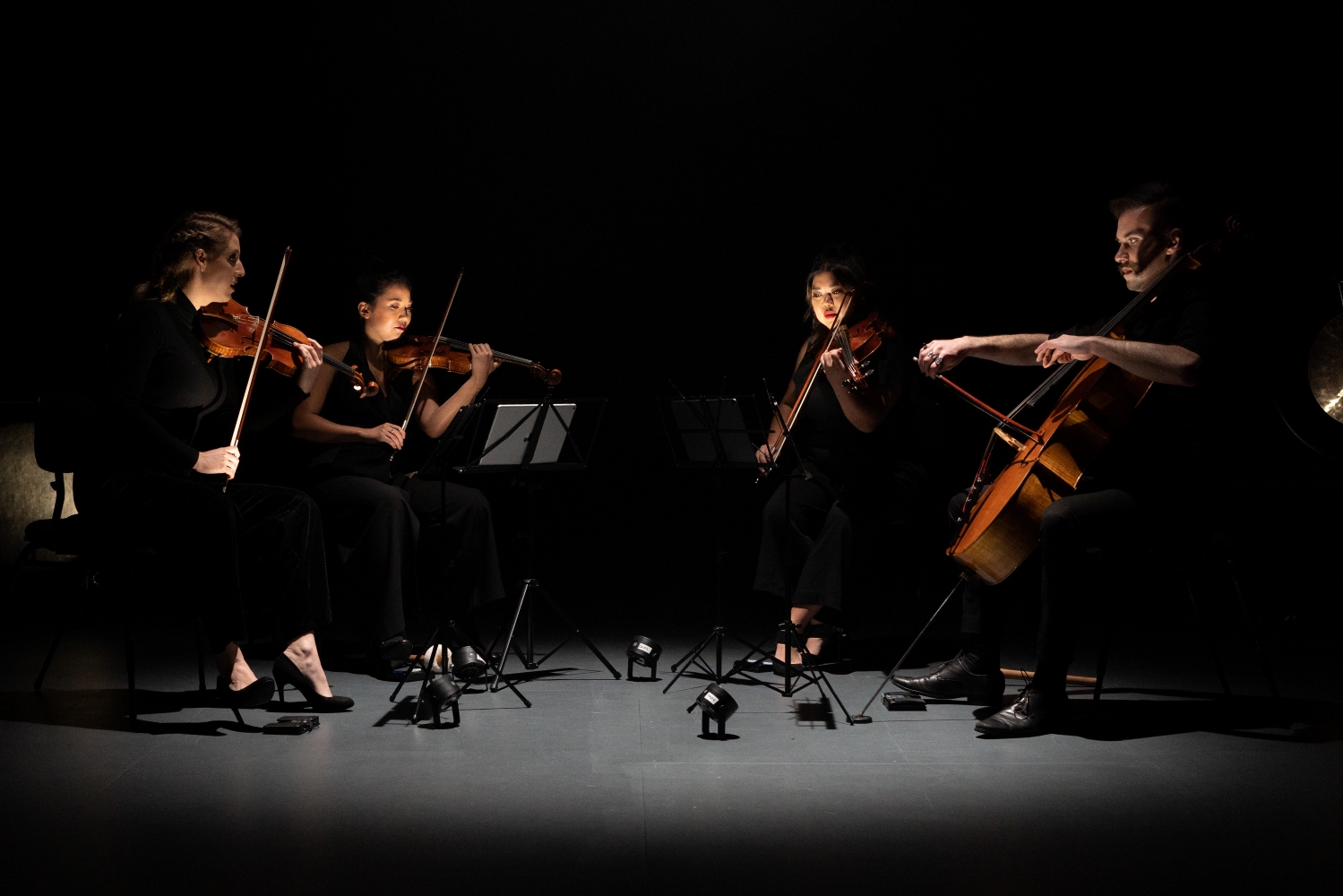
Telemann returned with the Concerto in D major for four violins. As I learned from the excellent program notes provided, “the opening Adagio, homophonic and organ-like, gave way to lively fugal writing and a beautifully poised B-minor sarabande”. Telemann takes evident care to rotate interest between solo lines, inner voices and continuo, and the ensemble responded with visible enjoyment and super sharp ensemble awareness.
Greensleeves, in a lovey set of variations for four recorders, proved a highlight. Built over a repeating harmonic baseline, the piece demonstrated the Baroque fascination with variation form, while the program notes neatly connected the tune to Shakespeare’s own writings. One audience member near me was so taken by the performance that an involuntary ‘wow’ escaped into the room!
The Anonymous Chacona from Flores de Música (c1706–09) delivered pure theatre. Recorder virtuoso Anna Stegmann beamed throughout, clearly relishing the unfolding drama, before violist Brad Tham, ably partnered by George Wills on guitar, strode to the front for a strummed, flamenco-inflected ending flourish that brought the house down.
The final work, Nicola Fiorenza’s Concerto in F minor, returned Stegmann to centre stage. Her recorder playing here was flute-like and deeply expressive, surrounded by lush string textures that leaned warmly into their harmonies. Fiorenza’s eccentric structures and the melancholy weight of F minor, described by Mattheson as “mild and relaxed, yet heavy and profound”, brought the program to a thoughtful close.
After a performance like this, it is hard ever to think of the recorder as that plastic classroom instrument again. In Salut! Baroque’s hands, these instruments sparkle, sing and shine, entertaining the Princes of the past, and thoroughly delighting a modern Sydney audience.