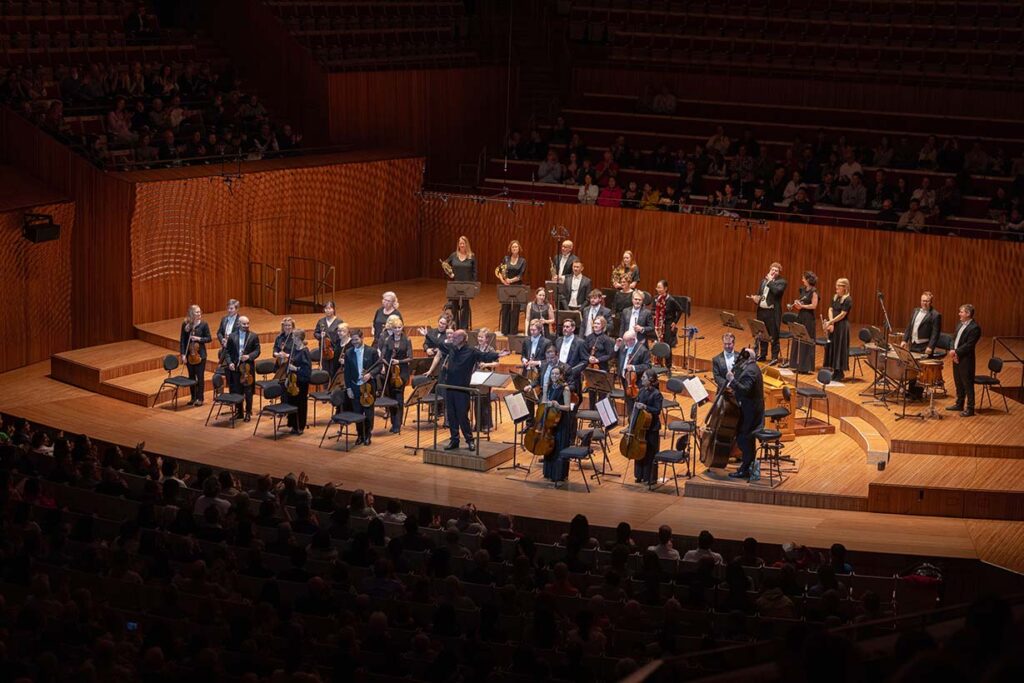
Sydney Symphony Orchestra: Stephen Layton conducts Bach Mozart & Handel
21 August 2025, Concert Hall, Sydney Opera House, NSW
PROGRAM:
JS BACH Jauchzet Gott in allen Landen, BWV51
MOZART Exsultate, jubilate
HANDEL Music for the Royal Fireworks
ARTISTS:
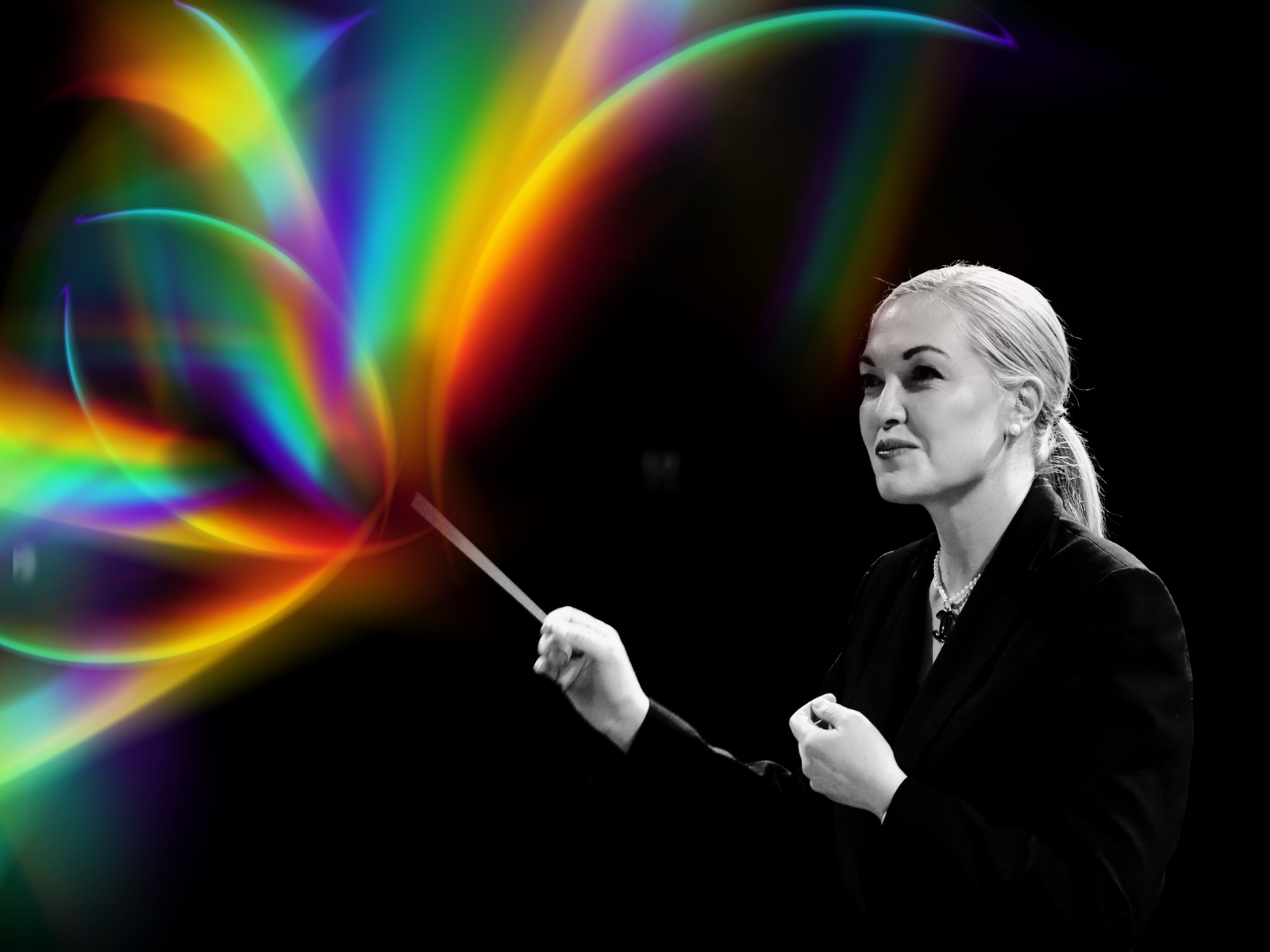
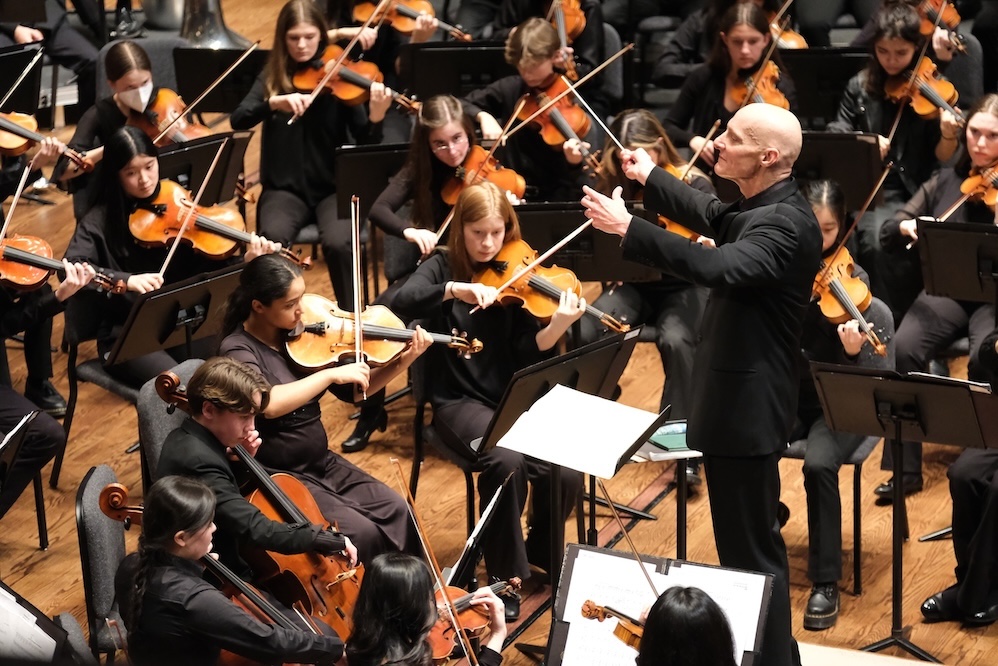
STEPHEN LAYTON conductor
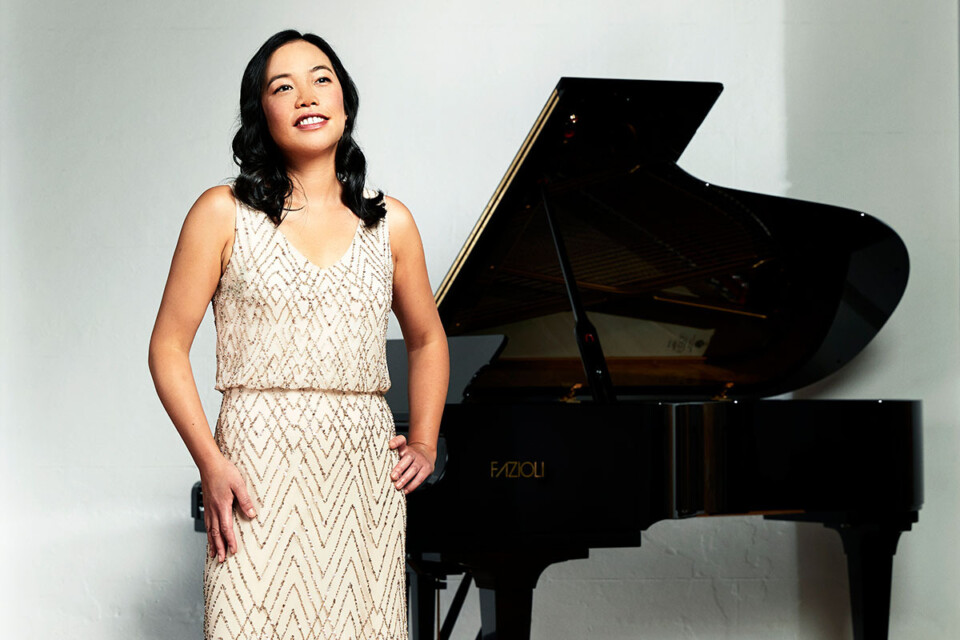
SARA MACLIVER soprano
What is not to like about a program of unrelentingly cheerful music? The world-renowned choral conductor, Stephen Layton, who specialises in baroque music, led just such a program.
Bach marked his Cantata 51 “per ogni tempo” (for any time). Most of his other cantatas are linked to particular days in the church calendar, but this work can be performed at any time of the year.
Jauchzet Gott in allen Landen (Shout for Joy to God in all the Lands) is in a way more like a concerto for solo voice and trumpet. It is highly virtuosic. One has to feel for Sara Macliver, who has to walk onto the stage and sing one of the most difficult of baroque coloratura arias in a concert hall that is far larger than Bach would ever have imagined.
The trumpet player does not have the same projection issue but has an equally dangerous role, playing ornate music at the top end of the range. The modern valve trumpet is a much louder and brighter beast than its baroque equivalent. Brent Grapes did much to moderate his volume when playing at the same time as the singer; however there was still a balance problem, particularly in Macliver’s lower range. Understandably, Macliver prioritised evenness of tone in this florid music over other considerations.
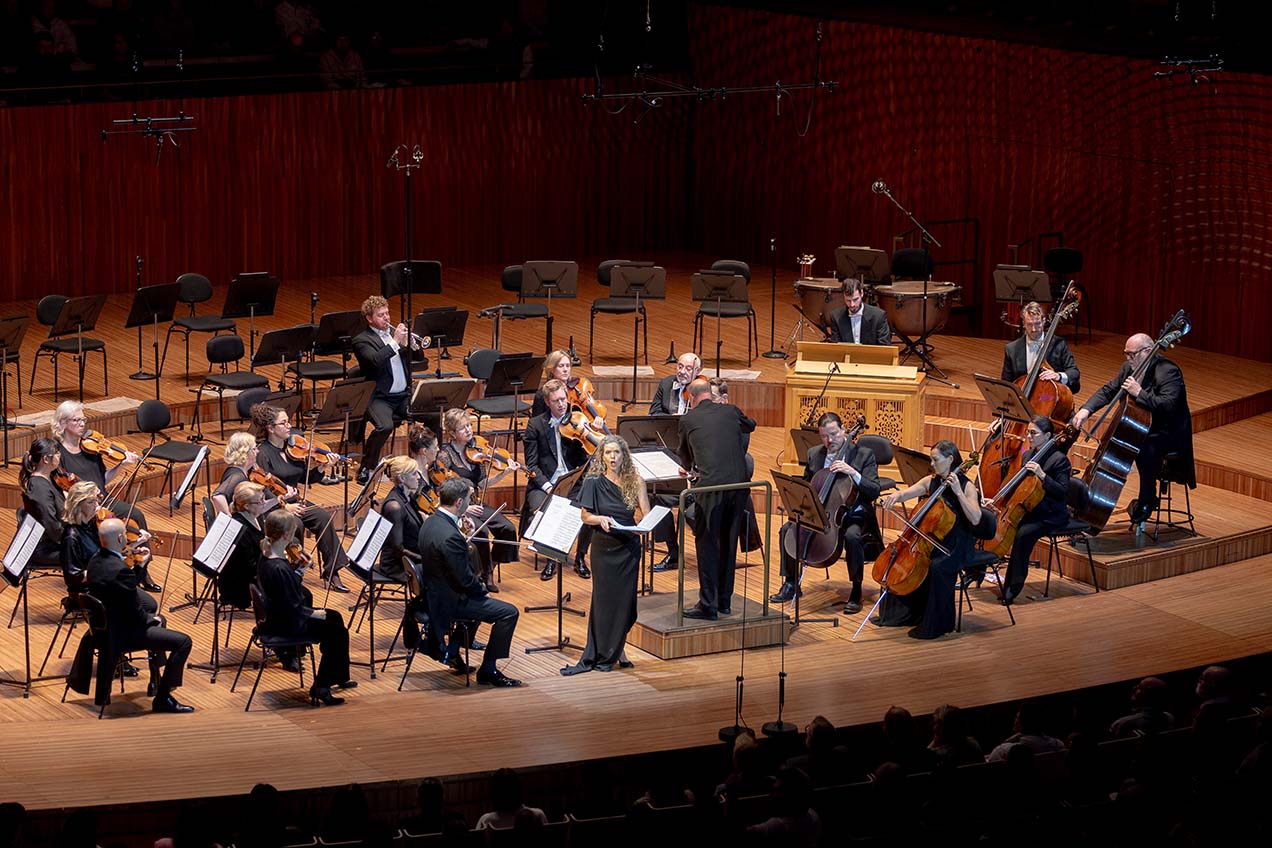
The culmination is the final chorale, where the voice sings Martin Luther’s simple hymn tune as a cantus firmus over a complex accompaniment for solo violins and continuo. There were thrilling moments in the final Hallelujah where the trumpet rejoins the melismatic voice, returning to the virtuosity of the first movement. A dazzling finish.
Mozart’s Exultate, jubilate (Rejoice, Shout for Joy) is the classical pigeon pair with Bach’s cantata 51. Both are virtuosic operatic-style works in a sacred context, although Mozart’s work is more of a showpiece. He wrote this accomplished and polished work for the castrato Venanzio Rauzzini when he was only 17. These days it is mainly sung by coloratura sopranos. Castration seems to have gone out of fashion. Macliver felt completely at home in Mozart’s famous work and gave a lively and fresh performance, full of self-assurance. She maintained a strong legato line and the brilliance of her voice was only rivalled by the visually dazzling sparkles of her newly donned gown. A premonition of the fireworks.
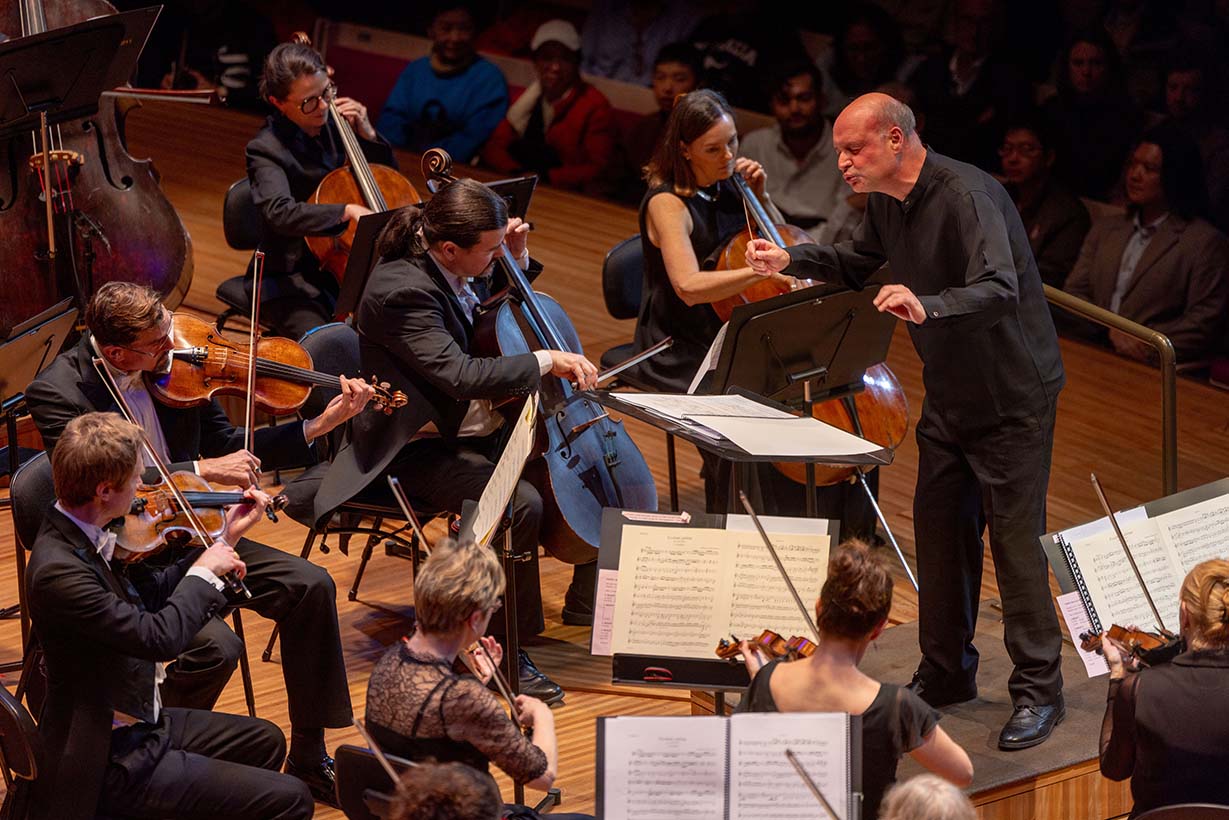
Handel’s “Fireworks” was ceremonial music originally written for an outdoor audience of thousands. It was scored for a huge wind and percussion band consisting of 24 oboes, 12 bassoons, contrabassoon, 9 trumpets, 9 horns, side drums, timpani, and a serpent; very military in character. Handel rescored it later for the more modest ensemble we heard tonight, this time including strings. Layton brought out all the pomp, power, and grandeur that Handel intended for the work. Again with modern instruments the sound is probably much brighter than what the original audience would have heard, but I suspect Handel would have approved. While the work is less refined and intricate than his operas and oratorios, it does have a few interesting musical moments, like the slotting of a faster fugue in the middle of the Overture. And of course it is relentlessly positive and joyful.
This program was clearly conceived as a way of bringing together the most jubilant music that the 18th century had to offer. It could not help but please the audience.
Photo Credit: Sydney Symphony Orchestra