Selby And Friends | This Mirror Has Three Faces
May 13, 2025, Melbourne Recital Centre, VIC
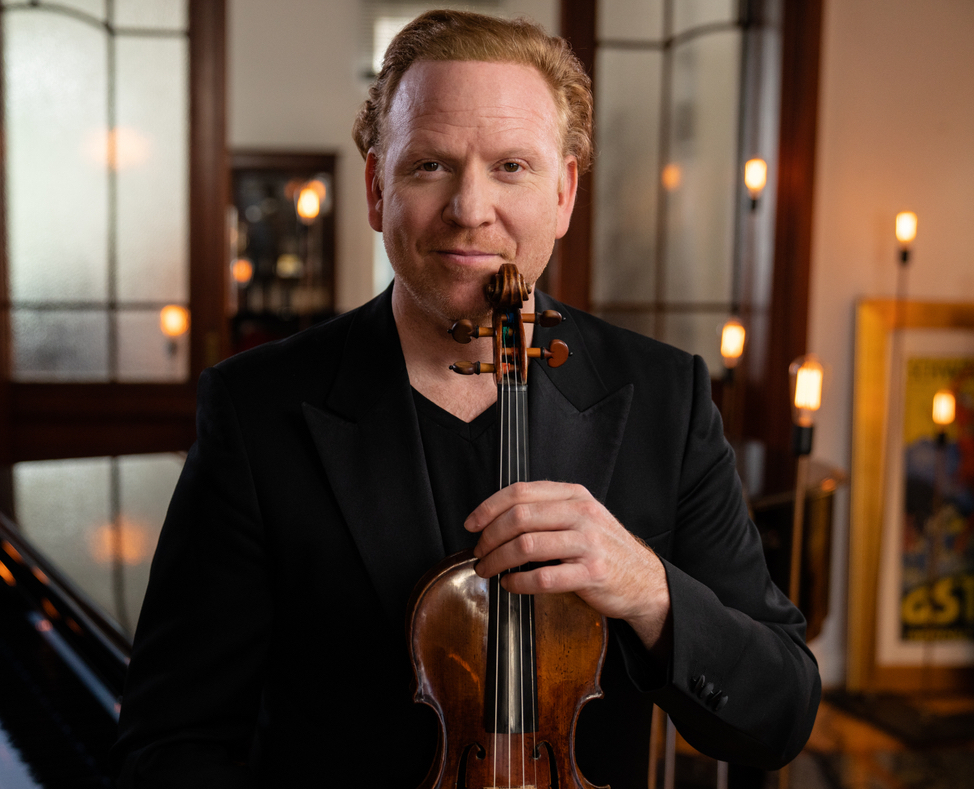
Kristian Winther – violin
Clancy Newman – cello
Kathryn Selby – piano
Lera Auerbach (1973 – ) Piano Trio No. 2 ‘Triptych – This Mirror Has Three Faces’ (2011)
Robert Schumann (1810 – 1856) Piano Trio No. 3 in G minor, Op.110 (1851)
Bedřich Smetana (1824 – 1884) Piano Trio in G minor, Op. 15 (1855)
“Melbourne, a home where chamber music is much loved”
Every time I attend a Selby and Friends concert, I look forward to seeing and hearing more of her friends as well as being confident that I will hear a group of brilliant musicians. I also admire the sheer amount of note learning that goes on with Selby’s gruelling schedule. Having played a few piano trios and quartets, I know how much there is to learn. This time I experienced two new performers to me (Winther’s first time with Selby and Friends) who produced totally different string sounds to others I have heard. This is one of the exciting aspects of hearing live music and even different musicians playing the same piece in other performances. Before starting, Clancy Newman introduced us to some background to the Auerbach trio and mentioning that he’d asked for this work to be included for many years. Having worked with the composer and been to her house with it’s strange, weird and grotesque objets d’art, he was able to set the scene for this work and her entirely different artistic outlook. The stories of the skeleton underneath the piano and the cat nailed to the wall (I’m not sure if this was a real skeleton or cat) were an excellent and entertaining introduction as to what to expect from her music. Auerbach was quoted as saying “there is always something wrong with my music” and this can be interpreted as expect the unexpected. In any event, I found the Auerbach a fascinating piece of chamber music with a sound that seemed so much larger than three instruments. The work was played without a break between the movements although the change of movements was easily detectable. While perhaps not to everyone’s taste the audience certainly seemed to like and appreciate this work judging from the applause.
“strange, weird and grotesque”
The startling loud opening piano chords full of dissonances gave way to the cellist playing high in thumb position with a slow melodic fragment. A repeated note ostinato in the piano accompanied much of the first movement’s string work. The strings used so-called extended techniques throughout this work with much sliding on the fingerboard and bowing near and almost on the bridge. This seemed to me always to be musically appropriate rather than merely using techniques for the sake of being avant garde.
The third movement of this five-movement work, with its grotesque wild waltz redolent of cabaret gone wrong, was an exciting journey throughout with exuberant elation contrasting with sobbing grief and everything between. The last movement was notable for its string dialogues and dovetailing. Frequently one note of the violin would be inserted between the cello’s theme (and vice versa) or be a part of the theme producing a fascinating unfolding of the music. To my mind I thought I heard a few classical references notably Saint Saens’ “The Swan” gone wrong. There were intricate pizzicato duos giving rise to intricate rhythms and textures. At one point the cello synchronised with the piano chords with emphatic slap pizzicatos. I was enthralled and totally engaged by this work which was new to me and would love to hear it again.
“true romantic tradition”
Schumann’s last piano trio is a surging maelstrom of emotion requiring integration of all three instruments. There are typical qualities of warmth in amidst restlessness and passionate wildness. Opening with restless rippling arpeggios in the piano this same restlessness is communicated with the strings’ themes first in the violin and then transferred to the cello. The themes themselves are open-ended seemingly going nowhere adding to the opening’s atmosphere.
The idyllic and warm second movement was a moment captured beautifully by this ensemble. As often is the case a middle section of more action contrasts with the calm of the outer sections thus emphasising the calm in true romantic tradition.
The scherzo, marked Rasch, is full of cross rhythms both subtle and obvious, a signature Schumann stylistic trait. These were delivered with enthusiasm yet balance. The final movement was strong and fast (as marked), yet with rhapsodic moments. The final moments culminated in strings playing a rousing theme octaves apart joined by the piano to produce a passionate end to this work. This is in some people’s opinion the best of Schumann’s three trios.
The Smetana trio written as a response to the death of his talented eldest daughter, begins with a strong violin solo mostly down low on the G string (marked “sul G”). The piano joins in with accompanying motifs played decrescendo with Selby’s wonderful balance of tone and sound. Extensive use of piano rapid octaves and large chords under Selby’s hands were never a problem. A beautiful introspective cello solo is taken up by the violin and then broadened out to a passionate rendering in all instruments. This dark and moody trio takes the audience through a range of emotions all rhapsodically produced by this trio. The end of the first movement exhibits rash uninhibited emotion in the accelerando towards the final bars with emphatic string bow re-takes. There was no slow movement marked in this work, but the middle movement does have many moments of calm albeit with a broken up two-note motif perhaps reflecting the grief for a daughter Bedřiška of scarlet fever. Sections in the score are marked Andante. A wide range of sound was heard in this work making this trio sound almost orchestral. The final moments of the last movement were definitely so with an almost triumphant sound. This was the best performance I have heard of the Smetana trio.
“played as one with unanimity of musical vision”
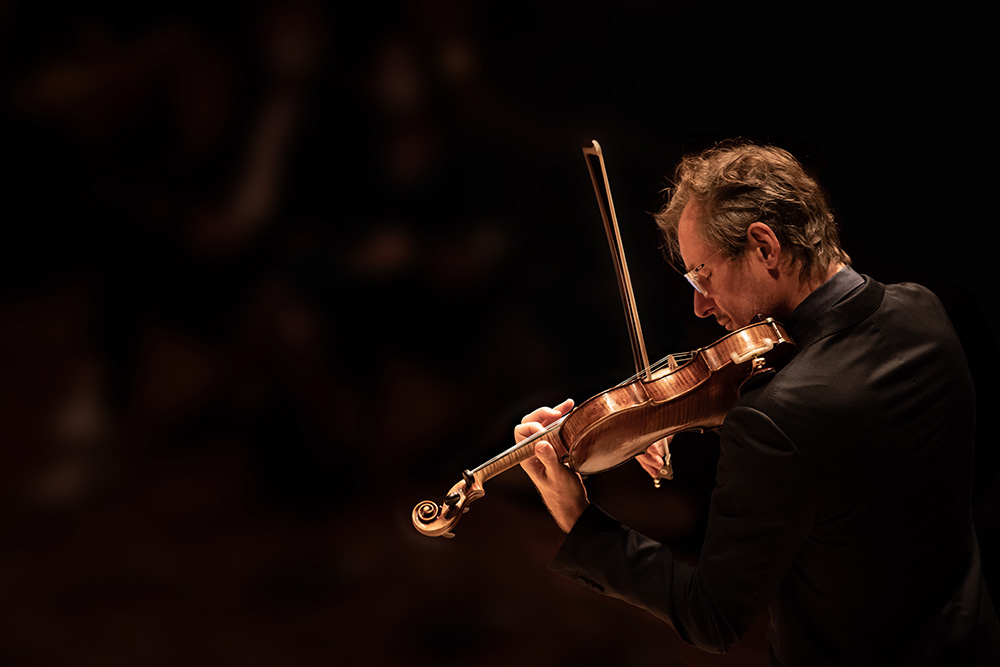
Finally, the three musicians performed with total concentration in a demanding programme. Sitting at the front I was near the violinist, say only three metres away and noted that his sound did not have the grainy quality that one sometimes hears up close. Winther always had a beautiful tone and yet he could produce a big sound when needed which was often in the programme of passion. Newman notably closed his eyes for most of his cello solos being totally in the moment of his role. He also consistently looked across to the others for musical contact. Selby, of course, was not just reliable, but provided a stunning backdrop to the strings in the Auerbach and a trusty pillar of sublime musicianship with the Schumann and Smetana both works demanding much from the pianist. All three played as one with unanimity of musical vision.
Is Melbourne a home where chamber music is much loved? Is this why Selby performs two demanding concerts in one day here to sold out audiences? As always, it was a pleasure to be at a concert of “Selby and Friends” along with the other passionate chamber music loving Melbournians.