Sydney Philharmonia Choirs | Duruflé’s Requiem & Poulenc’s Gloria
16 May, 2026, Concert Hall, Sydney Opera House, NSW
Program:
Deborah Cheetham Fraillon and Matthew Doyle: Tarimi Nulay
Maurice Duruflé: Requiem
Carl Vine: Time’s Fell Hand
Francis Poulenc: Gloria
Artists:
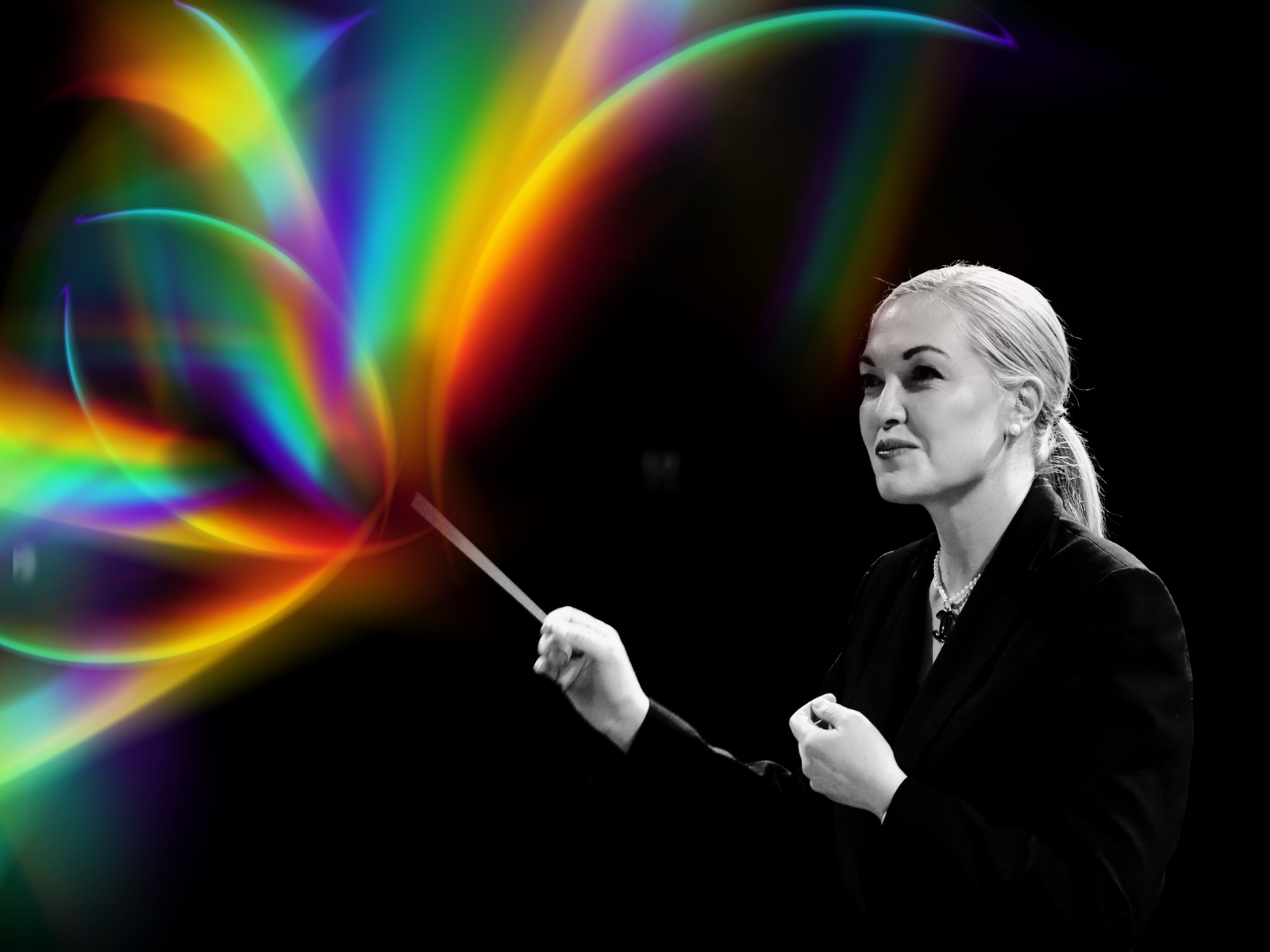
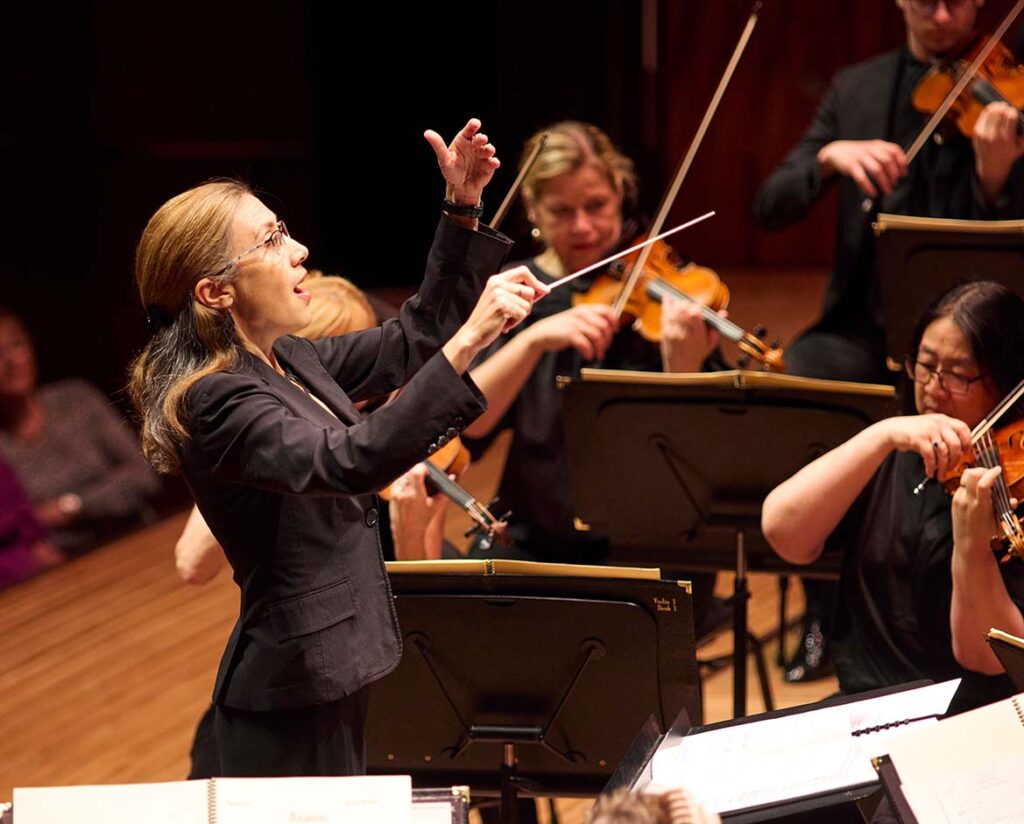
Elizabeth Scott: conductor
Meechot Marrero: soprano
Helen Sherman: mezzo-soprano
Samuel Dale Johnson: baritone
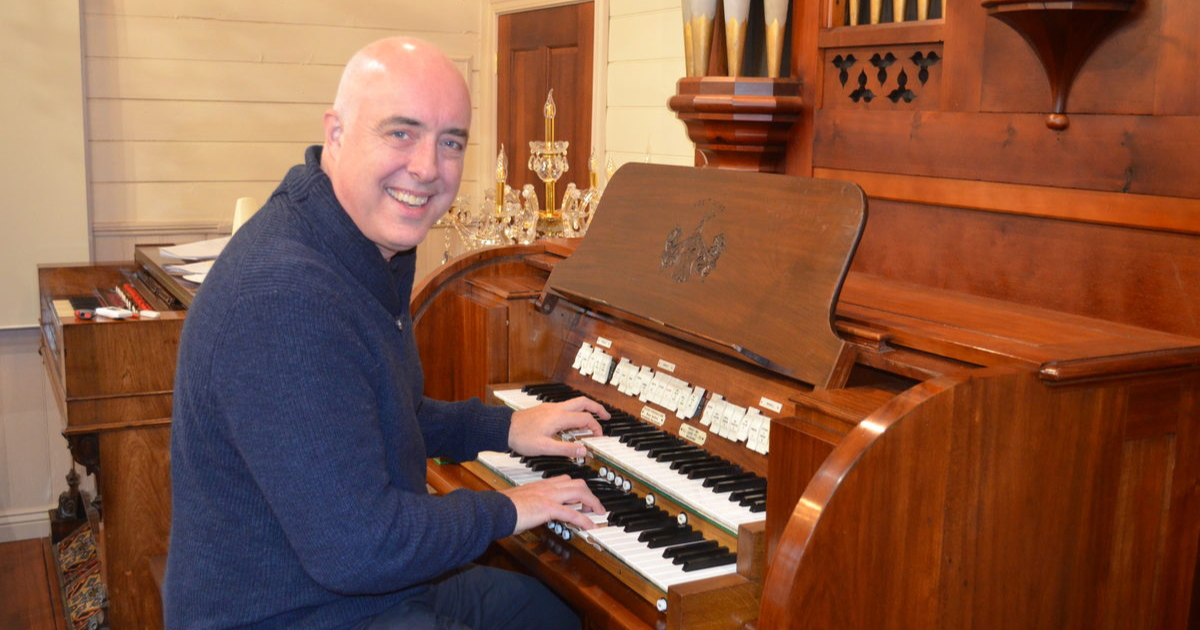
David Drury: organ
Festival Chorus
Sydney Philharmonia Orchestra
It is a privilege to have these works, which are rarely performed in Australia, in one concert and Elizabeth Scott is a champion of this repertoire.
Deborah Cheetham Fraillon and Matthew Doyle’s welcome to country Tarimi Nulay was performed as an introduction without break to the Requiem.
Duruflé’s Requiem and Poulenc’s Gloria are obliquely related in that they are both mid 20th century multi-movement works for choir, orchestra and soloist(s) based on well known Latin religious texts. However the flavour of these pieces could not be more different. The Requiem has a deep sadness, not just for one person but all the millions who died in World War II. The Gloria which was written in 1959, has no relation to that tragic time. Duruflé’s music is firmly anchored in Gregorian chant and is closely aligned with the meaning of the text. Phrases surge and recede as their Gregorian antecedents do, giving the feeling of freedom in the rhythm. The Poulenc is the antithesis of this. He seems to use the natural rhythm of the Latin text as a springboard for his incisive and lively rhythms, melodies and phrasing. In fact he almost ignores the meaning of the text in favour of musical cheekiness and fun. Duruflé’s music is in the tradition of Fauré and Ravel, while Poulenc is more like Stravinsky on happy pills, lurching from joyful jazzy moments in the brass to quiet but rhythmically lively phrases.
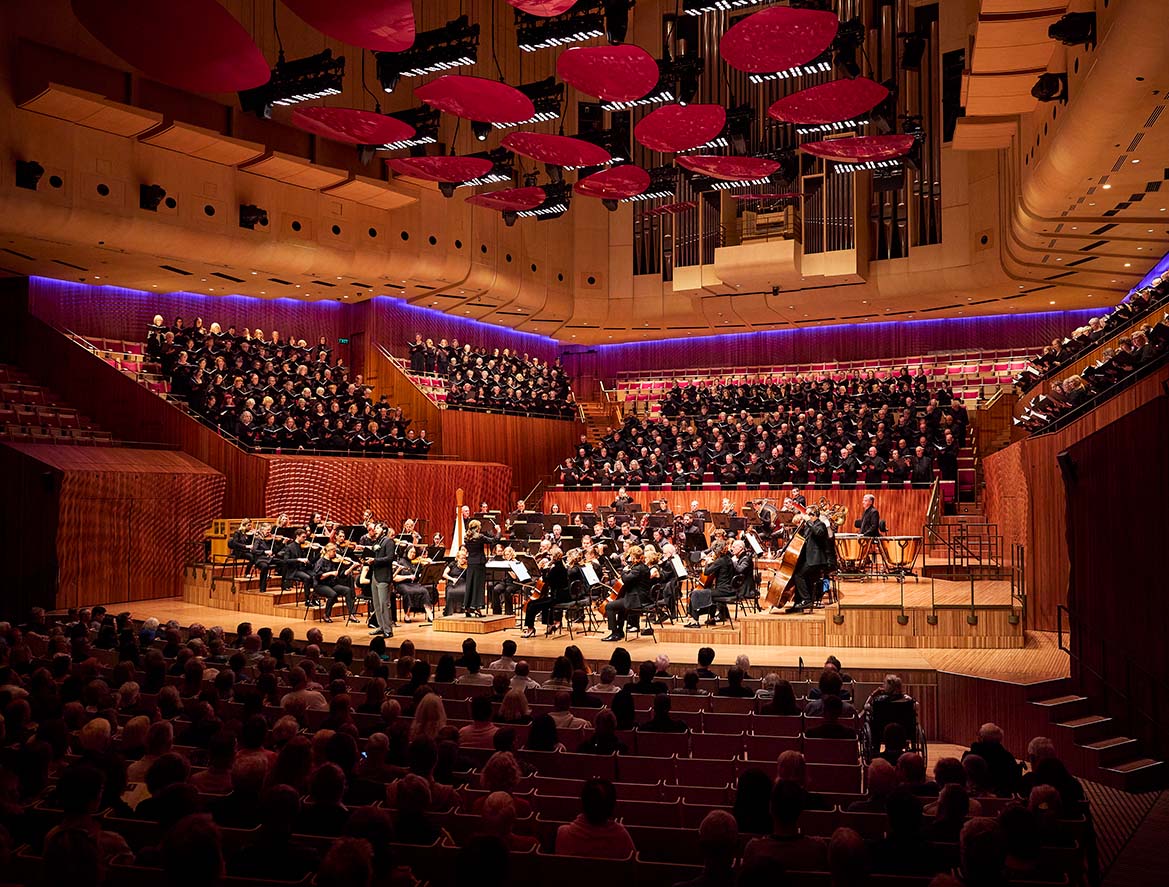
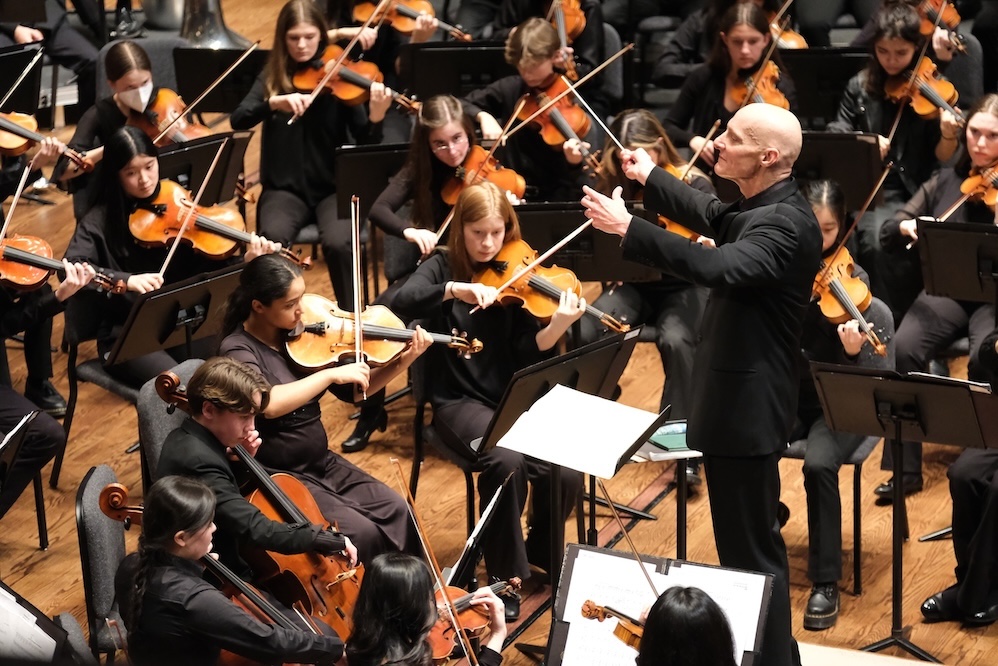
Duruflé revised his Requiem twice for smaller resources, but the version we heard was anything but scaled down. The Sydney Philharmonia Festival Chorus is enormous. The 400 or so choristers filled most of the choir and organ stalls behind the stage of the Concert Hall, and four of the boxes at the side of the stage as well. Membership of the Chorus is open to all and no audition is required for entry, so many of the voices are untrained. It means that sometimes the sound produced is somewhat on the “white” side, but what they do have going for them is commitment and dedication. At the climaxes, such as in the Libera me, where their unrestrained enthusiasm took over, they produced a huge wall of sound. The orchestra, composed of many players from the Sydney Symphony, was led by Fiona Ziegler and produced an expertly balanced orchestral texture. They were right with Elizabeth Scott the whole way, following her every cue for entries, tempi and dynamics. They supported the choir with a fulsome tone.
Samuel Dale Johnson produced a rich dark colour. The baritone and choir have alternating sections in the Domine Jesu Christe establishing a fine contrast in tone colours.
Duruflé’s setting of the Pie Jesu is clearly reminiscent of the gentle soprano solo in the Fauré Requiem, however mezzo Helen Sherman’s voice was nothing like the pure sound normally associated with the Fauré. Her voice is shimmering and intense with a natural vibrato, but her diminuendo at the final Requiem sempiternam (“eternal rest”) was a chilling subsidence into the grave.
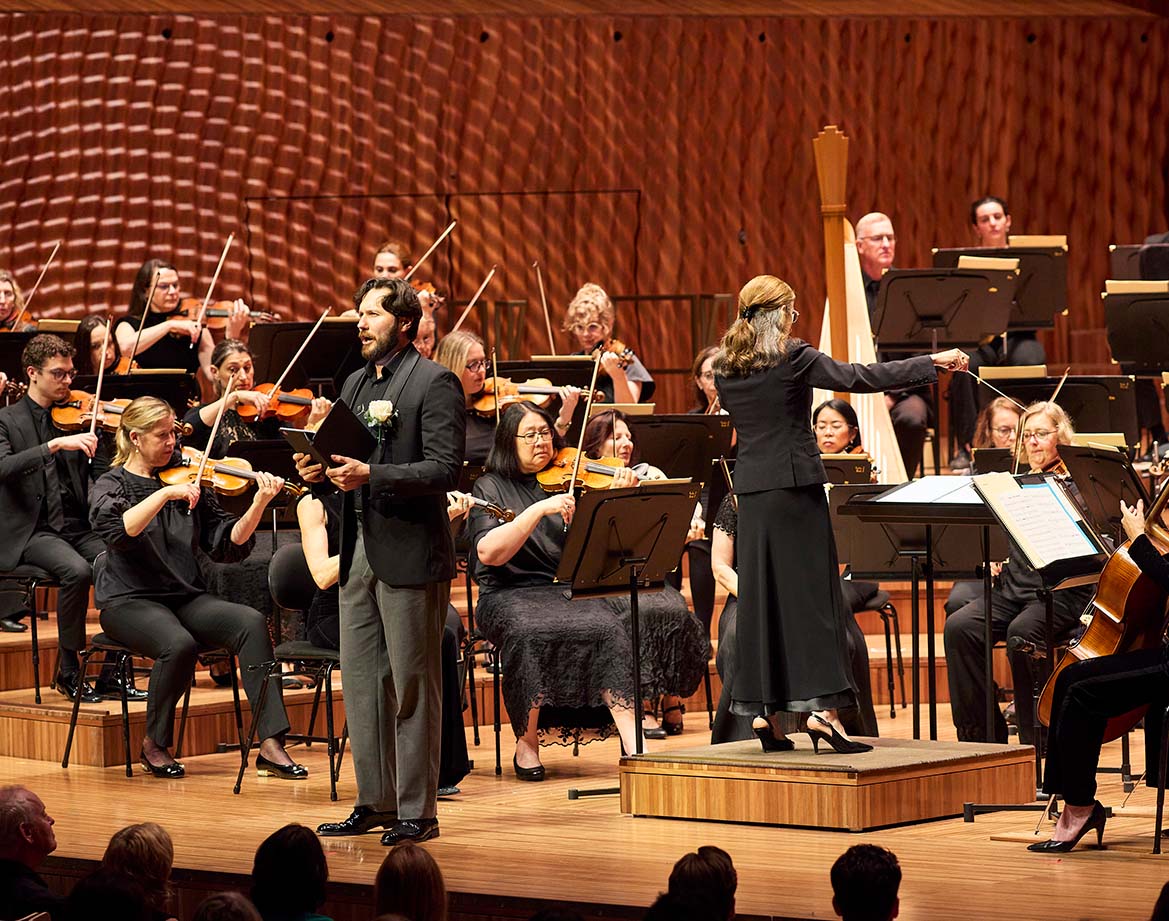
Carl Vine’s setting of Shakespeare’s Time’s Fell Hand (sonnet No 64) was a world premiere performance in this concert. It is the odd work out here because the text is secular, English, and it does not share the early 20th century context of the other major works. The sonnet mostly describes the descent into decay over time, but the last two couplets make clear that it is the loss of love that he fears. In the poetry the shift is over quickly at the end, however Vine uses multiple repetitions of these couplets to give them equal musical weight to the earlier longer text. The solo baritone elaborates on simpler choral melodies as they shadow each other.
Poulenc’s Gloria is a study in contrasts, like the flamboyant Laudamus te next to the subdued Gratias agimus tibi in the altos. The joyfulness and almost music-hall lilt is contrasted to the next movement Domine Deus, which has a tender hymn-like character with harmonically rich choral writing. The Domine Fili is again lively, but this time urgent. The Domine Deus movement really allows the solo soprano to shine. Meechot Marrero handled the long arching phrases with a beautiful lyricism. Also the difficult upward register change on the word “Deus” was seamless; most impressive vocally. Throughout her voice was rich and warm, a delight to listen to. The flamboyant Qui sedes contrasts unison against harmony, soloist against chorus. A big climax on “Tu solus altisimus, Jesu Christe”, drops to the quietest “Amen” in the soprano part. Never a dull moment.
This was an engaging program from two French composers both writing for similar resources in the early part of the twentieth century, but the character of their music is vastly different.
Conductor, soloists, choir and orchestra all gave committed and satisfying performances.
Photo credit – Keith Saunders