Wattleseed Ensemble | The Orchid and the Wasp
Saturday 29 November, 2025, Oratory, Abbotsford Convent
Beginning with music from 12-century polymath Hildegard von Bingen, ending with contemporary Swedish fiddle music, and covering everything from Bach to multidisciplinary sound art in-between, it’s hard to imagine any other string trio pulling off the kaleidoscopic journey that was “The Orchid and the Wasp”, for better and worse.
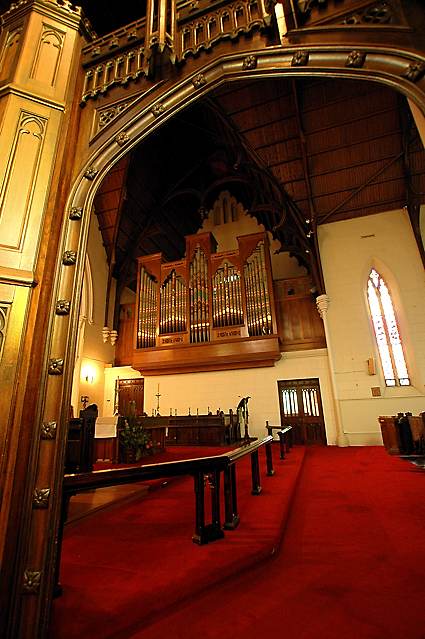
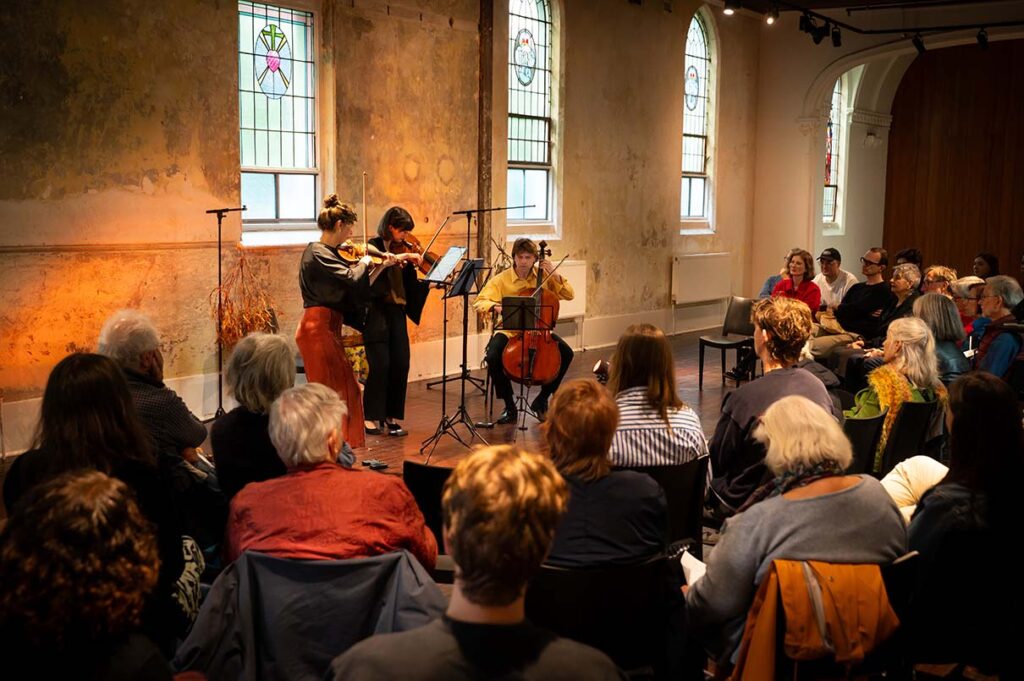
Entering Abbotsford Convent’s sprawling array of heritage-listed buildings, I’m always amazed by how many creative spaces there are in the riverside precinct… and how easy it is to get lost! Thankfully a human signpost was stationed near the entrance, kindly guiding concertgoers to the Oratory. The trio had placed themselves in the middle of the long rectangular space, with audiences enveloping the stage-space “in the round”. Neatly decorated with three bunches of gum leaves hanging from microphone stands, and with chattering lorikeets and magpies just outside the stained glass windows, the concert gave a unique and striking “Australian” feel even before the music—unfortunately including a few pesky flies that snuck in before the doors were closed.
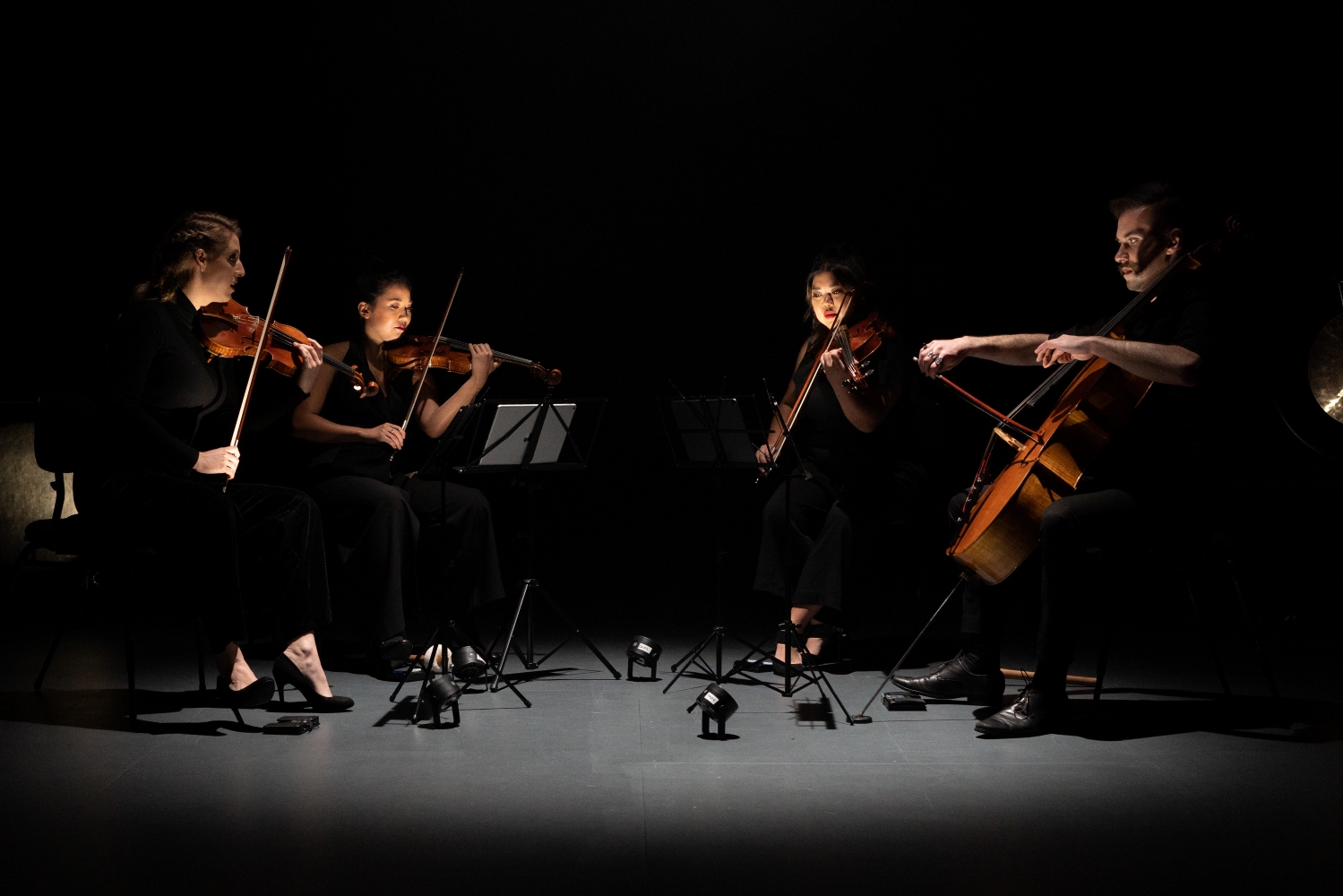
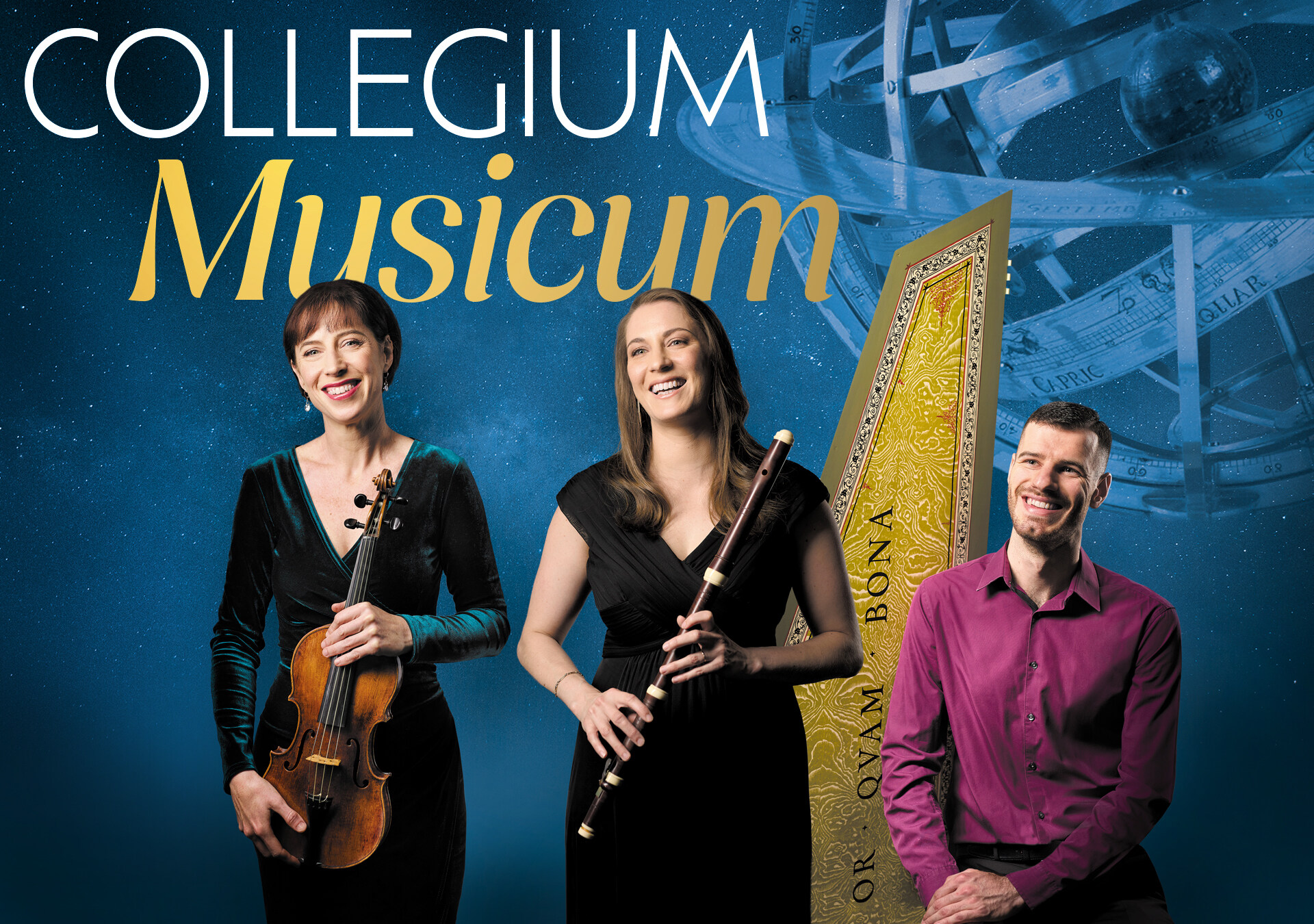
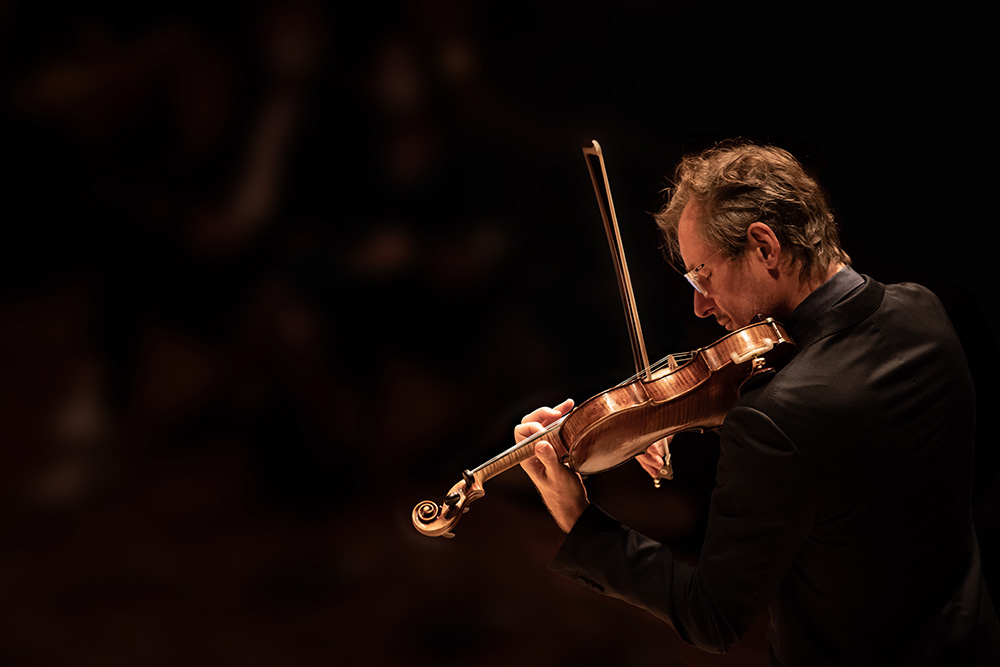
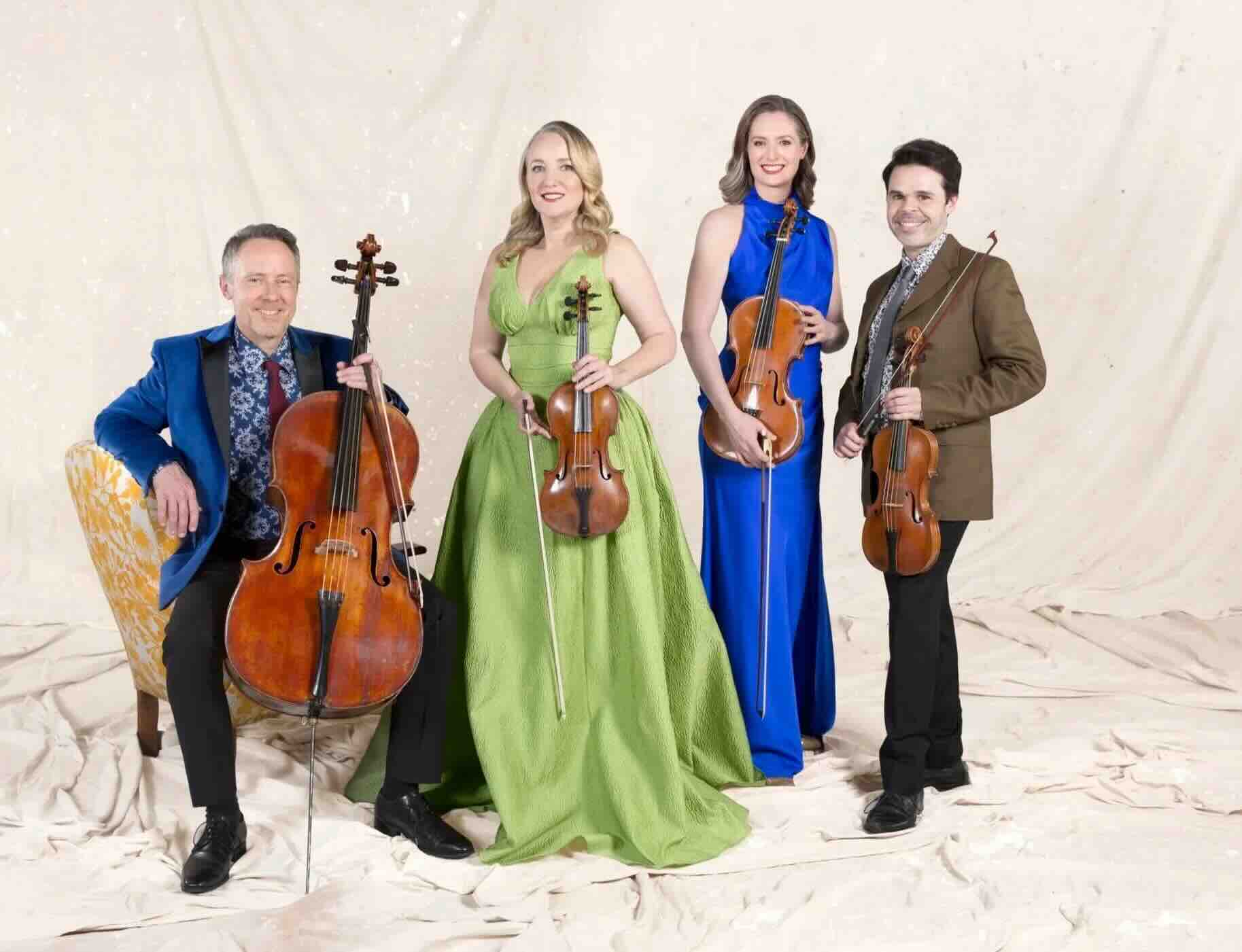
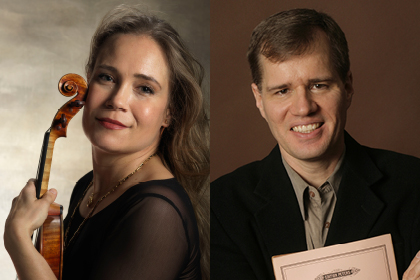
There were more people than seats initially, a good problem for a concert to have. Once everyone had been squeezed and shuffled into hastily added chairs, the trio entered the stage: Meg Cohen on violin, Katie Yap on viola and David Moran on cello, with Cohen and Yap sharing artistic directorial duties. The trio’s connection was apparent from the deliciously in-tune chords and perfectly synched stylistic approach to von Bingen’s Ave Generosa, arranged brilliantly by Australian Harpsichordist Donald Nicolson. They slipped just as easily and convincingly into selections from J.S. Bach’s Goldberg Variations (arranged for string trio by Dmiti Sitovetski), and Bulgarian and Swedish folk styles later in the concert, all the while looking genuinely happy to be performing together. Missy Mazzoli’s virtuosically post-minimal Lies to Believe in was slightly rhythmically wobbly at times, and I would have appreciated even more extreme dynamic contrasts, yet it was still performed with conviction.
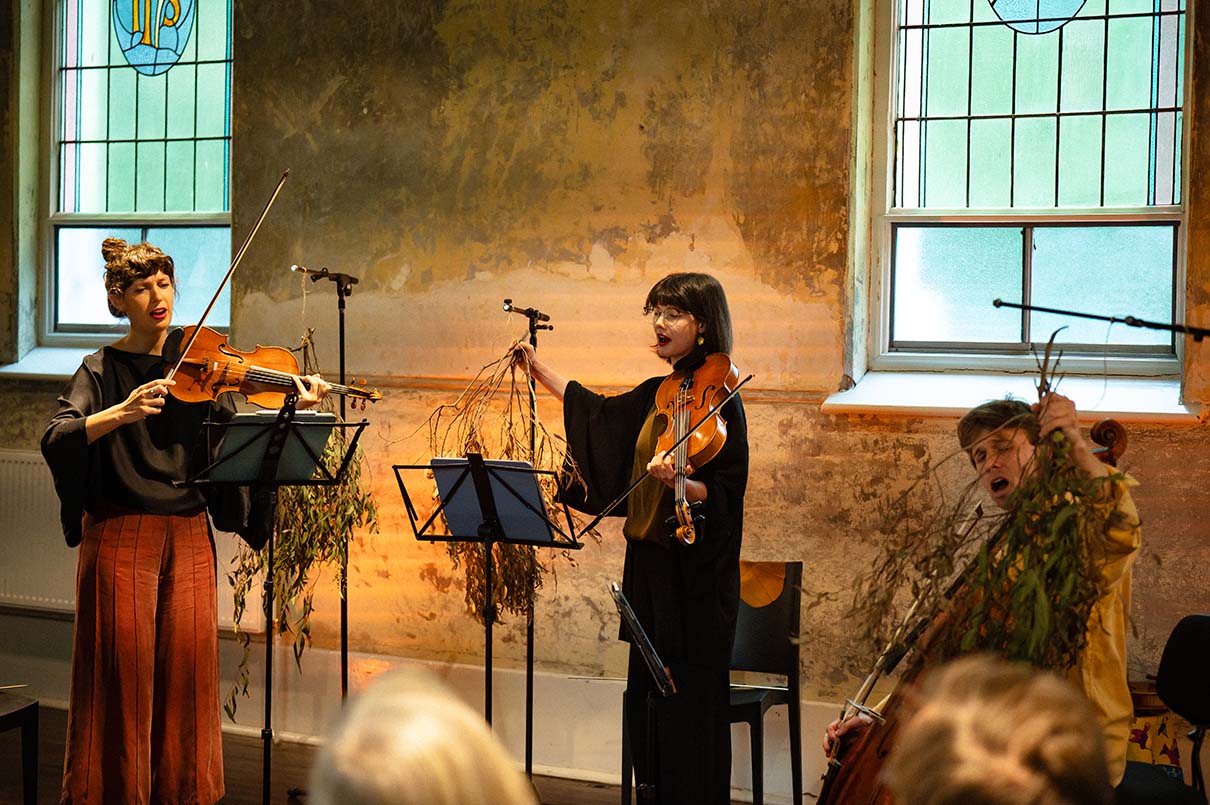
As the namesake and centre of the concert, Jakub Jankowski’s The Orchid and the Wasp was commissioned for the program, and provided many surprises. It turns out the human signpost initially directing us to the concert was the composer himself, who briefly introduced the piece as being inspired by South Australian wilderness, before disappearing from the room. The bunches of gum leaves revealed themselves not just as decorations, but instruments, played in the piece using custom-crafted ribbed “guiro bows” to rustle the bushels in simulation of wind through the trees.
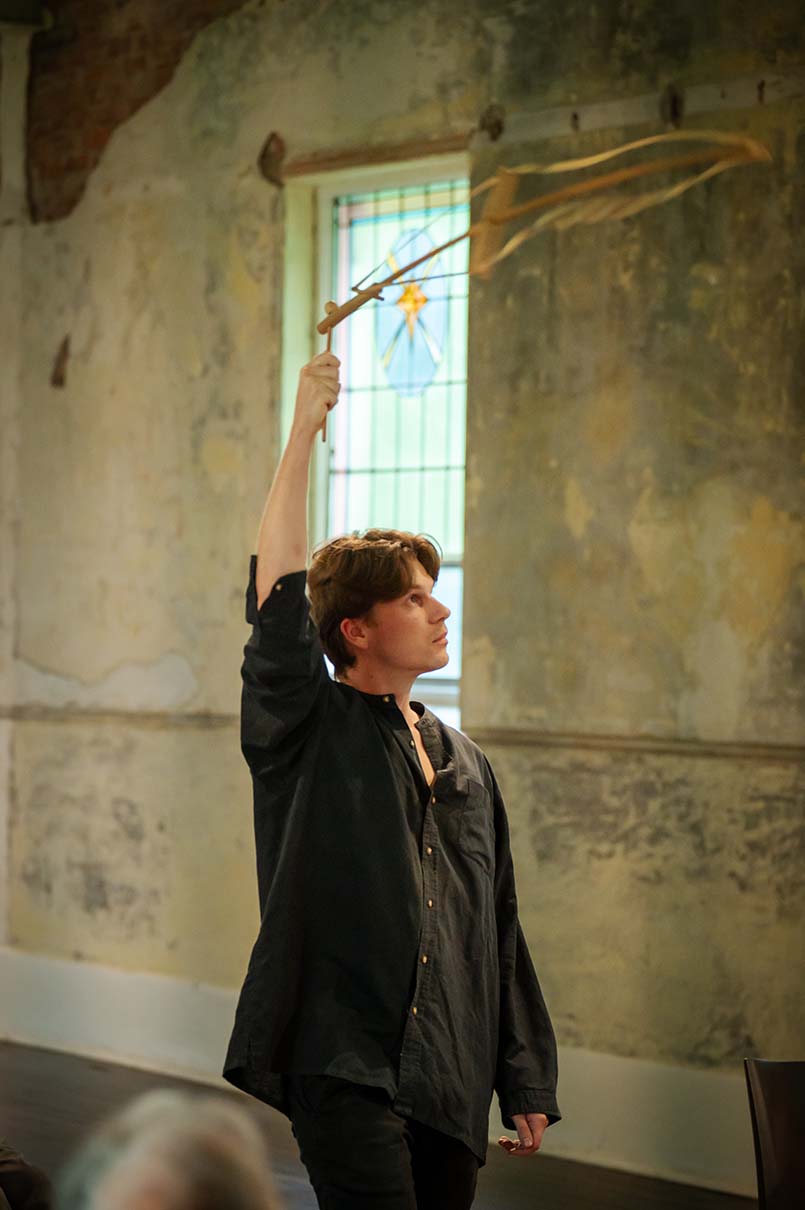 Swelling from these quiet “found sounds”, the trio eventually introduced their regular instruments, then their voices, building to a crescendo that saw Jankowski re-enter the room spinning a large, deeply buzzing and apparently hand-crafted instrument. As he slowly walked from one side of the space to the other, I was slightly worried as to what might happen were the instrument to fall apart or strike someone during his journey, but thankfully everyone emerged from the performance unscathed. A truly creative and gripping exploration of Australian sound worlds, I nevertheless wonder if any other ensemble will go to the considerable effort involved in procuring the myriad of custom instruments and set pieces required to stage another performance.
Being a fan of almost every genre presented throughout the program, I at first began picking out numerous fascinating through-lines tying it all together: rhythmic hocket, similar tonal colours, and strikingly similar harmonic patterns shared from the 12th to 21st century. However, putting myself in the shoes of a listener less familiar with this specific array of diverse genres, I can also picture the program coming across less coherently.
“The Orchid and the Wasp” easily proved Cohen, Yap and Moran as three of Australia’s most genre-diverse musicians, and Wattleseed Ensemble as a vital and creative new group. The artistic risks didn’t always completely pay off, but in a world where many major arts organisations are becoming less able or willing to do things differently, I’ll take Wattleseed’s adventure any day.
Guest reviewer: Kieran Welch
Kieran Welch (b. 1992) is an Australian curator, production manager, violist, DJ, writer and educator. Combining diverse industry knowledge, thorough classical performance training, and a deep commitment to social equity, he creates unique artistic experiences that transcend barriers dividing genres, artforms, and communities.
Photo credit: Darren James