Canberra International Music Festival | Folk and Tango
MAY 1, 2026, Manning Clark Hall, ACT
ARTISTS
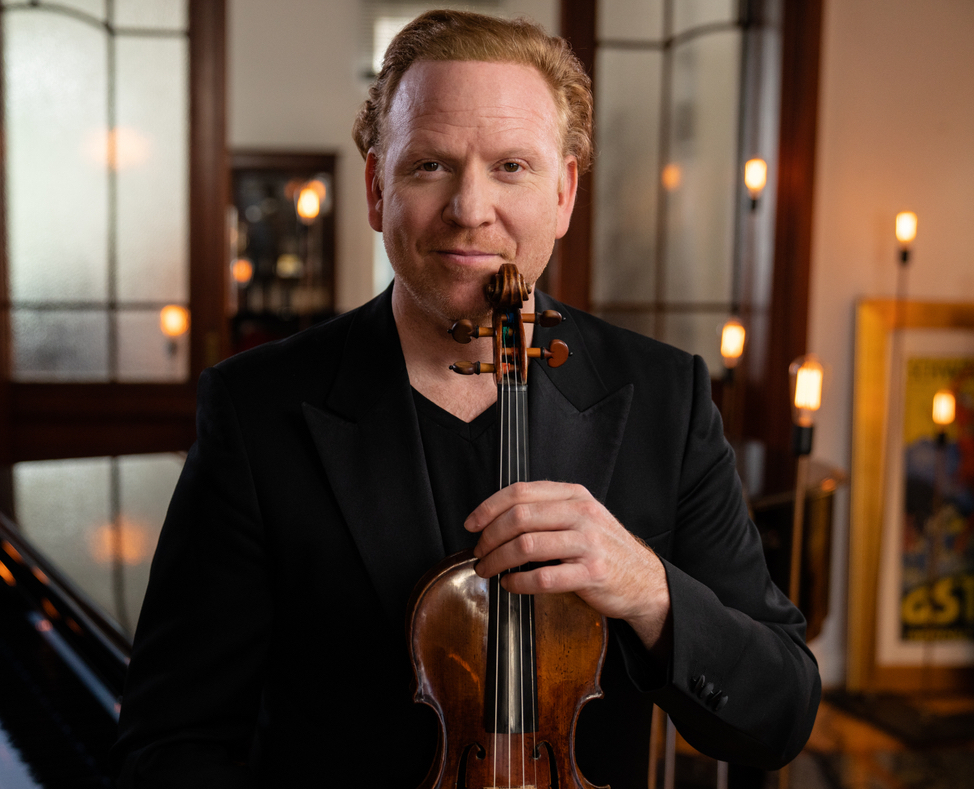
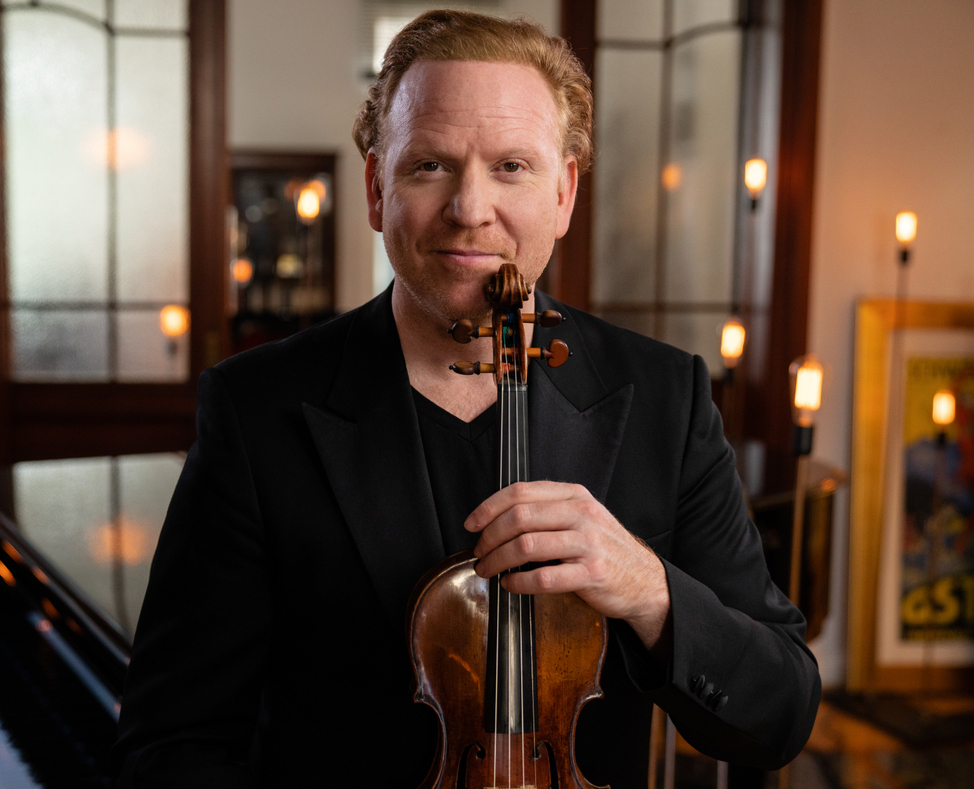
James Crabb – accordion
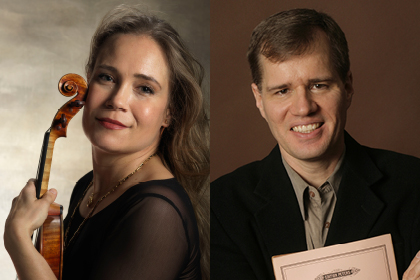
Lina Tur Bonet – violin
David Campbell – double bass
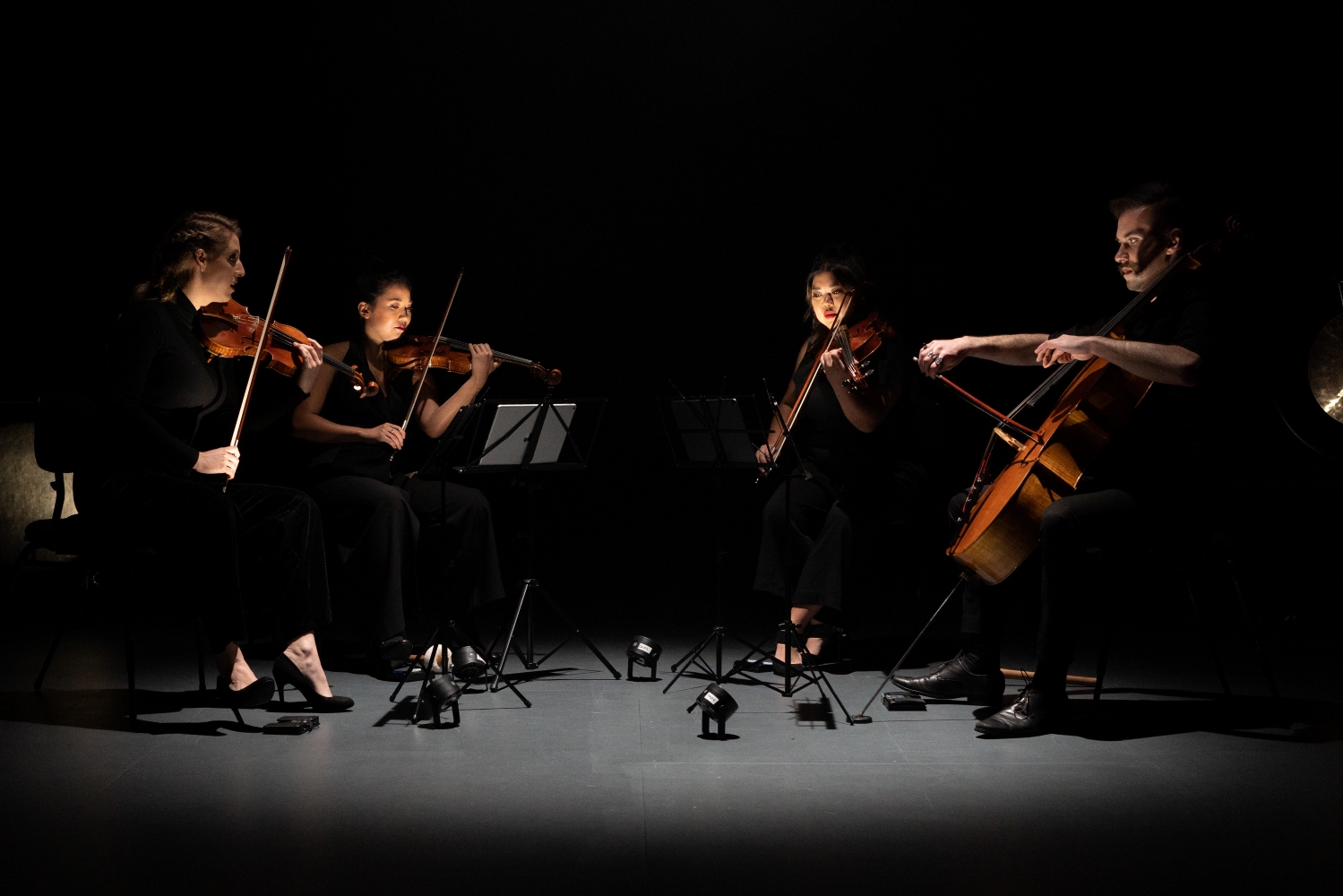
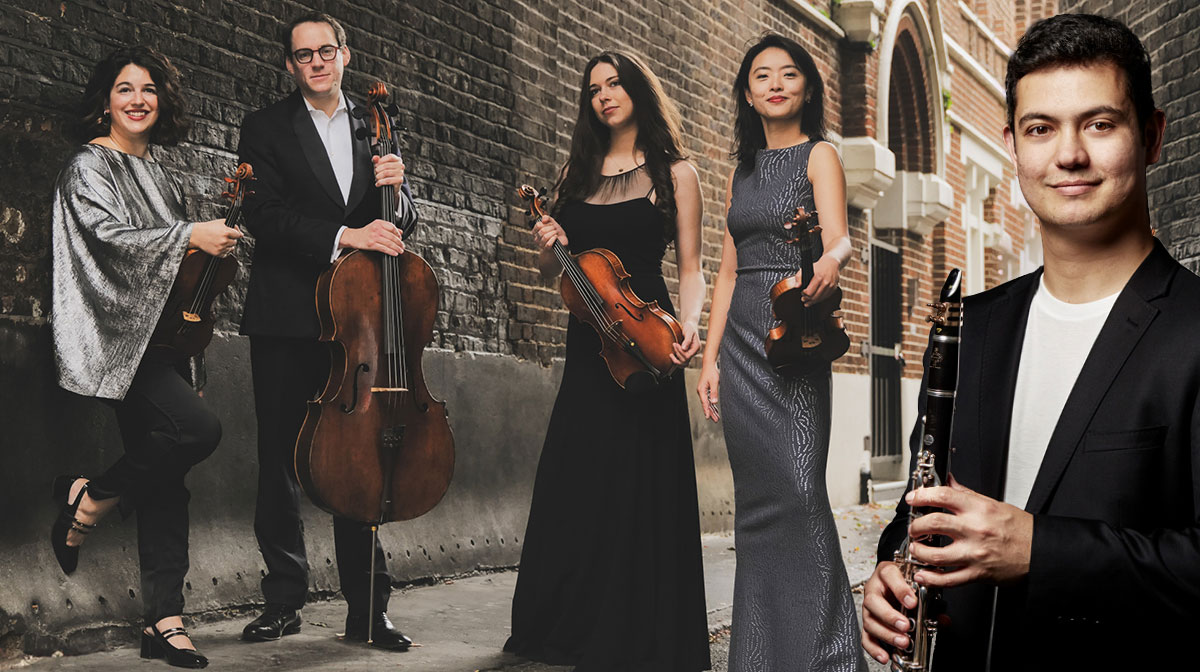
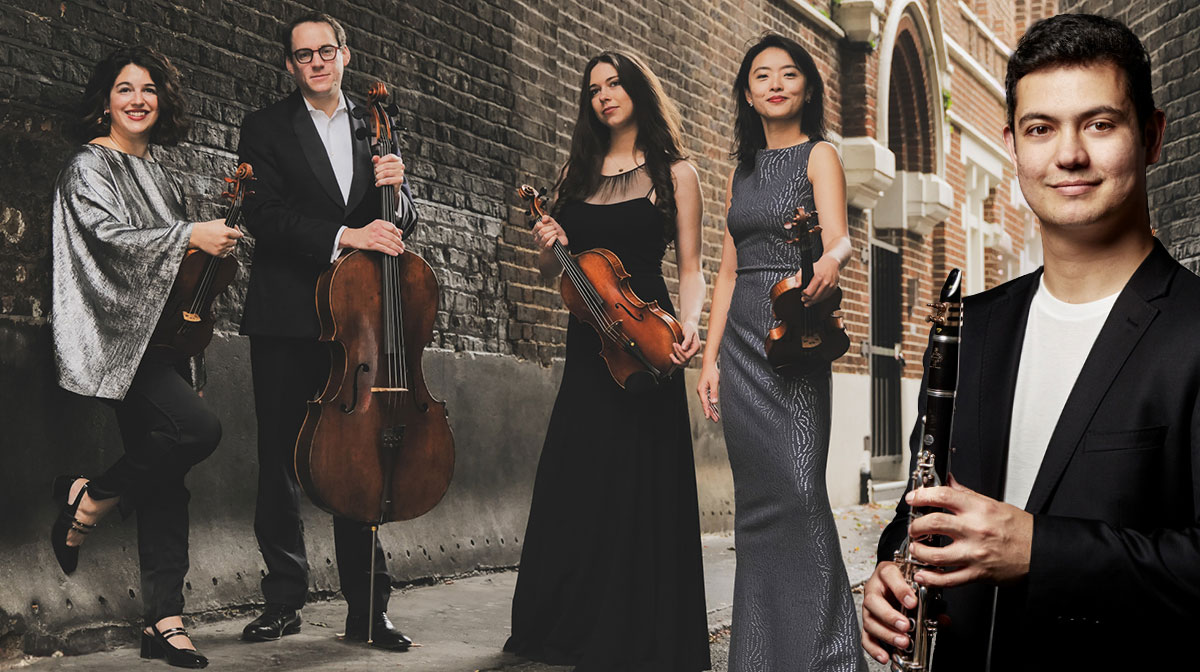
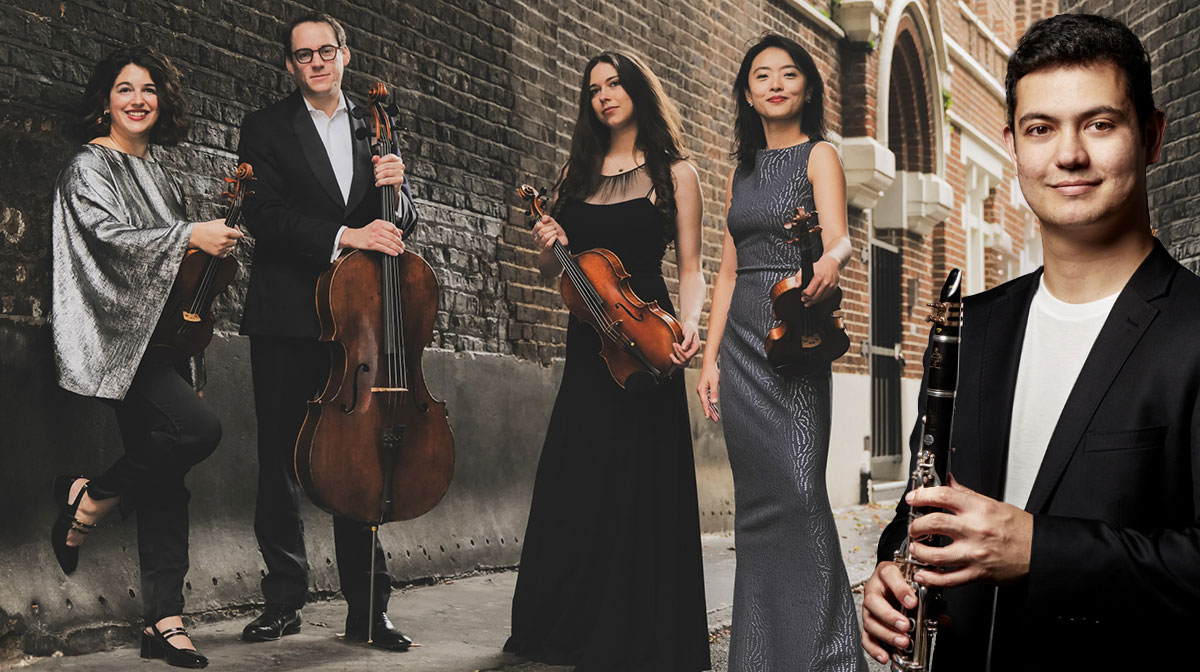
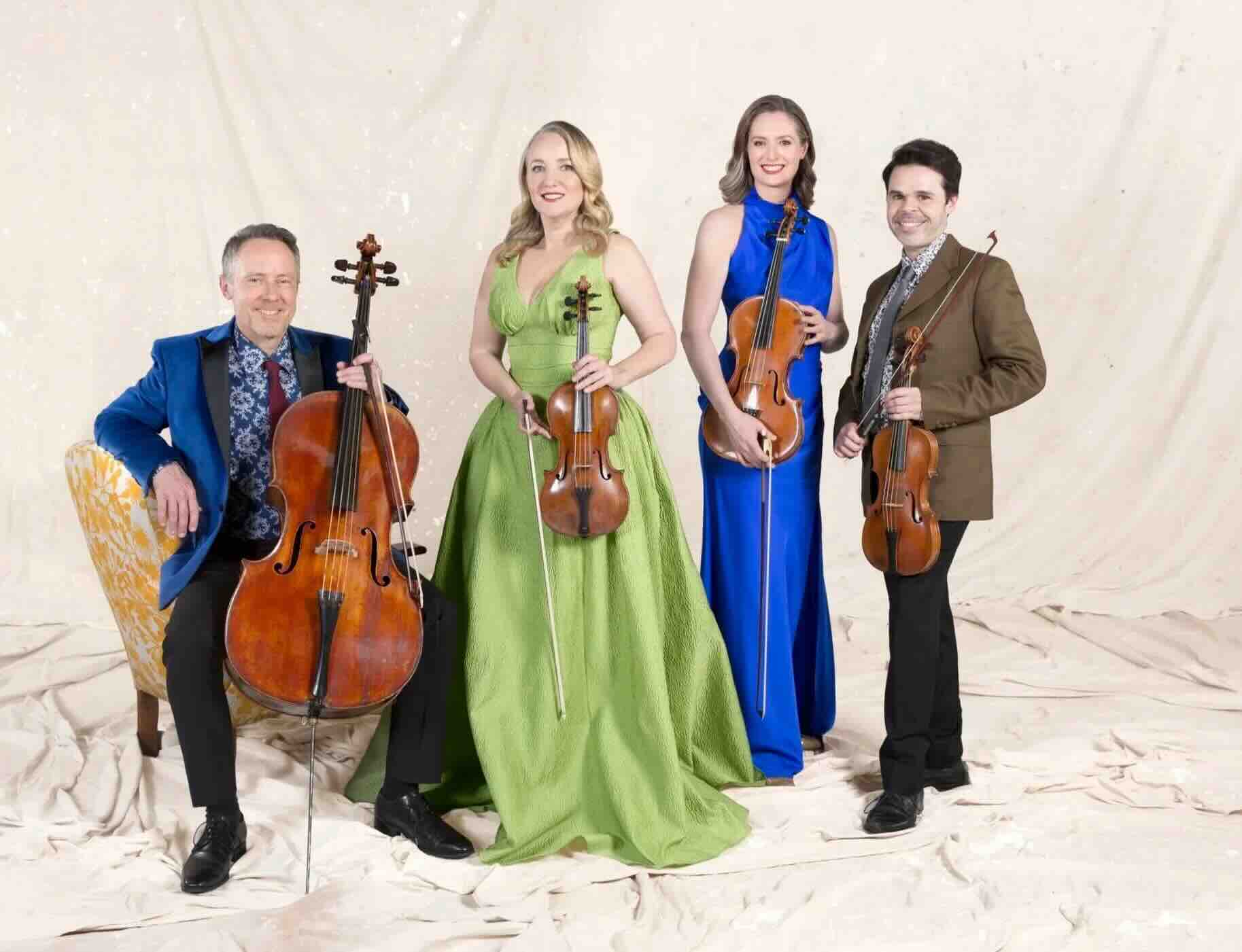
Australian String Quartet
Dale Barltrop — violin
Francesca Hiew — violin
Christopher Carolinge — viola
Michael Dahlenburg — cello
Ensemble Liaison
David Griffiths — clarinet
Svetlana Bogosavljevic — cello
Timothy Young — piano
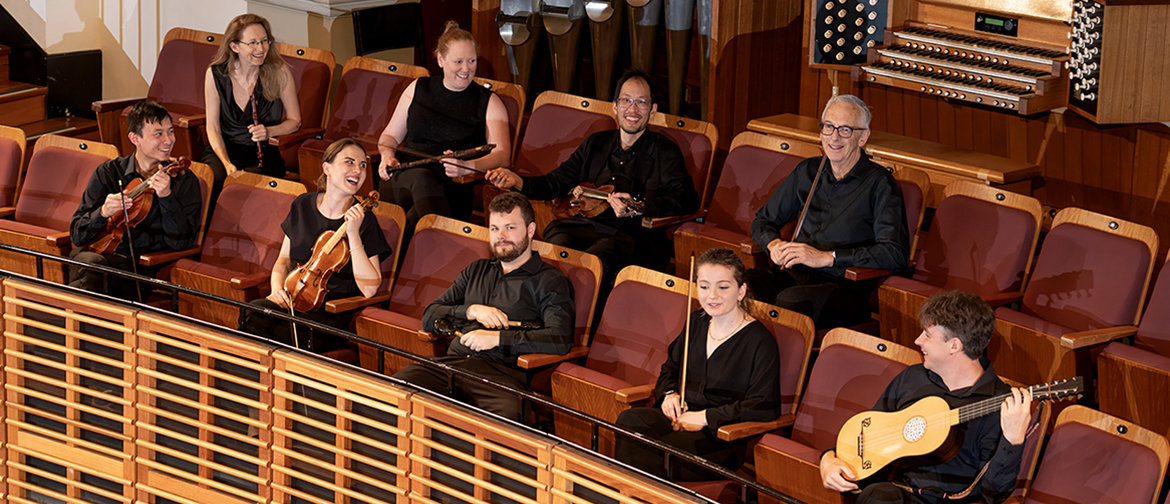
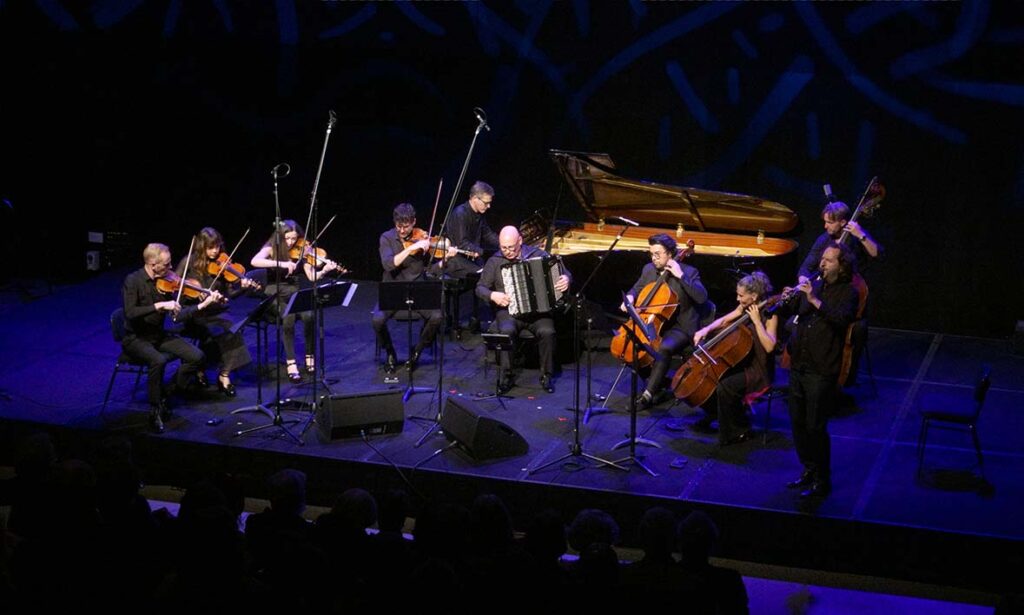
Folk and Tango proved to be one of those concerts where the idea reveals itself gradually, almost without you noticing. At its centre was the accordionist James Crabb, not as a soloist in the traditional sense, but as a sort of musical anchor. Across the evening, the accordion became a unifying voice, grounding a program that travelled from Czech folk idioms through Scottish song, Serbian modernism, Russian ragtime and Argentine tango, before landing in something close to klezmer.
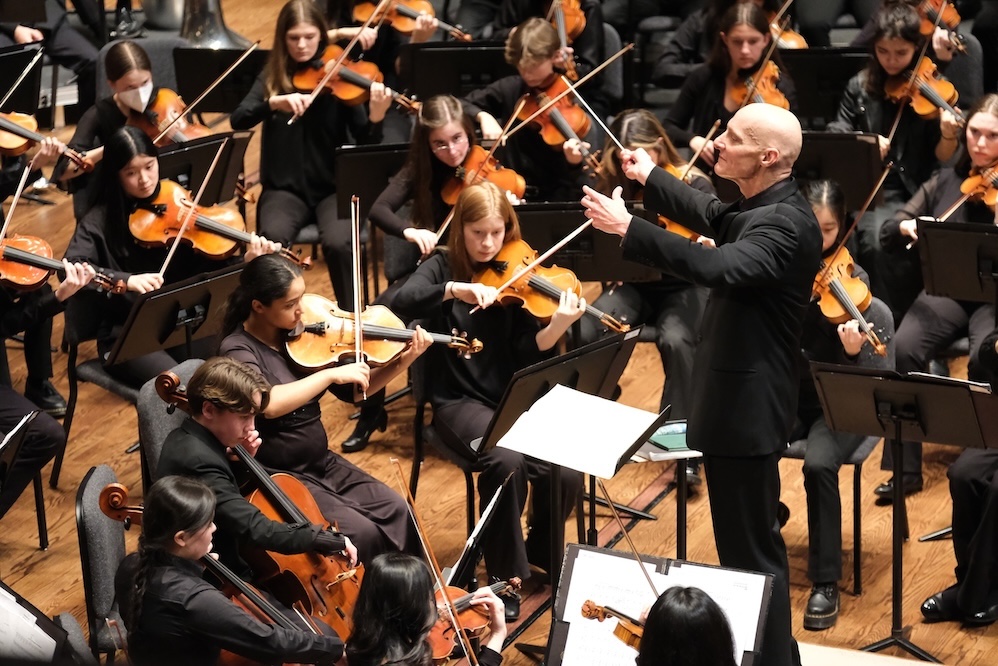
The opening set of Dvořák’s Czech Bagatelles brought together members of the Australian String Quartet with Crabb. Written originally for strings and harmonium, the substitution of accordion really worked. There was no sense of the instrument pushing itself forward; instead, a beautifully judged blend allowed lines to emerge and recede as needed. The second movement carried a gentle, dance-like sway, while the later movements introduced faster, whirling figures and pizzicato textures, all held together by a kind of democratic ensemble instinct. Chamber music of the highest order.
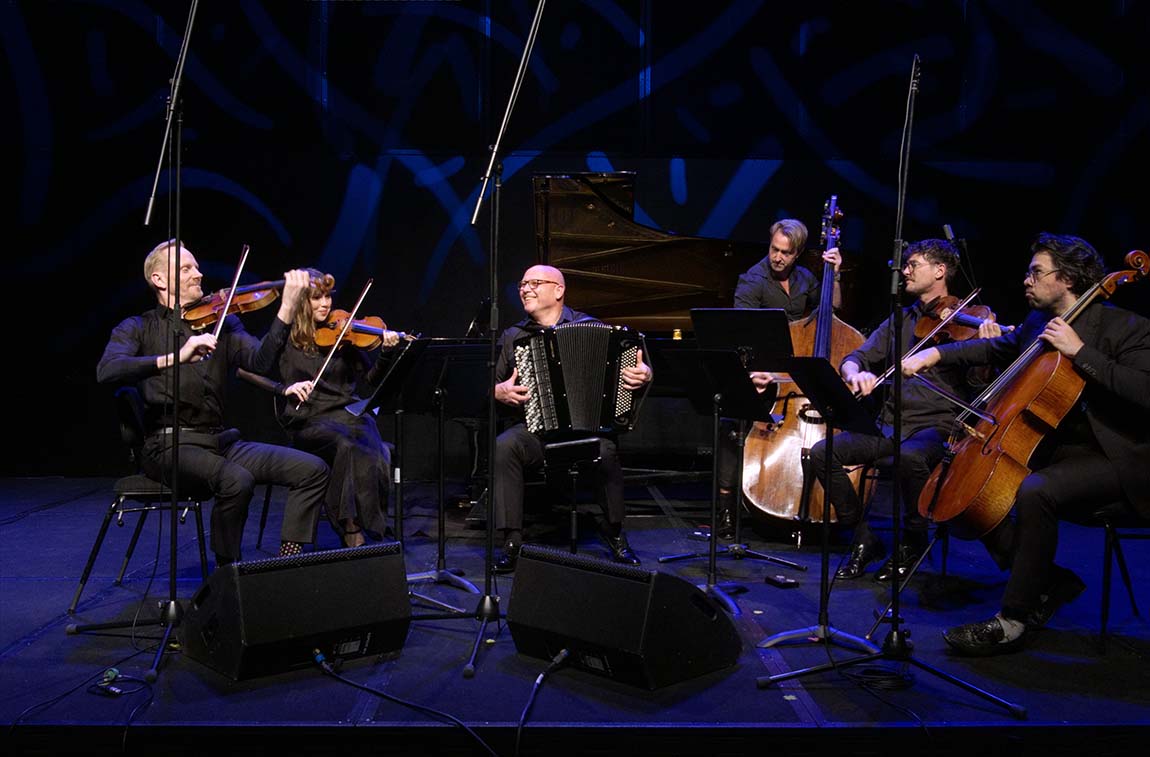
If the first set established the language, the Scottish arrangements that followed gave it a sense of home. Drawn and arranged by Crabb, these songs leaned into the physicality of folk performance: rhythmic bowing, body percussion, the sense that the music was felt as well as heard. Bagpipe-like drones passed between instruments, melodies inverted between high and low voices, and the accordion moved effortlessly from accompaniment to lead. The lament was devastating, I may even have shed a small tear, while the final tune built into a virtuosic showcase of dazzling fiddling and accordion brilliance. For all the sophistication of the playing, this music felt strangely familiar – settling somewhere deep in my Australian ear.
The program’s centre of gravity shifted with Ana Sokolović’s Serbian Tango, an electrifying trio for violin (Lina Tur Bonet), piano (Timothy Young) and accordion (James Crabb) that reimagines dance through a contemporary lens. Here, rhythm fractured into asymmetric patterns, the ensemble becoming almost percussive: clapping, tapping, breath-like pulses from the accordion, harmonics skittering across the strings. It was raw, physical, a musical reminder that dance is really about body.
From there, Elena Kats-Chernin’s Russian Rag offered a playful pivot, its ragtime-inflected rhythms and reworked Rachmaninoff material delivered with charm and flair by piano, clarinet and cello. It set the stage perfectly for Astor Piazzolla’s Suite Punta del Este, where the full ensemble came together. The second movement, shaped around the accordion, carried real gravitas, its long lines unfolding with a sense of breath and space – Crabb leading the ensemble with subtle movement. In the outer movements, the music gathered energy, building from solo lines into full ensemble surges, with just enough bite and edge in the strings and winds to remind us that this was urban tango, not salon music.
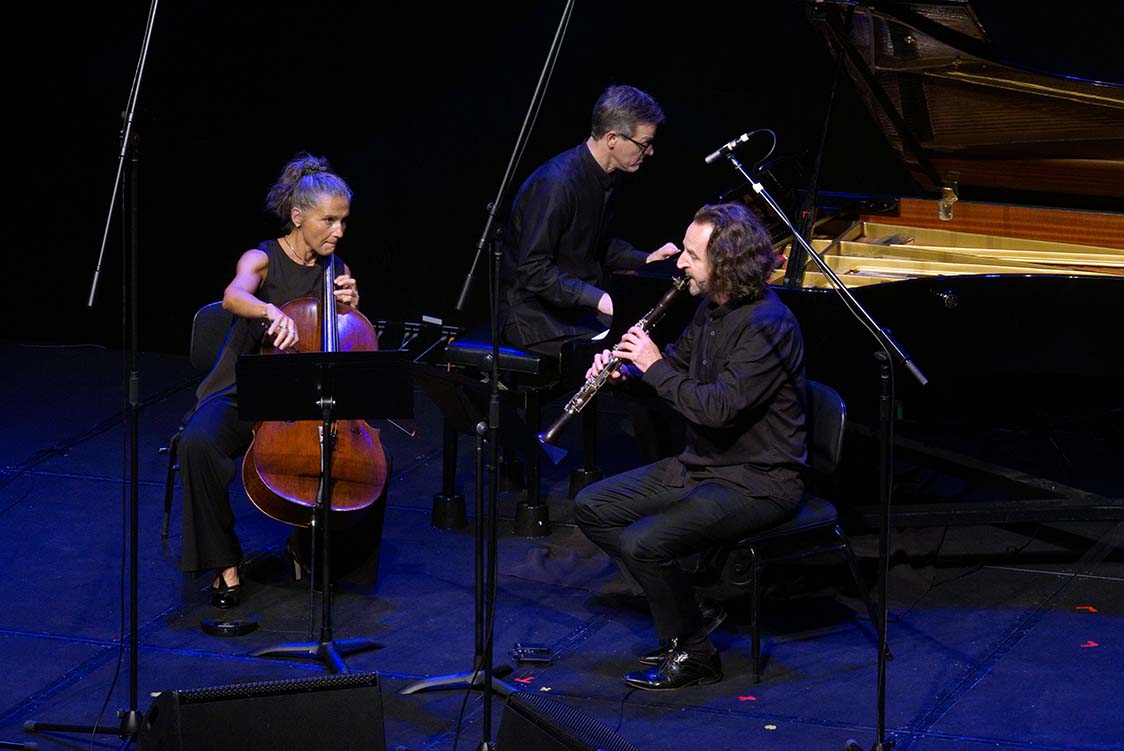
The final turn to Béla Kovács brought the clarinet to the fore, with David Griffiths delivering a performance of real flair. Here, the klezmer influence was unmistakable: sliding lines, vocal inflections, a sense of storytelling that bordered on theatrical. It might have felt like a stylistic detour, but instead it landed as a natural conclusion — another voice in the same extended conversation.
What became clear over the course of the evening was that these traditions — Czech, Scottish, Serbian, Russian, Argentinian, Hungarian — are not as distant from one another as they might first appear. Each work drew on a shared musical language of dance, lament and storytelling. The accordion, in particular, served as a thread through it all, rooting the sound world and allowing these connections to surface.
Add to that the exceptional calibre of musicians, drawn from ensembles like the Australian String Quartet and Ensemble Liaison, alongside international artists such as Lina Tur Bonet, and the result was a concert was both cohesive and expansive.
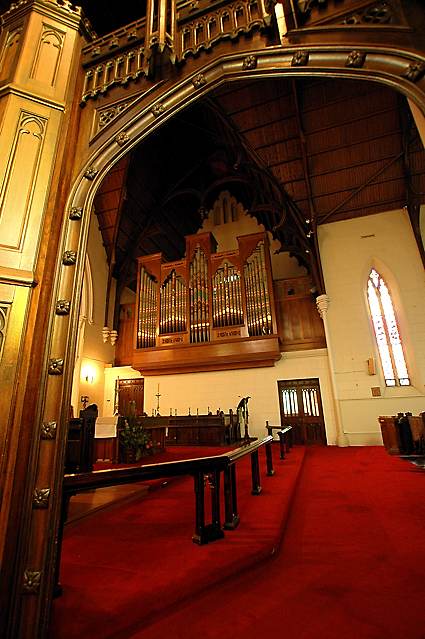
Manning Clark Hall’s clean, contemporary space suited the program well. As a snapshot of the festival overall, Folk and Tango captured something essential — not just the quality of the performances, but the clarity of the artistic vision. By the end, what might have seemed like a journey across disparate musical worlds revealed itself as something far more connected.
A compelling close to CIMF day three, and a strong indication that the weekend ahead would have much more to offer.
Photo credit: Peter Hislop
READ OTHER REVIEWS OF CIMF on ClassikON >>
Pianos & Percussion: Festival Finale >
Luminescence and the Machine >